مدرسة سيتيزنز




























10 Must-Ask Questions During a Dubai School Tour (And Why They Matter for Your Child)
You walk into a school. The campus looks impressive. Classrooms are well-equipped. The presentation sounds polished. Everything seems right.
But here’s the real question: What will your child’s day actually feel like here?
School tours form an essential step while choosing a school in Dubai. A guided tour allows parents to observe real classroom dynamics, understand how teachers interact with learners, and assess whether the environment feels supportive and purposeful. The value of a school visit lies in asking thoughtful, targeted questions that uncover how the school operates daily.
Many parents rely on reputation, ratings, or peer recommendations. These factors are useful but incomplete. Asking the right questions helps identify whether the school aligns with your child’s learning style, personality, and long-term academic goals.
This guide aims to provide the exact questions to ask during the school tour and what to listen for in the answers, so you leave with a clear understanding of whether the school is the right fit.
Why Asking the Right Questions Matters
A school tour can easily become a passive experience. Asking targeted questions shifts the focus from presentation to practice and helps uncover how learning actually happens.
- Going Beyond Surface Impressions
Most schools often have modern facilities and advanced technology. While these features may improve learning, they do not guarantee effective teaching. A visually appealing environment can sometimes distract from deeper issues like teaching methods, support for learners, and student engagement.
Asking specific questions helps shift focus from appearance to substance. - Understanding Day-to-Day learner Experience
Parents need to understand what a typical school day actually looks like. This includes lesson structure, interaction patterns, and how learners move between activities. Asking direct questions reveals whether the learning experience is balanced and developmentally appropriate. - Identifying Alignment With Your Child’s Needs
Every child responds differently to structure, pace, and teaching style. Some benefit from guided instruction, while others thrive in exploratory environments. Asking specific questions allows parents to determine whether the school’s approach aligns with their child’s personality, learning preferences, and confidence level. - Avoiding Common Decision Mistakes
It is common to prioritise factors such as reputation, proximity, or peer recommendations. While these considerations matter, they do not guarantee suitability. Consistent questioning introduces objectivity into the decision-making process and reduces reliance on assumptions.
10 Must-Ask Questions During a School Tour (And What to Look For)
A school tour becomes far more meaningful when parents ask focused, purposeful questions.
Each of the following questions is designed to uncover a specific aspect of school life. Equally important is listening carefully to the tone and detail of the responses. Clear, specific answers often indicate well-established practices, whereas vague responses may suggest less-structured systems.
1. “How do you support different learning styles in the classroom?”
This question reveals the level of personalisation in teaching. Schools that prioritise differentiated instruction typically describe flexible grouping, varied teaching strategies, and tailored support.
Parents should rely on the following keywords for references:
- Small group instruction
- Individual learning goals
- Adapted assignments
These indicators suggest that teachers adjust their approach based on learner needs.
2. “What does a typical school day look like for my child’s age group?”
Understanding daily structure helps parents visualise the rhythm of learning. A balanced day should include academics, collaborative work, independent tasks, and breaks.
You must look for:
- Variety in lesson formats
- Scheduled breaks and transitions
- Integration of creative or physical activities
A well-structured day supports both engagement and concentration.
3. “How are learners assessed, and how often do parents receive feedback?”
Assessment methods influence how progress is tracked. Continuous assessment models often provide a more accurate picture than reliance on end-of-term exams.
Focus on schools with strong responses, including:
- Ongoing formative assessments
- Digital learning portfolios
- Regular parent-teacher communication
Frequent feedback helps parents stay informed and supports early intervention.
4. “How does the school support learners’ well-being?”
A learner’s well-being directly impacts their academic performance. Look for schools that prioritise wellness, which often demonstrate stronger learner engagement.
Listen for:
- Dedicated counsellors or wellbeing coordinators
- Mentor programmes
- Social-emotional learning initiatives
These elements indicate a proactive approach to emotional support.
5. “How do you challenge high-performing learners and support those who need help?”
Effective schools address the full spectrum of learning needs. Indicators of effective differentiation include:
- Enrichment programmes
- Learning support teams
- Intervention strategies
This ensures that both advanced learners and those requiring assistance are appropriately supported.
6. “What are the extracurricular opportunities provided by the school?”
Extracurricular activities contribute to the holistic development of learners. Schools should offer a range of options aligned with different interests.
For holistic development, you must look for:
- Sports and physical activities
- Creative arts programmes
- Academic clubs and competitions
Variety and accessibility are key indicators of a well-rounded programme.
7. “How does the school communicate with parents?”
Strong communication builds trust and partnership. Effective schools maintain transparent and consistent communication channels.
Strong responses that you should look for may include:
- Weekly updates
- Parent portals
- Scheduled conferences
Frequent communication supports collaboration between the school and parents.
8. “What is the teacher-to-student ratio?”
Class size affects individual attention and classroom dynamics. Smaller ratios often allow for more personalised support.
While asking these questions, you should also ask about:
- Teaching assistants
- Learning support staff
These additional resources enhance classroom effectiveness.
9. “How do you instill values in students?”
Values shape behaviour, relationships, and decision-making. Understanding how a school develops values helps you assess whether the environment supports character development alongside academics.
In a school tour, you must look for:
- Modelling respectful behaviour through teacher–student interactions
- Consistent expectations for responsibility and conduct
- Integration of values into classroom discussions and projects
- Recognition of effort, kindness, and teamwork
- Opportunities for leadership and community participation
This indicates that character development is part of everyday learning, not just occasional initiatives.
10. “How do you prepare learners for the next stage of learning?”
Transitions between year groups or key stages should be structured. Schools should demonstrate structured progression between key stages.
Actively listen for:
- Transition programmes
- Skill development focus
- Orientation support
This approach demonstrates continuity and long-term planning.
Asking these questions consistently across multiple schools allows for clearer comparison. The depth and clarity of responses often reveal more than the answers themselves, helping parents determine whether the school environment aligns with their child’s needs.
What Parents Should Observe During the Tour (Beyond Asking Questions)
Questions provide insight, but observation offers validation. Paying attention to the environment can reveal whether the answers align with reality.
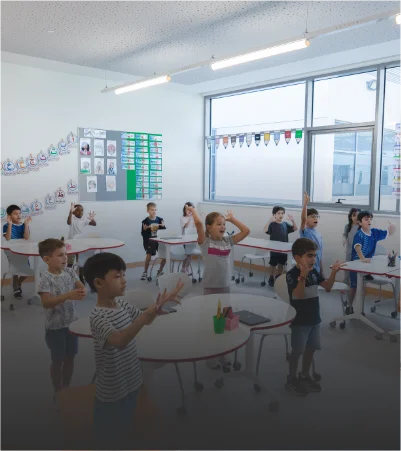
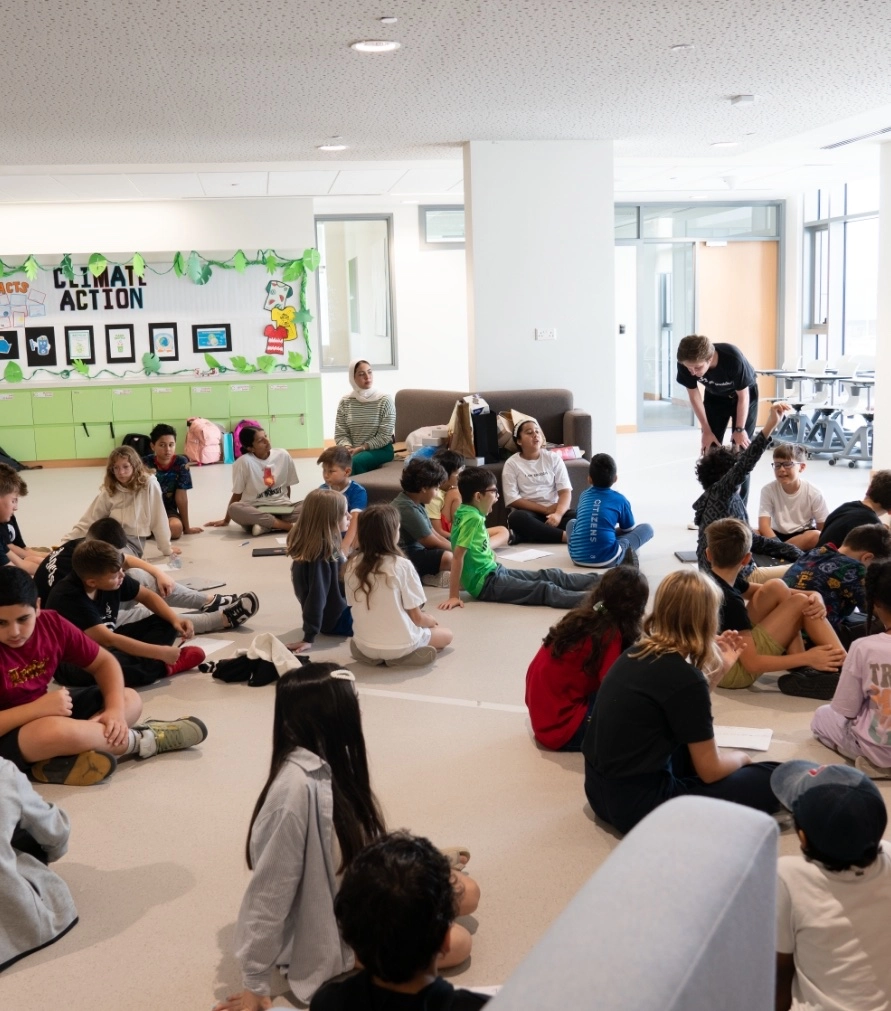
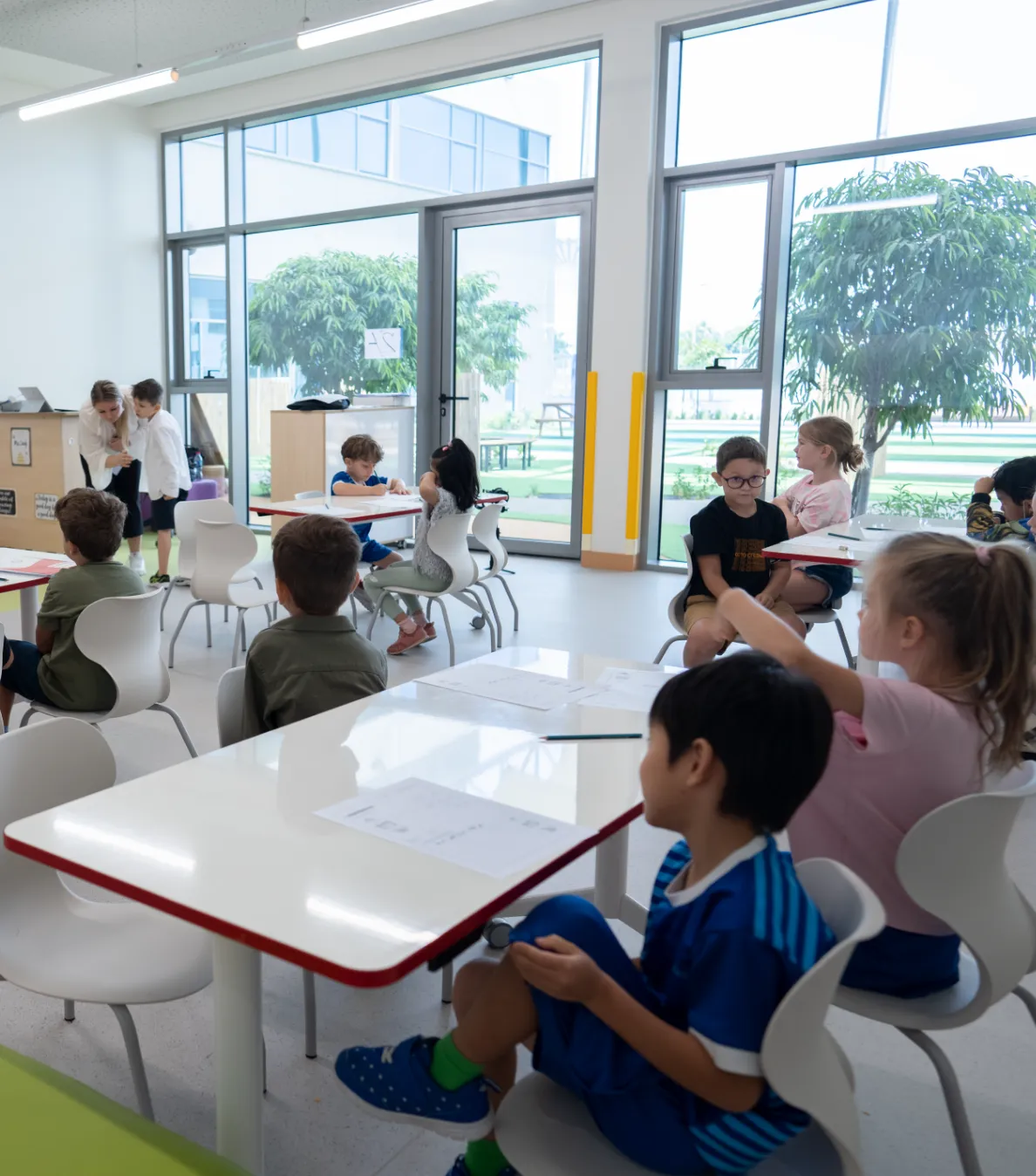
- Classroom interactions are a strong indicator. Look for learners actively participating, asking questions, and collaborating. Passive classrooms may signal limited engagement.
- Teacher behaviour also matters. Supportive, attentive, and organised teachers contribute to effective learning. Observe whether teachers interact positively with learners.
- Learner behaviour reflects school culture. Confident, respectful learners often indicate a supportive environment. Signs of disengagement or excessive rigidity may warrant further inquiry.
- Learning displays and learner work can reveal depth of understanding. Displays showcasing learner thinking, inquiry, and creativity suggest meaningful learning.
- Overall, the atmosphere should feel calm, structured, and welcoming. A balanced environment supports both discipline and creativity.
الخلاصة
School tours offer a valuable chance to look beyond marketing and experience the school firsthand. Asking thoughtful questions helps parents assess teaching quality, support systems, and culture more effectively.
Combining answers with careful observation allows for a more accurate assessment. Consistently asking the same questions across different schools also makes comparisons easier and more objective.
Ultimately, the right school is not defined only by reputation or facilities. It is the place where a child feels supported, challenged, and engaged. Asking the right questions during a school tour is one of the best ways to determine this.
Footer

From Nursery to Year 10
التسجيل
مفتوح الآن
يرجى تعبئة النموذج أدناه لمعرفة المزيد عن العام الدراسي 2025-2026.