مدرسة سيتيزنز














7 Checks Parents Must Make Before Choosing the Best British Primary School in Dubai (Key Stage 1 & 2 Guide)
“Why is the colour of the sky blue?”
“Why does February only have 28 days?”
You might have heard your toddlers ask these questions while making sense of the world. This is because the children’s perceptions of learning are shaped during the primary years. Curiosity, self-assurance, resilience, and a willingness to contribute to class discussions are among the habits that develop rapidly between the ages of five and eleven. These qualities have an impact on kids’ academic approaches for the next decade.
In Dubai, many parents prefer the British educational system. Schools that adhere to the UK National Curriculum framework are widely recognised for their well-defined academic standards, balanced learning, and clear academic benchmarks. However, picking the right school involves more than just picking a well-known curriculum label.
A formative stage is represented by Key Stages 1 and 2. From early reading and number recognition, children progress to deeper comprehension, reasoning, teamwork, and independent thought. According to the UK Department for Education, strong early literacy and numeracy foundations greatly enhance long-term academic outcomes.
Understanding what truly occurs in classrooms, how teachers instruct, how students interact, and whether the school environment fosters holistic development is frequently the deciding factor for parents in Dubai.
Understanding the British Primary Framework
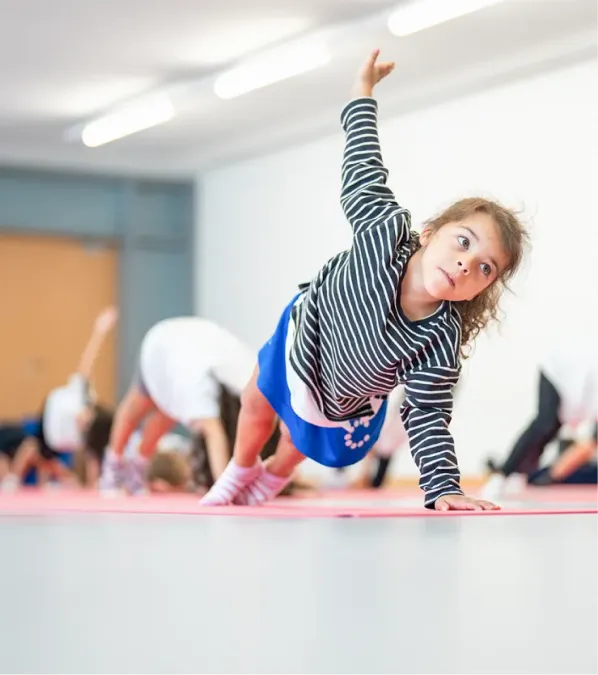
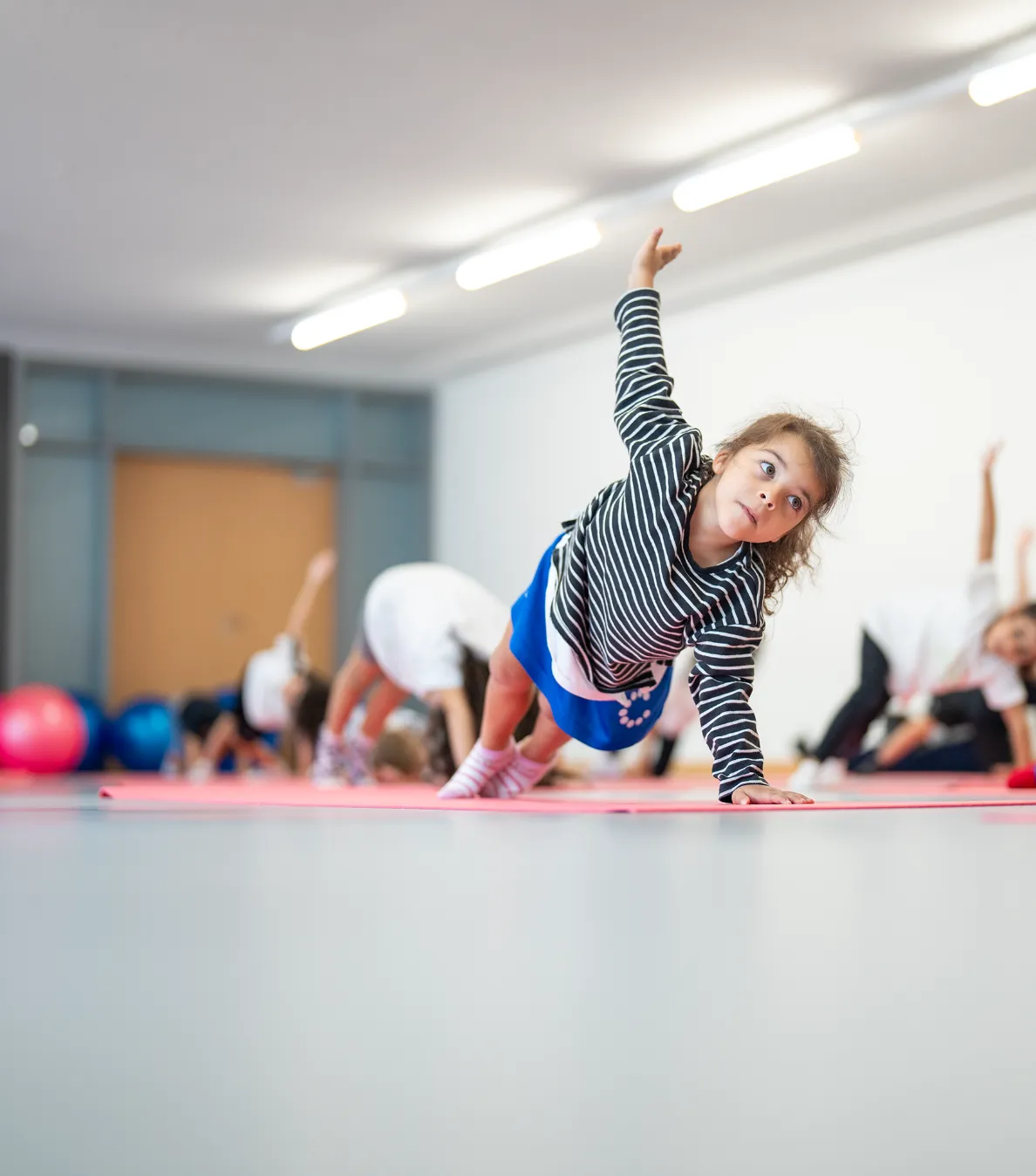
Balance is a key component of primary education in the British curriculum. In addition to academics, social development, physical activity, and creativity play equally important roles in the child’s growth. OECD research also suggests that involvement in organised extracurricular activities enhances emotional health and teamwork abilities.
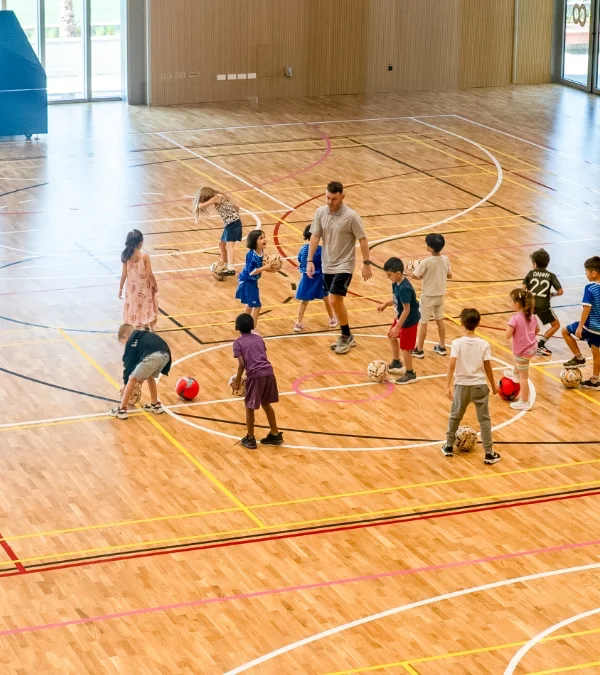
Children typically study English, mathematics, science, humanities, computing, arts, and physical education. Additionally, a lot of schools incorporate project-based learning, environmental education, and design thinking. Instead of rote learning, this multidisciplinary exposure enables students to link the concept to real world learning. For instance, while learning football, the students can easily learn the concept of force.
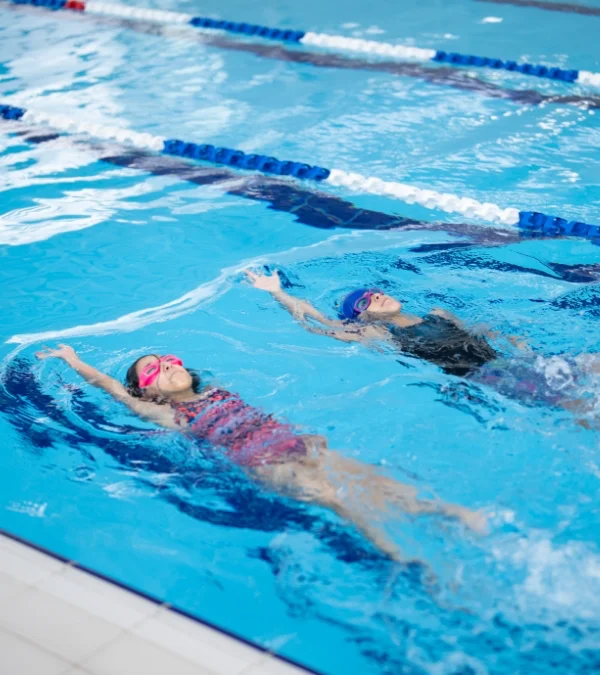
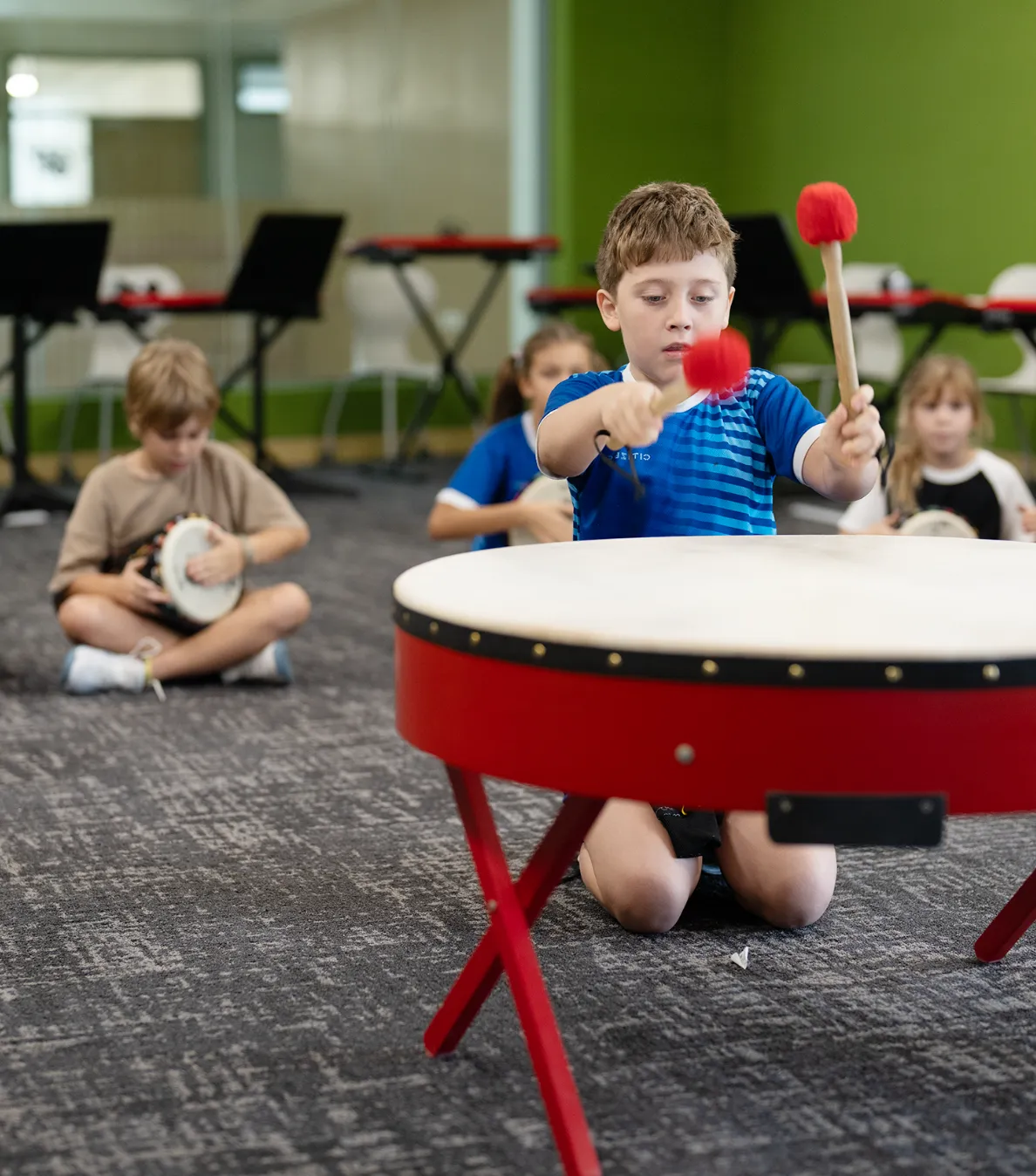
Extracurricular activities add another layer. Sports teams, music ensembles, robotics clubs, drama productions, and cultural events all contribute to confidence-building.
What Is Covered in Key Stage 1 (Ages 5–7)
Key Stage 1 is where foundational learning accelerates.
While still heavily depending on guided exploration, children progress beyond preschool readiness and start structured academic learning.
Important areas of focus include:
- Early literacy and phonics: Schools frequently use structured phonics frameworks that are in line with the UK’s approach to teaching reading.
- Writing development: Children start constructing sentences, communicating concepts, and picking up basic grammar.
- Early numeracy: It includes basic problem-solving, addition, subtraction, and number patterns.
- Social learning: This includes communication, sharing, teamwork, and classroom procedures.
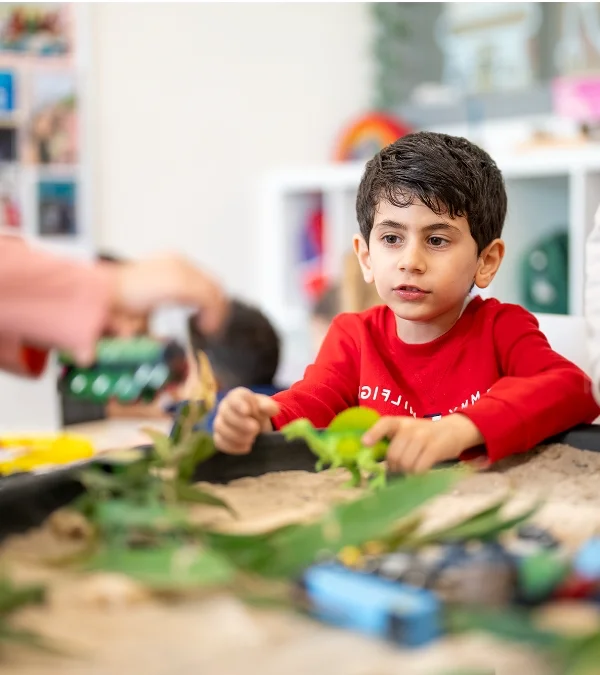
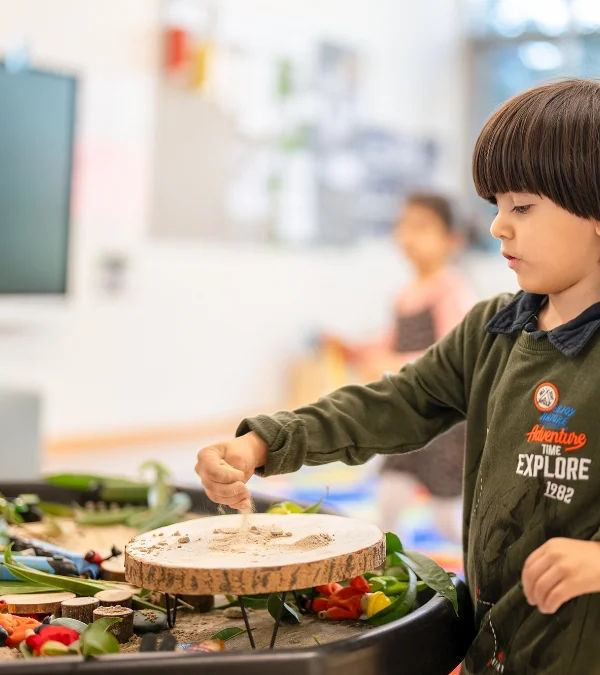
- Subject knowledge: Exposure to subjects includes science experiments, narratives, art, music, and basic humanities.
This stage also builds confidence. Teachers devote a lot of time to making students feel at ease enough to ask questions, share their thoughts, and engage with their peers.
What Changes in Key Stage 2 (Ages 7–11)
At Key Stage 2, the learning deepens. While academic standards are gradually raised, comprehension, rather than rote memorisation, remains the primary focus.
Students begin to demonstrate greater independence. Research tasks become more common. Teachers encourage children to justify answers, analyse information, and participate in group discussions.
Key developments include:
- Advanced reading and writing skills
- Multiplication, division, fractions, and reasoning in maths
- Science investigations and evidence-based explanations
- Geography and history projects
- Collaborative assignments and presentations
As Key Stage 2 progresses, students also start getting ready for official tests. Instead of just testing recall, these assessments gauge comprehension.
7 Key Factors That Define the Best British Primary Schools in Dubai
Selecting a British elementary school in Dubai can be very difficult. On paper, many schools use the same curriculum, but in practice, classroom experiences can vary greatly.
Before choosing a British primary school, parents should consider these seven crucial factors.
1. KHDA Ratings and Inspection Outcomes
Education in Dubai is regulated by the Knowledge and Human Development Authority. The KHDA conducts inspections that evaluate teaching quality, leadership, student outcomes, wellbeing, and school improvement.
Ratings range from:
- Outstanding
- Very Good
- Good
- Acceptable
- Weak
Inspection reports offer comprehensive information about student development, learning quality, and school culture in addition to exam results.
2. Quality of Teaching and Leadership
A strong curriculum is only effective when delivered by capable educators.
Parents should look for:
- Teachers trained in British pedagogy
- Continuous professional development (CPD)
- Stable leadership teams
- Clear academic vision
Schools with strong leadership tend to innovate more, respond to feedback faster, and maintain consistent teaching standards.
3. Literacy and Numeracy Outcomes
Early academic success often hinges on literacy and mathematics.
Top British schools prioritise:
- Structured phonics programmes
- Guided reading sessions
- Writing workshops
- Maths mastery frameworks
- Logical reasoning exercises
These approaches build deep conceptual understanding rather than surface-level knowledge.
4. Classroom Environment and Student Wellbeing
Young learners thrive in environments where they feel safe and supported.
High-quality schools typically offer:
- Pastoral care systems
- Special educational needs (SEN) support
- Emotional well-being programmes
- Inclusive classroom practices
According to UNICEF research, student well-being is closely tied to academic engagement and long-term success.
5. Facilities and Learning Resources
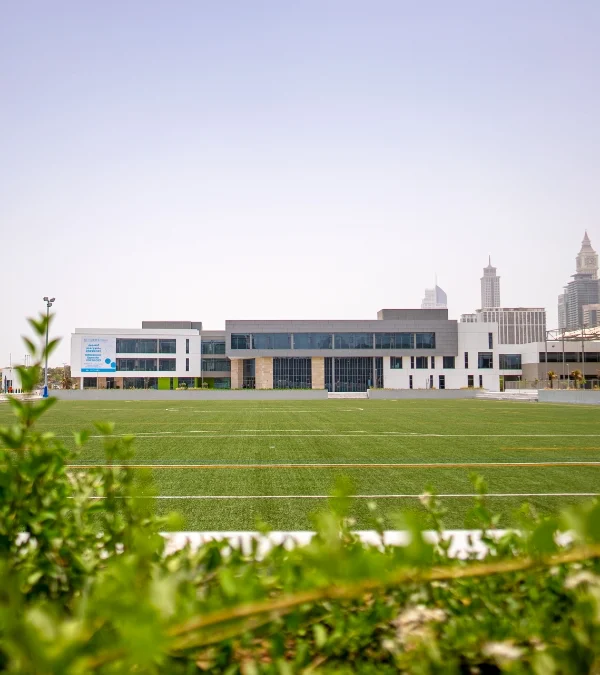
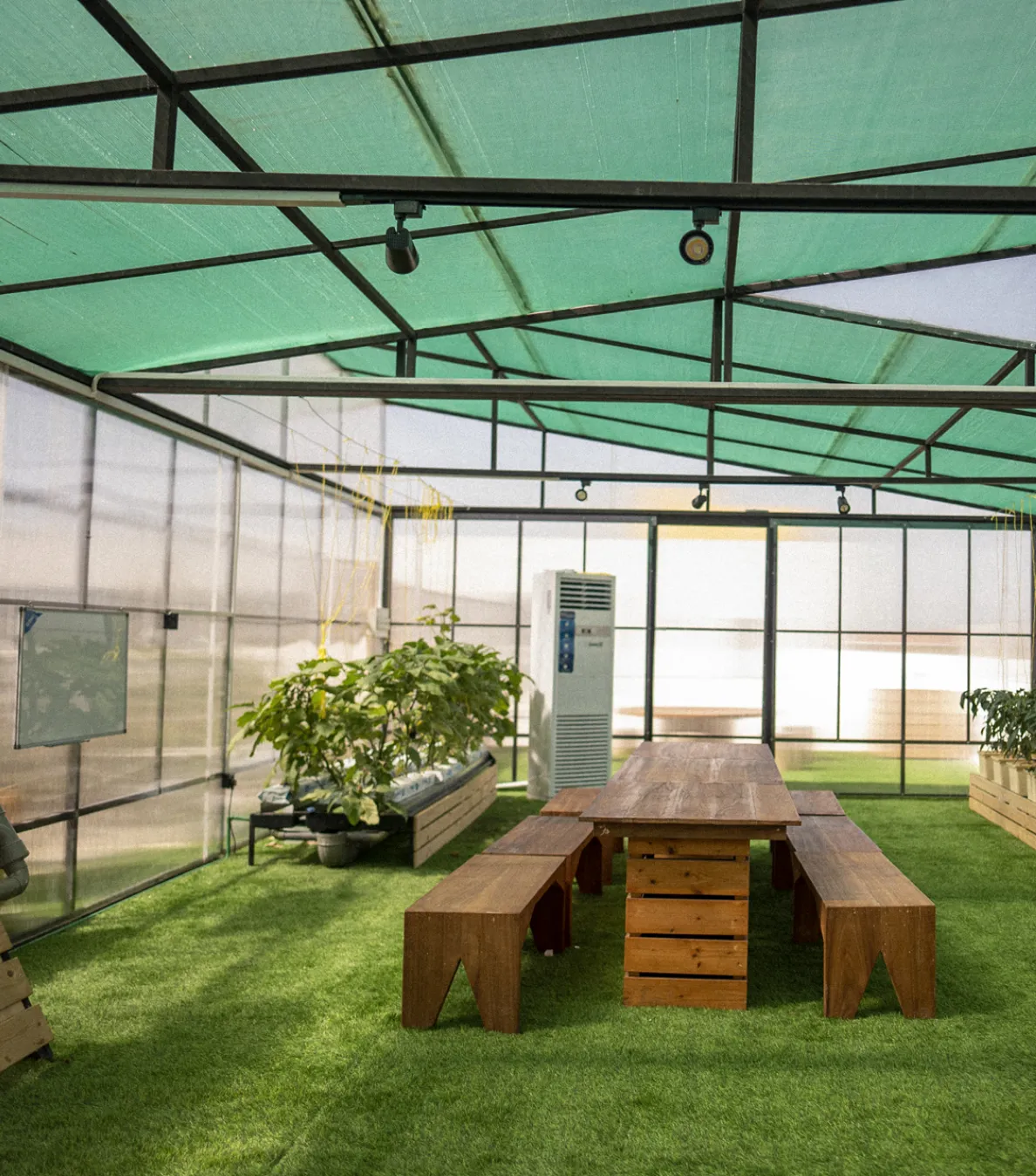
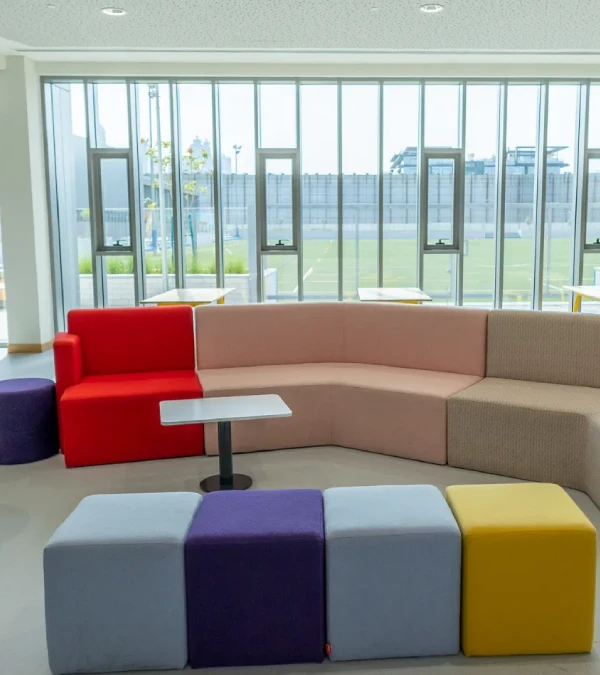
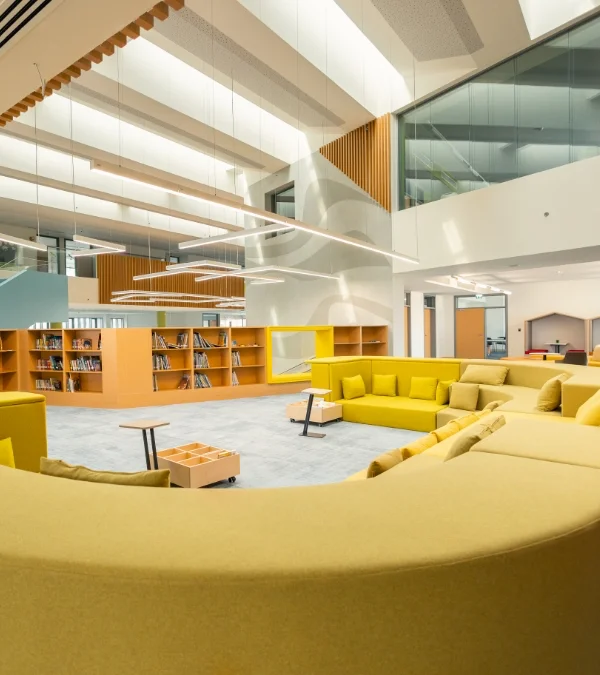
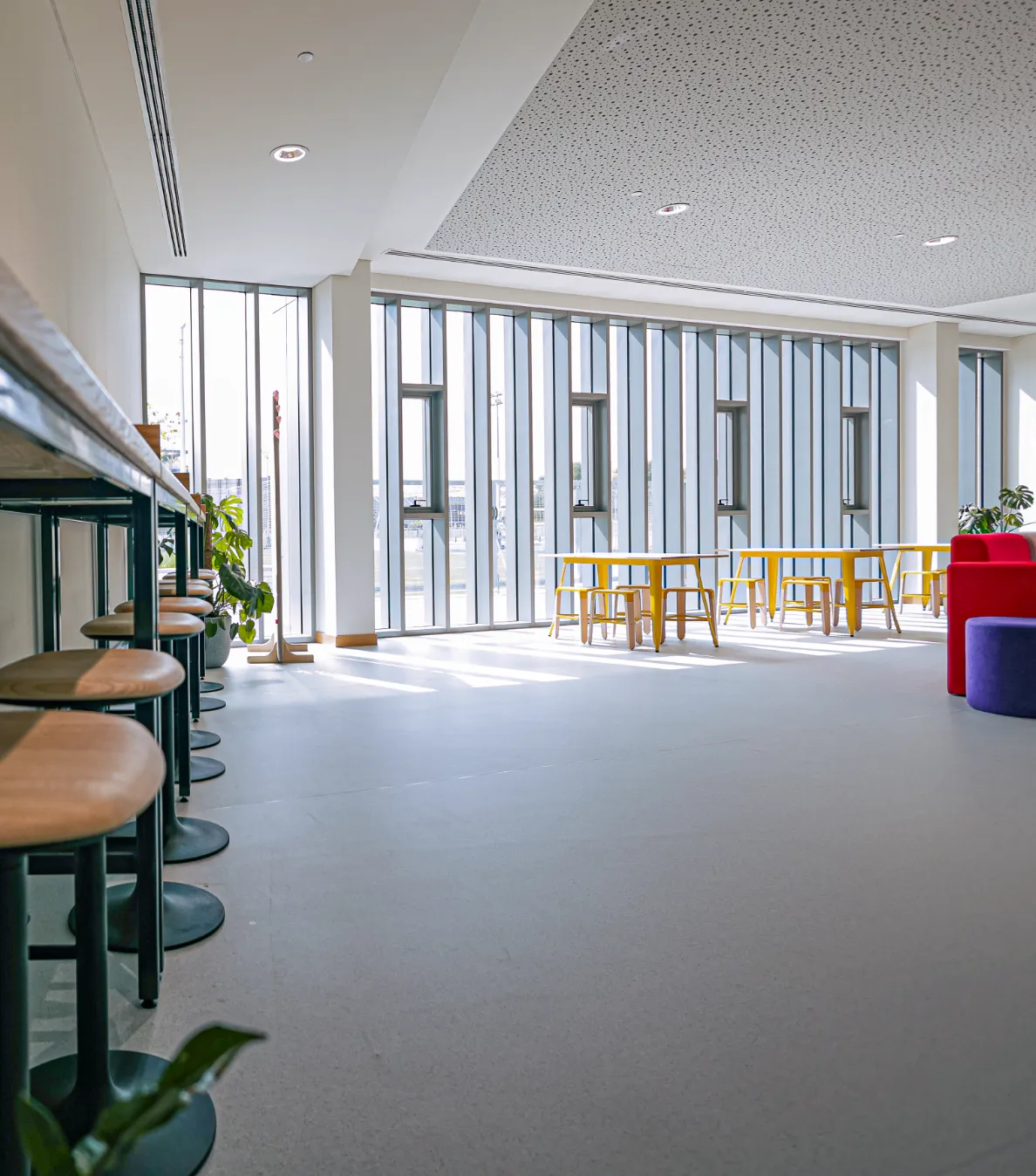
Infrastructure affects how learning happens. Well-equipped British primary schools often include:
- Libraries and reading corners
- STEAM or innovation labs
- Sports courts and playgrounds
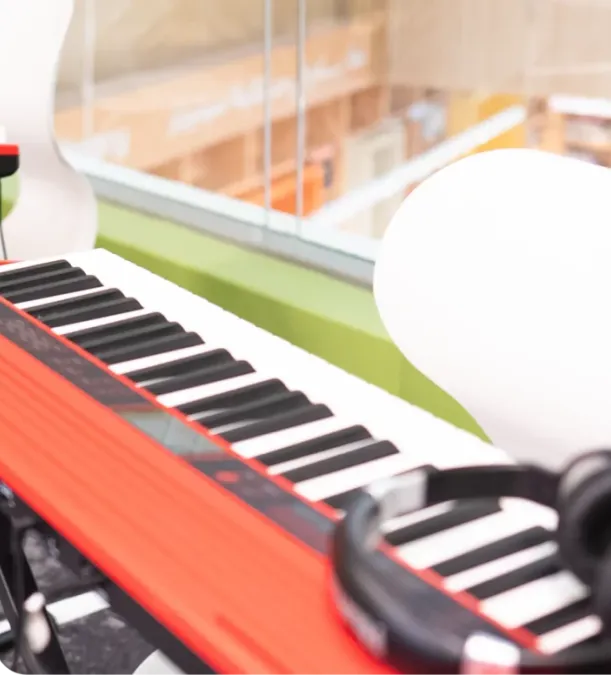
- Art and music studios
- Technology-enabled classrooms
These spaces encourage exploration and experiential learning.
6. Extracurricular and Enrichment Opportunities
Children develop many important skills outside the formal curriculum. Strong schools provide opportunities such as:
- Performing arts programmes
- Competitive and recreational sports
- Debate clubs and leadership councils
- Community service initiatives
- Educational field trips
Such experiences build confidence, teamwork, and leadership abilities.
7. Parent Engagement and Communication
Education works best when schools and families collaborate.
Effective schools maintain:
- Transparent reporting systems
- Regular parent-teacher conferences
- Workshops for parents
- Digital communication platforms
- Community events
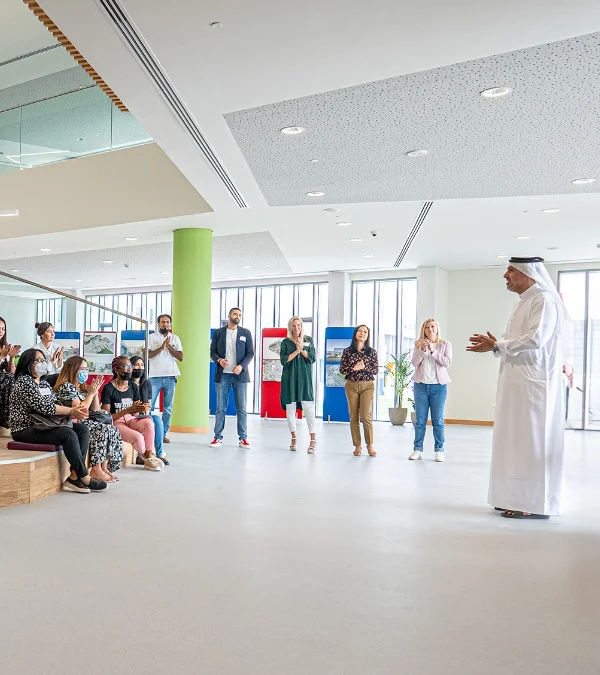
Parents remain informed not only about grades but also about progress, behaviour, and well-being.
How Parents Can Choose the Right British Primary School
Once parents understand curriculum structures and inspection ratings, choosing the right school becomes a far more personal decision. Many schools may follow the British curriculum and hold strong inspection ratings, yet their day-to-day learning experiences can feel very different.
The real question is not simply how well a school performs, but how learning feels for the child. A school’s culture, how teachers interact with students, how curiosity is encouraged, and how learners are supported often shape a child’s experience far more than rankings alone.
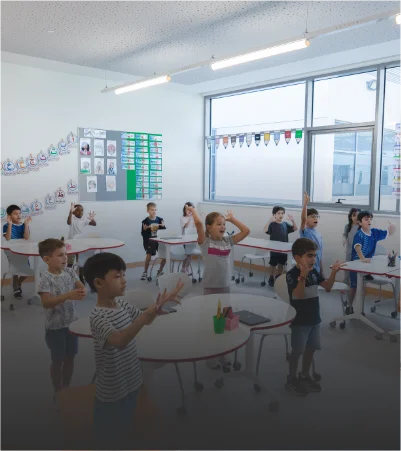
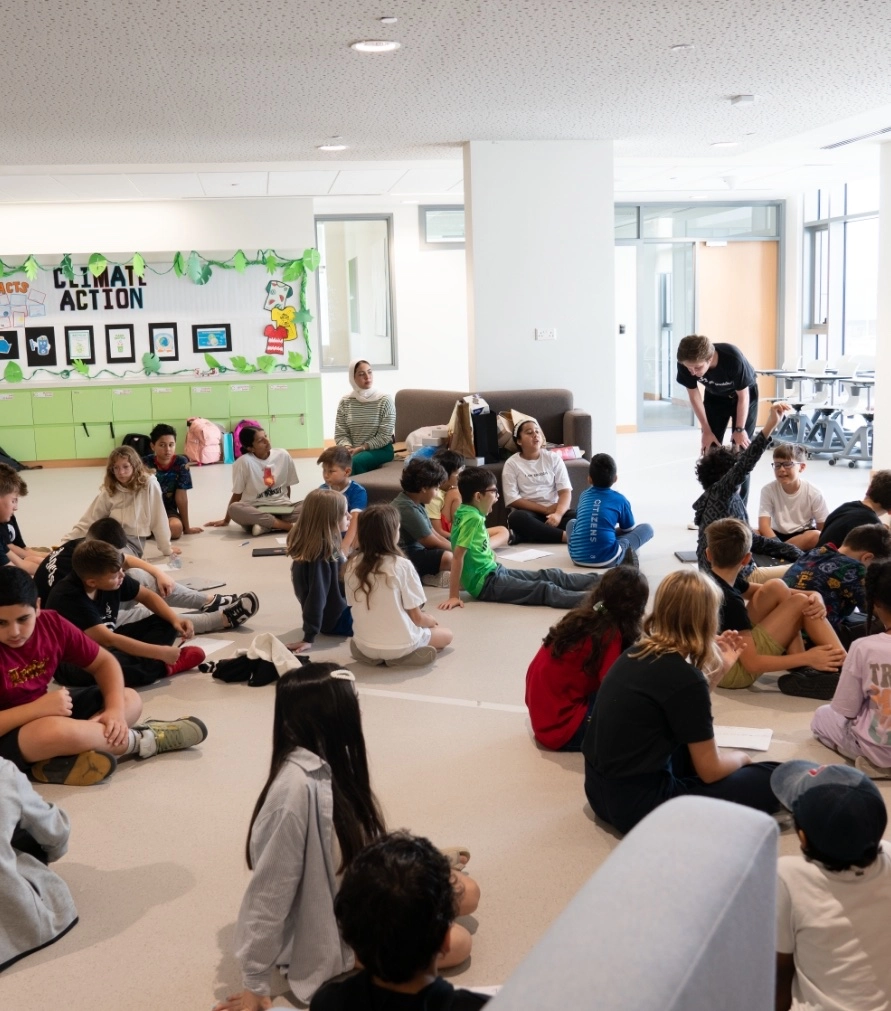
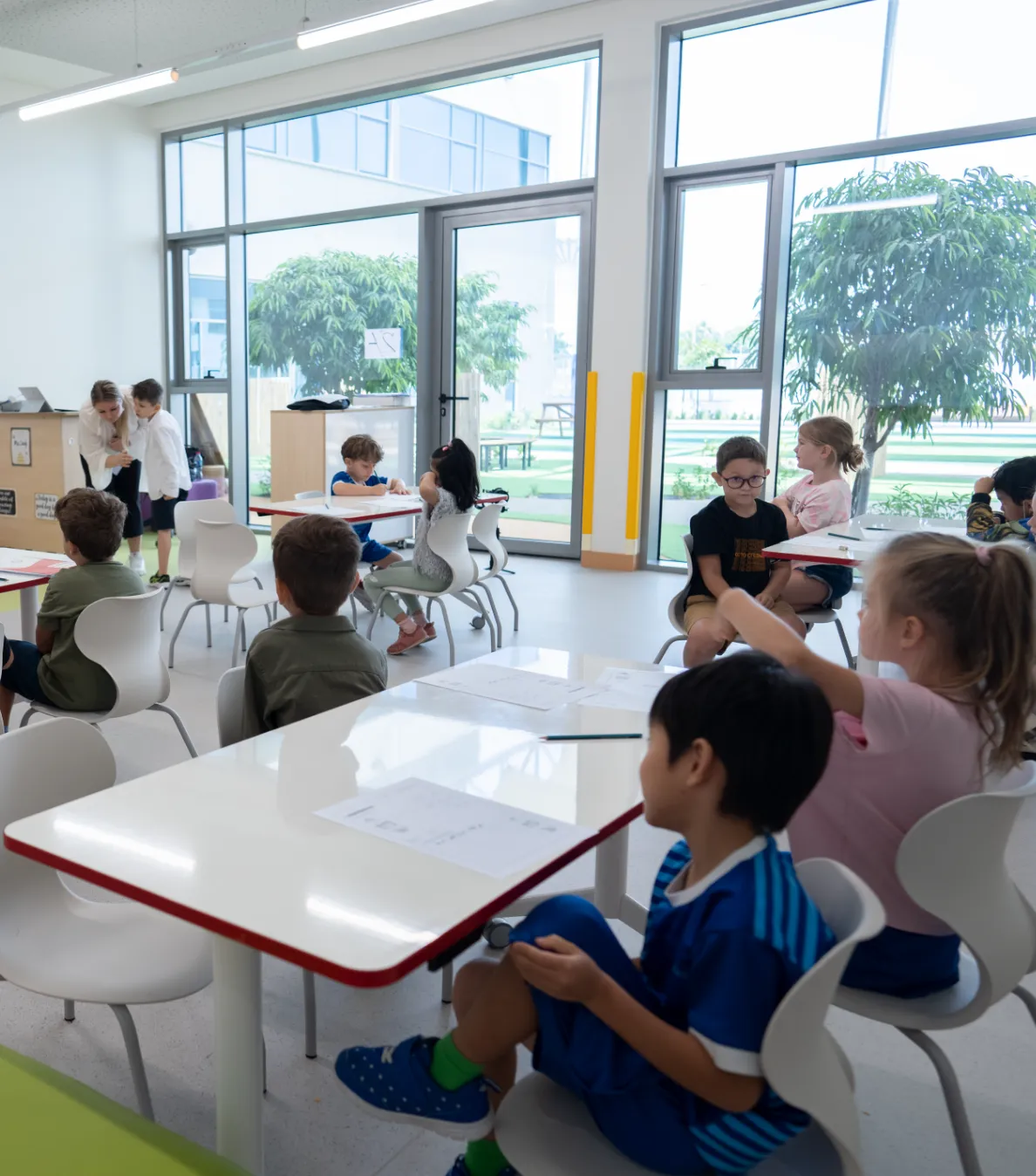
During school visits or conversations with educators, parents may find it helpful to look beyond facilities and academic results and observe how learning unfolds in practice. Small moments often reveal the most about a school’s environment, such as:
- The tone of teacher–student interactions, whether conversations feel supportive, respectful, and encouraging of questions
- Student engagement in the classroom, whether learners appear curious, involved in discussion, or simply completing tasks quietly
- Evidence of student thinking and creativity displayed in corridors and classrooms, reflecting exploration rather than only finished work
- Opportunities for collaboration, where children work together, share ideas, and learn from one another
- The overall energy of the learning space, which often feels active and purposeful rather than rigid or overly controlled
These observations can help parents understand whether the environment supports their child’s personality and learning style. Some children thrive in highly structured settings, while others feel more motivated in spaces that encourage inquiry, discussion, and experimentation.
Practical considerations also remain important, particularly for younger learners whose daily routines strongly influence their well-being. Families often reflect on factors such as:
- travel time and the rhythm of the daily commute
- school hours and schedule flexibility
- enrichment opportunities beyond the classroom
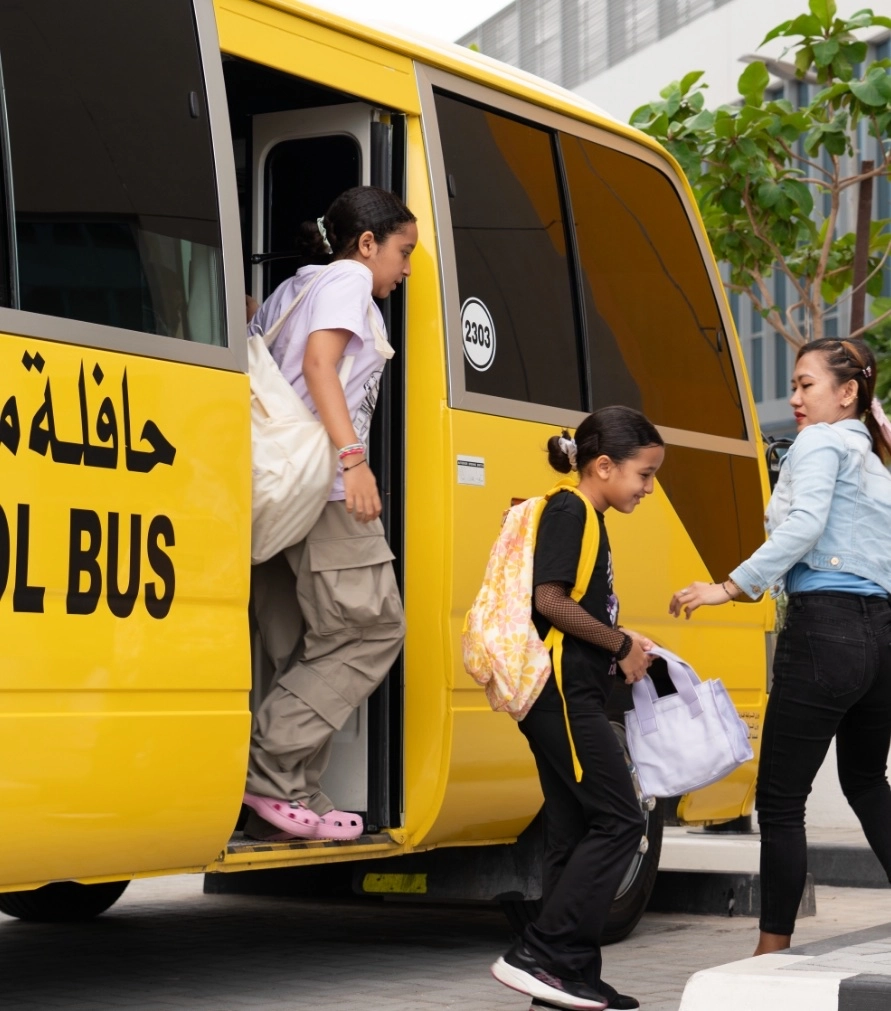
- transportation options
- long-term affordability
When both school culture and family logistics align, the experience tends to feel smoother for everyone involved. More importantly, children are more likely to see school not simply as a place they attend each day, but as an environment where they feel confident, supported, and inspired to learn.
Conclusion: Choosing the Right Start for Long-Term Success
Learning habits really start in elementary school. Structure, curiosity, and fundamental skills are introduced in Key Stage 1. Key Stage 2 fosters self-reliance, logic, and academic assurance.
For clarity:
- Key Stage 1: Ages 5–7 (Years 1–2)
- Key Stage 2: Ages 7–11 (Years 3–6)
A strong British primary school balances academics with emotional development, creativity, and collaboration. High inspection ratings are useful indicators, but culture and teaching quality matter even more.
Parents who spend time understanding classrooms, leadership, and student experiences usually make more confident choices. Ultimately, the best school is the one where children feel supported, challenged, and excited to learn every day.
Those early years quietly shape future academic journeys and often lifelong attitudes toward learning.
Footer

From Nursery to Year 10
التسجيل
مفتوح الآن
يرجى تعبئة النموذج أدناه لمعرفة المزيد عن العام الدراسي 2025-2026.