مدرسة سيتيزنز




















School Fees in Dubai: 7 Costs Every Parent Must Consider Before Choosing a British or International School
In Dubai, one of the most significant long-term investments families make is education. The Emirate has developed into a global centre for education over the last ten years, offering British, IB, American, Indian, and other international curricula for a population of expatriates and travellers.
Tuition costs are the first consideration for many parents when narrowing down their list of schools. The annual tuition amount, however, is merely one element of the whole educational ecosystem. Today’s schools offer future-ready pathways, technology integration, wellness initiatives, structured academics, and enrichment opportunities, all of which add to the overall cost structure.
According to the Knowledge and Human Development Authority (KHDA), over 220 private schools in Dubai served over 387,000 students in FY25. This indicates a consistent increase in enrolment and rising parental demand for top-notch international education.
Thoughtful financial planning guarantees that families can select schools with confidence, without sacrificing continuity or their child’s ability to learn.
Tuition Fees Explained: What You’re Paying For
Tuition fees in Dubai vary depending on curriculum, school reputation, facilities, and year group.
Typical FY 26-27 annual fee ranges include:
Primary School (Foundation Stage to Year 6):
- British Curriculum Schools: AED 35,000 – AED 70,000+
- IB Curriculum Schools: AED 45,000 – AED 80,000+
- American Curriculum Schools: AED 40,000 – AED 75,000+
Secondary School (Year 7 onwards):
- British Curriculum Schools: AED 50,000 – AED 90,000+
- IB Curriculum Schools: AED 70,000 – AED 120,000+
- American Curriculum Schools: AED 55,000 – AED 100,000+
Fees generally increase as students progress to higher grades due to:
- Subject specialisation
- Laboratory and resource requirements
- Examination preparation
- Lower student-teacher ratios in senior years
Fees often increase in the secondary years as schools provide subject specialists, expanded academic facilities, and additional resources required for examinations and advanced coursework.
Note: Tuition fees are always subject to KHDA approvals and may vary depending on things like school location, KHDA ratings, services, etc.
What Tuition Typically Includes and Excludes
Standard tuition fees usually cover:
- Core academic instruction aligned with curriculum standards
- Classroom teaching resources and learning materials
- Access to school facilities during instructional hours
- Routine academic assessments
- Standard co-curricular exposure integrated within school time
Many schools now embed interdisciplinary learning, performing arts exposure, and physical education within the curriculum itself rather than treating them as optional extras.
What Tuition Fees May Not Include
In most schools, certain services and experiences are billed separately from standard tuition. These may include:
- School transportation
- Uniforms and personal learning devices
- External examination fees
- Optional after-school clubs and enrichment programmes
- Educational trips and residential experiences
Understanding both what is included and what may be charged separately helps families evaluate the overall cost of schooling, rather than focusing on tuition alone.
Fee Regulation and Approval
Dubai maintains structured oversight through the Knowledge and Human Development Authority. KHDA regulates:
- Annual fee increases
- Transparency in school fee structures
- Alignment between school performance ratings and permissible fee revisions
Schools rated Outstanding or Very Good may qualify for controlled fee adjustments under the Education Cost Index framework.
7 Additional Costs Parents Should Budget For
A child’s school experience naturally goes beyond classroom instruction, even though tuition fees constitute the primary investment. Many of the academic, artistic, and developmental opportunities offered by Dubai’s modern schools fall outside the purview of regular tuition plans.
Parents can avoid mid-year financial surprises and make realistic plans by being aware of these additional expenses early on. More significantly, it enables families to assess the actual worth of the educational experience instead of concentrating solely on headline costs.
The seven frequently disregarded but crucial cost areas are listed below.
1. Registration and Admission Fees
Initial enrolment typically includes:
- Application processing fees
- Assessment charges
- One-time admission deposits
These deposits are often adjustable against first-term tuition upon confirmation of admission.
2. Uniforms and School Supplies
Most Dubai schools follow branded uniform policies.
Parents should account for:
- Daily uniforms and sports kits
- Seasonal replacements as children grow
- Shoes, bags, and activity-specific attire
- Books, stationery, and learning materials
- Digital classroom resources
Uniform updates across academic years are common, particularly during primary growth stages.
3. Transportation Fees
School transport offers convenience and regulated safety standards.
Costs depend on:
- Distance from campus
- Bus route allocation
- Transport provider services
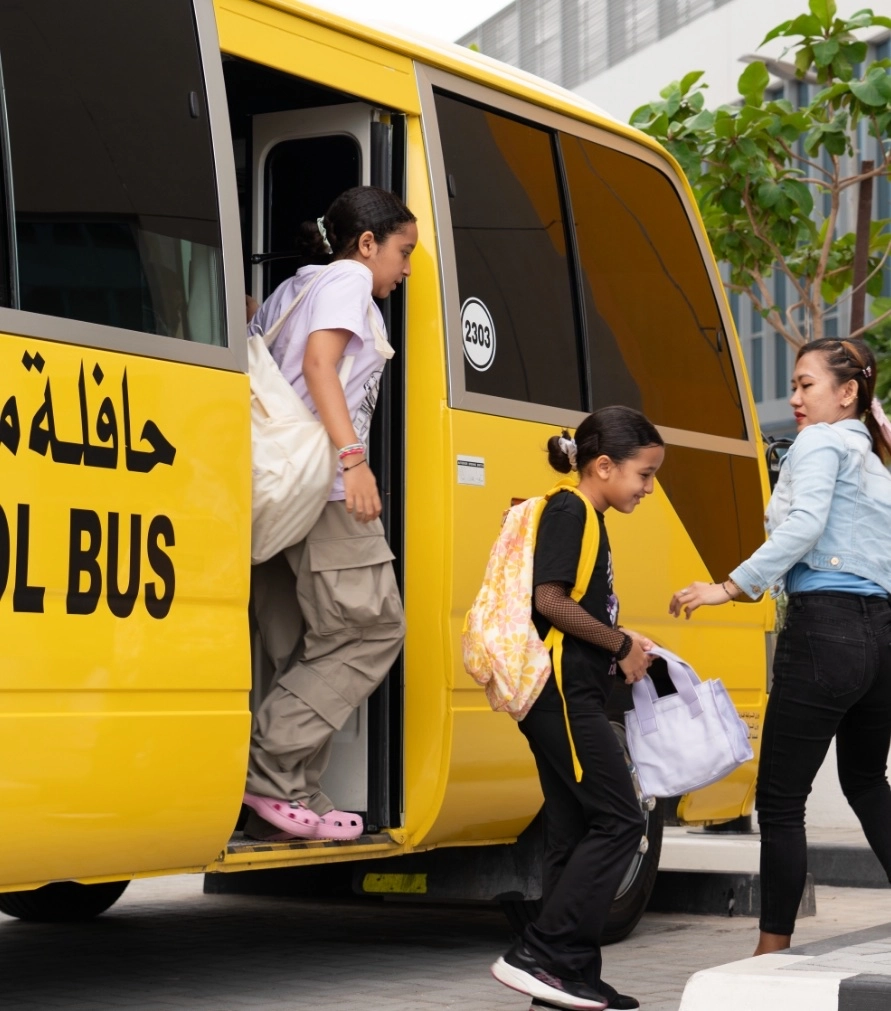
Dubai school buses operate under guidelines set by the Roads and Transport Authority (RTA), ensuring safety compliance and supervision standards.
4. Extracurricular Activities
Extracurricular engagement supports holistic development, though some programmes may involve additional fees.
These may include:
- Competitive sports academies
- Robotics or STEM clubs
- Music certifications or specialised coaching
- External performances and competitions
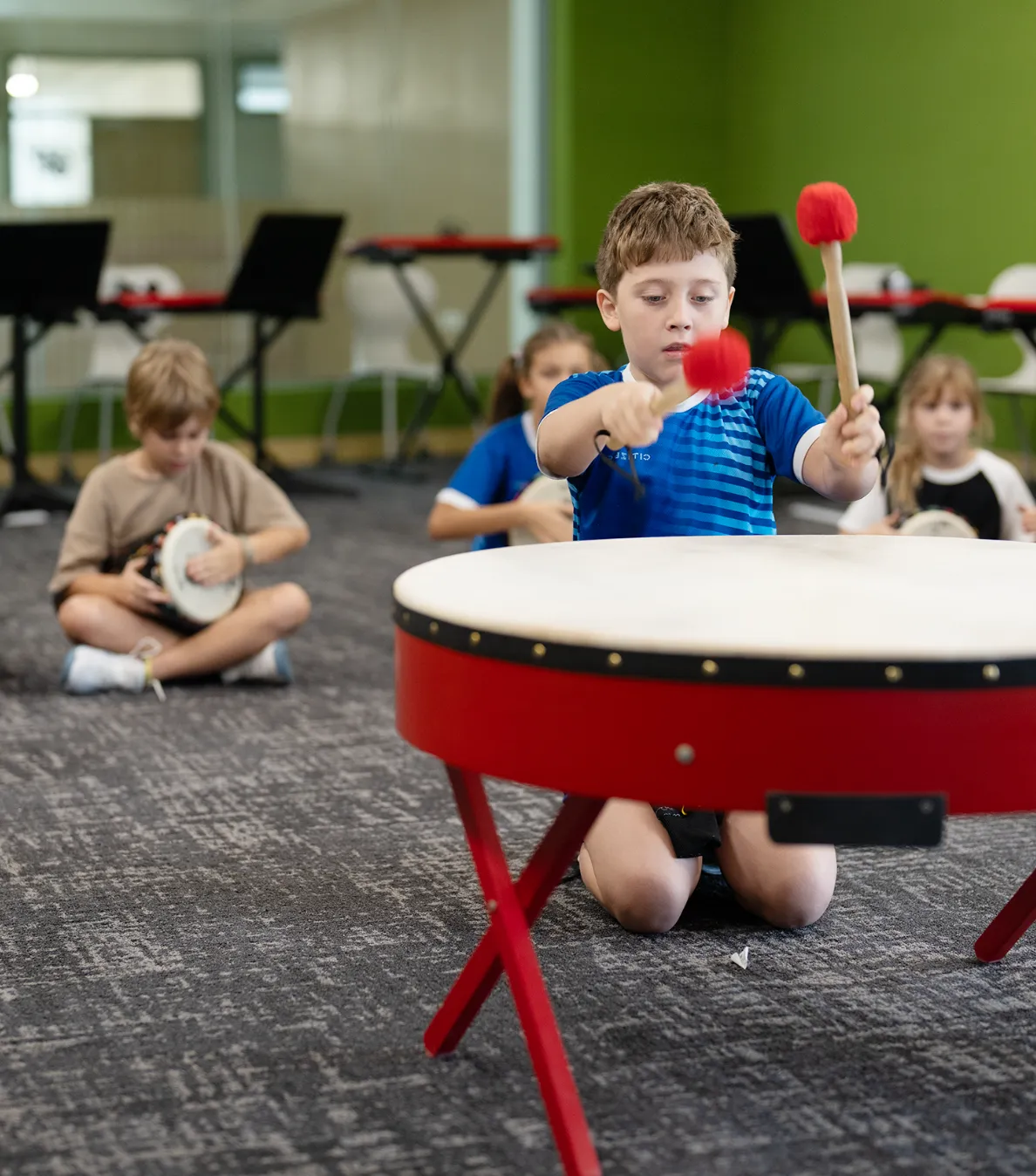
In several progressive schools, performing arts, sports, and creative expression are embedded into the curriculum itself and do not incur additional charges during regular school hours. Optional external showcases or competitive events may carry separate participation costs.
5. Field Trips and Experiential Learning
Experiential education forms an important part of modern schooling.
Costs may arise from:
- Local educational excursions
- Museum and cultural visits
- Environmental programmes
- Residential camps or international learning trips
Such experiences enhance applied learning and social independence.
6. Technology and Device Costs
Digital learning environments are now standard across international schools. Parents may need to budget for:
- Laptops or tablets (particularly from upper primary onwards)
- Learning platform subscriptions
- Software licences
- Device insurance or maintenance
Technology integration supports research skills, collaboration, and digital literacy, competencies increasingly prioritised globally.
7. Examination and Certification Fees
External assessments in secondary years typically involve separate registration charges.
Examples include:
- Cambridge Assessment International Education IGCSE examinations
- International Baccalaureate Organization Diploma Programme assessments
- A-Level certifications or Advanced Placement exams
These fees cover examination administration and internationally recognised certification.
How Parents Can Evaluate Value Beyond Fees
In Dubai, school fees can differ significantly, sometimes by tens of thousands of dirhams per year. However, paying more does not always result in a better educational experience. What matters more is how effectively a school converts investment into meaningful learning outcomes, student well-being, and future readiness.
Parents gain from evaluating a school’s overall value ecosystem rather than just its price.
A. Comparing Facilities, Faculty, and Learning Outcomes
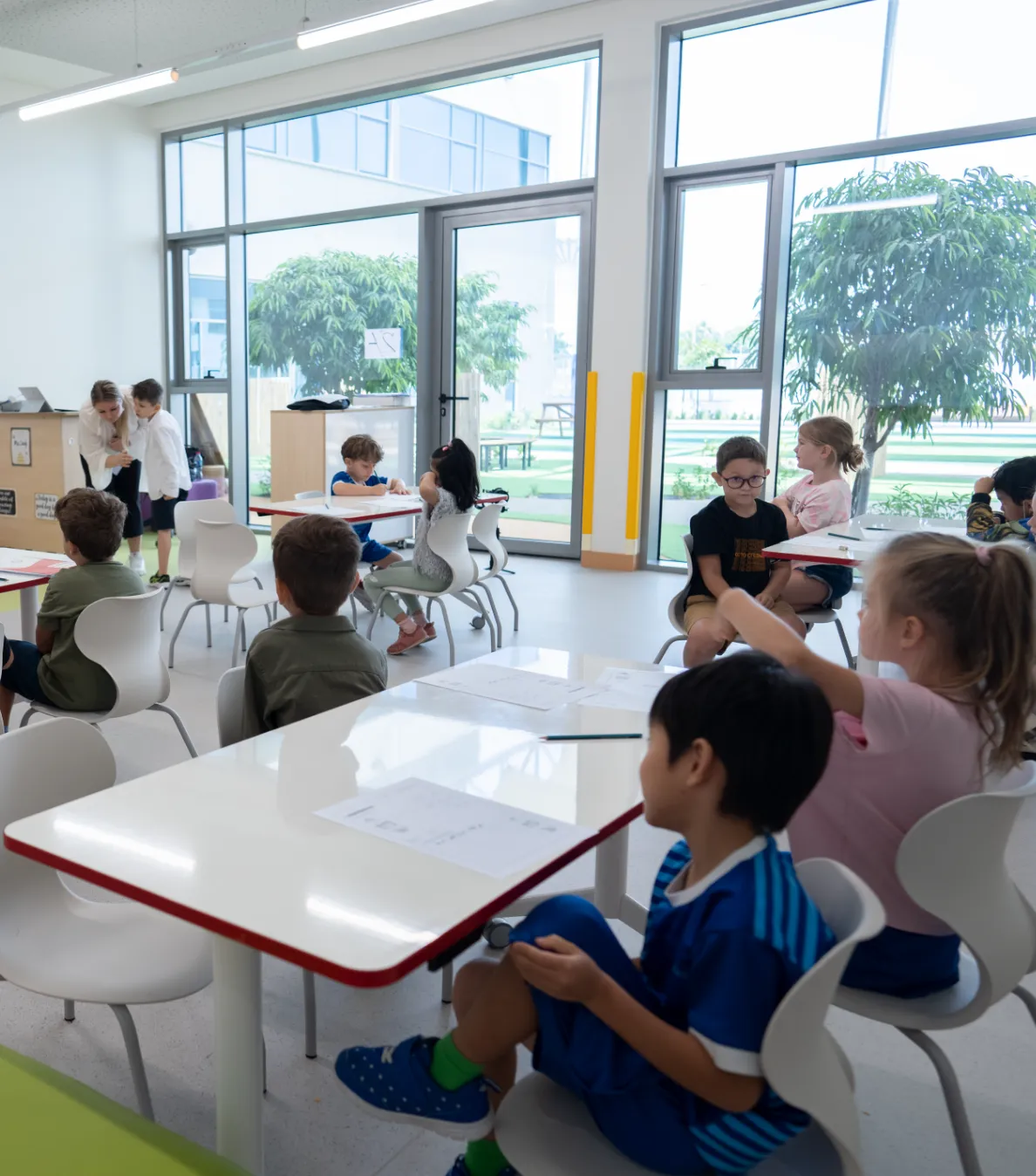
While impressive buildings are important, they do not define the quality of education. How facilities are used to improve learning is the true question.
Beyond brochures, parents should think about:
- Learning environments and classroom design
- Innovation labs, libraries, and sports infrastructure
- Teacher qualifications and curriculum expertise
- Evidence of strong literacy and numeracy outcomes
High-quality teaching often has a greater impact than infrastructure alone.
B. Student Support and Wellbeing Services
Education today extends beyond academics. Emotional security, inclusion, and personalised support directly influence how well children learn. Parents should assess whether schools provide:
- Counselling services
- Inclusion and SEN support programmes
- Pastoral care systems
- Emotional well-being initiatives
Research from OECD highlights that student well-being strongly correlates with academic persistence and engagement.
C. Future Pathways and University Preparation
A school’s value becomes clearer when viewed through a long-term lens. Parents should consider how effectively the institution prepares learners for higher education and evolving career landscapes. Key indicators include:
- Academic progression results
- Career and university counselling
- Internship or leadership opportunities
- Global university placements
Schools preparing students for adaptability often deliver stronger post-school success indicators.
D. Fee Transparency and Payment Flexibility
Financial clarity is an often underestimated aspect of school value. Transparent fee structures allow families to plan sustainably across multiple academic years. Parents should review:
- Detailed fee breakdowns beyond tuition
- Instalment payment schedules
- Sibling discounts or loyalty benefits
- Scholarship or merit-based support options
- Policies around refunds, withdrawals, and annual fee revisions
KHDA regulations require approved fee adjustments to align with school performance and inspection outcomes, ensuring structured oversight across Dubai’s education sector.
Conclusion: Planning Smartly for Long-Term Educational Investment
Choosing a school in Dubai isn’t just about tuition costs; it’s about understanding the full educational journey and evaluating genuine value.
When families approach school selection, they should have an admission process checklist for holistically, considering tuition, additional costs, facilities, teaching quality, and student support, they make confident decisions that align with their values and budget.
The best school isn’t always the most expensive. It’s the one where your child feels supported, challenged, and inspired and where your investment translates into genuine academic growth, wellbeing, and future readiness.
Footer

From Nursery to Year 10
التسجيل
مفتوح الآن
يرجى تعبئة النموذج أدناه لمعرفة المزيد عن العام الدراسي 2025-2026.