



“If school fees are higher, does that mean the education is better?”
It’s a question almost every parent asks at some point during their school search in Dubai.
When comparing schools, it’s easy to assume that a bigger fee means better teachers, better opportunities, and better outcomes. But after looking at a few campuses, many families realise the answer isn’t quite that simple.
Some schools invest heavily in facilities. Others prioritise personalised learning, wellbeing support, or future-focused programmes. And while these investments often influence fees, they don’t all deliver value in the same way for every child.
The truth is, choosing a school isn’t about finding the most expensive option. It’s about understanding what you’re paying for and whether those investments genuinely support your child’s growth, happiness, and long-term development.
So before looking at the fee structure alone, it’s worth asking a different question: What does value in education actually look like?
Here are seven factors that often influence school fees in Dubai and what parents should really be evaluating when comparing schools.
7 Things Parents Pay for at the Best Dubai Schools
Here are the things that the best schools in Dubai usually include in the fee:
1. A Great School Experience Goes Beyond Report Cards
When parents compare schools, academic results are often the first thing they look at. But think about it: children spend thousands of hours at school. Their experience is shaped by much more than what happens during a maths or science lesson.
A school’s value often lies in the things that don’t appear on a report card:
- Student wellbeing and pastoral care
- Co-curricular activities and enrichment opportunities
- Learning support services
- Teacher and peer relationships
- School culture and sense of belonging
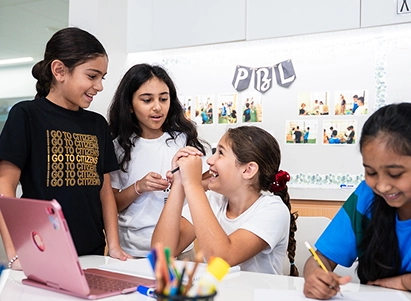
These elements influence how children feel about learning, how confidently they participate, and how they develop as individuals.
The strongest schools don’t focus solely on academic achievement. They invest in helping children grow socially, emotionally, and personally alongside their academic progress.
2. Great Teachers Matter More Than Facilities
A shiny campus can make a strong first impression. But once the school tour is over, it’s the teachers who shape your child’s experience every day.
The quality of teaching often has a far greater impact on learning than any facility or piece of technology.
Schools that prioritise teaching excellence typically invest in:
- Recruiting experienced educators
- Ongoing professional development
- Strong mentor-learner relationships
- Personalised classroom support
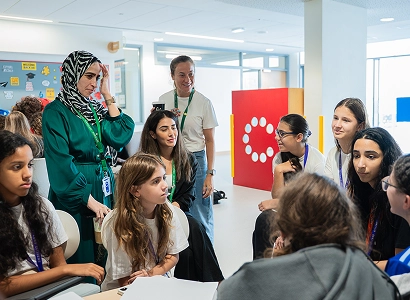
Great teachers do more than deliver lessons. They recognise when a child is struggling, challenge them when they’re ready to grow, and create an environment where they feel confident asking questions.
When evaluating a school, pay close attention to the people in the classrooms rather than the buildings around them.
3. Personalised Attention Often Starts with Smaller Class Sizes
Have you ever wondered why some children seem truly known at school while others can easily blend into the background?
One factor is the level of individual attention a school can provide.
Smaller class sizes and lower teacher-to-student ratios often create more opportunities for:
- Personalised feedback
- Early identification of learning needs
- Meaningful mentor-learner relationships
- Differentiated learning support
This requires additional teaching staff, specialists, and resources, which can contribute to higher school fees.
For many families, however, the value lies in knowing their child is seen as an individual rather than simply another student in the classroom. When educators understand a child’s strengths, challenges, and learning style, support can become far more effective.
4. Some of the Most Valuable Support Happens Behind the Scenes
Not everything that shapes a child’s school experience is visible during a campus tour.
The counsellor who helps a learner navigate a difficult transition. The learning support specialist who provides targeted interventions. The mentor who notices when something feels off. These systems often work quietly in the background, but their impact can be significant.
Many schools invest in:
- Counsellors and wellbeing specialists
- Inclusion and learning support teams
- Pastoral care programmes
- Safeguarding systems
- Transition support for new learners
These services require dedicated expertise and ongoing investment, but they play an important role in helping children feel supported, safe, and ready to learn.
For parents, this is a reminder that some of a school’s most meaningful investments aren’t always the easiest to see, but they are often among the most important.
5. Future-Ready Learning Doesn’t Happen by Accident
The world children are growing up in looks very different from the one their parents entered. Success today requires more than subject knowledge alone.
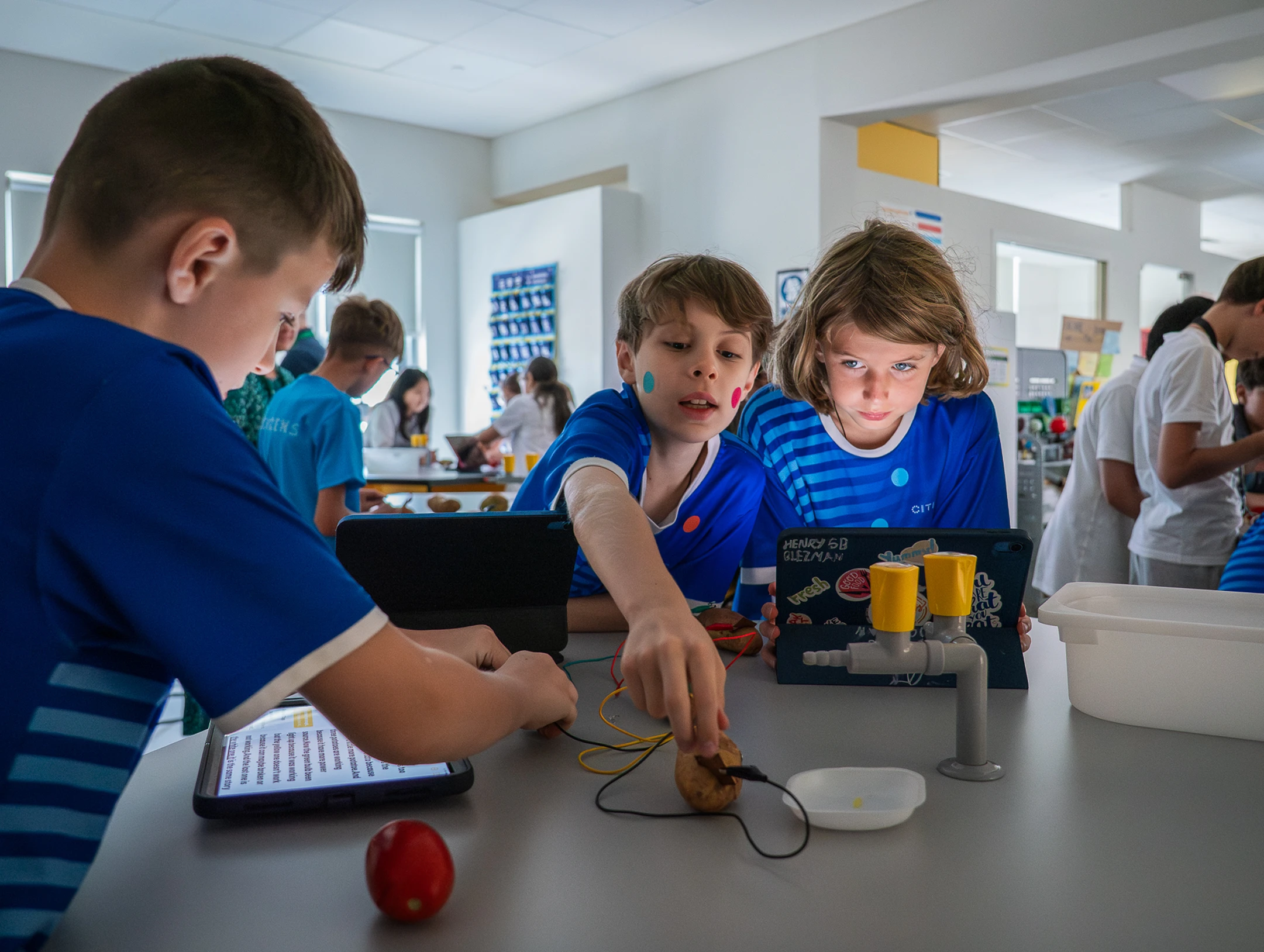
That’s why many schools are investing in experiences that help learners apply what they know in meaningful ways.
These may include:
- Project-based learning
- Entrepreneurship programmes
- Design thinking challenges
- Digital literacy and emerging technologies
- Real-world problem-solving opportunities
Creating these experiences often requires specialist training, resources, and curriculum design, which can influence school fees.
The goal isn’t simply to teach information. It’s to help learners develop skills such as critical thinking, creativity, collaboration, and adaptability, capabilities that will remain valuable regardless of how industries evolve.
6. Facilities Matter Most When They’re Used Well
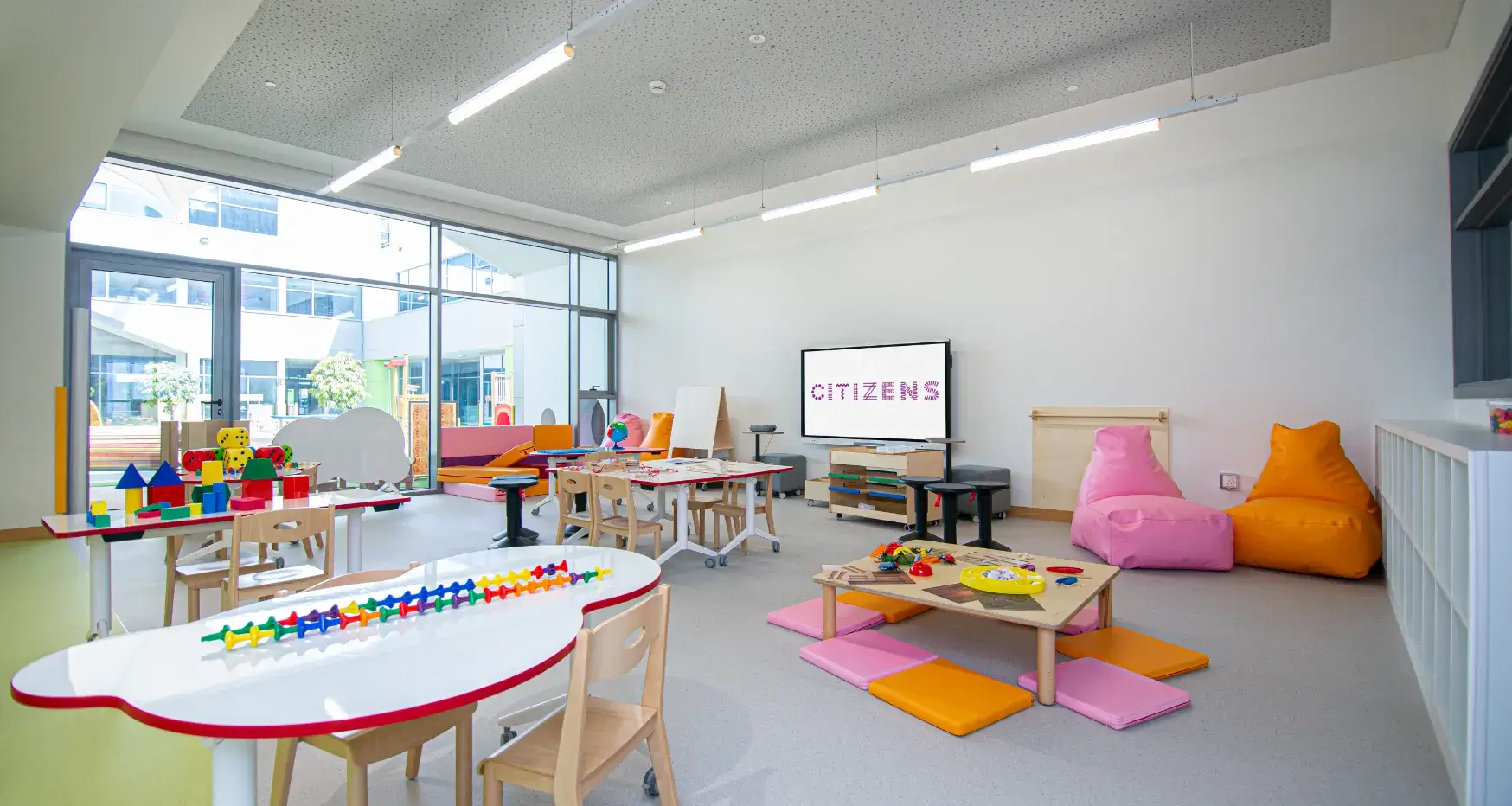
A cutting-edge innovation lab or impressive sports complex can certainly catch a parent’s attention. But the real question isn’t what a school has; it’s how learners use it.
Facilities add value when they actively support learning, exploration, and personal development.
Examples include:
- Makerspaces and innovation labs
- Specialist science and technology spaces
- Sports and fitness facilities
- Performing arts venues
- Outdoor learning environments
However, impressive infrastructure alone doesn’t guarantee a meaningful learner experience.
Parents should look beyond appearances and ask:
- How often are these spaces used?
- Which programmes are built around them?
- What opportunities do they create for learners?
The most effective facilities are not showcase features. They’re spaces that children engage with regularly to explore interests, build skills, and deepen their learning.
7. The Most Important Question: Is the School the Right Fit for Your Child?
Here’s something many parents realise after visiting several schools: the “best” school on paper isn’t always the best school for their child.
A school may have outstanding ratings, premium facilities, and impressive results, but if the environment doesn’t suit your child’s personality, learning style, or interests, the fit may never feel quite right.
When evaluating a school, consider:
- Your child’s learning preferences
- The school’s culture and values
- Opportunities that align with their interests and strengths
- Your family’s priorities and expectations
- Long-term educational goals
Some children thrive in highly structured environments. Others flourish when given more flexibility, creativity, or personalised support.
Ultimately, value isn’t determined by the fee structure. It’s determined by how well a school helps your child feel engaged, supported, and motivated to learn.
What Parents Should Compare Beyond School Fees
It’s easy to compare schools by annual tuition fees. It’s much harder, and far more important, to compare the experiences children will have every day.
A meaningful comparison should look beyond cost and focus on factors that directly influence a child’s development, including:
- Teaching quality and learner outcomes
- Student wellbeing and pastoral care
- Learning support services
- Opportunities for creativity and innovation
- Leadership and enrichment programmes
- Parent-school communication
- School culture and community
- Additional costs beyond tuition
Two schools with similar fees can offer very different experiences. Likewise, a higher-priced school may not necessarily provide greater value for every learner.
The goal isn’t to find the cheapest or most expensive option. It’s to understand what each school prioritises and whether those priorities align with what matters most to your child and family.
Conclusion
At the end of the day, school fees tell you what a school costs. They don’t necessarily tell you what a child experiences there.
A higher fee may reflect investments in exceptional teachers, personalised support, wellbeing programmes, innovative learning opportunities, or specialist facilities. But those features only matter if they align with what your child needs to thrive.
That’s why the most important question isn’t “Is this school worth the money?” It’s “Is this school worth it for my child?”
The right school is rarely defined by rankings, facilities, or price alone. It’s the place where a child feels supported, challenged, understood, and excited to learn.
When parents shift the conversation from cost to value, the decision often becomes much clearer. Because the best educational investment isn’t necessarily the most expensive one, it’s the one that helps your child grow into a confident, capable, and happy learner.
Want to know more? Reach out to us today.