



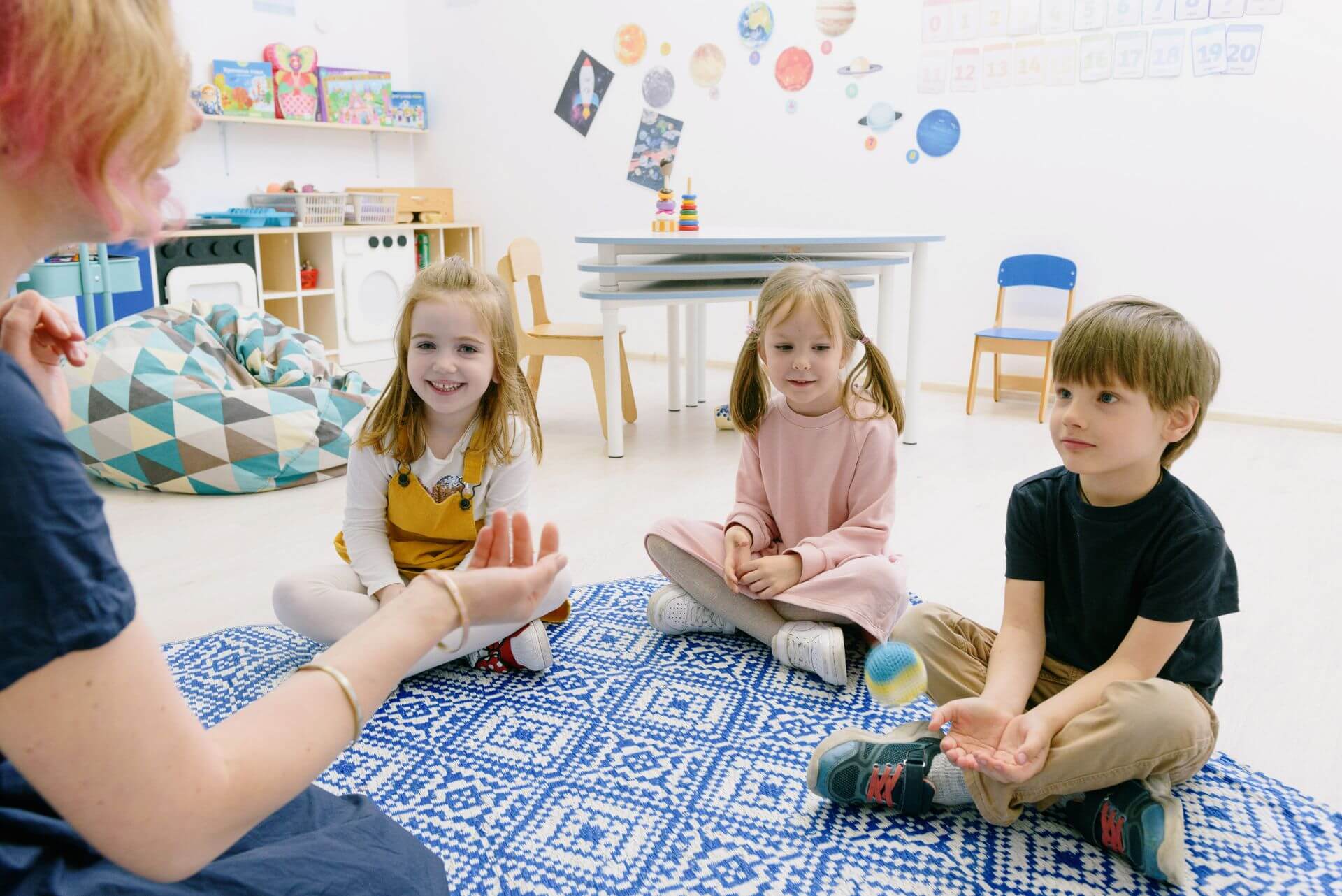
For many children, nursery is their first experience of being part of a learning community and being among their peers. In Dubai, parents have plenty of options, from EYFS and Montessori settings to play-based and Reggio-inspired environments. That choice can feel overwhelming.
But finding the best nursery isn’t really the goal. The better question is: which nursery feels right for your child?
Think beyond fees and facilities. Look at how children are treated, how they learn through play, how independence is encouraged, and whether the environment feels safe, warm and engaging.
This checklist covers the key questions to ask before you decide.
1. Is the Nursery Licensed, Safe and Well Managed?
Parents should verify that the nursery is officially licensed by the KHDA and follows clear safeguarding procedures. Look at practical details such as secure entry and authorised collection, staff supervision, first-aid provision and emergency procedures.
The physical environment matters too. Classrooms, bathrooms, play areas and outdoor spaces should be clean, well maintained and designed with young children in mind.
Don’t hesitate to ask how the nursery handles accidents, illness, emergencies or safeguarding concerns.
2. Do the Practical Details Work for Your Family?
Think about the everyday logistics: location, commute, opening and closing times, full- or half-day options, holidays and transport. For working parents, even a small mismatch in timings can become a daily headache.
Look beyond the headline fee, too. Ask what is included and whether there are additional charges for meals, activities, transport or other services. Check availability early and understand the nursery’s flexibility around your family’s schedule.
The best choice needs to work on an ordinary Tuesday, not just on a school-tour day.
3. Look Beyond the Curriculum: How Do Children Actually Learn?
An EYFS, Montessori or Reggio-inspired label tells you something, but what children actually do during the day tells you much more.
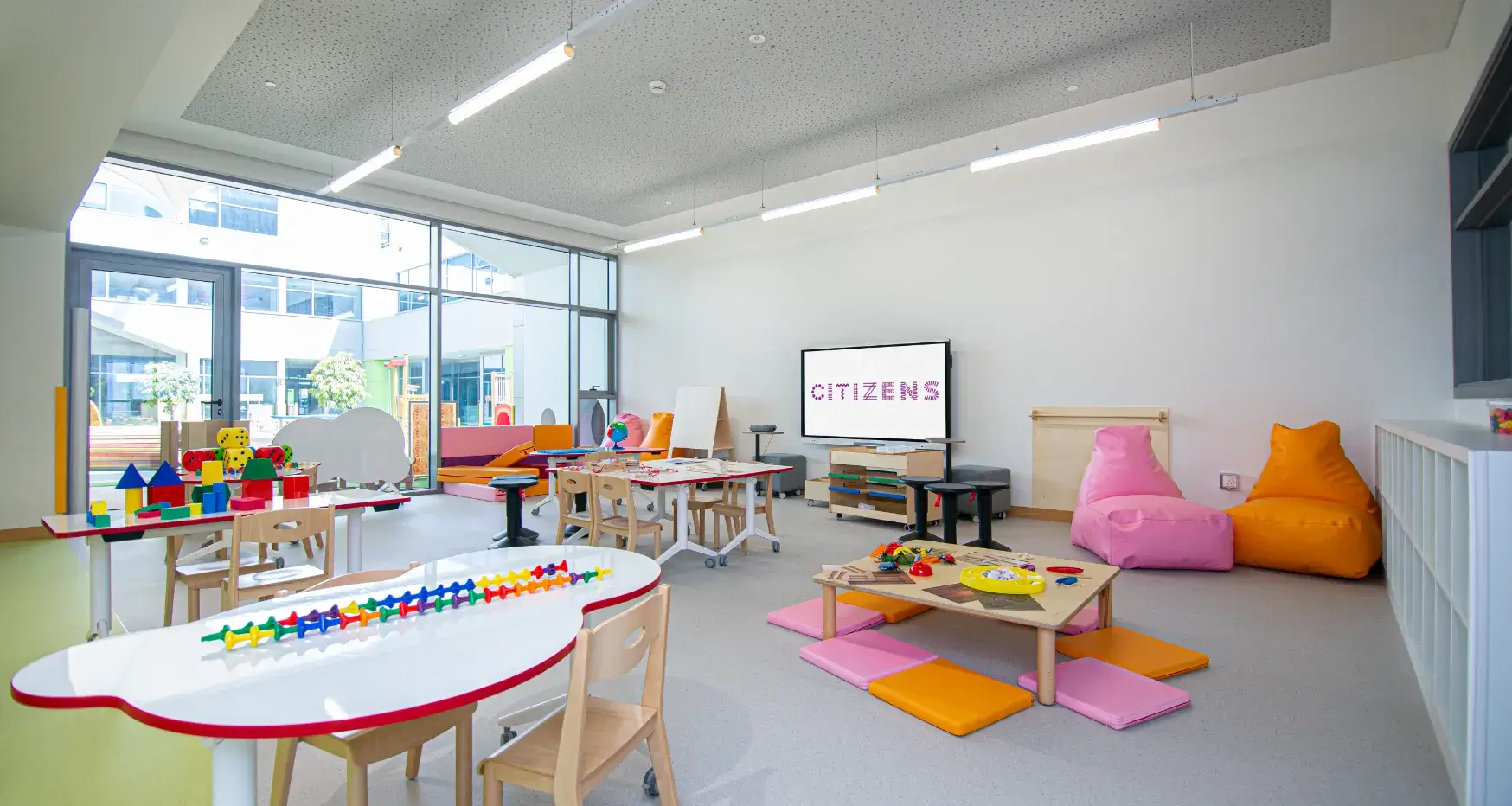
Look at how the curriculum comes to life. Are children encouraged to choose, question, create and explore, alongside taking part in adult-guided activities? Are books, toys and learning materials accessible enough for children to use independently? Is there space for sensory and creative play, movement, quiet time and rest?
Outdoor learning matters, too. Ask how often children use the space and what they do there. A good outdoor environment can support physical development, social interaction, discovery and connection with nature, not simply provide a break from the classroom.
The strongest early-learning environments bring these elements together to support the whole child: language, physical development, curiosity, confidence, social skills and emotional wellbeing.
4. Watch the Educators: How Do They Interact With Children?
At nursery age, relationships are part of the learning experience. Watch the adults as closely as you watch the classrooms.
Notice how educators speak to children. Do they listen patiently, respond to questions and get down to the child’s level? When a child becomes upset, are they met with warmth and reassurance?
Ask about educator qualifications, early-years experience, adult-to-child ratios and staff continuity. Frequent staff changes can affect a young child’s sense of security, so it’s worth understanding how the nursery supports consistency.
The strongest early-years environments don’t simply supervise children. Their educators notice, listen, encourage and respond.
5. How Will the Nursery Support Your Child’s Wellbeing?
Starting nursery can bring excitement, but it can also bring tears, separation anxiety and unfamiliar routines.
Ask how the nursery manages settling-in, particularly during the first few days and weeks. How are children supported when they miss home? What happens when a child becomes overwhelmed or needs some quiet time?
Also discuss nap and rest routines, food and allergies, illness procedures and how parents are informed about wellbeing concerns.
A secure child is better placed to participate and explore. Emotional wellbeing is therefore not separate from learning; it is one of its foundations.
6. Which Nursery Fits Your Child Best?
Think about your child’s temperament, interests, confidence and developmental stage. Do they enjoy structured activities or open-ended play? Are they naturally independent, or do they need more reassurance? What kind of environment helps them feel comfortable enough to explore?
Consider any individual support your child may need, as well as your family’s longer-term school plans.
Reputation matters, but fit matters more. The right nursery should complement how your child learns, plays and connects with others.
7. Visit the Nursery Before You Enrol
Pictures and websites can tell you what a nursery wants you to see. A visit tells you much more.
Watch the children rather than focusing only on the tour. Do they seem relaxed and engaged? Are educators attentive and approachable? Can children access toys and learning materials independently?
Notice the atmosphere, too. Does it feel calm and welcoming, or overly controlled? Can you ask questions openly? Most importantly, can you picture your child feeling comfortable there?
Try to observe what happens when nobody is performing for the tour. That is often where the real nursery experience becomes visible.
8. How Does the Nursery Work With Parents?
Your relationship with the nursery shouldn’t end at drop-off.
Ask how often parents receive updates, which communication channels are used and how educators share observations about a child’s development.
Find out how parent concerns are handled and whether there are opportunities to meet educators or participate in the wider nursery community.
Good parent communication is not reserved for problems. Parents should have a clear sense of what their child is enjoying, where they are developing and how they can support learning at home.
9. Think Beyond Nursery: What Foundations Will Your Child Build?
Nursery doesn’t make your child/toddler academically “ahead”. It builds foundations that will serve them well later.
A quality early-years experience should help children become more independent, communicate confidently, build relationships, solve simple problems and stay curious about the world around them.
Look for opportunities to develop self-help skills, creativity, collaboration and decision-making through everyday experiences rather than excessive academic pressure.
Ask how the nursery prepares children for their next stage of education while allowing them to enjoy being young.
10. Your Final Dubai Nursery Checklist
Before making a decision, step back and ask:
☐ Is the nursery properly licensed and safe?
☐ Does my child appear comfortable there?
☐ Are educators warm, responsive and appropriately qualified?
☐ Does the learning approach suit my child’s personality?
☐ Is there enough play, exploration and outdoor time?
☐ Are safeguarding and wellbeing taken seriously?
☐ Is communication with parents clear and consistent?
☐ Do the location and timings work for our family?
☐ Does the overall cost fit our budget?
☐ Can I genuinely picture my child becoming confident and curious here?
This turns a potentially overwhelming nursery search into a much simpler question: Does this environment work for my child and our family?
Citizens School: What Does a Strong Early Learning Environment Look Like?
At Citizens School, early learning is designed around more than preparing children for the next classroom. Citizens Nursery welcomes children from 3 months to 3 years, on the same campus as the rest of the school. This means one drop-off for families with older siblings and a familiar seamless transition into FS when the time comes.
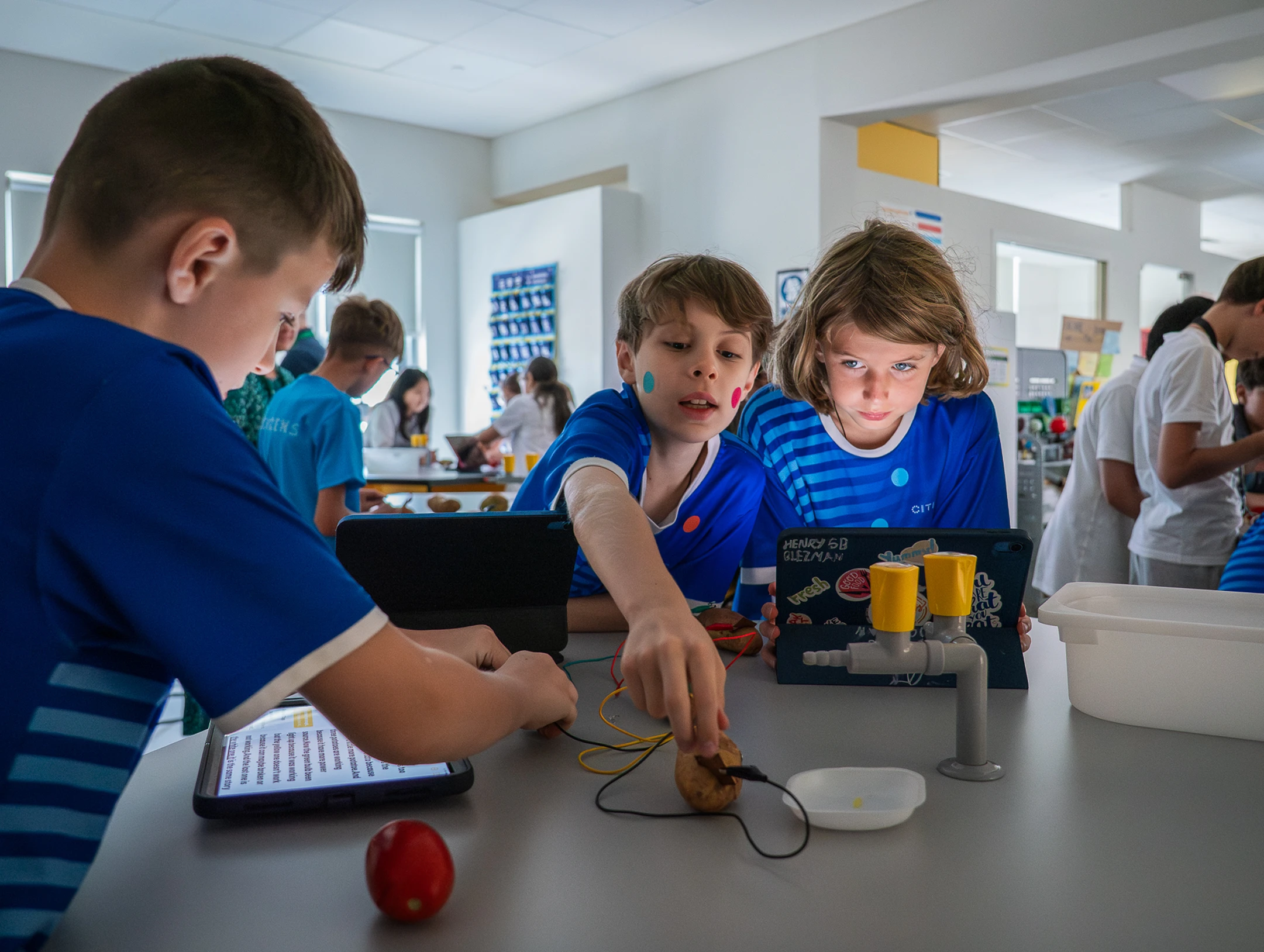
Days are built around play, exploration, discovery and sensory, hands-on experiences supporting. Independence is built gradually, giving children opportunities to make choices, express themselves and become increasingly confident in their abilities, while supported by qualified nursery mentors.
The approach also reflects Citizens wider whole-child philosophy. Early learning is not treated as a race towards academic milestones. Instead, children are given space to develop socially, emotionally, physically and cognitively while building a positive relationship with learning. Wellbeing comes first. A gentle settling-in approach helps each child feel secure, and parents receive regular updates on what their child is enjoying and how they are developing.
For families considering their options, this is an important distinction to look for: Does the nursery simply prepare children for school, or does it help them become confident learners in their own right?
At Citizens, the aim is to create that foundation from the earliest years while giving families a pathway into the wider school community. The result is a strong foundation: children who are curious, independent and ready for their next stage of learning.
Conclusion: The Best Nursery Is the Right Fit
The best nursery in Dubai is the one where your child feels safe enough to settle, confident enough to explore and supported enough to grow.
At Citizens School, early learning is built around curiosity, play, exploration and meaningful relationships. Children are encouraged to discover, make choices and develop confidence within a nurturing environment, while building foundations for their next stage of learning.
Ultimately, the right nursery is the one where you can picture your child walking through the doors feeling comfortable, curious and ready to discover something new.
Ready to explore an early learning environment designed around your child’s curiosity and growth? Discover Citizens School and its nursery and see what learning can look like from the very beginning.
FAQs
1. What age should a child start nursery in Dubai?
There is no single right age. Many nurseries accept children from infancy through the early years, so the decision should reflect your child’s readiness and your family’s circumstances. Citizens Nursery accepts children from ages 3 months to 3 years.
2. What is the best curriculum for a nursery child?
There is no universal answer. EYFS, Montessori and other approaches can work well when they provide age-appropriate play, exploration, strong relationships and holistic development.
3. How should I compare nursery fees in Dubai?
Look beyond the headline fee. Compare what is included, additional charges, timings, meals, transport and holiday arrangements to understand the overall cost.
4. What should I look for during a nursery visit?
Watch how educators interact with children, whether children seem comfortable, how accessible learning materials are and whether the environment encourages play and exploration.
5. How can I tell if a nursery is right for my child?
Consider your child’s personality, interests, temperament and developmental needs alongside the nursery’s learning approach, environment and practical arrangements.