


• Skip to primary navigation
  • Skip to main content
  • Skip to footer
Citizens School

مدرسة سيتيزنز

  • من نحن
    • نبذة عن سيتيزنز

      من نحن

    • فريق القيادة العليا
    • مجلس الأمناء

      مجلس الأمناء

    • التوجه التعليمي لدولة الإمارات العربية المتحدة

      التوجه التعليمي لدولة الإمارات العربية المتحدة

    • مستقبل مُخصص لتنمية قدرات المتعلمين
  • جولة في
    • حرم مدرسة سيتيزنز

      حرم مدرسة سيتيزنز

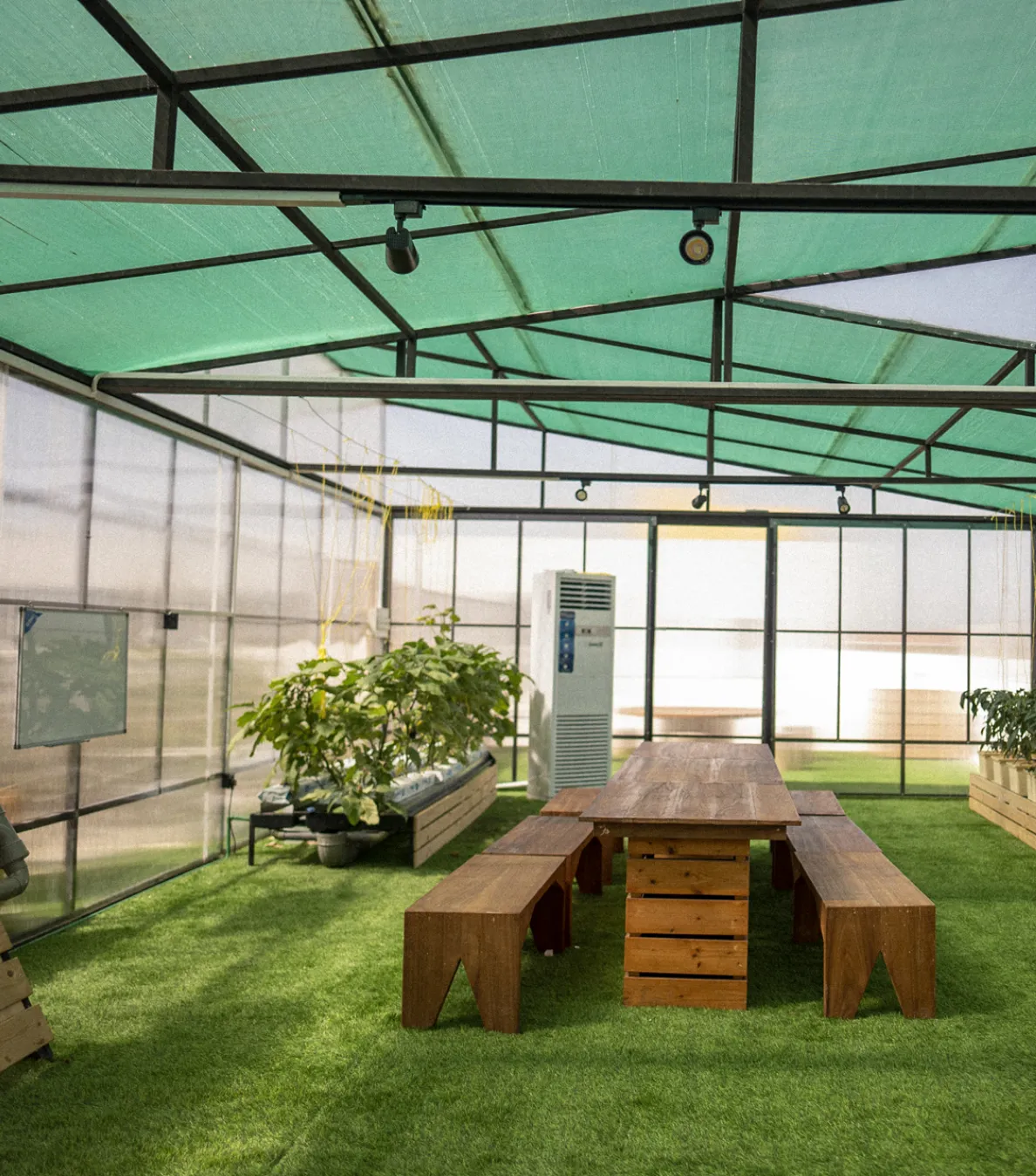
    • البيت الزجاجي

      البيت الزجاجي

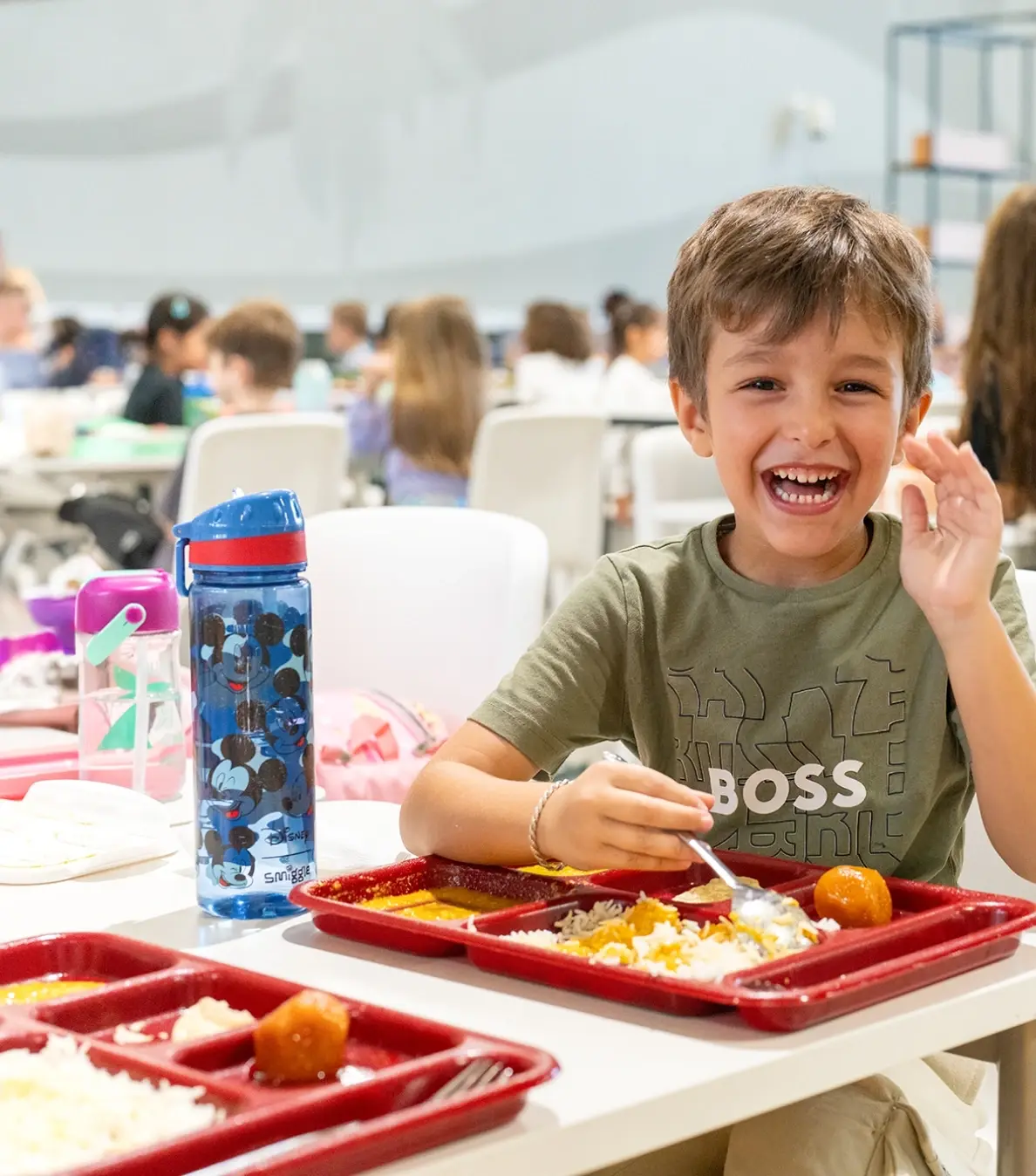
    • الـمقـصـف

      الـمقـصـف

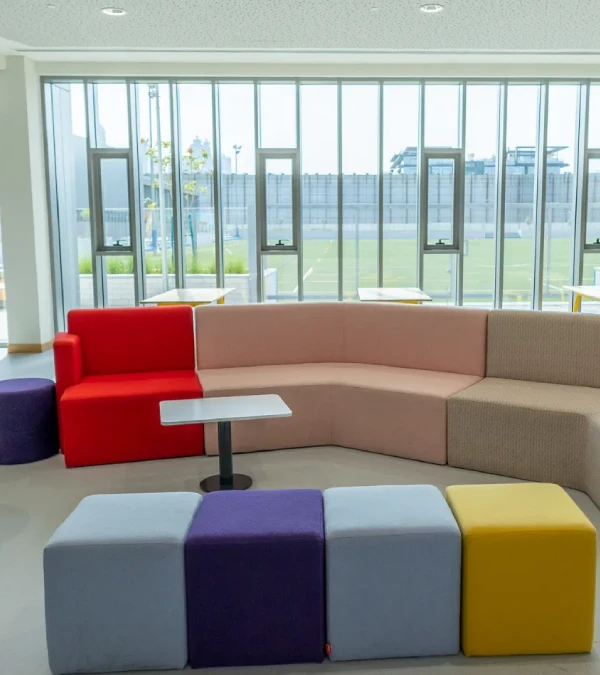
    • مركز التجمعات

      مركز التجمعات

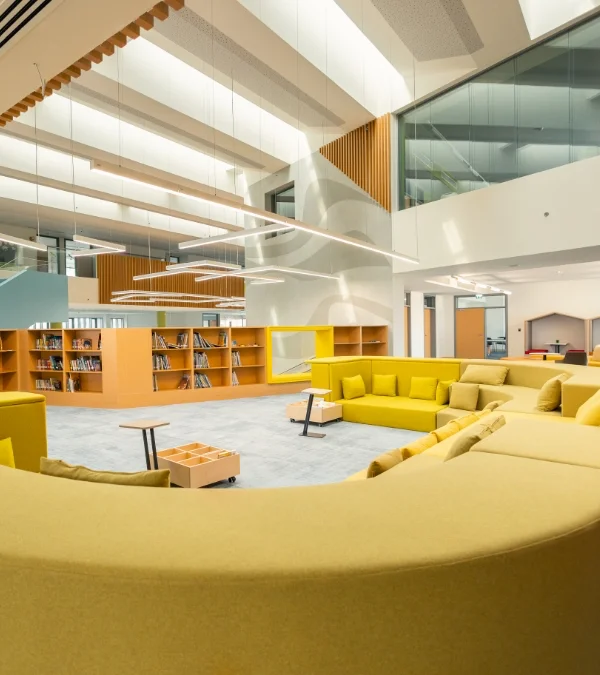
    • المكتبة

      المكتبة

    • غرفة الموسيقى

      غرفة الموسيقى

    • ملعب البادل

      ملعب البادل

    • استوديو الإنتاج

      استوديو الإنتاج

    • سوشيال جِيم

      سوشيال جِيم

    • مرافقنا الرياضية

      مرافقنا الرياضية

    • مختبرات العلوم والتكنولوجيا والهندسة والرياضيات

      مختبرات العلوم والتكنولوجيا والهندسة والرياضيات

    • مركز الرفاهية لدينا

      مركز الرفاهية لدينا

    • بيئة التعلم

      بيئة التعلم

  • البرامج التعليمية
    • البرامج التعليمية

      البرامج التعليمية

    • الاستدامة

      الاستدامة

    • برنامج ريادة الأعمال

      برنامج ريادة الأعمال

    • الرياضة

      الرياضة

    • الفنون والثقافة

      الفنون والثقافة

    • الموسيقى

      Music Programme

    • الصحة والرفاهية

      الصحة والرفاهية

  • سياسة
    • ابدأ من هنا

      سياسة

    • الرسوم الدراسية

      الرسوم الدراسية

    • سياسة القبول

      سياسة القبول

    • النقل

      النقل

    • الأسئلة الشائعة

      الأسئلة الشائعة

  • المركز الإعلامي
    • المركز الإعلامي

      المركز الإعلامي

    • البودكاست

      البودكاست

    • مدونة

      مدونة

  • الفعاليات
  • الحضانة
  • اتصل بنا
العربيةالعربية
العربيةالعربية
English
Citizens School تسجيل الدخول Citizens School Citizens School
Zenda Toddle تسجيل الدخول
  • من نحن
    • نبذة عن سيتيزنز

      من نحن

    • فريق القيادة العليا
    • مجلس الأمناء

      مجلس الأمناء

    • التوجه التعليمي لدولة الإمارات العربية المتحدة

      التوجه التعليمي لدولة الإمارات العربية المتحدة

    • مستقبل مُخصص لتنمية قدرات المتعلمين
  • جولة في
    • حرم مدرسة سيتيزنز

      حرم مدرسة سيتيزنز

    • البيت الزجاجي

      البيت الزجاجي

    • الـمقـصـف

      الـمقـصـف

    • مركز التجمعات

      مركز التجمعات

    • المكتبة

      المكتبة

    • غرفة الموسيقى

      غرفة الموسيقى

    • ملعب البادل

      ملعب البادل

    • استوديو الإنتاج

      استوديو الإنتاج

    • سوشيال جِيم

      سوشيال جِيم

    • مرافقنا الرياضية

      مرافقنا الرياضية

    • مختبرات العلوم والتكنولوجيا والهندسة والرياضيات

      مختبرات العلوم والتكنولوجيا والهندسة والرياضيات

    • مركز الرفاهية لدينا

      مركز الرفاهية لدينا

    • بيئة التعلم

      بيئة التعلم

  • البرامج التعليمية
    • البرامج التعليمية

      البرامج التعليمية

    • الاستدامة

      الاستدامة

    • برنامج ريادة الأعمال

      برنامج ريادة الأعمال

    • الرياضة

      الرياضة

    • الفنون والثقافة

      الفنون والثقافة

    • الموسيقى

      Music Programme

    • الصحة والرفاهية

      الصحة والرفاهية

  • سياسة
    • ابدأ من هنا

      سياسة

    • الرسوم الدراسية

      الرسوم الدراسية

    • سياسة القبول

      سياسة القبول

    • النقل

      النقل

    • الأسئلة الشائعة

      الأسئلة الشائعة

  • المركز الإعلامي
    • المركز الإعلامي

      المركز الإعلامي

    • البودكاست

      البودكاست

    • مدونة

      مدونة

  • الفعاليات
  • الحضانة
  • اتصل بنا

فيديا ساتيش

ديسمبر 10, 2025 by فيديا ساتيش

The world is changing at a pace never seen before. Artificial intelligence, automation, climate change, and the rise of entirely new industries are reshaping how we live and work. According to research, 65% of children entering primary school today will work in jobs that do not yet exist. Traditional education systems, built around rote learning and standardised testing, are no longer enough to prepare learners for this reality.

For parents in Dubai, a global hub of innovation and diversity, the need is even more urgent. The city’s economy is driven by technology, entrepreneurship and growing focus on environmental education, aligning with the UAE’s Centennial 2071 plan to become a leader in knowledge-based industries. A future-ready curriculum equips learners with the adaptability, creativity, and resilience needed to thrive in such a dynamic environment. Citizens School’s Future Framework responds directly to this demand, reimagining education for a world that prizes innovation as much as academic excellence.

What Does “Future-Ready” Mean in Education?

A future-ready education moves beyond the narrow pursuit of grades and test scores. It focuses on equipping children with the capacity to adapt, create, and lead in an unpredictable world. Rather than treating learning as a fixed sequence of facts, it builds a foundation of skills and mindsets that remain relevant even as industries and technologies change, including entrepreneurial thinking that empowers learners to identify opportunities, solve real-world problems, and take initiative with confidence.

Being future-ready means:

  • Adaptability and Resilience: Learners develop the ability to adjust to new situations, absorb change, and recover quickly from setbacks. These are critical traits in a world shaped by automation and shifting economies.
  • Creativity and Critical Thinking: Children are encouraged to question assumptions, generate fresh ideas, and solve complex problems that cannot be addressed through memorisation alone.
  • Digital Fluency: Learners gain proficiency in using technology as a tool for innovation, communication, and responsible participation in the digital space.
  • Social-Emotional Skills: Collaboration, empathy, and self-awareness are prioritised so learners can thrive in multicultural environments like Dubai and beyond.


A future-ready education ensures they are not only employable but also capable of creating opportunities in emerging fields. Developing strong future skills for children, such as adaptability, digital fluency, collaboration, and entrepreneurial thinking, is essential to help them thrive in industries that are still evolving.

Gaps in Conventional Curricula

Traditional education models, while effective in building foundational knowledge, often struggle to keep pace with the demands of a rapidly changing world, prompting many parents to explore the difference between British and American schools when evaluating better learning approaches. Conventional curricula tend to prioritise test preparation and rigid academic benchmarks, leaving critical future-oriented skills underdeveloped.

Key limitations include:

  • Overemphasis on Exams and Memorisation: Learning is frequently reduced to rote recall and standardised assessments, limiting opportunities for creativity, independent thought, and real-world application.
  • Limited Focus on Innovation and Entrepreneurship: Few programmes actively encourage learners to experiment, take calculated risks, or develop entrepreneurial mindsets, skills essential in an economy shaped by AI, automation, and start-up culture.
  • Insufficient Support for Wellbeing and Adaptability: Emotional intelligence, resilience, and mental health are often secondary to academic performance, even though these traits are crucial for success in uncertain environments.
  • Narrow Global Perspective: Many curricula provide limited exposure to cross-cultural collaboration or global citizenship, leaving learners less prepared for Dubai’s international economy and interconnected world.


As a result, parents are increasingly seeking schools that go beyond the basics, places where learners can build the agility, creativity, and ethical grounding needed to thrive in the future.

The Citizens Future Framework: A Model for Future-Ready Learning

The Citizens Future Framework redefines what meaningful education looks like in a world of rapid change. Designed to go beyond traditional academics, it equips learners with the skills, mindset, and values needed to succeed in Dubai’s innovation-driven economy and an unpredictable global landscape.

A. The Four Core Pillars

  • Agency: Learners are empowered to take ownership of their education by making decisions about projects, pathways, and outcomes. This autonomy builds confidence and nurtures lifelong learning habits.
  • الابتكار :: Creativity, experimentation, and problem-solving are embedded into every subject. Learners are encouraged to test ideas, learn from failures, and iterate solutions.
  • Ethics: A strong moral foundation underpins every learning experience. Empathy, responsibility, and integrity guide decision-making, ensuring that learners grow as conscientious global citizens in a learning environment where values shape every learner, influencing classroom culture, peer relationships, and real-world engagement.
  • المواطنة العالمية: In a city as multicultural as Dubai, learners develop the awareness and adaptability to collaborate across cultures, respect diversity, and address worldwide challenges like climate change and sustainability.


B. The Learning Experience

  • Transdisciplinary, Project-Based Learning: Instead of teaching subjects in isolation, projects integrate multiple disciplines, reflecting how problems are solved in the real world.
  • Personalised Pathways: Each learner’s strengths and passions are identified early, with tailored opportunities to explore areas of interest while meeting rigorous academic standards.
  • Real-World Application: Entrepreneurship challenges, inquiry-based projects, and partnerships with industry provide authentic contexts for applying knowledge and building practical skills.


C. Outcomes for Learners

Graduates of the Citizens Future Framework emerge as adaptable, purpose-driven individuals who balance academic excellence with emotional intelligence. By developing strong entrepreneurship skills, including leadership, resilience, innovation, and financial literacy, learners gain the confidence to navigate complex challenges and create meaningful impact. This holistic approach ensures that learners are prepared not only for university and careers but also for meaningful participation in an ever-evolving global society.

How Parents Benefit from a Future-Ready Curriculum

For parents, a future-ready curriculum offers assurance that their child is developing skills that matter in a fast-changing world. It goes beyond strong academics to foster adaptability, creativity, and emotional intelligence.

  • Relevant Skills for the Future: Parents can be confident that their children are learning to think critically, use technology responsibly, and solve complex problems, aligning with Dubai’s vision for an innovation-led economy.
  • Supportive, Inclusive Culture: A learner-centric environment ensures that every child is Known & Known Well, creating a sense of belonging while addressing their unique strengths and needs.
  • Clear Pathway to Success: With personalised learning and real-world projects, parents see tangible growth in both academic performance and essential life skills, preparing their children for opportunities that extend far beyond exam results.

This partnership between school and family ensures that parents are active participants in shaping their child’s learning journey.

الخلاصة

The future will reward learners who can adapt, innovate, and lead in the face of rapid change. A future-ready curriculum ensures that education is not just preparation for exams but preparation for life. By combining academic excellence with creativity, resilience, and global awareness, Citizens School is helping Dubai’s children foster a strong culture of innovation to grow into the leaders and problem-solvers of tomorrow. For families seeking more than traditional schooling, this model offers a roadmap to success in a world defined by possibility and transformation.

Filed Under: مدونة

ديسمبر 10, 2025 by فيديا ساتيش

The challenges of the 21st century are more than the ability to recall facts. From climate change, rapid automation, and shifting global economies, today the world needs adaptable thinkers, innovators who can approach problems with empathy, courage, and creativity. Traditional education models that prioritise memorisation leave critical gaps in preparing children for this reality.

This is where design thinking comes into play. It’s a human-centred, iterative process to understand challenges and develop practical, meaningful solutions. By encouraging learners to ask questions, test ideas, and refine their approach, design thinking transforms classrooms into hubs of creativity and purposeful action. 

In Dubai, where the government actively promotes innovation and future-ready education, schools are adopting design thinking to ensure children are not only academically capable but also equipped to lead and sustain in a world that is constantly evolving.

What is Design Thinking in Education?

Design thinking is a structured yet flexible approach to problem-solving built around five key stages:

  • Empathise: Learners start by understanding the needs, feelings, and perspectives of others. They observe, listen, and ask questions to grasp the real problem.
  • Define: Using their insights, learners narrow down the challenge to a clear, actionable problem statement.
  • Ideate: Learners brainstorm multiple ideas, exploring bold and unconventional solutions without fear of failure.
  • Prototype: Teams build simple models or mock-ups to test how their ideas might work in practice.
  • Test: Gather feedback, refine their designs, and repeat the process to improve their solution.

This method fits naturally into how children actually learn – hands-on, collaboratively, and purpose-driven. By encouraging students to work in teams, consider multiple perspectives, and iterate their ideas, design thinking strengthens critical thinking, resilience, collaboration, and creativity, skills that the World Economic Forum’s Future of Jobs 2025 Report highlights as essential for the future workforce. 

How Dubai Schools Are Embracing Design Thinking

Dubai has positioned itself as a global hub for innovation and education reform. The UAE’s National Innovation Strategy and initiatives such as the Dubai Future Foundation emphasise the need to develop a generation of problem-solvers who can lead in an unpredictable economy. According to the UAE Ministry of Education’s FY24-25 roadmap, innovation and entrepreneurship are key priorities in school curricula.

At Citizens School, design thinking is embedded within project-based learning (PBL). Learners explore real-world problems through hands-on inquiry and structured creativity, often leading to inspiring examples of ideas turning into real-world solutions. For example, Year 1 learners are currently working on the project Safe and Strong: Designing Shelters for Extreme Weather. The challenge asks: How might we build shelters to help keep people safe?

  • Empathise: Learners explore how different types of weather affect people and recognise that different communities have unique needs.
  • Define: They identify and explain what a shelter must provide – safety, warmth, or shade.
  • Ideate: Children ask “what if?” and “why?” questions, share imaginative ideas for shelter shapes and features, and consider which materials might work best.
  • Prototype & Test: They create small-scale models, experimenting with materials and testing for strength and durability.

This structured yet creative process not only strengthens critical thinking and collaboration but also shows learners how their ideas can have a tangible impact.

The Citizens School Approach: Innovation Through Learning 

Citizens School integrates design thinking into everyday learning through its dedicated learning environment, where curiosity drives action. Embedded with Citizens’ 5 pillars, learning here goes beyond a traditional classroom teaching method, giving learners access to tools, technologies, and guidance to transform ideas into tangible outcomes. Here, experimentation is encouraged, and mistakes are viewed as valuable steps toward progress, fostering a culture where iteration and problem-solving become second nature

Citizens’ Five Pillars

Design thinking aligns seamlessly with Citizens School’s Five Pillars, which guide every aspect of its curriculum:

  • ريادة الأعمال: Learners transform ideas into actionable solutions, developing a business mindset early on.
  • Project-Based Learning: Learners work on meaningful, real-world challenges that require creative and analytical thinking.
  • الثقافة الرقمية: Technology is used as an enabler to support innovation, not just as a subject to study.
  • Inquiry-Based Core Curriculum: Curiosity drives the learning process, encouraging independent thought.
  • Everyone Known & Known Well: Each learner receives personalised support, creating a safe environment to take risks and explore unconventional ideas.

Projects at Citizens School demonstrate how design thinking empowers learners to address authentic, real-world challenges. Through inquiry, collaboration, and experimentation, students explore solutions that create meaningful impact within their communities and beyond. Each project nurtures critical thinking, creativity, and a sense of responsibility, helping learners transform ideas into purposeful actions.

Building Future-Ready Learners

Design thinking nurtures competencies that define a ‘future-ready individual’ – empathy, creativity, resilience, collaboration, etc. It prepares children for challenges and careers that don’t exist yet and for a life where learning is continuous. 

الخلاصة

Design thinking is reshaping education in Dubai by shifting the focus from memorisation to meaningful problem-solving. Through innovative spaces, unique teaching methodologies, and a curriculum grounded in inquiry, Citizens School Dubai exemplifies how this approach can transform learners into adaptive, creative, and empathetic leaders. As global challenges grow more complex, the ability to think critically and design solutions will set today’s students apart in tomorrow’s world. By blending empathy with innovation, Citizens School ensures every learner understands not just what to think, but how to think — creatively, critically, and compassionately.

Filed Under: مدونة

ديسمبر 10, 2025 by فيديا ساتيش

Education today demands more than strong grades and test scores. Children are growing up in a fast-paced world shaped by technology, shifting career landscapes, and social change. To succeed, they need adaptability, emotional intelligence, creativity, and resilience. Holistic child development, which nurtures the mind, body, and character in tandem, is essential in preparing young learners for the future.

Citizens School Dubai is built around this belief. The school prioritises the whole child, focusing on intellectual growth, physical health, emotional balance, and social skills to create confident and capable individuals. This approach ensures that learning extends beyond textbooks to shape well-rounded individuals ready for the opportunities and challenges of the 21st century.

What Is Holistic Development?

Holistic development implies nurturing every dimension of a child’s growth, such as academic, creative, physical, emotional, and social. Instead of treating these as separate areas, it integrates them to help learners flourish as complete individuals.

It is about life skills as much as it is about subject knowledge. Learners are encouraged to build empathy, teamwork, problem-solving ability, and critical thinking. These are the very skills that employers and societies increasingly value. Research highlights that critical thinking, emotional intelligence, and collaboration remain among the top competencies for the future workforce.

Holistic education recognises that success is not only about passing exams; it is about preparing children to face life with confidence and purpose.

How Traditional Models Fall Short

Many traditional education systems still prioritise grades over growth. The focus on exams and rote learning often leaves little room for creativity, physical development, or emotional well-being.

This imbalance can have lasting effects. According to the WHO, academic pressure is a key contributor to anxiety and stress in school-aged children, with nearly two-thirds reporting frequent stress related to schoolwork. When opportunities for sports, arts, and innovation are limited, children may struggle to build resilience or discover their personal strengths.

Why Citizens School Sets the Standard for Holistic Child Development in Dubai 

Citizens School places holistic development as the foundation. Every child is supported to grow intellectually, emotionally, socially, and physically. The school’s approach goes beyond academics to prepare children for a future where adaptability, empathy, and real-world problem-solving are just as important as knowledge, reflecting a broader commitment to Reimagining Education so that learners develop curiosity, independence, and the ability to apply knowledge beyond the classroom.

A. Academic Excellence with Purpose 

At Citizens School, learning is tailored to each child’s strengths, interests, and pace. Through inquiry-based and project-based learning methods, learners explore real-world challenges that spark curiosity and critical thinking. Whether it’s a community-focused research or entrepreneurial task, knowledge is applied in context, ensuring it’s meaningful and memorable

B. Nurturing Creativity and Innovation

Creativity and innovation are embedded across Citizens curriculum. Through the school’s Entrepreneurship pillar, learners use design thinking to solve real-world problems and pitch ideas, an approach closely connected to Entrepreneurship in Education, where learners develop initiative, resilience, and the confidence to turn ideas into meaningful action. Programmes in art, music, coding, and sports allow learners to explore passions and express their individuality, while also strengthening collaboration and developing leadership skills, reflecting the wider culture of الابتكار في مدرسة سيتيزنز.

C. Building Emotional and Social Intelligence

The school’s ethos of “Everyone Known & Known Well” ensures that every child feels valued, understood and supported. Programmes focused on well-being, resilience, and empathy help learners build the emotional intelligence essential to navigate complex social situations and challenges both inside and outside the classroom.

D. Encouraging Physical Development and Healthy Lifestyles

Physical wellness is integral to learning. Daily movement, sports and outdoor activities develop discipline, teamwork, and lifelong healthy habits. Balanced nutrition and mindfulness reinforce the connection between a healthy body and a healthy mind.

E. Digital and Future-Ready Skills

Digital fluency is a core focus where learners use technology responsibly, preparing them for a world where innovation goes hand in hand with ethics. Why Citizens School Stands Apart in Dubai

Citizens School redefines what education means by combining strong academics with personal growth and future-ready skills. At the heart of its philosophy is the Citizens Future Framework, a forward-thinking model built on five core pillars:

  • ريادة الأعمال – Fostering creativity, problem-solving, and an entrepreneurial mindset through real-world projects and opportunities to innovate.
  • Inquiry-Based Core Curriculum – Encouraging curiosity and deep understanding by promoting exploration over memorisation.
  • Project-Based Learning – Allowing learners to apply knowledge in meaningful contexts that build critical thinking and collaboration skills.
  • الثقافة الرقمية – Teaching learners to use technology responsibly and effectively, preparing them for a fast-evolving digital world.
  • Everyone Known & Known Well – Ensuring each child is recognised, supported and celebrated as an individual.

These pillars are reinforced by the school’s guiding values of growth mindset, inclusivity, curiosity, resilience, and well-being, forming the DNA of Citizens culture.

الخلاصة

The world our children will inherit is dynamic and unpredictable. Schools must prepare them not only to pass exams but also to lead meaningful, adaptable lives. Citizens School Dubai embodies this philosophy every day, ensuring that each learner is empowered to grow into a thoughtful, resilient, and future-ready individual. By placing the whole child at the centre of education, Citizens School, with its foundational values, is shaping tomorrow’s innovators, leaders, and compassionate global citizens.

Filed Under: مدونة

أكتوبر 23, 2025 by فيديا ساتيش

Children today are growing up in a world of rapid change. Advancements in technology, increasing academic expectations, social pressures, climate concerns, and global events are reshaping how young people experience childhood. These rapid shifts have a direct impact on their emotional, social, and physical health.

A recent study about anxiety-based disorders in the UAE revealed that 28% of school-aged adolescents experience anxiety-related disorders, well above global averages. Depressive symptoms affect 17% to 22% of youth, with up to one in three South Asian and one in five Emirati adolescents reporting such experiences.

The message is clear: learner wellbeing in Dubai schools is not optional, the foundation for thriving. When learners feel emotionally balanced, physically healthy, and socially connected, they learn more deeply, grow stronger and prepare for life, not just academic success.

Understanding Wellbeing in Schools

Wellbeing in schools must be seen through a holistic education lens. It goes beyond supporting children’s mental health to encompass emotional stability, physical health, and social belonging. A learner who feels safe, supported, and valued is more likely to engage deeply with academics and creative pursuits.

Studies highlight that positive wellbeing improves concentration, problem-solving skills, and academic outcomes. When children thrive emotionally and socially, they build the resilience needed to face challenges with confidence.

At Citizens School, this philosophy is embedded in daily practice: thriving learners are happy learners. Wellbeing is integrated into every aspect of school life so that children are prepared not just for tests, but for the future.

Challenges Today’s Learners Face

Children today are growing up in an environment shaped by rapid academic, technological, and social change. While these shifts present opportunities, they also generate significant pressures that negatively affect wellbeing.

  • Academic competition continues to intensify, with learners often expected to excel across multiple disciplines.
  • Digital overload and the influence of social media contribute to anxiety, sleep disruption, and feelings of inadequacy. Nearly 1 in 7 adolescents globally experiences a mental health disorder, often linked to digital exposure.
  • Reduced unstructured play and limited outdoor activity hinder physical health and creativity.
  • Peer pressure and identity struggles add complexity to adolescence, often affecting self-esteem and belonging.

These challenges often overlap, making school-based mental health support essential.

How Schools Can Actively Support Wellbeing

Supporting learner wellbeing requires more than isolated programmes; it demands a whole-school culture where every child feels safe, valued, and equipped to handle challenges. Schools that integrate wellbeing into daily learning, relationships, and routines see long-term benefits in both academic outcomes and personal growth.

A. A Safe, Inclusive, and Supportive Environment

The foundation of wellbeing is safety. Schools must implement strong anti-bullying policies and cultivate an atmosphere where every learner feels accepted. At Citizens School, the principle Everyone Known & Known Well ensures that no learner is invisible. By fostering smaller communities within the school, learners build stronger bonds and feel genuinely recognised.

Peer mentoring programmes and buddy systems can further reinforce a sense of belonging, helping younger or vulnerable learners navigate challenges with guidance from peers.

B. Embedding Wellbeing into the Curriculum

Wellbeing should be part of the learning journey. Lessons in mindfulness, stress management, and emotional regulation equip learners with tools to navigate pressures.

Inquiry-based learning reduces rote memorisation stress while encouraging curiosity and creativity. Schools that prioritise arts, music, and sports also give learners constructive outlets for self-expression, which supports children’s mental health as much as academic growth.

C. Strong Mentor-Learner Relationships

Mentors are often the first to notice when something is wrong. Training educators in emotional intelligence and active listening enables them to recognise early signs of stress or disengagement.

Regular one-on-one check-ins create safe spaces for learners to share concerns. Such practices build trust, making learners more likely to seek help when needed.

D. Balanced Technology Use

Technology is integral to modern education, but its overuse can be harmful. Schools can guide learners towards healthy online habits through structured digital literacy programmes.

Practical measures, such as scheduled screen-free times during the school day, remind learners of the value of face-to-face interaction and physical activity. Balancing digital and offline learning helps in building resilience in Dubai kids.

The Role of Parents in Supporting Wellbeing

While schools lay the foundation for wellbeing, parents play an equally critical role in reinforcing it at home. A strong partnership between families and schools ensures that children receive consistent support across environments.

  • It is crucial to maintain open communication and encourage children to express their feelings.
  • Supporting balanced routines that include adequate rest, play, study, and social interaction is crucial.
  • Acting as role models for managing stress, practising self-care, and maintaining digital discipline.

By combining these, parents can nurture an environment where strategies for learner wellbeing become a shared responsibility and children feel supported both inside and outside the classroom.

Collaborating with the Wider Community

Connecting with the broader community strengthens a school’s efforts. Inviting mental health professionals for workshops can equip learners and parents with practical strategies.

  • Partnerships with mental health professionals: Inviting psychologists, counsellors, and child development experts for workshops provides mental health support to Dubai learners.
  • Engagement with sports and arts organisations: Research consistently shows that physical activity and creative outlets not only improve emotional health but also enhance focus and self-confidence. In Dubai, partnerships with community sports leagues and cultural institutions make these opportunities more accessible.
  • Nature and sustainability programmes: Exposure to nature has been shown to reduce stress and boost overall well-being. Schools that collaborate with environmental organisations on gardening projects, clean-up drives, or sustainability initiatives connect learners with nature while fostering responsibility toward their surroundings, supporting holistic education. This aligns with the UAE’s focus on sustainability as part of its Vision 2031.
  • Community service and social impact: Engaging learners in service projects plays a key role in nurturing empathy and a sense of purpose. Experiences such as volunteering with local charities, supporting refugee communities, or participating in neighbourhood initiatives broaden children’s perspectives, a key to supporting children’s mental health.

Citizens School’s Approach to Wellbeing

Citizens School places wellbeing at the core of its educational philosophy. Their approach integrates resilience, inclusivity, and empathy into every aspect of learning.

Key initiatives include:

1. Support for Learners

Citizens School integrates innovative programs that foster confidence, empathy, and resilience among its learners.

  • Reading Dogs: A unique initiative where learners read stories to trained therapy dogs. This fun, low-pressure activity not only nurtures a love of reading but also helps improve fluency and builds confidence in a relaxed environment.
  • Big Brother Big Sister Programme: Through this peer mentorship network, older learners (“Bigs”) support younger learners (“Littles”) by spending time together—whether through games, reading, or simple conversations. Littles gain guidance and friendship, while Bigs develop leadership, communication, and decision-making skills. The program strengthens relationships, fosters empathy, and cultivates a sense of belonging.
  • Learner Ambassadors Programme: Select learners collaborate with the school’s marketing team, contributing to social media content and learning first-hand about communication and digital marketing. This initiative builds leadership, teamwork, and presentation skills while empowering learner voices.
  • Learner Council: The Learner Council gives learners a platform to advocate for their peers. The learners’ council leads awareness assemblies and wellness events, organises peer-to-peer support, and helps improve the school environment. By involving learners in decision-making, the Council promotes accountability, respect, and positive behavioural change.
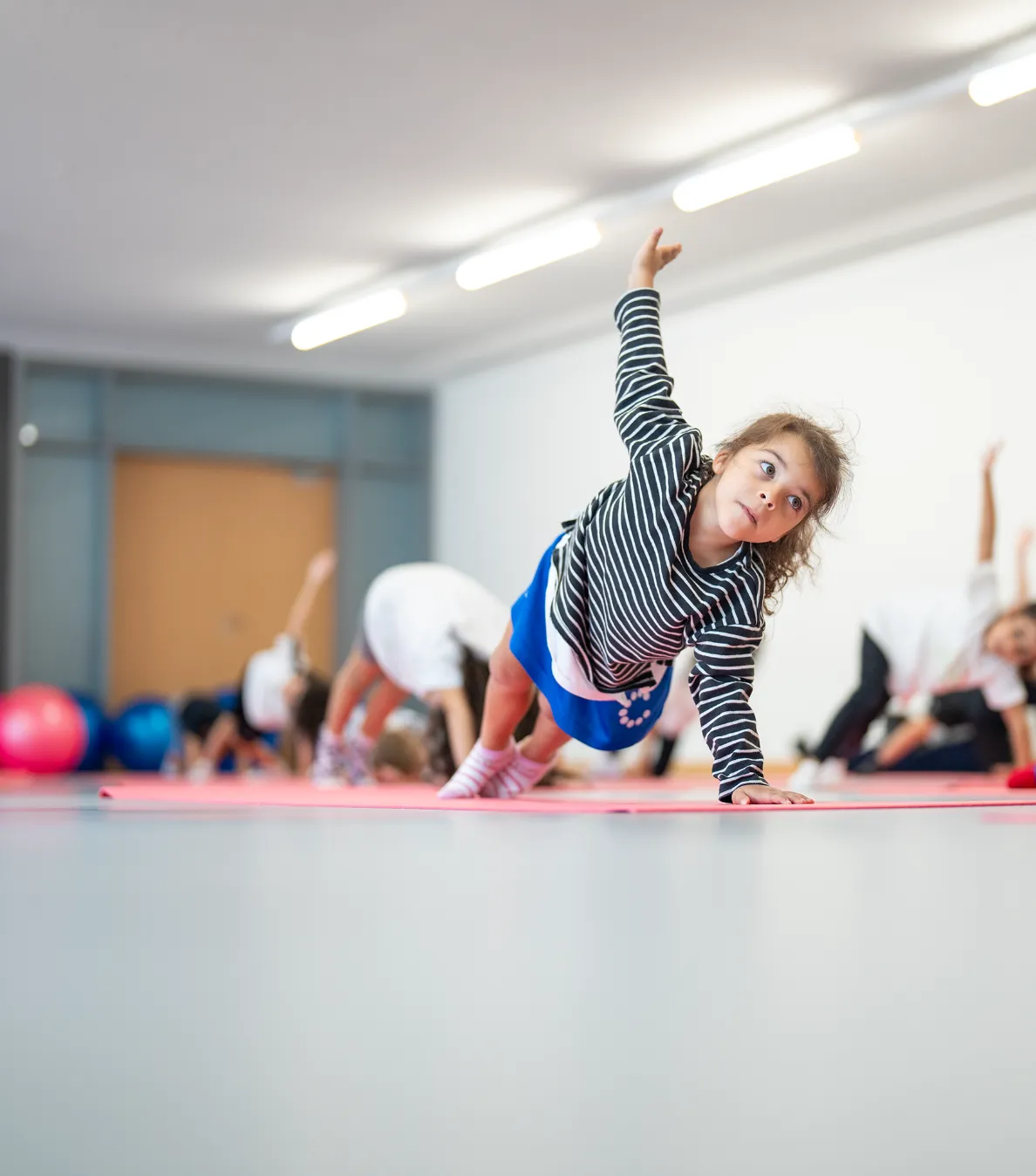
  • Yoga: Recognising the mind-body connection, citizens integrate yoga into their school lives to help learners build mindfulness, reduce stress, and develop lifelong healthy habits.

2. Support for Staff

Citizens School understands that staff wellbeing directly influences the quality of education and community life. To this end, it offers:

  • Language Classes (English, Arabic, French): By equipping staff with additional language skills, the school enhances communication with parents from diverse backgrounds and promotes cultural inclusivity.
  • Flexi-Day (Paid Wellbeing Day): Staff are encouraged to maintain a healthy work-life balance through flexible work arrangements, including wellbeing days that allow them to recharge and manage personal commitments.
  • Coaching and Mentoring in Educational Settings: Citizens invest in continuous professional growth by offering workshops, conferences, and online courses. Trained coaches also provide life coaching sessions, ensuring staff feel supported both personally and professionally.

3. Support for Parents

Wellbeing at Citizens extends to families, creating a collaborative and supportive ecosystem:

  • Skill-Building Classes: Parents can participate in art, Arabic, and gym classes, fostering creativity, fitness, and cultural learning.
  • Parent-Staff Sports Tournaments: Friendly competitions build camaraderie between parents and staff, strengthening bonds in a fun and engaging way.
  • Workshops on Social, Emotional, and Mental Health (SEMH): Led by the school counsellor, these sessions equip parents with practical tools for supporting children’s mental health at home.

الخلاصة

The world is evolving at a pace that demands adaptability, resilience, and emotional strength. Schools that prioritise wellbeing give children more than academic skills; they prepare them for life.

By embedding mental health support for Dubai learners, fostering resilience, and cultivating holistic education, schools create an environment where children thrive academically, emotionally, and socially.

At its heart, the mission is simple: a child who feels well is a child who can truly thrive.

Filed Under: مدونة

أكتوبر 20, 2025 by فيديا ساتيش

Sustainability in Dubai schools is no longer a peripheral concern; it is a fundamental requirement of modern education. At its core, sustainable development in education means meeting the needs of today without compromising the ability of future generations to meet their own. Schools play a pivotal role in instilling this principle from an early age.

When children learn about energy conservation, waste reduction, and responsible consumption in their formative years, they are more likely to carry these practices into adulthood. Research highlights that environmental education helps learners develop not just knowledge but also the skills and values needed to address global challenges. Early exposure turns sustainability from an abstract idea into a daily practice.

At Citizens School, sustainability is a core value. By embedding it into teaching, infrastructure, and community life, the school prepares learners to think critically about their environment and act responsibly within it.

The Role of Schools in Building a Greener Future

Schools shape more than academic knowledge; they influence behaviours, priorities, and values that ripple across communities. When schools adopt green practices for Dubai schools, they become role models, showing learners and families how small actions can lead to meaningful change.

The role of sustainability in schools encompasses three key domains: curriculum, infrastructure, and culture.

  • A curriculum that includes environmental education prepares learners to recognise and respond to ecological challenges.
  • Infrastructure, such as energy-efficient classrooms and water-saving systems, reduces environmental impact while serving as live examples of applied learning. 
  • Culture includes daily routines, events, and community involvement, cementing sustainability as a way of life rather than a one-off initiative.

Citizens School exemplifies this holistic approach by blending academic goals with environmental responsibility. Whether through project-based learning, eco-friendly initiatives in Dubai education, or learner-led projects, the school ensures that sustainability is integrated into the learner’s journey.

Practical Steps Schools Can Take

Building a genuinely sustainable environment in schools means embedding eco-consciousness into everything. It’s about creating a culture where green actions are natural and not niche. Here’s how schools can bring that vision to life:

1. Curriculum Integration

One of the most effective practical steps for greener schools is through curriculum design. Environmental concepts should not exist in isolation but be woven into different subjects. For instance, mathematics lessons can include energy usage calculations, while art classes might encourage upcycling projects using discarded materials.

Project-based learning brings these ideas to life. Activities like waste audits, recycling drives, and neighbourhood cleaning campaigns teach learners how to analyse problems and design actionable solutions. These projects also foster teamwork and problem-solving which are essential future skills for children growing up in an increasingly complex world.

By connecting sustainability across subjects, schools avoid the pitfall of treating it as a “special topic” and instead present it as a central thread in everyday life.

2. Green Infrastructure

The physical environment of a school is a teaching tool in itself. Investing in green practices for Dubai schools demonstrates commitment while reducing operating expenses in the long run. Energy-efficient classrooms equipped with LED lighting and solar panels reduce emissions while teaching learners about renewable energy systems.

Water conservation is another critical area. Rainwater harvesting units, low-flow taps, and greywater recycling can reduce dependency on municipal water sources. Biodiversity gardens and green playgrounds enhance air quality and serve as living laboratories for biology lessons.

Learners internalise these practices as standard rather than exceptional when they observe that their classrooms are designed with sustainability in mind.

3. Daily Habits and School Culture

Culture cements commitment. Reducing single-use plastics in canteens, promoting paperless communication, and encouraging digital submissions all help cut waste while normalising eco-friendly practices.

Transport choices also matter. By encouraging walking, cycling, or carpooling, schools reduce emissions and promote healthier lifestyles. Such measures also foster community spirit among families.

Collectively, these practices cultivate a culture that not only teaches sustainability but actively embraces it.

How Families Can Support Sustainability at Home

School initiatives succeed when families reinforce them at home. Families can support promoting sustainability at home by making small but consistent changes in daily routines.

For instance, providing eco-friendly lunchboxes and reusable water bottles reduces plastic waste significantly over time. Setting up composting or recycling systems at home allows children to participate in waste management directly.

Parents can involve children in sustainable shopping decisions, such as choosing local produce or avoiding heavily packaged items. Even household challenges, like reducing electricity and water usage, can make eco-conscious behaviour engaging through gamification.

When families and schools align, children view sustainability as a shared responsibility rather than a school-only concept.

Linking Sustainability to Future Skills

Sustainable development in education is not only about environmental stewardship; it also prepares learners with future-ready skills. Tackling environmental challenges requires creativity, leadership, and problem-solving abilities, all competencies that a modern workforce demands and future-ready curriculum is designed to nurture in preparation for an innovation-driven world.

Sustainability also connects to global citizenship. Learners who understand the environmental consequences of their choices are better equipped to participate in global conversations and contribute to solutions aligned with the UN’s Sustainable Development Goals (SDGs).

By cultivating resilience, innovation, and ethical awareness, sustainability education nurtures competencies that extend well beyond environmental concerns. It prepares learners to navigate the complexities of a rapidly changing world, reflecting the broader shift From Students to Learners at Citizens School, where education is designed to build adaptability, critical thinking, and lifelong growth.

Citizens School’s Perspective

Citizens School takes sustainability beyond theory by turning it into tangible learning experiences.

Urban Farm Programme: Leading by Doing

One standout initiative is the Urban Farm Programme, which brings together eco-friendly initiatives in Dubai education that empower learners to understand, question, and act on environmental issues. From measuring energy use on campus to exploring waste reduction strategies, children actively participate in shaping a greener school. These projects build problem-solving skills, critical thinking, and a sense of ownership over sustainable change.

Sustainability in Everyday Routines

Beyond projects, Citizens integrate sustainability into daily routines. The Green House initiative showcases how spaces can be designed for eco-conscious learning and community interaction, from rainwater irrigation to greenery that thrives on native plants. In the canteen, efforts to reduce single-use plastics and promote reusable alternatives normalise sustainable habits. These choices, repeated daily, help children internalise eco-consciousness as second nature.

Learning from the Ground Up

Practical, hands-on experiences are central to Citizens’ approach. In the “From Patch to Plate” potato harvest adventure, learners grew and harvested their own crops, gaining first-hand experience of food cycles, soil health, and the value of local produce. Such projects transform abstract lessons on sustainability into memorable, lived experiences.

Empowering Eco-Warriors

At Citizens School, the Eco-Warriors team gives learners leadership opportunities in sustainability. It ranges from organising awareness campaigns to guiding peers towards eco-friendly choices. By empowering learners as environmental ambassadors, we nurture resilience, empathy, and a strong sense of collective responsibility.

الخلاصة

Sustainability in Dubai schools is essential. By embedding it into curriculum, infrastructure, and culture, schools prepare learners not just for academic success but for responsible global citizenship. Families strengthen the impact by promoting sustainability at home and modelling green choices.

Citizens School stands as an example of how sustainable development in education can shape greener futures. The greener choices schools and families make today will shape the resilience and responsibility of tomorrow’s citizens.

Filed Under: مدونة

أكتوبر 16, 2025 by فيديا ساتيش

Today’s children are growing up in a fully connected world where technology is woven into every aspect of daily life. From education to entertainment, digital tools open up endless opportunities. But these opportunities are accompanied by certain challenges. This heightens the need to educate children on online safety for kids, respectful behaviour, and responsible technology use.

Citizens School’s Digital Literacy pillar equips learners not only with technical know-how but also with the values of empathy, inclusivity, and responsibility, preparing them to be mindful digital citizens in a global community.

What Is Digital Literacy and Why It Matters?

Digital literacy for children is far more than knowing how to operate a device. It’s the ability to navigate, evaluate, and engage with digital spaces safely and responsibly.

For children, this means learning not only the technical side of using apps, games, and online platforms but also developing the judgement needed to make wise choices. A digitally literate child understands internet safety, how to protect personal information, how to spot misinformation, how to interact respectfully online, and how to manage screen time for balance and well-being.

Its importance cannot be overstated: children’s personal, academic, and professional futures will all be shaped by how they engage online. Reports show that over 80% of five-year-olds in countries like England, Estonia, and the U.S. already use digital devices weekly, with 42% using them daily. These early experiences shape not just how children see technology but how they see themselves and others in a connected world. Therefore, developing digital responsibility is an essential part of building broader future skills for children.

For Citizens, teaching digital responsibility to learners is not just about skills but values.  Learners are guided to use technology with respect, empathy, inclusivity, and consideration for their well-being, ensuring that digital spaces enhance their growth rather than hinder it. This philosophy aligns closely with From Students to Learners at Citizens School, where education is intentionally designed to cultivate curiosity, adaptability, and real-world application beyond traditional academic structures.

What is Digital Citizenship in Dubai?

Digital citizenship goes beyond simply knowing how to use technology. It is about using the internet and digital tools safely, responsibly, and ethically. A good digital citizen understands their rights and responsibilities online, treats others with respect in virtual spaces, and makes thoughtful choices when engaging with digital platforms.

It’s important to distinguish digital citizenship from digital literacy.

  • Digital literacy is the ability to access, understand, and use technology effectively. Digital literacy encompasses skills such as navigating apps, evaluating information, and managing privacy settings.
  • Whereas digital citizenship is about behaviour and values in the digital world. It highlights how one communicates, protects personal data, avoids harmful activities, and contributes positively to online communities.

In simple terms, digital literacy gives children the skills to use technology, while digital citizenship teaches them the judgement to use those skills in a safe and meaningful way. Both are essential, but digital citizenship ensures learners grow into responsible, empathetic, and globally aware digital participants.

The Core Elements of Responsible Digital Citizenship

Being digitally literate is not just about technical know-how; it’s about developing a set of lifelong habits that help children stay safe, respectful, and mindful online. At its heart, educating digital citizens rests on five interconnected pillars:

1. Online Safety

Children are often unaware of the dangers lurking online. Globally, about 15% of adolescents report experiencing cyberbullying, while in the U.S., 46% of teens have been subjected to online harassment. Such experiences can leave lasting emotional scars.

At Citizens School, learners are guided on managing privacy settings, identifying unsafe platforms, and recognising risks such as scams or predatory behaviour.

2. Digital Etiquette

The internet is a social space. Respect is just as important online as in face-to-face interactions. Cyberbullying, trolling, and exclusionary behaviour harm individuals and erode trust in online communities. Recent studies show that 53.9% of U.S. teens aged 13–17 have been cyberbullied, with many facing repeat harassment linked to symptoms of PTSD.

Children at Citizens learn to practise empathy, use inclusive language, and resolve conflicts peacefully in digital spaces.

3. Media and Information Literacy

In today’s world of AI-generated content, deepfakes, and misinformation, critical thinking is vital. Learners are trained to evaluate sources, spot bias, and think before sharing. This sharpens academic skills and protects them from falling prey to manipulation.

4. Cybersecurity Awareness

From creating strong passwords to identifying phishing attempts, children must develop habits that protect their digital identity. Learners practise using two-factor authentication and safe browsing until these become second  The World Economic Forum notes that cybercrime costs are projected to reach $10.5 trillion annually by 2025 (WEF), making cybersecurity awareness a vital life skill even for children.

5. Digital Wellbeing

Technology can empower, but overuse of it can affect mental health. Increased screen time leads to over-stimulation and increased impatience. Children need to learn how to balance screen time with offline activities, manage their emotions when online, and use tech intentionally for learning and creativity rather than mindless scrolling.

At Citizens, learners understand the importance of balancing online engagement with offline activities, practising mindful tech use to support both productivity and emotional health. UNICEF research further highlights that while screen time alone isn’t harmful, exposure to online abuse strongly correlates with anxiety, self-harm, and suicidal ideation.

How Citizens School Embeds Digital Literacy into Learning

At Citizens School, teaching digital responsibility is not treated as an add-on but as a core life skill woven into everyday learning. By combining structured curriculum, parent collaboration, and global citizenship values, the school ensures that children grow into confident and responsible digital citizens.

Hands-On Digital Literacy Curriculum

From the early years, learners engage in lessons that introduce internet safety, cyber ethics, and responsible technology use. Instead of theory-heavy sessions, learners work on practical projects such as designing secure websites, fact-checking news articles, or creating digital campaigns that promote positive social change. These activities not only strengthen technical competence but also build critical thinking and ethical judgement.

Collaboration with Parents

Citizens School believes online safety for kids begins at home. Parents are actively involved through interactive workshops, guides, and shared resources that equip families to establish healthy tech habits. Whether it’s learning how to set parental controls or understanding the risks of oversharing online, parents walk hand-in-hand with the school to provide children a safe and consistent digital environment.

Linking Technology to Global Citizenship

Beyond technical skills, the school nurtures the idea of using technology as a tool for global connection and impact. Learners collaborate with peers worldwide on projects that encourage innovation, empathy, and problem-solving. This approach connects directly with Entrepreneurship in Education, where children are empowered to turn ideas into meaningful action and develop the initiative needed to create real-world impact.

Best Practices from Global Educators

Around the world, schools are recognising that digital literacy is as fundamental as reading and numeracy. Leading global frameworks provide valuable guidance for embedding responsible technology use into education.

  • The International Society for Technology in Education (ISTE) sets widely respected benchmarks that encourage learners not only to use technology safely but also to innovate, collaborate, and think critically. These standards empower learners to become creators rather than passive consumers of digital content, promoting responsibility alongside creativity.
  • UNESCO places digital citizenship at the heart of its educational vision. Its guidelines highlight the importance of creating inclusive, safe, and informed digital communities, where children are equipped to navigate online spaces with empathy, respect, and awareness. This global perspective stresses that digital skills are not just technical; they are deeply tied to values of equity and well-being.
  • Case studies from schools across Asia, Europe, and North America show a clear pattern: success in digital literacy requires an early start, regular practice, and strong school, home partnerships. When parents, mentors, and learners move in the same direction, children build habits of safe, mindful, and purposeful technology use that stay with them for life.

Practical Tips for Parents to Nurture Digital Citizenship at Home

Parents play a vital role in reinforcing safe digital habits. A few actionable strategies include:

  • Set Family Tech Agreements: Clear boundaries around screen time, online privacy, and device use create structure. A simple family agreement, like no phones at the dinner table or no late-night browsing, helps children build healthy digital habits early on.
  • Explore the Online World Together: Instead of leaving children to navigate technology alone, parents can co-explore educational apps, games, and websites. This not only builds trust but also opens opportunities for conversations about safe and responsible choices online.
  • Discuss Real-Life Scenarios: Children often learn best through stories and “what if” questions. Talking through scenarios like “What would you do if a stranger sent you a message?” or “How do you know if an article is fake?” equips them to handle online dilemmas with confidence.
  • Be a Role Model: Children mirror what they see. When adults demonstrate responsible technology use, whether it’s fact-checking news before sharing, avoiding oversharing on social media, or unplugging at bedtime, kids naturally follow suit.

الخلاصة

Digital literacy for children is no longer optional; it is a core life skill. By weaving safety, ethics, and responsibility into everyday learning, schools prepare children to engage with technology in ways that protect, empower, and inspire.

Citizens School’s holistic approach ensures learners are not just consumers of technology but mindful creators and responsible participants in the digital world. With guidance from educators and active support from parents, every child can grow into a confident, compassionate, and responsible digital citizen.

Parents, too, play a vital role. Families can reinforce classroom teachings and empower children to thrive both online and offline through open conversations, shared exploration, and positive role modelling.

The ultimate goal is to help children embrace digital citizenship, practice teaching digital responsibility, and build a future where technology is safe, inclusive, and full of possibility.

Filed Under: مدونة

  • « Go to Previous Page
  • Page 1
  • Interim pages omitted …
  • Page 3
  • Page 4
  • Page 5
  • Page 6
  • Page 7
  • Interim pages omitted …
  • Page 15
  • Go to Next Page »

Footer

Get in touch

إرسال

استفسر الآن

إرسال

احجز جولة ميدانية

إرسال

قدّم الآن

إرسال

From Nursery to Year 10
سياسة
مفتوح الآن

يرجى تعبئة النموذج أدناه لمعرفة المزيد عن العام الدراسي 2025-2026.

سجل الآن
احجز جولة phone

Join our newsletter for events, school updates, and community stories.
روابط سريعة
  • من نحن
  • جولة في
  • البرامج التعليمية
  • الفعاليات
  • سياسة
  • المركز الإعلامي
  • البودكاست
  • التوظيف
  • اتصل بنا
المجتمع المدرسي
  • طلابنا
  • أولياء الأمور
  • معلمونا
  • فريق القيادة العليا
  • مجلس الإدارة
  • حماية المتعلمين
  • الرعاية التربوية
  • الدمج
  • المجموعة الاستشارية لأولياء الأمور
  • KHDA Calendar
تحديد موقع الحرم المدرسي
  • COBIS
  • dubai-knowledge
  • COBIS
  • dubai-knowledge
سياسة المدرسة (هيئة المعرفة والتنمية البشرية) سياسة الخصوصية سياسة الوصول الشروط والأحكام هذا الموقع مملوك لشركة مدرسة سيتيزنز ذ.م.م.

WhatsApp us