Citizens School


























 English


5 Key Reasons Why Qualified Level 5 Mentors Matter in a Nursery Setting
The early years form the foundation of a child’s learning, well-being, and confidence. Research shows 90% of brain development occurs before age five, making this a period of one intense growth. What children experience in nursery, who guides them, how they are supported, and the environment, shape their future approach to learning.
For many families beginning their early learning journey, understanding the signs your child is ready to start nursery can help parents make more confident decisions about when to introduce their child to a nurturing learning environment.
This is why mentor qualification matters. Nursery is not limited to supervision and playtime; it is specialised early childhood education. Skilled mentors understand how young children think, feel, communicate, and interact. They know how to turn simple, everyday moments into meaningful learning opportunities.
At Citizens Nursery, we prioritise highly qualified Level 5 mentors to ensure exceptional care, developmentally appropriate learning, and nurturing interactions. Before exploring the importance of Level 5 mentors, it is essential to recognise that these early years are transformational and not preparatory.
What is Level 5 Mentor Training and Why It Matters
A Level 5 qualification in Early Years Education ( UK’s RQF framework) denotes advanced training in child development, pedagogy, safeguarding, leadership, and family engagement. Level 5 professionals design, lead, and evaluate high-quality learning environments for children between the ages of 0-5.
How Level 5 Training Benefits Young Learners
- Strong understanding of early brain development and behaviour.
- Ability to create responsive, child-led learning experiences.
- Competence in identifying developmental needs early.
- Expertise in safeguarding, wellbeing, and inclusive practices.
- Skills to collaborate meaningfully with families and specialists.
A Level 5 mentor is an early years specialist who supports your child’s holistic development with intention, sensitivity, and scientific understanding.
1. They Understand Early Childhood Development Deeply
Early development is dynamic. Children experience rapid changes in language, motor skills, emotional awareness, and reasoning. Level 5 mentors are trained to understand and respond to these shifts.
As a UK recgonised qualification, Level 5 aligns with global early years standards and professional benchmarks that prioritise child safety, wellbeing, and developmental rigour.
Level 5 mentors are trained to strengthen:
- Cognitive development: through problem-solving, early numeracy, symbolic play, and language-rich interactions.
- Social development: by guiding turn-taking, collaboration, and conflict resolution.
- Emotional development: by helping children identify feelings, regulate impulses, and develop confidence.
With nursery learners, early identification matters. Timely recognition enables early intervention and better outcomes. Level 5 mentors can spot subtle indicators and act early.
2. They Create Safe, Nurturing, and Stimulating Learning Environments
Level 5 mentors use evidence-based principles to create spaces that feel safe, independent, and encourage meaningful exploration, including opportunities for outdoor play that support physical activity, curiosity, and sensory learning.
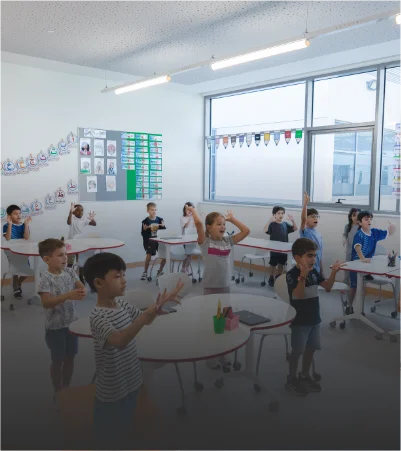
Well-designed spaces function as a “silent teacher”. Level 5 practitioners understand how young children interact with their surroundings and design environments that reflect a nursery’s exploratory approach to sensory-rich learning. They structure classrooms so children can move freely, choose materials independently, and engage with activities at their developmental level.
Emotional support underpins learning. Young children experience big feelings, and qualified mentors know how to guide them through co-regulation, gentle reassurance, and constructive language. Whether a child is navigating separation anxiety or learning to share, they are met with steady, empathetic guidance.
In practice, Level 5 mentors ensure environments that:
- Promote independence via child-accessible materials and open-ended resources.
- Balance stimulation with calm, offering both active play zones and quiet reflection areas.
- Ensure safety without restriction, using risk-aware supervision.
- Support emotional regulation with routines, visual cues, and co-regulation strategies.
- Foster belonging with inclusive resources that reflect diverse identities and abilities.
The result:children feel secure enough to explore, confident to try new things, and free to express themselves.
3. They Deliver High-Quality, Individualised Learning Experiences
Every child enters nursery with a unique blend of interests, temperament, and developmental rhythms. Level 5 mentors do not rely on one-size-fits-all activities; they observe closely, interpret cues, and adapt activities to ensure every learner feels capable and supported.
They notice subtle patterns: responses to challenge, problem-solving approaches, curiosity triggers and where encouragement is needed.
These insights shape daily planning, ensuring that learning is both purposeful and joyful.
Qualified mentors scaffold learning gently for those needing additional guidance or extension.
In practice, Level 5 mentors provide personalised learning through:
- Thoughtful observation that informs each child’s next steps.
- Activities are adapted to individual pace, whether a child needs more time, structure, or challenge.
- Varied learning modalities, including sensory, visual, auditory, and movement-based experiences.
- Confidence-building strategies such as choice-making and gentle encouragement.
- Targeted support or enrichment for learners who may benefit from extra reassurance.
This personalised approach ensures children feel understood, empowered, and excited to learn; building strong foundations for school.
4. They Strengthen Parent–School Partnerships
Level 5 mentors build trust with families, recognising parents as a child’s first teachers and fostering collaborative partnerships.
These mentors also offer practical suggestions that families can use at home, helping bridge the gap between nursery learning and daily routines. Whether it’s guiding a parent on speech development or recommending sensory-rich activities, their advice is grounded in expertise and empathy.
Level 5 mentors strengthen partnerships with families through:
- Clear, consistent communication about progress.
- Meaningful feedback grounded in developmental knowledge.
- Practical guidance for extending learning at home, routines, play ideas, or behaviour strategies.
- Active listening, ensuring parents feel heard, valued, and involved.
This collaboration creates continuity, stability, and encouragement across home and school. This also creates an aligned support system during the formative years.
5. They Prepare Children for a Smooth Transition into Formal Schooling
Strong nursery programmes send children to school confident, curious and emotionally secure — focusing on foundations rather than rushed academics.
- Social awareness
- Communication
- Independence
- Love for learning
This development-aligned approach helps children adapt to classroom routines, engage with peers, and express themselves comfortably when they move to higher grades.
With the right support, the move to formal schooling becomes less about “readiness checklists” and more about nurturing a child who feels safe, capable, and excited for what comes next.
The Role of Citizens Nursery
At Citizens Nursery, we honour each child’s pace of growth while creating an environment where curiosity is natural, confidence grows, and learning is meaningful.
Our Level 5 mentors shape this experience. Their expertise is reflected in:
- Intentional interactions: Extending children’s language through open-ended questions that deepen thinking. For example, prompting predictions and problem-solving during construction play.
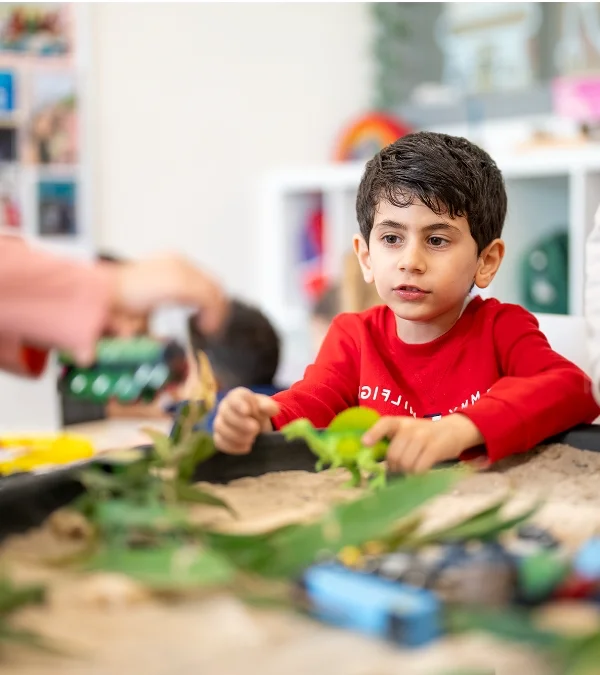
- Purposeful planning and scaffolding: Following each child’s interests, for eg, using dinosaurs to introduce counting challenges, storytelling, or shape exploration.
- Emotional regulation support: Mentors model and guide learners to recognise and manage emotions using visual tools and co-regulation strategies. This strengthens their well-being.
- High-quality observations and assessment: Mentors can capture meaningful learning moments to plan next steps. It can be early mark-making or developing independence.
- Enriching indoor and outdoor environments: Include thoughtful invitations to play, ranging from sensory trays to tinker stations and obstacle courses that encourage exploration and skill-building.
- Parent Partnerships: This includes communicating progress warmly, celebrating achievements, and sharing simple strategies that extend learning at home.
Our goal is to prepare them for life by cultivating joyful learners who feel safe, capable, and deeply understood.
Conclusion
Choosing a nursery is one of the most important decisions for a parent. In the early years, the right mentor can shape how a child sees themselves, others, and the world. Level 5 mentors bring expertise, empathy, and intentionality that build strong foundations for lifelong learning.
Highly qualified educators do more than ‘taking care’, they empower children. For families seeking an environment where expertise meets warmth, Citizens Nursery’s commitment to Level 5 practitioners ensures children experience the highest standards of safety, learning, and emotional support from the very start.
Footer

From Nursery to Year 10
Admissions
Open Now
Fill out the form below to find out more for the 2025-26 academic year.