Citizens School

















 English


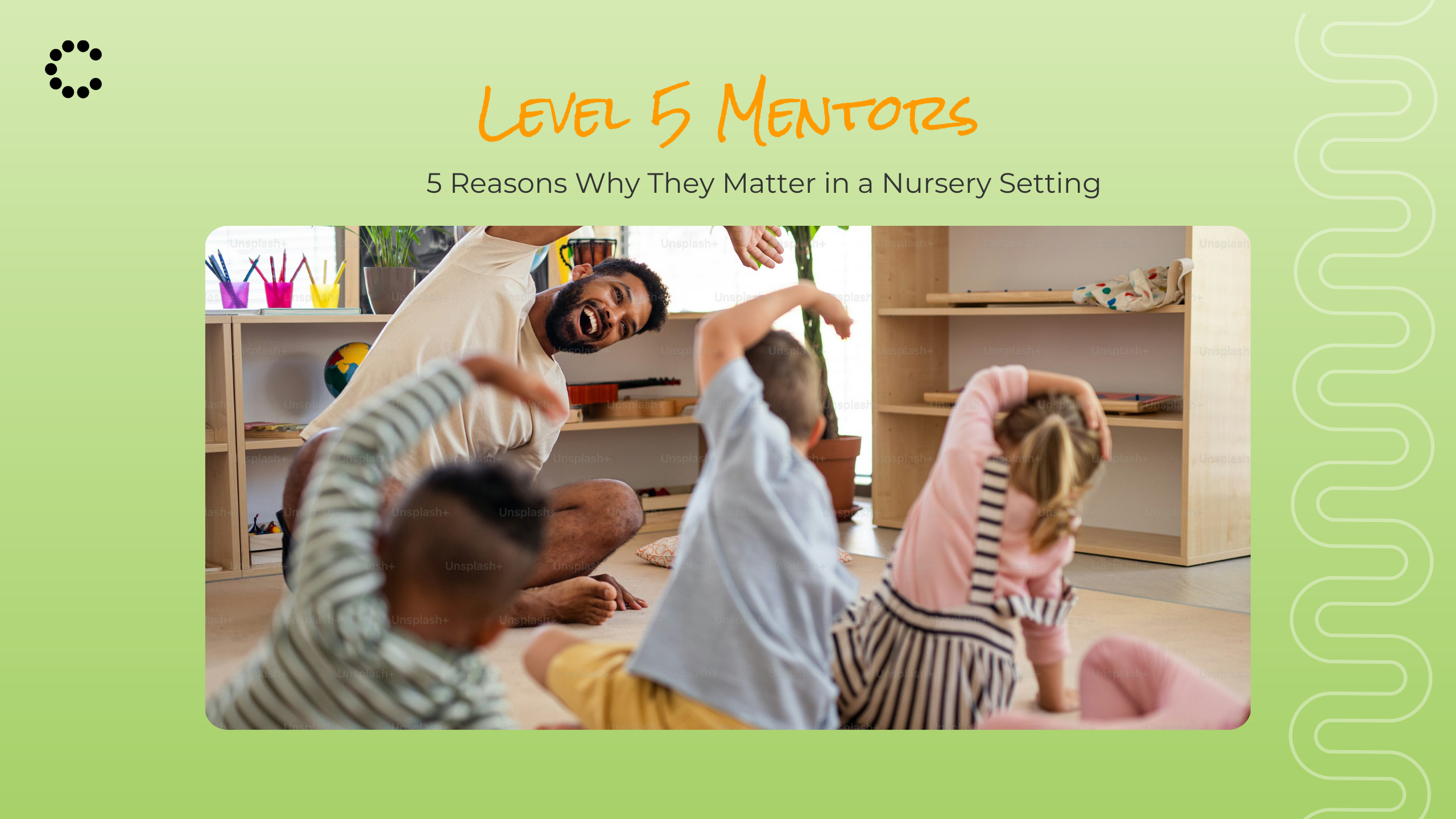
5 Signs Your Child Is Ready to Start Nursery (And How to Prepare Them)
Starting nursery is one of the earliest milestones in a child’s learning journey, and also one of the most emotional for families. It brings excitement, pride, and understandable uncertainty.
Many parents ask, “How will I know if my child is ready?” The truth is that readiness isn’t defined by age alone; it’s shaped by emotional comfort, social awareness, curiosity, and small developmental cues that emerge gradually.
At Citizens Nursery, we understand that every child follows their own path. Some show clear signs early, while others take a little longer, and that’s perfectly okay. Our gentle and flexible transitions are help each child feel secure, understood, and ready for this new stage of discovery.
Sign 1: Curiosity About the World Around Them
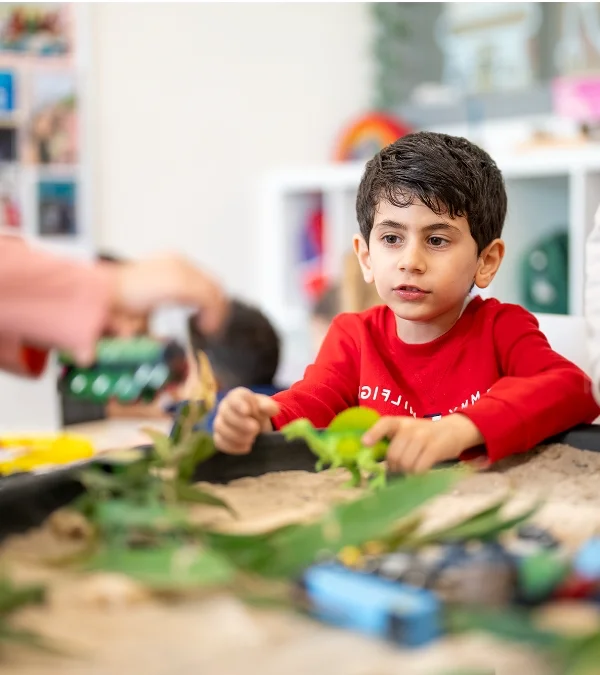
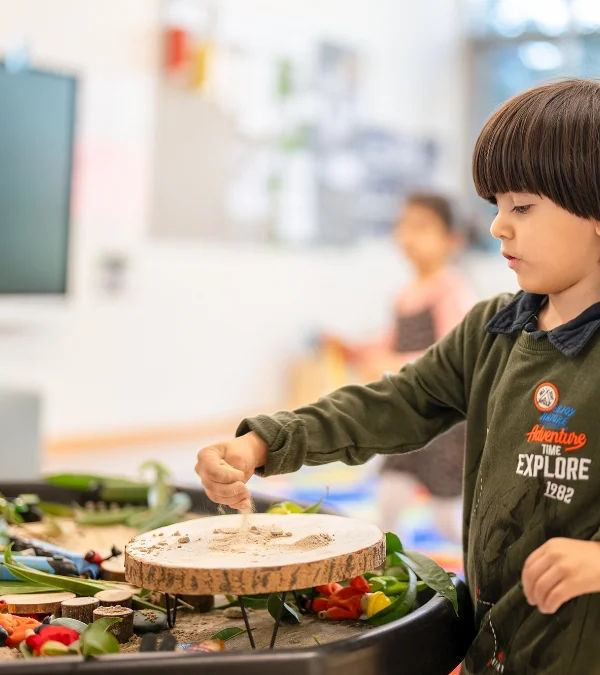
Curiosity is a clear sign of readiness. Children who eagerly explore new toys, textures, books, or sensory materials show a natural inclination toward discovery, a perfect fit for nursery’s exploratory environments where outdoor play encourages children to explore, move freely, and learn through hands-on experiences.
You may notice your child:
- Focused attention when inspecting objects
- Interest in new surroundings or people
- Experimenting with cause-and-effect play
- Engaging intentionally with stories, songs, or pretend play
Research links curiosity to cognitive growth – better attention, memory, and early problem-solving, all of which also contributes to Holistic Child Development. Nurseries build on this intrinsic drive by offering open-ended materials, exploratory spaces, and guided experiences that expand thinking.
Parent Tip: Encourage open-ended play at home with stacking cups, safe household objects, or simple art materials. Free investigation builds confidence for social settings.
Sign 2: Emerging Independence in Daily Routines
Readiness also appears in small acts of independence, skills that ease settling into nursery routines.
You may see signs like:
- Attempting to self-feed, even if it gets messy
- Washing hands with little prompting
- Trying to put on shoes or choose clothes
- Helping tidy toys or with simple chores
These behaviours are not about perfection; they reveal a growing desire for autonomy. Supporting independence strengthens executive functioning, the mental skills that help children plan, focus, and manage transitions.
Nurseries rely on simple routines and predictable structures. When children begin practising independence at home, they arrive better prepared and more confident.
Parent Tip: Offer simple choices such as, “Would you like the blue cup or the red cup?” to support autonomy without overwhelming them.
Sign 3: Comfort Around Other Children and New Adults
Another meaningful sign of readiness is a child’s willingness to interact with, or at least observe, the other children. This doesn’t mean being extroverted. Comfort can look like:
- Observing peers
- Imitating others’ actions
- Joining group play briefly
- Responding positively to familiar adults outside the immediate family
According to a 2024 study published by the National Institute for Early Education Research (NIEER), social exposure in early years supports communication growth, emotional regulation, and collaborative skills. Nurseries expand these through group play, shared projects, and guided routines.
Parent Tip: Arrange short playdates or join community storytime sessions. Low-pressure interactions gradually build comfort and reduce hesitation around new social settings.
Sign 4: Ability to Communicate Needs
Communication readiness isn’t about saying long sentences. Rather, it is about your child’s ability to clearly express themselves using words, gestures, pointing, or symbolic sounds. The key question is: Can your child make themselves understood?
You might notice your child:
- Pointing to what they want
- Using simple words like “more”, “done”, or “help”
- Shaking their head for “no” or nodding for “yes”
- Expressing hunger, tiredness, or discomfort through clear cues
The American Academy of Paediatrics emphasises functional communication over vocabulary at this stage. Such communication includes needs and following simple instructions. This clarity helps children feel secure and builds trust in their caregivers.
Parent Tip: Model short phrases and acknowledge attempts such as “you want help” or “thank you for telling me”. This reinforces communication without pressure.
Sign 5: Small Steps Toward Emotional Readiness
Emotional readiness is one of the most important and subtle signs. It reflects a child’s ability to manage small frustrations, follow basic routines, and separate briefly from trusted caregivers.
Look for signs like:
- Staying with a familiar caregiver without distress.
- Recovering from minor setbacks.
- Following simple instructions such as “Let’s tidy up.”
- Showing interest in routines.
Emotional regulation supports secure transitions. A report notes that children who develop early self-regulation adapt more smoothly to structured learning environments and build healthier peer relationships.
Parent Tip: Practise short, predictable separations. For example, “I’m going to the kitchen. I’ll be back in two minutes.” Returning on time builds trust.
How to Prepare Your Child for Nursery: A Smooth Transition Guide
Once you recognise readiness signs, preparation becomes the next important step. A thoughtful transition plan helps children feel safe, confident, and excited.
Practical steps to prepare your child:
- Visit the nursery together. Familiarity reduces anxiety. Let your child explore the classroom and outdoor play area and meet educators.
- Set consistent home routines. Predictable sleep, meal, and play patterns create a sense of stability.
- Read picture books about starting nursery. These stories help children understand what to expect.
- Practise small responsibilities. Carrying their bag, choosing a snack, or packing a favourite comfort object builds ownership.
- Keep drop-off calm and positive. Avoid long, emotional departures. Keep goodbyes short and reassuring
How Citizens Nursery Supports a Gentle Transition
Citizens Nursery follows a gradual, child-led settling-in process where Educators and qualified level mentors introduce routines slowly, build trust through warm interactions, and maintain consistent communication with families. Parents are seen as partners, not spectators, in the journey.
Myths About Nursery Readiness (So Parents Can Breathe Easier)
Many parents feel pressured by assumptions about what a child “must” be able to do before starting nursery. In reality, these expectations often create unnecessary stress. Common myths include:
- Myth 1: “A child must speak in full sentences before starting nursery.”
Not true. Children communicate in many ways, either by pointing, showing gestures, using single words, or even simple phrases. Our educators support all early communication styles. - Myth 2: “Nursery is just playtime in a different location.”
Play is how children learn. Nursery activities develop literacy, motor skills, problem-solving, social skills, and emotional regulation through structured, research-backed experiences that shape a child’s formative development. - Myth 3: “If my child hasn’t shown all the readiness signs, they aren’t ready.”
Every child develops differently.. Readiness is a journey, not a checklist. - Myth 4: “Starting nursery early puts pressure on children.”
High-quality nurseries follow a child-led, developmentally aligned approach that is gentle, and not rushed. Clearing these myths helps parents focus on what truly matters: supporting their child’s comfort, confidence, and emotional well-being.
Conclusion
Starting nursery is an important step for children and parents alike. Readiness shows through curiosity, independence, communication, social comfort, and emotional resilience. When these align, children begin nursery with confidence and excitement.
With a nurturing environment, trained educators, and child-centred settling, Citizens Nursery helps every child feel safe and valued. By preparing intentionally and recognising your child’s cues, the transition becomes smooth but joyful.
Considering nursery? Citizens welcome you to visit, explore the environment, and begin this meaningful journey.
Footer

From Nursery to Year 10
Admissions
Open Now
Fill out the form below to find out more for the 2025-26 academic year.