Citizens School


 English


7 Inspiring Examples of How Kids Turned Ideas Into Real Projects
Children are natural innovators. Give them space, support, and the freedom to explore, and ideas begin to bloom. Their curiosity is relentless, their creativity unfiltered, and their willingness to experiment often exceeds that of most adults.
A fascinating insight published in Science notes that young children ask an average of 300–400 questions, a key indicator of early problem-solving and entrepreneurial thinking. When this innate curiosity is nurtured through hands-on projects, children build confidence, creativity, and a sense of responsibility beyond what textbooks provide.
Schools and families play a crucial role in this journey from idea to action. When children know their ideas matter, they begin seeing themselves as contributors, creators, and changemakers.
Here are seven inspiring examples of kids bringing their ideas into real-world impact.
1. The Eco-Warriors: Turning a Classroom Discussion Into a Recycling Drive
Big ideas often begin with small observations, like noticing how much paper or plastic gets thrown away at home or in the neighbourhood. A casual classroom discussion about everyday waste prompted a group of children to take action. They began by identifying the types of waste they saw most often and then created simple sorting stations using old cartons and labelled bins.
They made awareness posters, explained the idea to friends and neighbours, and took on tasks like collecting recyclables or checking if items were sorted correctly. Within weeks, they saw a clear shift with fewer items in the bin, more reuse and greater peer awareness.
This simple project strengthened environmental responsibility and showed them that meaningful change can begin with a single idea and a willingness to act.
2. The Young Inventors: Prototyping a Simple Device to Solve a Daily Problem
Children often spot everyday inconveniences that adults overlook. Such as a tap that wastes too much water, pencils that keep rolling off the table, or a bag zip that gets stuck. In one such instance, a group of curious kids decided to design a simple fix for a problem they encountered regularly. They began with a rough sketch, discussed how the device should work, and experimented using basic materials available at home.
Through trial and error, they built a prototype, whether it is a water-saving attachment or a holder to keep stationery in place. They refined it after testing, learning that solutions rarely work perfectly on the first attempt.
This hands-on process taught them the essence of design thinking: observe, ideate, prototype, test, and improve. Along the way, they strengthened their problem-solving skills, learnt the value of iteration, and experienced how teamwork accelerates innovation.
3. The Kindness Crew: Creating a Peer Support Group for New Students
Sometimes, the simplest ideas come from noticing someone sitting alone or looking unsure. For instance, a small group of children decided they wanted to make newcomers feel more comfortable, so they began checking in on classmates who seemed shy or unfamiliar with the environment. They introduced themselves, invited them to join games, and left short kindness notes to brighten someone’s day.
Their small acts gradually created a natural support circle where children felt seen and included. Over time, new students became more confident, friendships formed more easily, and the overall atmosphere became warmer and more welcoming.
Through this experience, the children learnt empathy, the importance of reaching out first, and how small gestures can significantly improve someone else’s day.
4. The Mini-Entrepreneurs: Launching a Small School Market Stall
A few children realised they enjoyed making small handmade items such as friendship bands, bookmarks, or tiny clay figures, and wondered if others might like them too. They set up a simple stall during a community event, offering their creations at pocket-money prices. Before selling anything, they discussed what materials they needed, how much things cost, and how to explain their products to others.
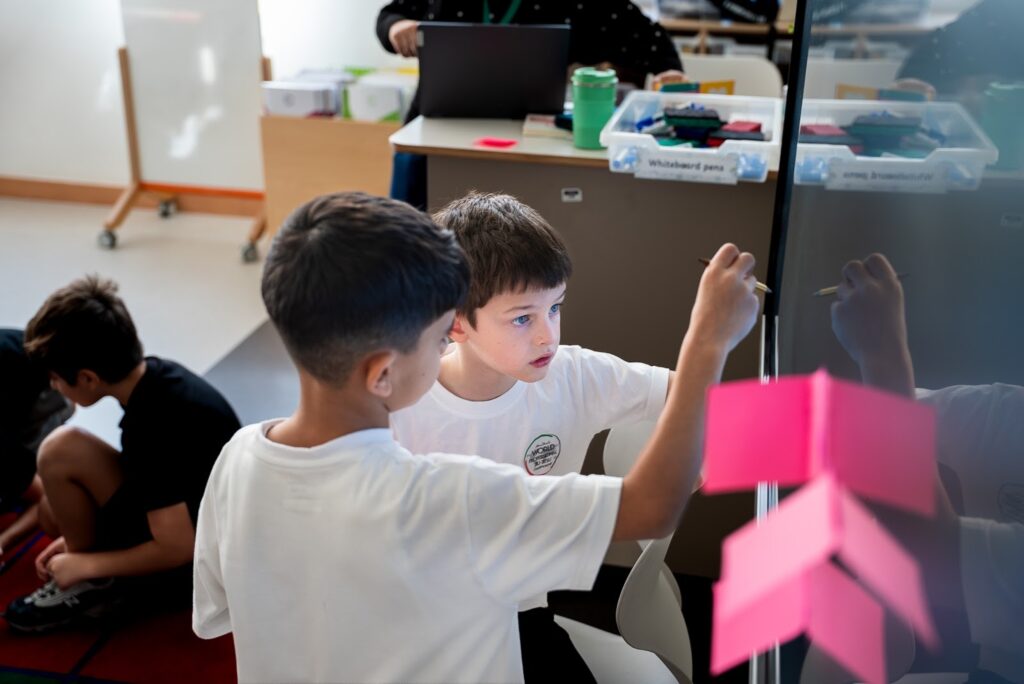
As they interacted with customers, they learnt how to greet people confidently, answer questions, and accept feedback. They also discovered how budgeting, teamwork, and basic money management work in real life.
The experience taught them that even a small idea can turn into something meaningful when they plan together, stay organised, and take initiative.
5. The Community Helpers: Organising a Donation Drive
After noticing that many items at home, like books, clothes, and toys, were still in good condition but no longer used, a group of children decided they could pass them on to others who might need them. They spoke to neighbours and friends, collected what people were willing to share, and spent time sorting everything into neat categories.
Once the items were organised, they worked with a local community centre to drop them off where families could access them easily. Along the way, they learnt how to coordinate tasks, communicate with adults, and take responsibility for the things they gathered.
The experience helped them understand empathy in a practical way: small contributions can make someone else’s day a little easier, and meaningful change often starts with simple, thoughtful actions.
6. The Tech Trailblazers: Building a Simple App or Coding Project
Some children notice everyday inconveniences, such as forgetting homework, misplacing reading logs, or mixing up chores at home. Then they decide to fix them using technology. With basic coding tools, they sketch out what they want their solution to do and build a simple digital prototype, such as a reminder app or a shared family task board.
They test it, tweak it, and ask others for feedback, gradually improving how it works. Through this process, they learn logic, sequencing, and problem-solving, but also the value of collaboration when someone helps debug an error or suggests a better layout.
The result may be small, but the learning is substantial: children realise they can shape technology to suit their needs, not just use it passively.
7. The School Changemakers: Redesigning a Space to Make It More Useful
Children often notice things adults overlook, like a cluttered reading corner, an unused patch near the playground, or a hallway that feels a little dull. When given the chance, they sketch ideas, rearrange materials, and test different layouts to make the space more inviting or functional.
Some groups create a cosy nook with cushions and labelled shelves; others set up a mini garden or a quiet zone for relaxation. They handle small tasks like planning, sorting, and decorating, discovering what works through trial and adjustment.
In the end, they experience the satisfaction of shaping their environment, learning that thoughtful design and teamwork can transform even the simplest spaces.
The Role of Citizens School
Citizens School actively cultivates environments where learners feel empowered to turn ideas into action. Through Project-Based Learning (PBL), design thinking cycles, and structured inquiry, the school ensures every learner experiences real-world creation, not just theoretical understanding.
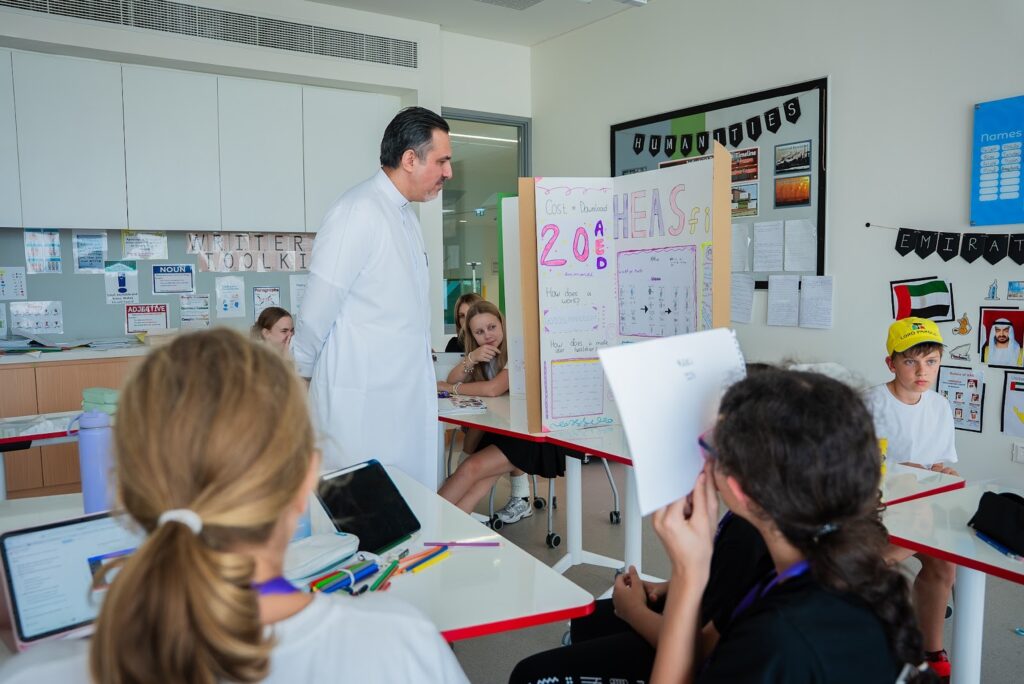
Citizens’ annual Entrepreneurship Week further amplifies this approach. Learners from EYFS to Year 9 complete the full entrepreneurial cycle using the LUMA methodology, applying empathy, ideation, prototyping, and testing to solve real wellbeing challenges such as gamifying wellbeing, designing movement stations, or building social enterprises.
Support systems strengthen the journey:
- Mentors who guide, not dictate
- Innovation studios for prototyping
- Community partnerships that ground learning in real contexts
- Showcases and pitch events where learners present to authentic audiences
Through its Future Framework, Citizens School nurtures creativity, initiative, resilience, and practical problem-solving skills that help children become confident contributors to the world around them.
Conclusion
Children don’t need to wait until adulthood to innovate. When schools create environments where ideas are taken seriously, and when families encourage exploration at home, children begin to see themselves as changemakers from the very start.
The shift in education is clear: real-world learning matters. Citizens School is leading this transformation by showing that innovation isn’t reserved for later in life. It can begin in the early years, grow through experience, and shape confident, capable thinkers ready for the future.
Footer
From Nursery to Year 10
Admissions
Open Now
Fill out the form below to find out more for the 2025-26 academic year.