



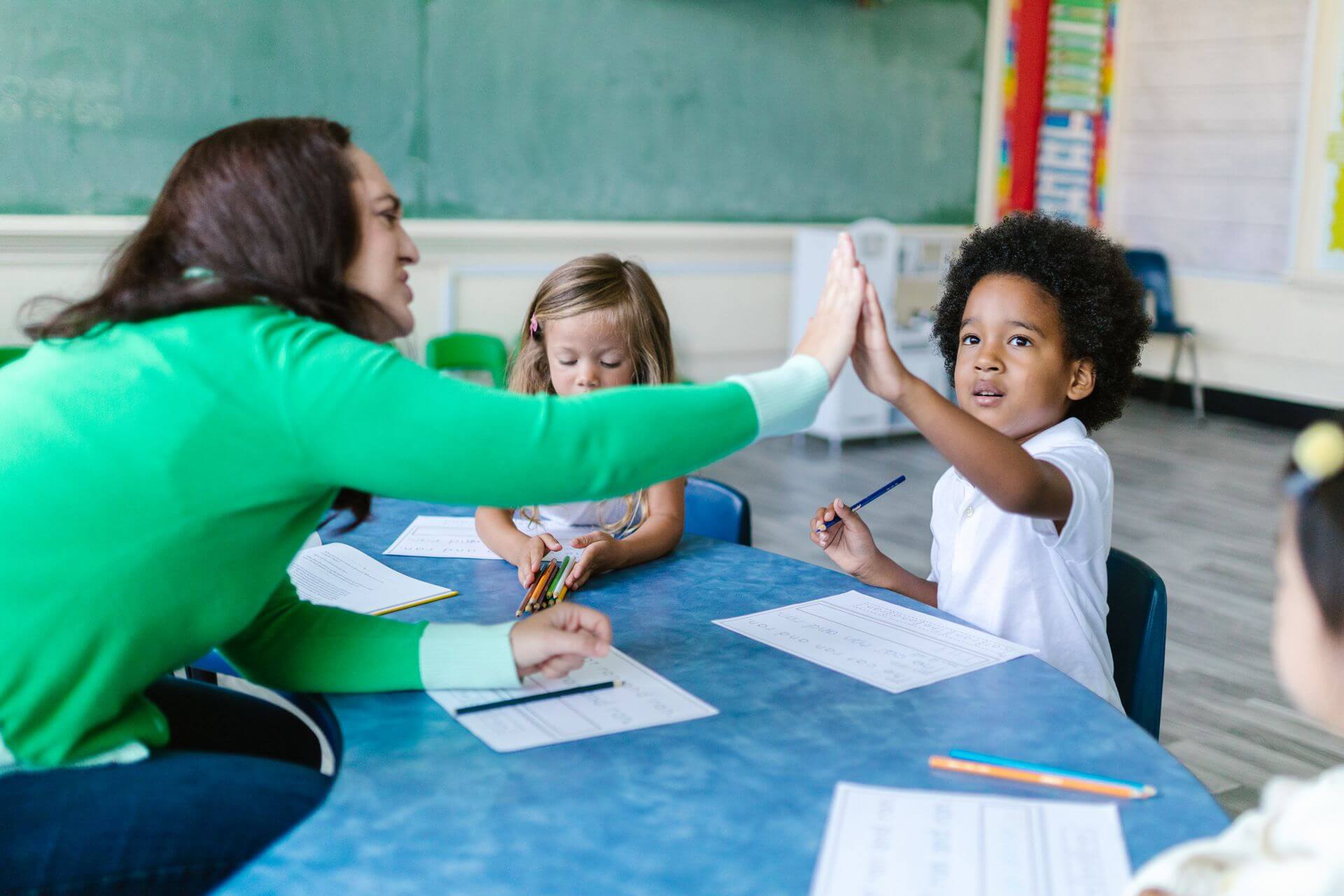
How Feedback Helps Children Improve Their Ideas Through Venture Building
When children share an idea, they often hope others will like it. A positive response can be encouraging, especially when they have spent time developing something of their own. But what happens when someone questions a decision, suggests a different approach or points out something they had not considered?
These moments can be challenging at first. With the right guidance, however, they become valuable opportunities to think more carefully about their work.
In venture-building experiences, feedback is part of how children develop and refine their ideas. They learn to listen to different viewpoints, consider which suggestions are useful and decide what they want to change. Over time, they begin to see their work from perspectives beyond their own.
1. Helping Children Understand the Purpose of Feedback
For a young learner, hearing that something could be improved can feel personal. A child who has spent an afternoon creating a poster or building a prototype may feel disappointed when someone questions it. They may interpret a comment about their work as a judgement of their ability.
This is why the environment in which feedback is shared matters. Children need to feel comfortable showing work that is still developing, without worrying that every unfinished detail will be judged.
When educators establish this sense of safety, learners are more willing to share early ideas and talk about the decisions behind them. For example, saying that a particular section of a presentation is difficult to follow gives a child something specific to consider. It does not diminish the effort or thought that went into creating it.
Children gradually learn to accept suggestions, ask questions when something is unclear and decide how to respond.
2. Learning to Ask for Feedback at the Right Time
Children may be accustomed to showing their work once they believe it is finished. But venture building gives them opportunities to seek opinions during the process.
If a learner waits until the final presentation to ask for feedback, there may be limited scope to make meaningful changes. Asking earlier allows them to consider suggestions while they still have room to explore different approaches.
The type of question also matters. A general request such as ‘What do you think?’ may invite broad reactions, whereas a more focused question helps the person responding understand what kind of input would be useful.
A child developing a prototype or a pitch, for instance, might ask:
- Is this part of my idea clear?
- What would make this easier to use?
- Have I explained this in a way that makes sense?
As they gain experience, learners become better at identifying the kind of feedback they need. They may want help communicating an idea, checking whether an explanation is understandable or hearing how someone responds to a particular feature of their work.
3. Understanding Different Perspectives
Two people can look at the same idea and notice different things. Their responses may depend on their experiences, expectations and familiarity with the subject.
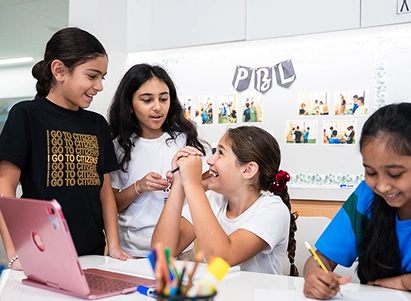
Children begin to recognise this when they share their work beyond their immediate group. A classmate may focus on the clarity of an explanation, while an educator may consider how well the learner has communicated their thinking. Someone experiencing the work for the first time may notice things the child had overlooked.
These differences are valuable because they show learners that their understanding is only one way of looking at an idea.
For example, a child may find the instructions accompanying a model straightforward because they already know how it works. However, someone encountering it for the first time may interpret them differently. Both perspectives are worth hearing.
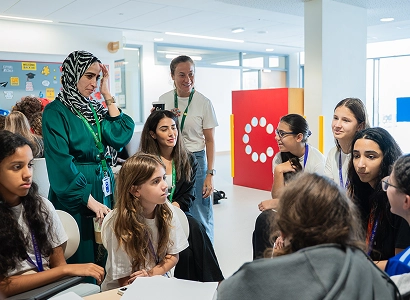
Mentors can help by encouraging children to listen without immediately defending their choices. Asking why someone might have responded differently helps them develop a more considered approach to discussion.
4. Deciding Which Suggestions to Use
Receiving feedback and deciding what to do with it are two different things. Children may hear several suggestions. Some may be helpful, while others may simply reflect personal preferences or practical limitations.
For instance, a suggestion to use a different colour in a presentation might simply reflect someone’s taste. A comment that the text is difficult to read points to a more practical consideration. Recognising the difference helps children assess feedback rather than treating every opinion as equally relevant.
Educators play an important role here. They can guide learners to compare a suggestion with the purpose of their work and the people it is intended to serve. They might ask, ‘How would this change help your idea?’ or ‘Would you be able to make that adjustment with the resources you have?’
These questions encourage children to think through their options. They also leave the decision with the learner.
5. Using Feedback to Identify What Needs to Change
Feedback becomes particularly useful when children can connect a comment to a specific part of their work. It may highlight an unclear explanation, a missing detail or a difficulty that emerges when someone tries their idea.
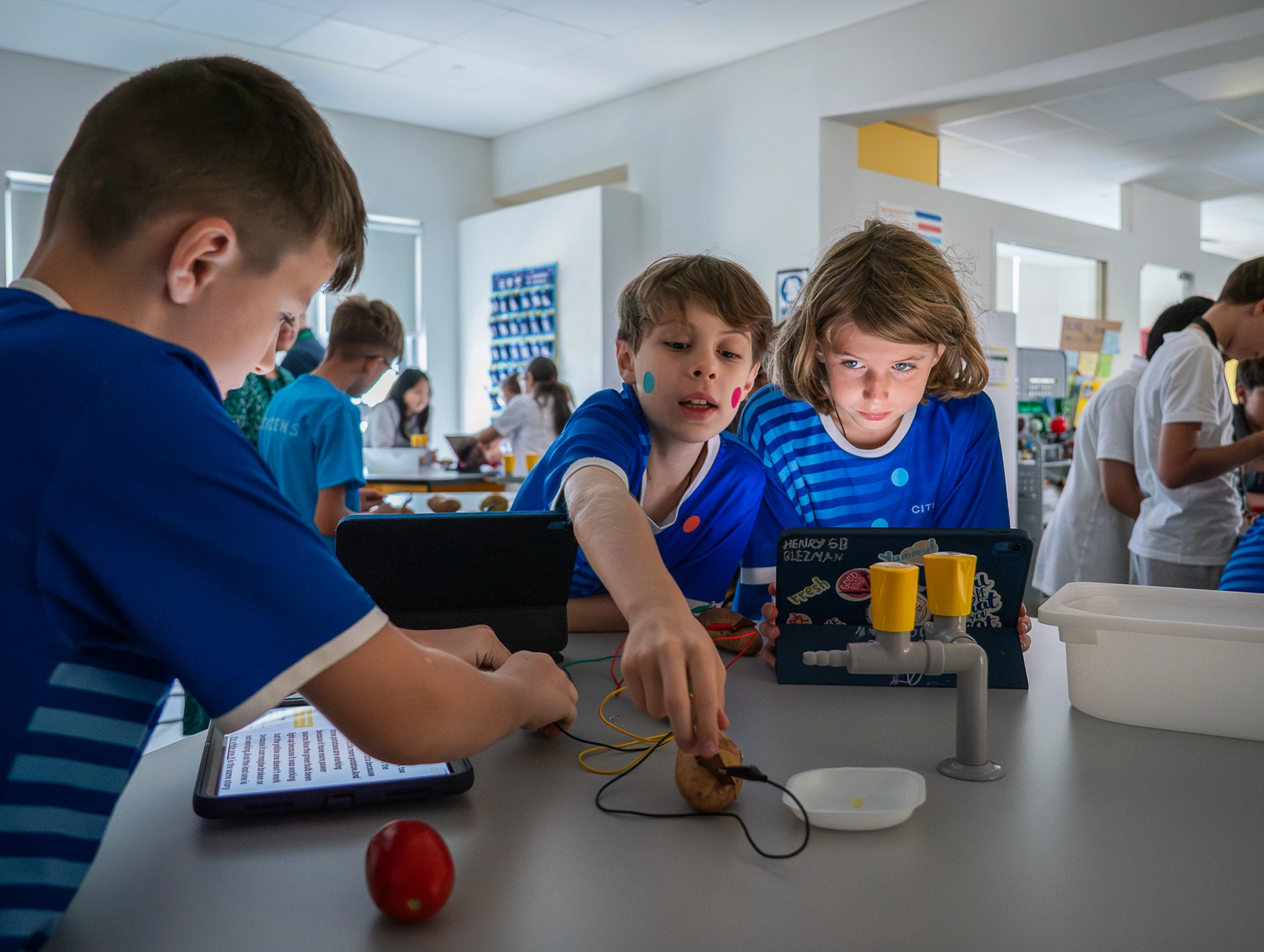
For example, a learner who shares a prototype with a classmate may discover that, although its purpose is clear, one part is difficult to use. This gives the learner something concrete to examine, such as clarifying an instruction or adjusting the arrangement of components.
Similarly, during a presentation, an audience may understand the main point but struggle to follow how the learner reached a particular conclusion. The child can then revisit that section and make the explanation clearer.
The important thing is to help children identify what needs attention rather than discard an entire piece of work because one element needs revision.
One way to support this is to encourage learners to prioritise. Which change would make the biggest difference? What can be adjusted now, and what needs further review?
Working through improvements in manageable stages helps children approach revision with greater clarity. They begin to understand that developing an idea involves revisiting it, examining details and making adjustments along the way.
6. Giving Feedback Is Equally Important
Children also develop their understanding of feedback when reviewing someone else’s work. This requires them to pay attention, understand what the other person is trying to achieve and communicate their thoughts with care.
This can be a learning experience in itself. A comment like ‘I don’t like this’ offers little guidance, while a specific observation such as ‘I wasn’t sure what this part was meant to do’ is easier to understand and respond to.
Mentors can guide children to describe what they notice and explain their responses. They can also model the importance of asking questions before making assumptions. If a classmate’s idea seems unclear, asking them to explain their thinking may be more useful than immediately suggesting changes.
Peer feedback introduces learners to different approaches and encourages a classroom culture where children can exchange views without dismissing one another’s contributions.
Over time, they become more careful communicators, understanding that useful feedback requires consideration for both the person receiving it and the work being discussed.
7. How the Educator’s Role Changes as Children Grow
The way educators guide feedback needs to reflect a child’s age and level of independence. Younger learners may need help understanding a comment or finding words to describe how they feel about a suggestion. Older children can take a more active role in interpreting feedback and deciding what to do next.
Rather than immediately providing answers, educators can use questions to encourage reflection. If a child is unsure how to respond to a suggestion, an educator might ask, ‘What do you think the person was trying to tell you?’ or ‘Is there another way you could approach this?’
This gives learners time to think through the comment instead of relying on an adult to resolve every uncertainty.
As children become more experienced, educators can gradually step back. They remain available to guide discussion, but learners take greater responsibility for reviewing their work and explaining their decisions.
The balance is important. Children need enough support to engage constructively with feedback, while still having the opportunity to develop their own judgement.
8. Feedback in Practice: Moments from Venture Building at Citizens School
At Citizens School, feedback is part of the conversations that take place as learners develop and share their ventures. These exchanges give children opportunities to hear how their work is understood by people with different experiences of it.
Consider a learner developing a venture over several weeks. Early on, a classmate might ask how one feature works, prompting the learner to explain a decision more clearly. Later, a mentor may ask what led them to choose that particular approach. By the time the learner presents at an event such as the Venture Building Expo, their idea has already been shaped by several rounds of conversation.
Each interaction brings a different kind of conversation. The learner has to listen, explain their thinking and consider whether a response should influence their next decision.
These experiences connect with Citizens’ skills such as self-awareness, critical thinking, empathy and resilience. Children practise reflecting on their own work while remaining open to how others experience it.
Feedback therefore has a place beyond a single review or presentation. It becomes part of the discussions through which learners examine their ideas and make decisions about their development.
For a wider understanding of this approach, explore the guide to venture building at Citizens.
Conclusion
Learning to work with feedback takes practice. Over time, children become more confident sharing ideas, weighing up comments and choosing their next step. Some comments will lead to changes; others may help them understand why an existing decision still makes sense.
Educators make these exchanges more meaningful by creating a supportive environment, asking thoughtful questions and giving learners increasing responsibility as they grow.
When children become comfortable discussing unfinished work and considering another point of view, they develop a more reflective relationship with their own ideas. They learn to treat feedback as a useful part of learning, one they can return to whenever their work calls for another look.
Parents can support this at home too. When your child shows you something they have made, try describing what you notice and asking a question before offering suggestions. This shows them that feedback is a conversation, not a verdict.
Next time your child shows you something they’ve made, try asking: ‘What would you change if you did it again?’
Want to know more? Speak to us today.