



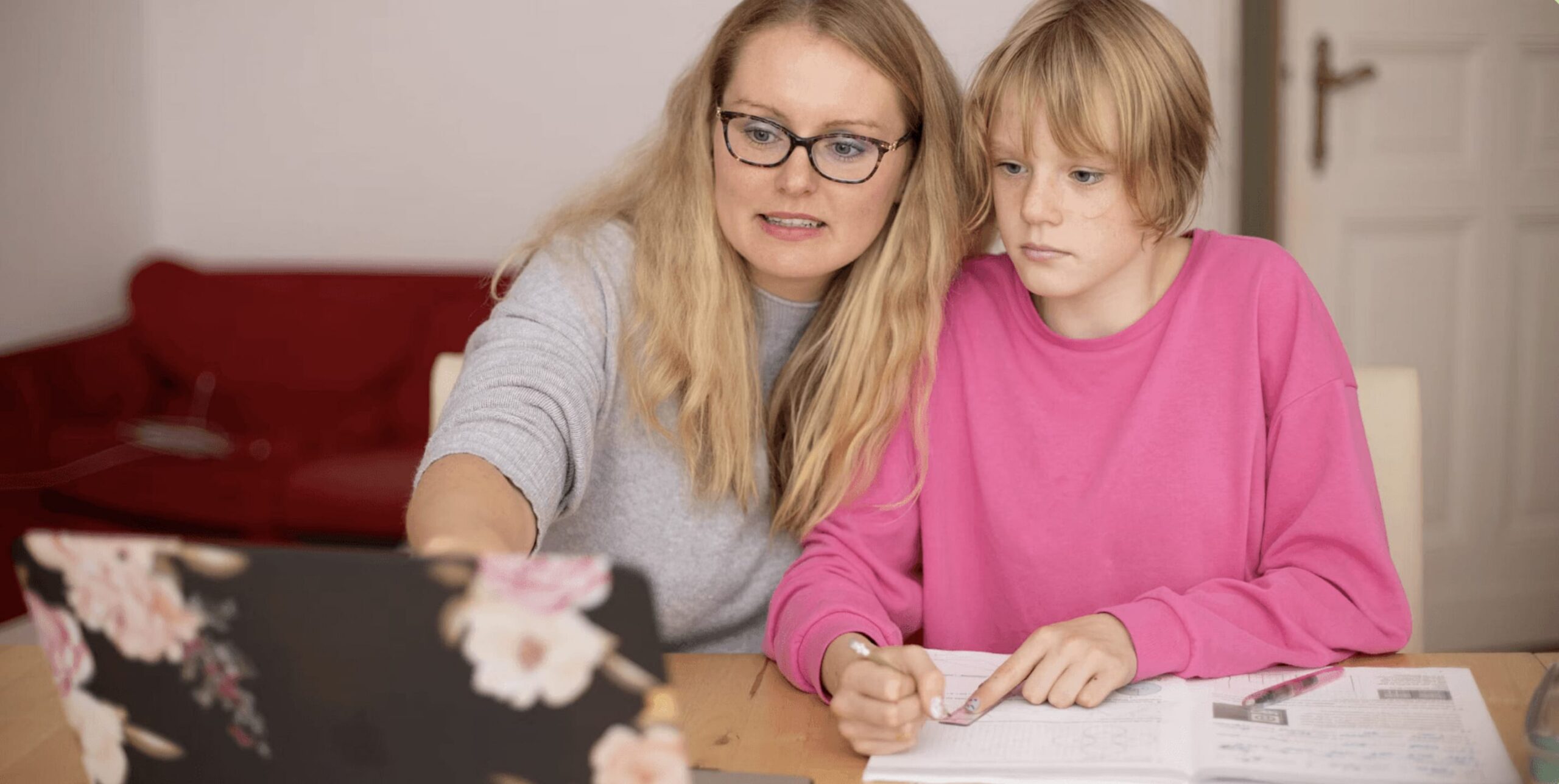
“Can you finish your homework before dinner?”
It’s a question many parents ask almost every evening. Sometimes the answer is a quick “yes”. Other times, homework stretches well into the night, leaving children frustrated, parents exhausted, and family time cut short.
Homework has always been part of school life, but as expectations evolve, so do parents’ concerns. Is all this extra work helping children learn, or is it simply adding more pressure to an already busy day?
The truth is, homework can be incredibly valuable when it’s purposeful. It reinforces classroom learning, builds independence, and encourages good study habits. But when the workload becomes excessive, it can affect motivation, well-being, and even a child’s love of learning.
According to the OECD, students in the UAE spend an average of 9.6 hours per week on homework — significantly above the OECD average of 4.9 hours. For Dubai parents, that gap makes this conversation more important than ever.
So how do you know if your child has the right amount of homework? Here are seven things every Dubai parent should know to help strike a healthy balance between academic progress and childhood.
1. Homework Should Reinforce Learning, Not Replace It
Homework works best when it builds on what children have already learned in the classroom. Its purpose is to reinforce concepts, strengthen understanding, and gradually help learners become more independent. If homework feels like your child is learning a topic for the first time, something isn’t working.
Effective homework helps children:
- Reinforce classroom learning through meaningful practice
- Build independent study habits
- Review and apply new concepts with growing confidence
- Focus on quality rather than repetitive tasks
The difference lies in purpose. When homework feels meaningful, children are more likely to stay engaged.
2. More Homework Doesn’t Always Lead to Better Results
Many parents assume that more homework equals stronger academic outcomes. In reality, research suggests the connection is far less straightforward, particularly in the primary years.
According to the OECD’s PISA findings, the relationship between homework and academic achievement is relatively modest, especially in primary school. Similarly, a review by the Brookings Institution highlights that excessive homework offers limited benefits for younger learners and may even reduce motivation over time.
Instead, effective homework should:
- Prioritise meaningful learning over lengthy assignments
- Be appropriate for the child’s age and stage of development
- Leave time for rest, play, and family life
Children learn best when they are more engaged and less exhausted.
3. Signs Your Child May Be Getting Too Much Homework
Every child has a different capacity, but when homework begins to dominate their evenings or affect their mood, it is important to take a closer look.
Signs your child may be overloaded include:
- Regular frustration or resistance at homework time
- Stress or anxiety linked to schoolwork
- Less time for play, hobbies, or family activities
- Frequent late nights spent finishing assignments
- A noticeable drop in motivation or confidence
Homework should challenge children, but it should not consistently leave them feeling discouraged or overwhelmed. If these signs become the norm rather than the exception, it may be time to speak with their teacher about finding a healthier balance.
4. Homework Should Grow with Your Child
A five-year-old and a fifteen-year-old learn very differently, so their homework should reflect that.
A balanced approach typically looks like this:
- Early years: Reading together, conversations, and learning through play
- Primary years: Short, purposeful activities that strengthen literacy, numeracy, and routines
- Secondary years: Greater independence through projects, revision, and longer-term assignments
Homework should support a child’s developmental stage while providing an appropriate level of challenge that builds confidence, independence, and academic progress. When expectations match a child’s age and readiness, learning becomes more meaningful and far less stressful.
5. Learning Happens Outside Homework Too
Homework is only one part of a child’s learning journey. Children continue learning long after the school bell rings. In fact, many of the skills they will use throughout life are developed through everyday experiences rather than formal homework.
Children continue learning through:
- Reading for enjoyment
- Watching documentaries to deepen understanding
- Creative play and personal projects
- Family conversations and problem-solving
- Sports, music, drama, and other extracurricular activities
- Everyday experiences such as cooking, budgeting, or travelling
These moments build creativity, communication, confidence, and critical thinking in ways homework alone cannot. A well-rounded childhood leaves room for both structured learning and real-world experiences.
6. What Parents Can Do When Homework Feels Excessive
When homework becomes a daily struggle, it is tempting to step in and solve the problem. But the most effective support often comes from creating the right environment rather than completing the work for them.
Parents can help by:
- Establishing a consistent homework routine
- Creating a quiet, distraction-free workspace
- Encouraging independence while offering guidance when needed
- Speaking with teachers if the workload regularly feels unmanageable
- Praising effort, persistence, and understanding instead of perfection
Sometimes a simple conversation with the school can make a significant difference. Homework should help children grow in confidence — not leave them feeling defeated at the end of every day.
7. A Better Question to Ask: Is Homework Helping Your Child Grow?
The real question is not how much homework your child has. It is whether it is actually helping them grow.
Consider asking:
- Is the homework meaningful and engaging?
- Is my child building confidence as they complete it?
- Do they still have time for rest, family, and hobbies?
- Is it encouraging curiosity rather than creating frustration?
The most effective homework does not just improve academic skills. It helps children develop responsibility, confidence, and a positive attitude towards learning that lasts well beyond the classroom.
Finding the Right Balance Between Learning and Childhood
Strong learning environments recognise that academic progress and wellbeing go hand in hand. Children need opportunities to be challenged, but they also need time to rest, play, and simply enjoy being children.
A balanced approach includes the following:
- Steady academic progress without constant pressure
- Time for sleep, play, exercise, and social connection
- Opportunities for independent exploration and curiosity
- Positive attitudes towards learning instead of fear of making mistakes
- A focus on developing the whole child, not just academic results
When children have the space to learn, rest, and simply be children, they’re more likely to stay engaged, resilient, and confident throughout their educational journey.
Conclusion
The goal was never to eliminate homework, it was always to make sure it earns its place in your child’s evening.
The best homework reinforces learning, encourages independence, and gives children the confidence to apply what they have discovered in the classroom. It should not leave them feeling overwhelmed or take away from the things that matter just as much — time with family, opportunities to play, and the space to simply recharge.
If your evenings regularly feel like a battle over unfinished assignments, it may be worth shifting the question from how much homework your child has to whether it is genuinely helping them become a more confident and curious learner. Because childhood is not a rehearsal. The time your child spends at the kitchen table should build their confidence — not cost them their joy.
When schools and parents work together to strike the right balance, homework becomes what it was always meant to be: a tool that supports learning, not something that overshadows childhood.
Shortlisting schools for your children? Get in touch with Citizens School today.
FAQs
1. How much homework should a primary school child have?
While expectations vary between schools, many educators recommend keeping homework manageable in the primary years, with enough time remaining for play, reading, and family activities.
2. Does more homework improve academic performance?
Not necessarily. Research shows that the quality and purpose of homework are generally more important than the amount assigned, particularly for younger learners.
3. What should I do if my child is overwhelmed by homework?
You can start by understanding what’s causing the difficulty. If homework consistently causes stress or takes far longer than expected, speak with your child’s educator to discuss appropriate support or adjustments.
4. Should children have homework every day?
This depends on their age and school policy. Younger children often benefit more from regular reading and short practice activities than from lengthy daily assignments.
5. How can parents support homework without doing it for their child?
Create a consistent routine, provide a quiet place to work, encourage problem-solving, and offer guidance when needed. The goal is to build independence, not complete the work on your child’s behalf.