Citizens School



 English


Inside Citizens School: Where Values Shape Every Learner
Globally, schools are rethinking what prepares children for the future. Academic achievement matters, but it’s not the only predictor of success. Learners need emotional intelligence, adaptability, social awareness, and a deep sense of responsibility toward themselves and their communities. These qualities grow through values embedded across school life, not just the curriculum.
Citizens School’s approach aligns with this shift. Our core values are:
- Sustainable Development
- Empathy
- Inclusivity
- Growth Mindset
- Curiosity
- Resilience
- Wellbeing
These aren’t just statements on a wall. They guide every decision, interaction, and learning experience at Citizens. Leaders and mentors embed these values intentionally into the learning culture, so children grow academically and as thoughtful, compassionate people.
Below, we expand on the principal’s message and explore how values come to life across the Citizens community.
The Citizens Approach: Values as Lived Experiences
Values at Citizens School are lived, not lectured. Children experience them daily, through learning projects, peer interactions, routines, and real-world challenges. Research shows that values-based education improves engagement, social cohesion, and long-term well-being.
Citizens follows a simple principle:
When children live their values, they learn their values.
This principle makes learning purposeful, discussions reflective, and classrooms collaborative. This encourages learners to internalise habits and thinking patterns that last beyond their school years.
1. Sustainable Development: Building Conscious Global Citizens
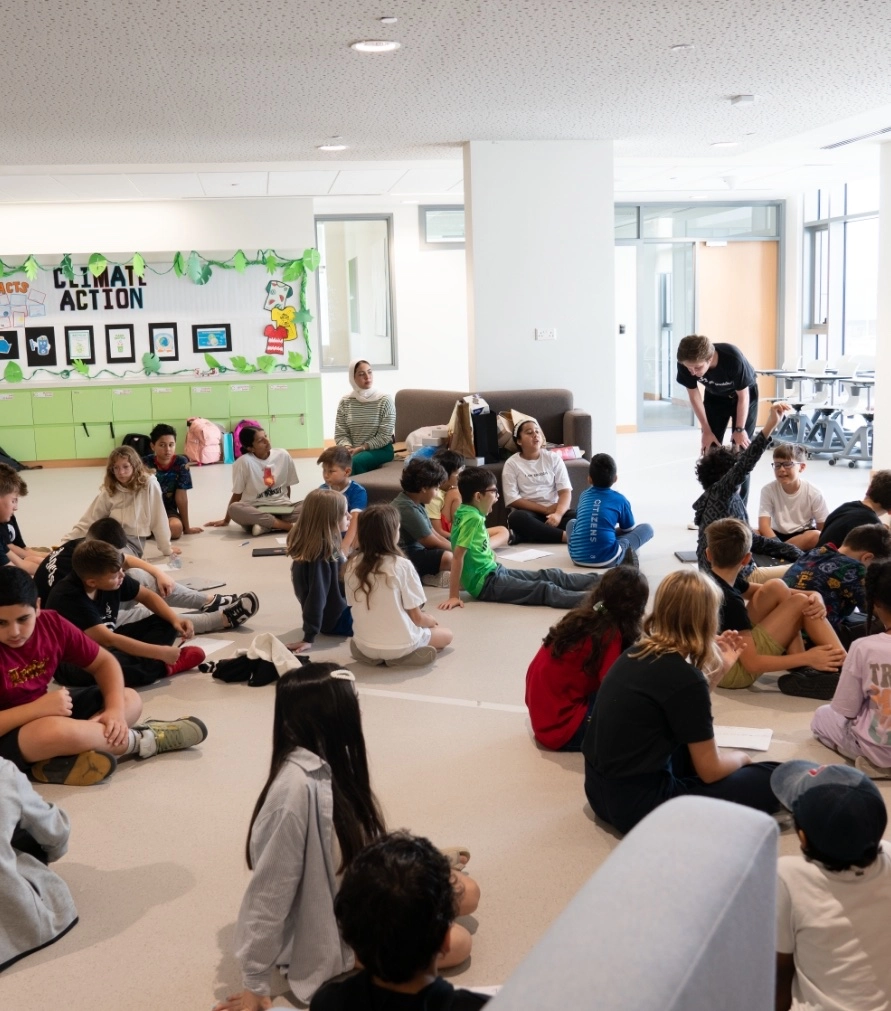
Sustainability at Citizens is a mindset that helps children understand their role in a shared world. Learners engage in age-appropriate projects that encourage stewardship, responsible decision-making, and awareness of how daily actions impact the planet.
Examples of how sustainable thinking comes alive on campus include:
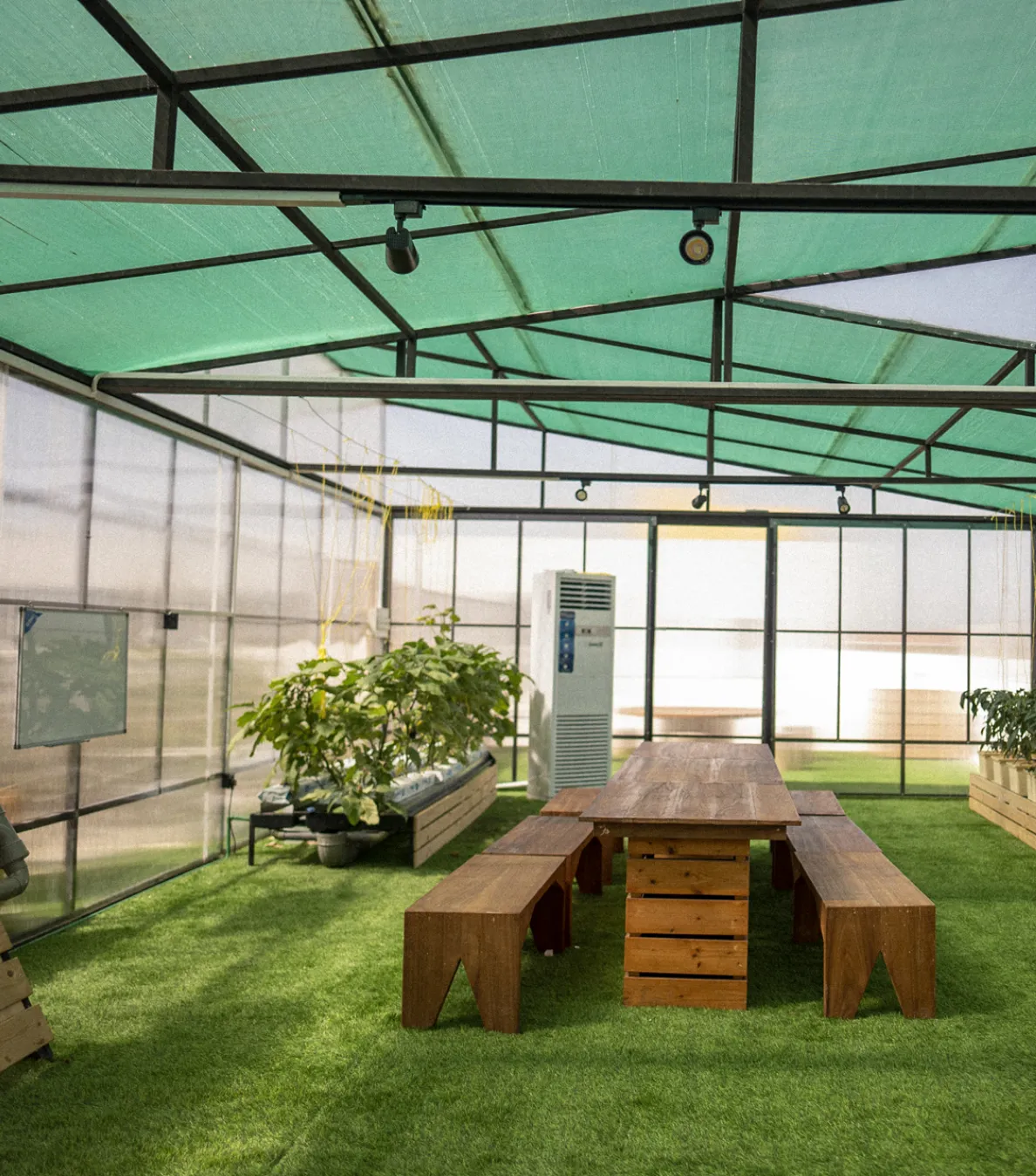
The Green House initiative demonstrates how learning spaces can be designed for eco-conscious living. These vary from rainwater irrigation systems to native-plant landscaping that supports local ecology.
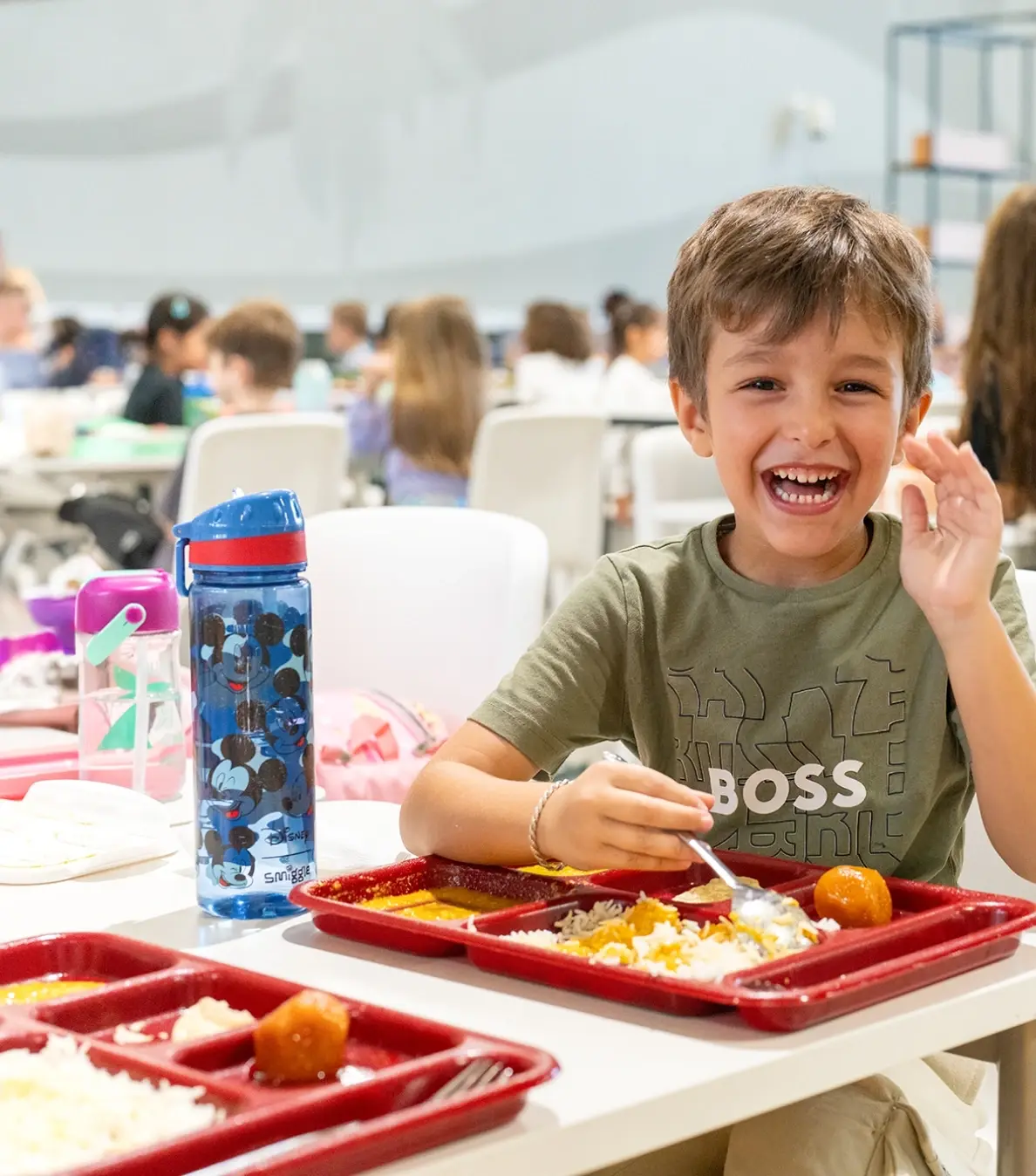
A low-waste canteen culture, where single-use plastics are reduced, and reusable containers and refillable bottles are encouraged. Water-refill stations and daily routines help learners adopt sustainability as a natural habit.
Hands-on experiences, such as the “From Patch to Plate” potato harvest, where learners grow and gather their own crops, building a firsthand understanding of soil health, food cycles, and the value of local produce.
Eco-Warriors, a learner-led group that takes initiative in promoting eco-friendly choices, spreading awareness, and modelling responsible behaviour, instilling leadership, empathy, and environmental stewardship.
Together, these experiences show children that sustainability is a daily practice. At Citizens School, learners are encouraged to be thoughtful, respectful of shared spaces, and aware that even small actions can contribute to a healthier world.
2. Empathy: Understanding People, Perspectives, and the World
Empathy at Citizens School is nurtured intentionally, not assumed as something children “pick up” over time. Educators, called Mentors at Citizens, create safe spaces where learners can express emotions, understand viewpoints, and recognise how their actions impact others.
The aim is to move children from simple sympathy to genuine perspective-taking, an essential skill for collaboration and healthy relationships. Examples include:
Emotion-mapping activities where learners identify and label their feelings, helping them build emotional vocabulary and self-regulation.
Collaborative classroom agreements co-created by learners to ensure fairness, responsibility, and respect in shared spaces.
Peer-support routines where older learners buddy with younger learners to assist them during transitions, helping build compassion through real interactions.
These experiences help children internalise empathy as a life skill.
3. Inclusivity: A School Environment Where Every Child Belongs
Inclusivity at Citizens School goes beyond accommodation. It entails designing a learning ecosystem where every child feels seen, valued, and empowered to contribute. Examples of how inclusive learning works is:
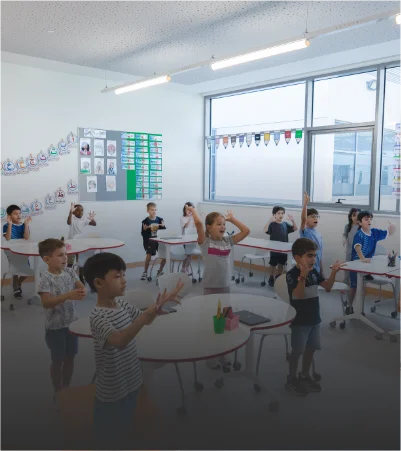
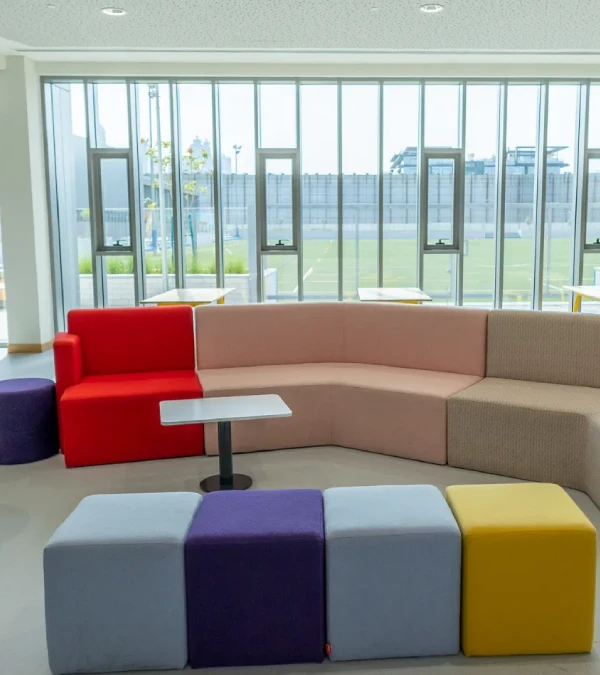
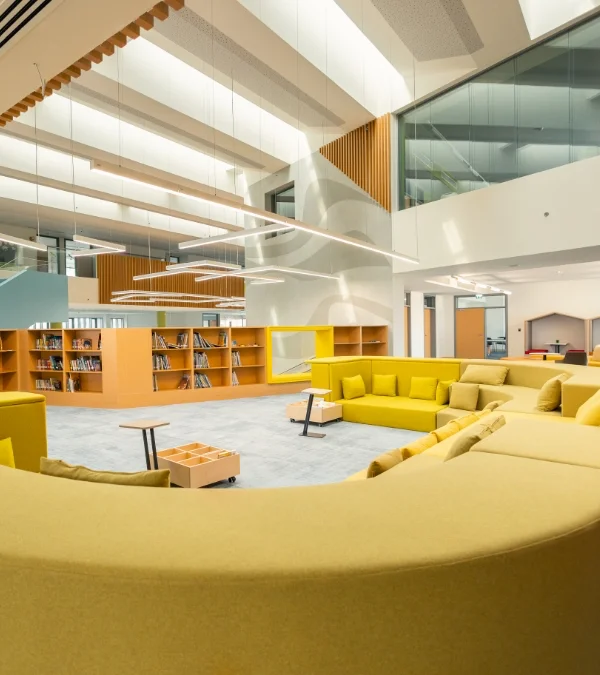
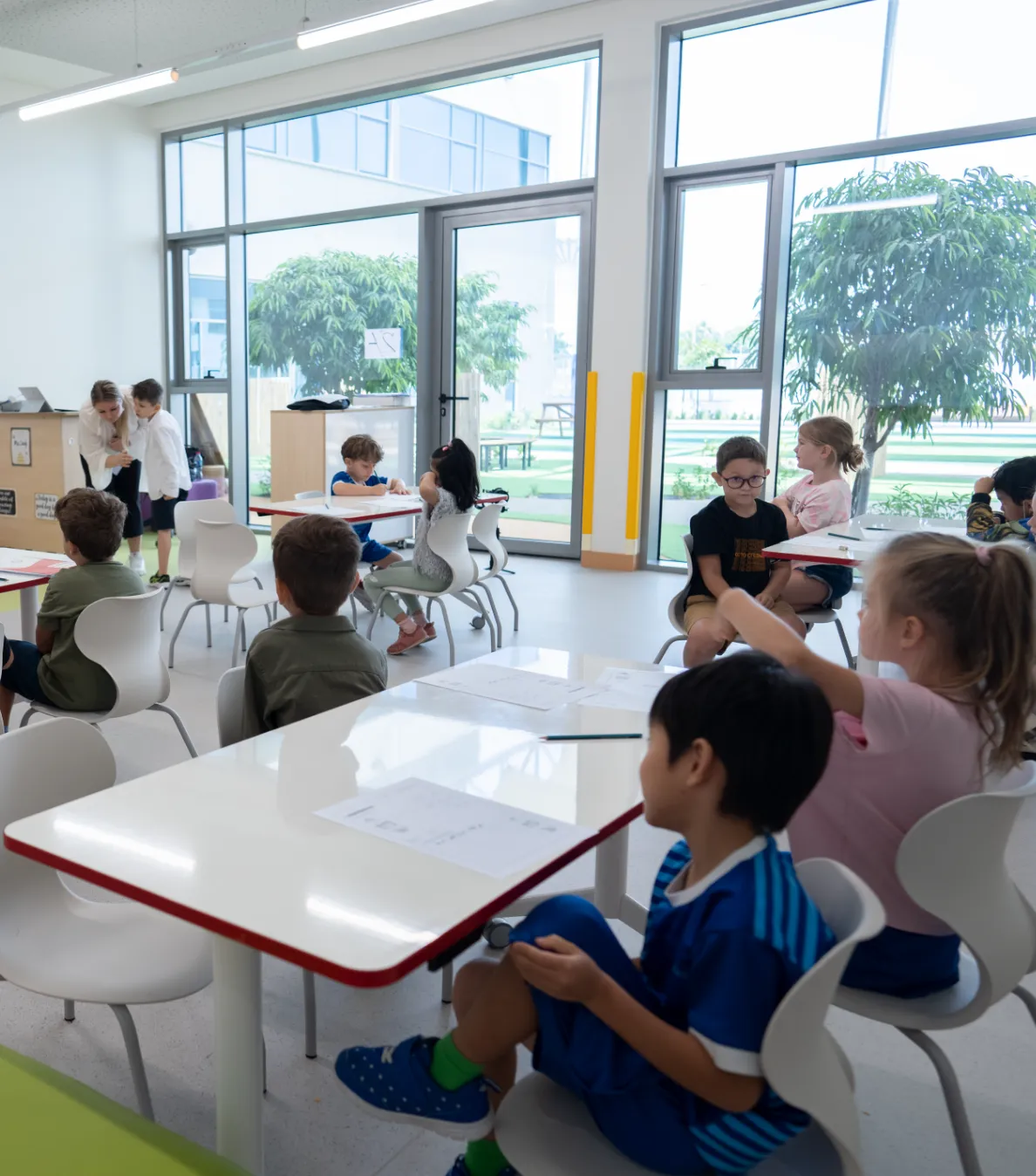
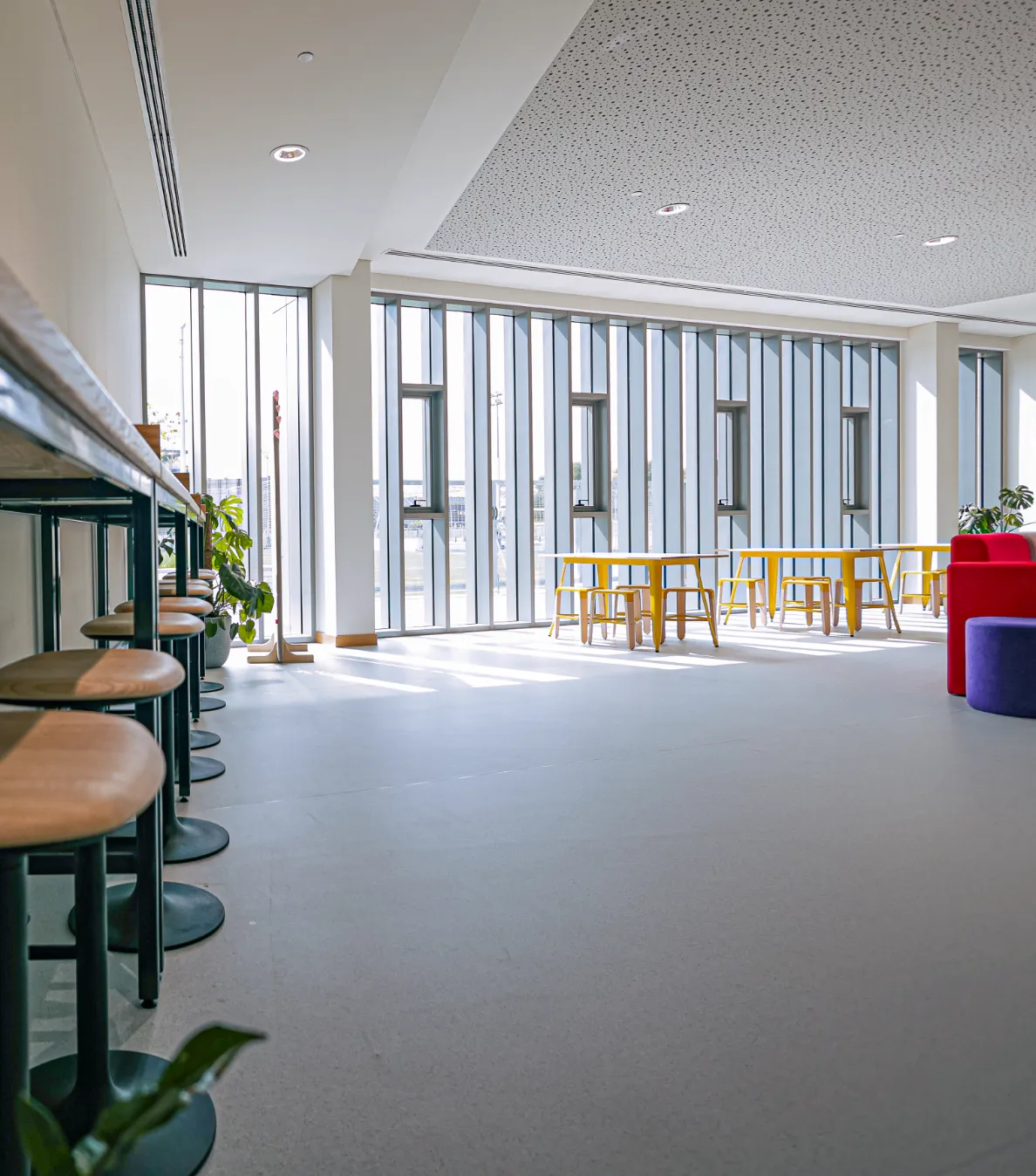
Flexible seating and adaptive learning spaces that allow children to choose environments where they feel most comfortable and productive.
Multimodal teaching approaches, such as visuals, movement-based tasks, storytelling, and hands-on work, are used to meet a wide range of learning needs.
Celebration of cultural and linguistic diversity through, global festivals, and multilingual storytelling sessions.
Individualised learning pathways where tasks are adjusted to match learners’ readiness levels, ensuring every child experiences success without comparison.
These practices build belonging and psychological safety, so children participate confidently and respect differences.
4. Growth Mindset: Learning Through Reflection and Courage
A growth mindset is nurtured through daily practices that teach children that learning is an evolving journey, not a race to perfection. Learners are taught that mistakes are informative, challenges are growth opportunities, and persistence is a skill that strengthens with practice.
This approach helps build intellectual bravery. Examples of inculcating a growth mindset include:
‘Try Again Time’ moments, where children revisit tasks with new strategies rather than stopping at the first sign of difficulty.
Feedback focused on effort, strategies, and improvement, helping learners understand what they did well and what they can refine next.
Learning journals and reflection chats that allow students to articulate what they found challenging and how they overcame it.
Celebrating small wins and progress markers, reinforcing that growth often happens in incremental steps, not dramatic leaps.
These practices help children become capable, adaptable, and resilient, essential for an evolving world.
5. Curiosity: The Engine of Lifelong Learning
Curiosity drives learning at Citizens School and plays a key role in fostering the culture of Innovation at Citizens School. We consider it to be a habit that grows with the right environment and interactions.
Examples of how curiosity is fostered daily include:
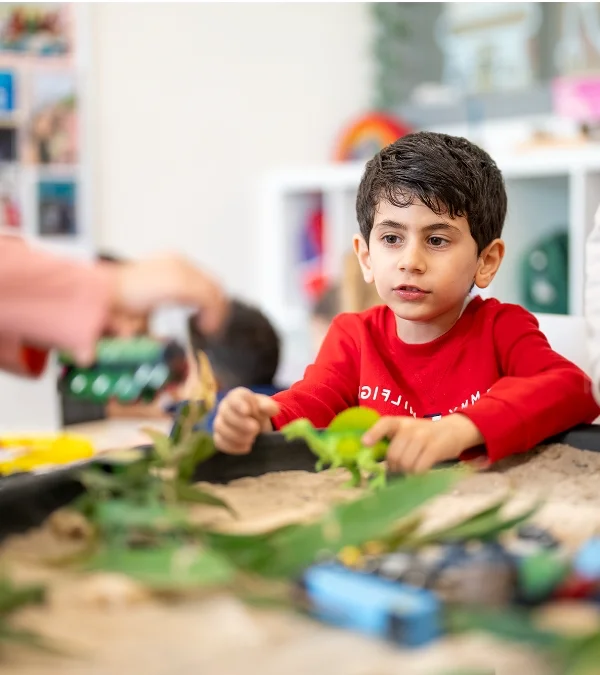
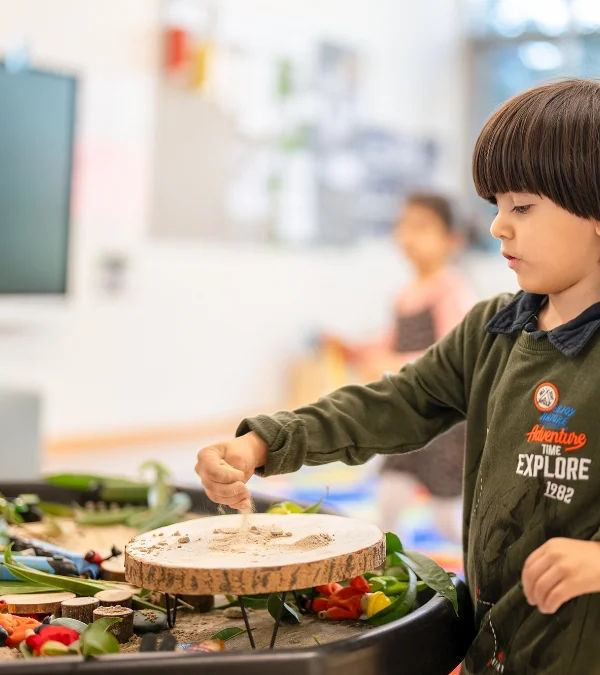
Inquiry stations and question corners where children can investigate materials, phenomena, or topics sparked by their own interests.
Open-ended conversations and “wonder time”, giving learners space to ask complex questions without the pressure of immediate answers.
Mini-experiments and classroom challenges that encourage children to test predictions, adjust ideas, and analyse outcomes.
Exploring multiple perspectives through books, stories, and real-life scenarios, teaching learners that curiosity expands when we listen to others.
These experiences help young learners build mental agility, deepen comprehension, and develop the confidence to approach new situations with interest rather than hesitation, laying the groundwork for Entrepreneurship in Education.
5. Resilience: Building Confidence through Challenges
Children learn that setbacks are part of learning. They are encouraged to take risks, try new strategies, and reflect on how to improve – practices that build persistence and self-belief. Some examples include;
Problem-solving invitations that encourage experiment, mistakes, and iteration so learners develop persistence.
Guided reflection conversations that help children identify what worked, what didn’t, and next steps to try.
Opportunities to take initiative, such as choosing materials, leading group tasks, or contributing ideas, which build independence and confidence.
These experiences cultivate a resilient mindset: children who feel capable, confident and ready to face challenges with courage.
6. Wellbeing: Supporting Emotional Balance and Inner Strength
Wellbeing practices help children recognise, express, and regulate their emotions. They develop the ability to pause, reflect, and regain composure when overwhelmed. Examples include:
Calm corners and reflection spaces for breathing, rest and regrouping during emotional moments.
Morning circles and emotional check-ins that expand children’s emotional vocabulary and peer support.
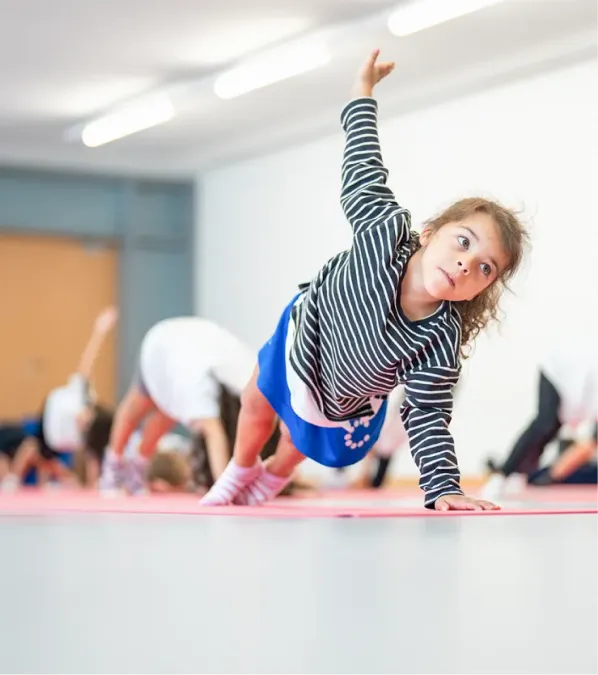
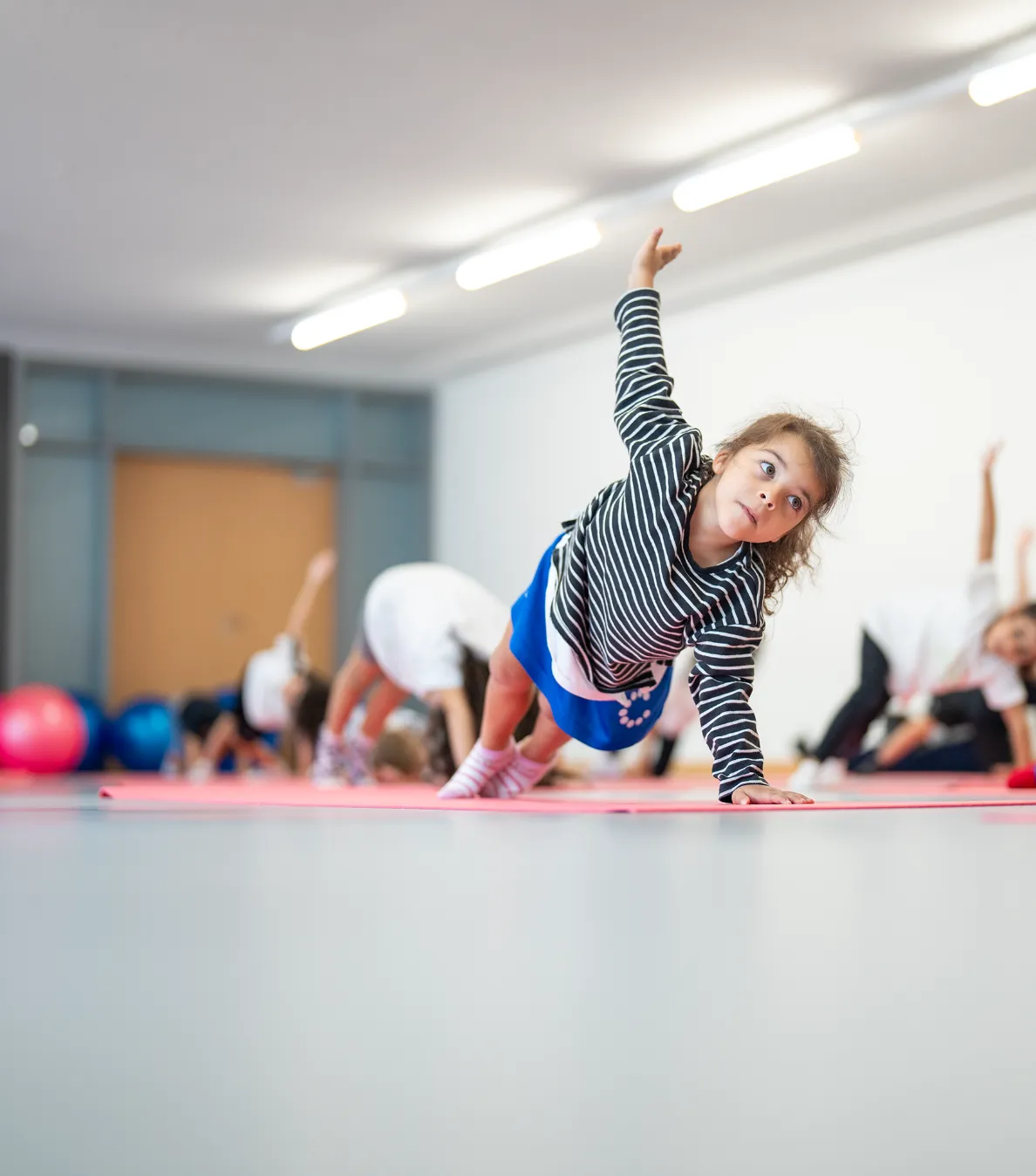
Mindfulness and movement activities, like yoga, stretching, and guided relaxation, that improve focus and emotional stability.
These habits help children feel grounded, supported, and deeply understood, laying the foundation for lifelong emotional health.
Future Outlook: Raising Future-Ready, Values-Driven Learners
Values anchor learners in a changing world. When children grow up with empathy, curiosity, resilience, inclusivity, a growth mindset, a commitment to sustainability, and a strong sense of wellbeing, they are prepared for life.
Citizens School continues to champion a values-driven approach that nurtures confident, thoughtful, and future-ready learners as part of its broader commitment to Reimagining Education. As our learners engage with the Citizens’ values, families gain a deeper understanding of how these principles shape every learner’s journey, today and for the future.
Footer

From Nursery to Year 10
Admissions
Open Now
Fill out the form below to find out more for the 2025-26 academic year.