



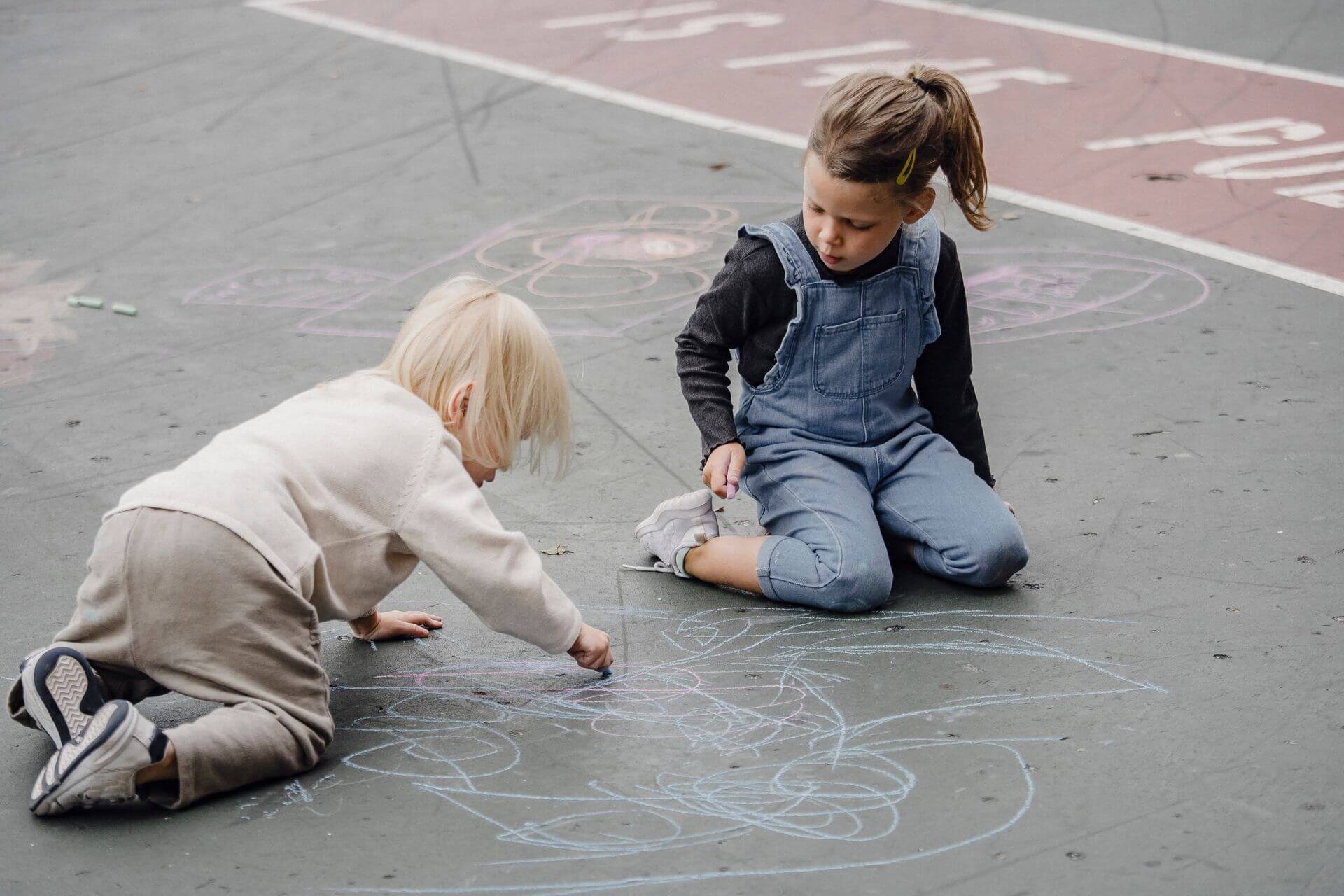
Venture building may sound like an activity designed for older students. The phrase often brings to mind independent projects, product development and decisions that require a degree of maturity. So, when parents hear that it is part of a school’s learning approach, a natural question follows: is my child old enough?
At Citizens School, venture building develops progressively, beginning with the earliest years and becoming more independent as learners grow. You can see its foundations in everyday experiences: a toddler choosing which material to explore, a five-year-old deciding what to make during play, or a Year 10 learner taking responsibility for a more substantial project.
Expectations differ at each stage. A nursery child is not expected to manage a project or understand commercial concepts. Their learning begins with exploration and simple choices. Older learners gradually take on more complex questions and greater responsibility.
Understanding this progression helps parents see how venture building can be appropriate from the early years onwards, without placing adult expectations on young children.
1. Nursery (3 Months–3 Years): The Earliest Foundations
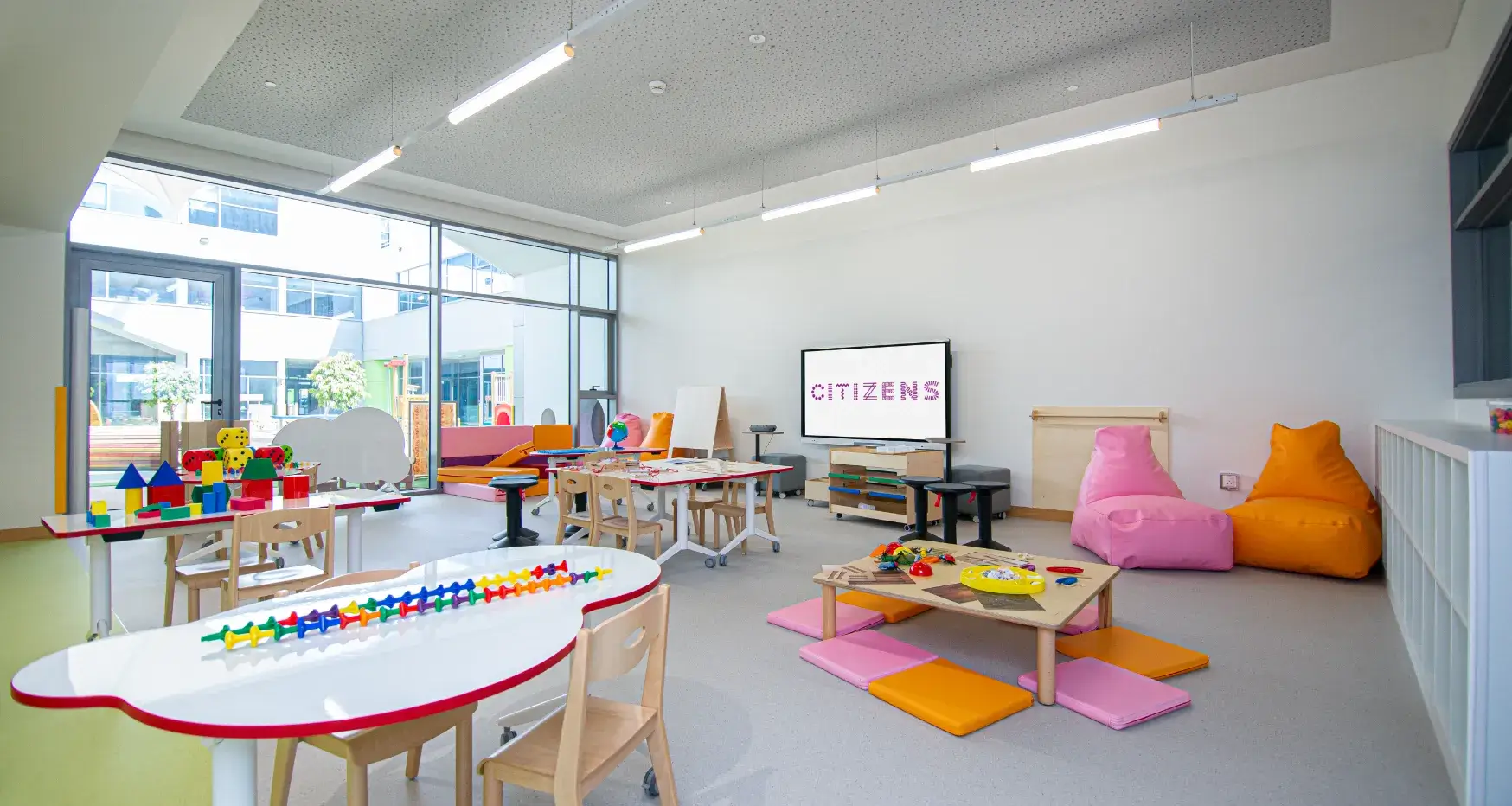
In the nursery years, learning begins through direct experience. Babies and toddlers discover their surroundings by touching, moving, listening and observing.
A child might discover that pressing a soft object changes its shape, or that moving a container causes its contents to shift. Choice also has an important place. A toddler choosing between two materials during sensory play is exercising an early form of agency.
At this age, mentors create an environment where children can explore safely without directing every action. They observe, respond to individual interests and introduce experiences that invite further discovery. Interaction with adults and other children also helps little ones learn through imitation and shared attention.
The emphasis is on exploration. These everyday experiences provide the earliest foundations for more intentional learning as children develop.
2. FS1–FS2 (Ages 3–5): From Exploration to Intentional Making
As children move into FS1 and FS2, their play becomes increasingly purposeful. They begin to form ideas about what they want to create and make more deliberate choices about how to approach an activity.
A role-play shop, for example, gives children an opportunity to decide what they want to sell, arrange their pretend products and take on different roles. Another child might build something for a friend, choosing materials and explaining what the finished creation is meant to do.
These experiences introduce a new dimension to play: intention. Children are beginning to connect an idea with an outcome.
Communication becomes increasingly important. Mentors can encourage learners to explain what they have made, describe why they chose a particular material, or consider how their creation might change. Collaborative activities also introduce the experience of sharing resources and listening to another child’s suggestions.
The mentors role is to encourage this thinking while allowing children to retain ownership of their choices.
3. Primary (Years 1–3): Making Choices and Taking Ownership
By Years 1–3, children are increasingly able to take responsibility for their ideas and contribute more actively to classroom projects.
They can begin investigating questions, collecting simple information and considering different ways to complete a task. For instance, a class market stall could allow learners to develop a simple product idea and decide how they want to present it. They might discuss what would make the product useful or appealing, then consider how best to explain their choices to others.
The significance lies in the decisions children make along the way.
Learners begin to recognise that their choices influence the outcome. They may need to agree on materials, divide responsibilities or explain why they prefer one approach over another. Working with peers also introduces different perspectives. A classmate may suggest an alternative that changes the direction of the project.
Mentors provide structure and guidance, particularly when children encounter decisions that feel difficult. However, they also create space for learners to make manageable choices independently.
This is an important stage in developing ownership. Children begin to see their contribution as an integral part of the work rather than simply following instructions.
4. Upper Primary (Years 4–6): Working With Greater Independence
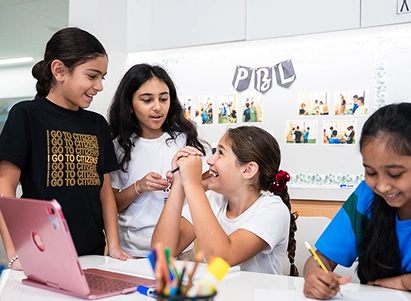
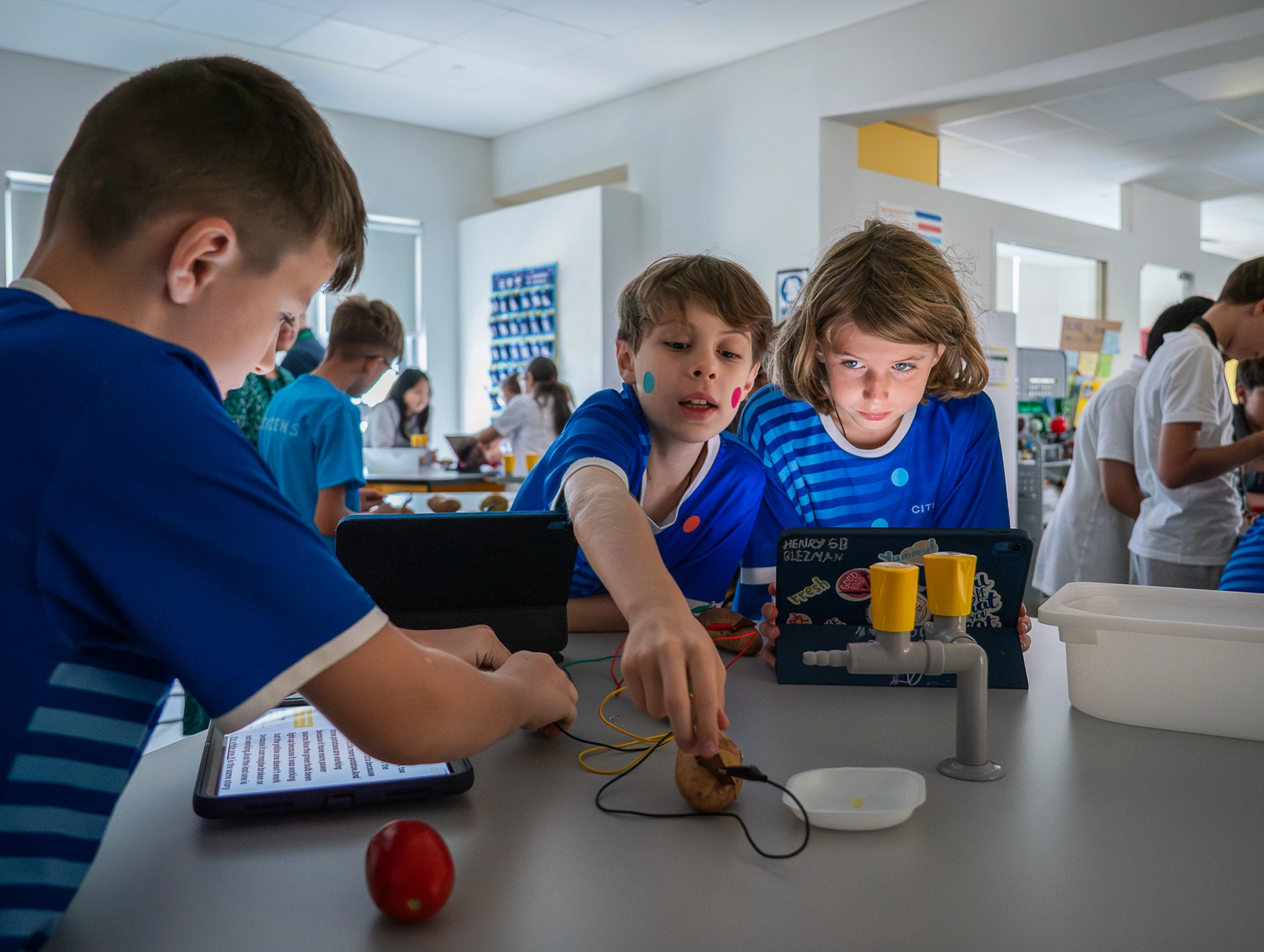
As learners progress through Years 4–6, projects can involve more sustained effort and require greater organisation. Children are increasingly capable of planning their work, researching a question and considering different viewpoints before settling on an approach.
The work also becomes more demanding in terms of collaboration. Learners may need to agree on responsibilities, manage their time and ensure that individual contributions support a shared outcome.
Feedback becomes particularly useful at this stage. A first attempt may reveal a weakness in the original idea, or another person’s perspective may highlight something the group had overlooked. Learners can use this information to review their work and make considered changes.
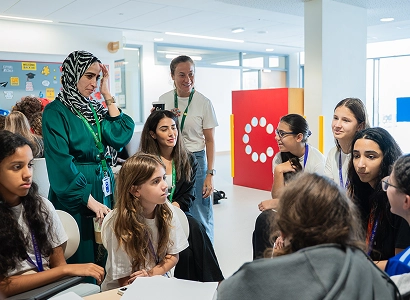
Mentors support this progression by helping learners organise their thinking, identify gaps and evaluate alternatives, while allowing them to take increasing responsibility for the decisions they make.
5. Secondary (Years 7–10): Applying Knowledge and Taking Greater Ownership
Across Years 7–10, venture-building experiences become more complex, giving learners greater scope to investigate issues, draw on knowledge from different subject areas, and develop evidence-based ideas.
Research becomes more rigorous. Students learn to assess the reliability of sources, compare findings and reconsider assumptions when the evidence points in a different direction. They also begin to examine the wider implications of their decisions, including practical feasibility, ethical considerations and the perspectives of people affected by a proposed solution.
Group projects involve more substantial responsibilities. Learners may take ownership of specific roles, manage timelines and contribute to decisions that shape the direction of their work. As they progress, they are expected to explain their reasoning, justify their choices and communicate their ideas to audiences beyond the immediate classroom.
By Year 10, students can take greater responsibility for managing their projects and exploring more specialised challenges. Depending on the work involved, this may include assessing feasibility, estimating resources or considering financial implications. Mentors can introduce specialist knowledge and external perspectives, challenging learners to examine their assumptions while allowing them to exercise independent judgement.
This stage also creates opportunities to connect applied learning with future academic and vocational pathways. At Citizens School, learners can access BTEC options alongside IGCSEs, allowing them to consider different forms of learning and qualification as they begin making decisions about their next steps.
With greater independence comes greater accountability. Learners are increasingly responsible for the quality of their work, the decisions behind it and how effectively they communicate those decisions.
How Citizens School Builds Venture Learning Across the Years
At Citizens School, venture building is embedded within the learning journey from the Nursery onwards. The nature of the experience develops as children progress, with the level of independence and responsibility increasing alongside their capabilities.
The Citizens Future Framework supports this approach through applied and transdisciplinary learning, creating connections between classroom knowledge and practical experiences.
The school’s venture-building approach is structured around: Identify needs → Design solutions → Build ventures. Parents can explore the Citizens Guide to Venture Building for a closer look at the model.
The Citizens Skills also inform this wider learning approach, helping connect what children experience in different stages of their education.
Conclusion: Is There a Right Age to Begin?
So, is your child too young for venture building? Not if the learning matches where they are today.
For a toddler, it might mean choosing what to explore. For a Year 3 learner, it might mean deciding how to present an idea at a class market stall. By Year 10, it means taking ownership of a real project and explaining the decisions behind it. Each stage builds on the last, so children are never asked to do more than they’re ready for.
The more useful question isn’t whether your child is old enough. It’s whether their school gives them the right opportunities for their age now and room to grow.
Want to see how venture building looks at Citizens? Book a tour of Citizens School.