



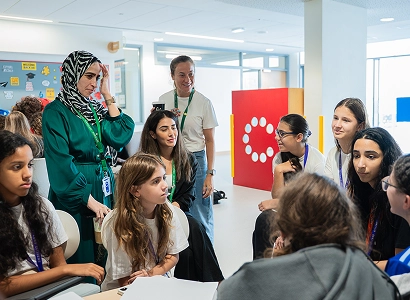
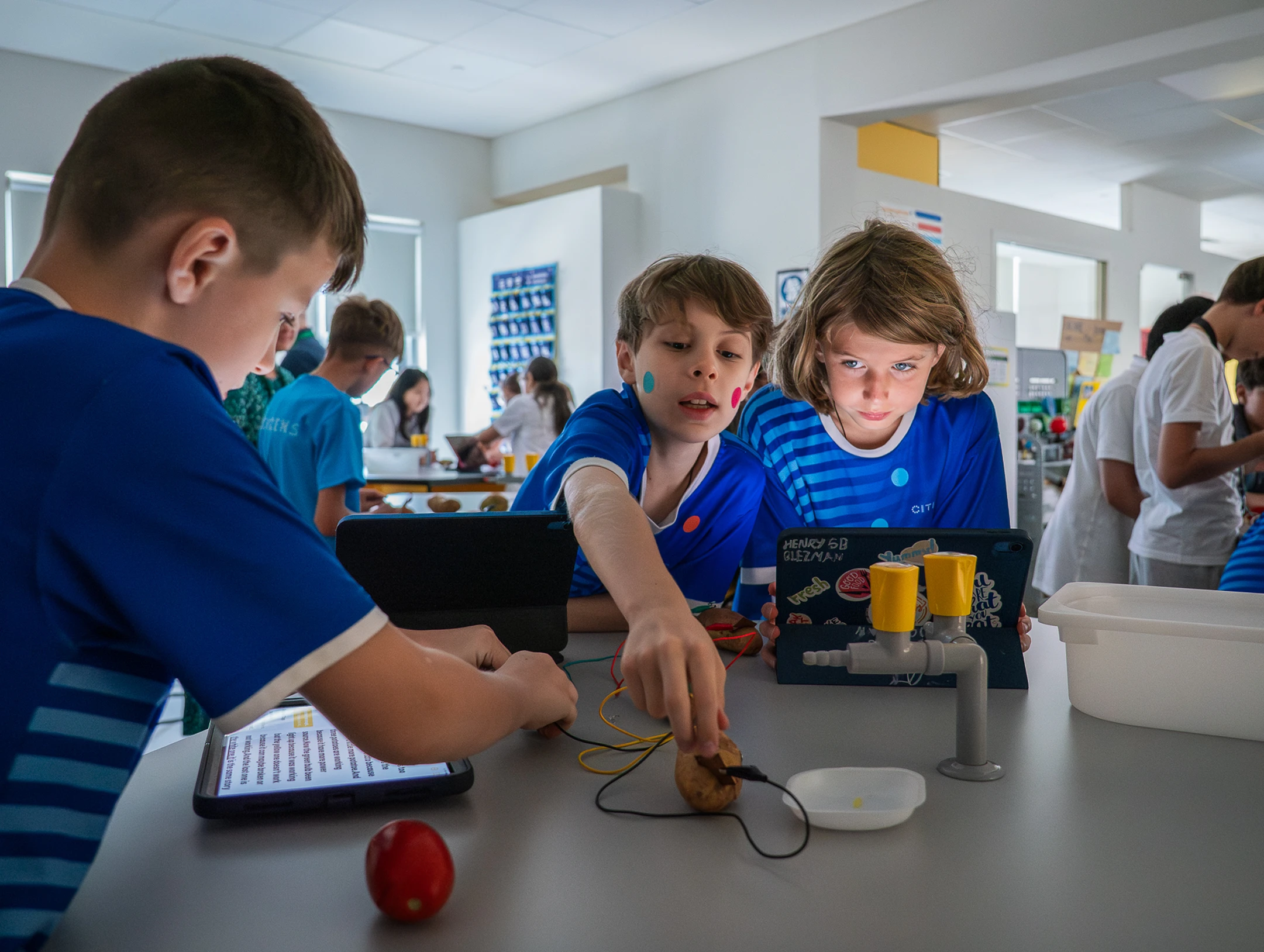
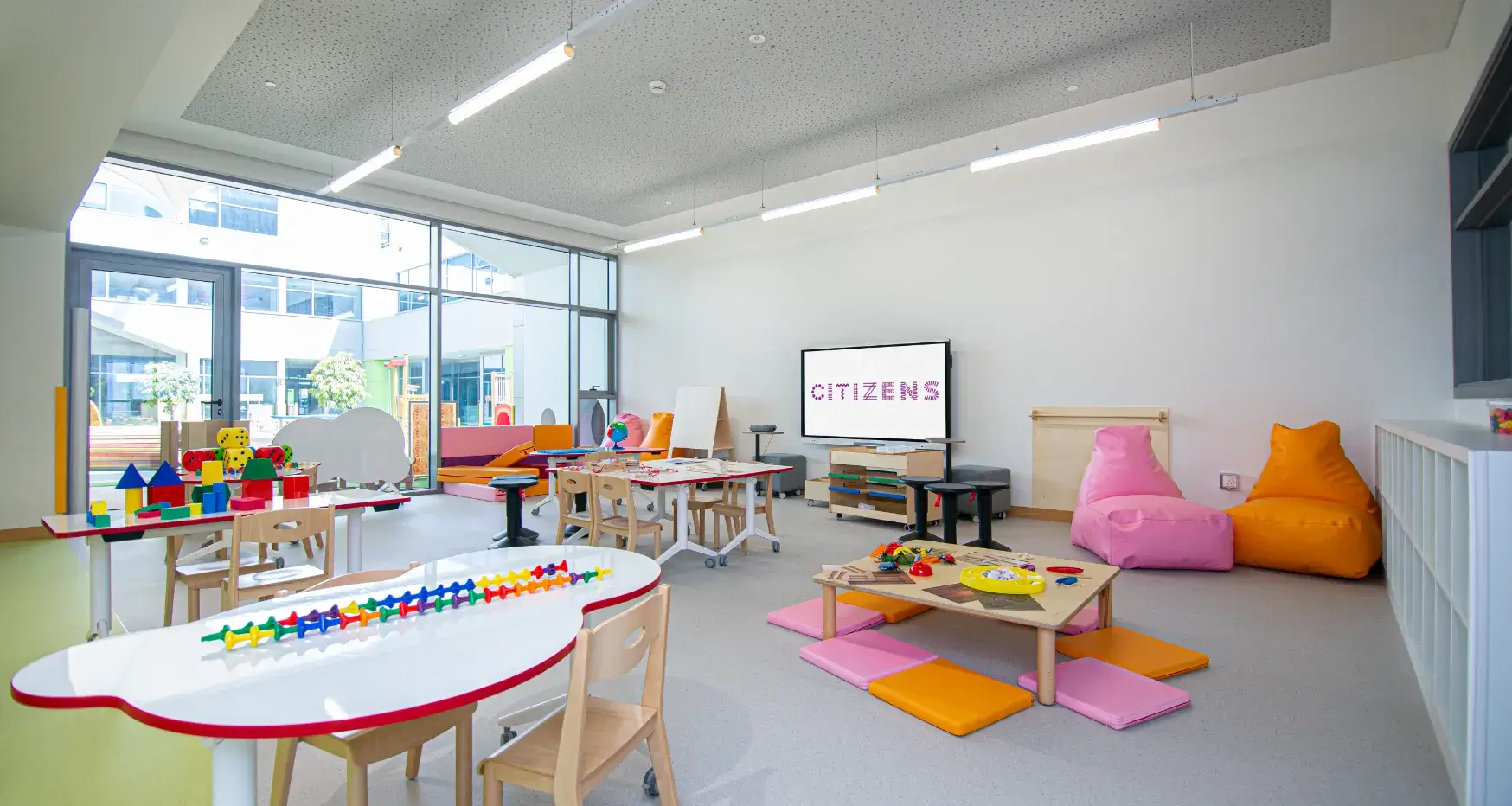


So, you’ve found a school you like. Great. But before you tick the final box, there’s one more thing to figure out: what will your child’s life actually be like once they walk through those gates?
A polished website can show you the classrooms, curriculum, and impressive facilities. It can’t tell you who will notice when your child is having a tough week, how quickly they’ll make friends, or whether they’ll feel confident enough to put their hand up and share an idea.
That’s where the right questions come in.
Look beyond the prospectus and ask about the everyday experience: How will my child be known? What happens when they need help? How will they be challenged? And will they feel like they belong?
Because you’re not simply choosing a school. You’re choosing the people, culture, and environment that will shape a big part of your child’s growing-up years.
1. What Will My Child’s First Few Weeks Look Like?
The first day is only the beginning. The real question is what happens after the welcome assembly and new-uniform excitement wears off.
For a child joining a new school, the first few weeks can bring a mix of excitement, nerves, and plenty of questions. Who do I sit with? Where do I go at break? Who can I ask for help? Will I fit in?
Ask the school how it handles this transition. Is there an orientation programme, buddy system, or a dedicated mentor? How are new learners introduced to classmates and teachers? What happens if a child takes longer than expected to settle?
It’s also worth asking how teachers/mentors spot signs that a learner may need extra support. Some children will happily talk about their first day; others might simply say, “It was fine,” and leave it at that.
A thoughtful transition process gives children time to find their feet, build relationships, and understand their new surroundings.
The goal isn’t to make every child settle instantly. It’s to make sure they don’t have to figure it all out alone.
2. How Will You Get to Know My Child Beyond Their Academic Profile?
Before enrolling, ask how the school gets to know each learner as an individual. What happens beyond reviewing previous reports and assessment results?
Find out whether children have a mentor or trusted adult they can turn to, how teachers identify their interests and strengths, and whether learners have opportunities to influence what or how they learn.
This matters because a child might be academically strong but reluctant to speak up. Another may struggle with traditional assessments yet come alive during creative projects or hands-on challenges. Understanding those differences can change how teachers support and challenge them.
At Citizens School, personalised mentoring and learner voice form part of a wider approach to knowing each child well. The aim isn’t simply to track progress but to understand the person behind it.
When visiting a school, ask a simple question:
“How will you know when my child is thriving and when they need a little help?”
The answer can reveal a lot about whether the school sees your child as a number on a register or as an individual with their own strengths, interests, and ambitions.
3. What Happens If My Child Needs Change?
Every school looks brilliant when grades are high, and friendships are smooth. The true test begins the moment something shifts, whether your child starts struggling in math, craves a greater academic challenge, or hits a rough patch with friends.
Ask the admissions team what happens when a child hits a bump in the road:
- Proactive vs. Reactive Support: Do teachers catch learning gaps early, or do they only intervene after report cards show a problem?
- Pillar Alignment & Growth: How do mentors, teachers, and wellbeing teams collaborate when a learner needs extra encouragement or advanced enrichment?
- Adaptability: How does the school support emotional intelligence and a growth mindset during moments of change?
Children do not grow in a straight line. Choose a school designed to adapt alongside your child rather than expecting your child to fit a rigid mould.
4. How Will We Know How Our Child Is Doing?
“They’re doing fine” is the most common answer parents get, and the least helpful. You need a clear window into your child’s daily growth, not generic reassurance.
When evaluating a school, ask how they keep families in the loop:
- Frequency & Format: How often do you receive updates, and who is your single dedicated point of contact?
- Two-Way Dialogue: Are parents actively invited to share observations from home, or is communication strictly top-down?
- Holistic Tracking: Does the school measure personal milestones like confidence and curiosity, alongside academic scores?
The best communication feels like an ongoing partnership. While teachers see how your child performs in class, you see their energy at the dinner table. When both sides share insights, your child gets the complete support they deserve.
5. What Will My Child Learn to Do Beyond the Classroom?
Textbook knowledge only takes a child so far. True learning happens when children take what they study and test it against the real world.
When touring classrooms, ask how the school brings abstract concepts to life:
- Practical Application: Are learners designing projects, tackling creative challenges, or solving community issues?
- Future Frameworks: Does the school integrate essential modern disciplines like financial literacy, digital literacy, and AI into everyday learning?
- Entrepreneurial Drive: How are students encouraged to build, experiment, and turn their original ideas into real-world solutions?
At Citizens School, venture building gives children a platform to take risks and test concepts firsthand. Great schools give children answers; exceptional schools teach them to ask better questions.
6. How Will the School Help My Child Become More Independent?
The goal of education isn’t raising a child who follows every instruction to a T. Instead, it’s raising a young person who can figure out what to do next.
Ask how the school encourages children to take ownership of their own journey:
- Student Voice: Do students have a say in their projects, goal-setting, and daily routines?
- Hands-On Leadership: How does the school support children when they take initiative, manage responsibilities, or lead a team?
- Resilience in Action: What happens when a student’s idea fails? Are they coached to adapt, iterate, and try again?
Real confidence comes from overcoming setbacks and building practical solutions, rather than focusing on high marks. Choose an environment that gives your child room to make decisions, learn from mistakes, and grow into a self-reliant individual.
7. How Does the School Work With Families After Enrolment?
Ask how parents can remain involved once their child starts. What communication platforms does the school use? Are there opportunities to attend events, contribute to the community, or speak with teachers and mentors?
Also ask how parental feedback is handled.
Strong parent partnership isn’t about parents being involved in every decision. It’s about creating clear channels for communication and recognising that families and schools bring different perspectives to a child’s development.
For an international city such as Dubai, that partnership can be especially valuable. Families may be adjusting to a new country, education system, and community at the same time as their child.
A supportive school should make that transition feel shared rather than solitary.
8. Where Could My Child Be in Three or Five Years?
Don’t choose a school only for the child standing in front of you today. Think about who they’re likely to become.
Ask how opportunities develop as learners get older. Does the school offer increasing independence, leadership, academic challenge, and exposure to future pathways? Can the educational philosophy continue to meet your child’s needs as their interests and ambitions change?
This is particularly important for families who expect to remain in Dubai for several years. A school may seem like an excellent fit for a six-year-old, but what will the experience look like when they’re 10 or 13 or preparing for university?
Look for progression, not just provision.
The ideal school should grow with the learner rather than requiring families to reconsider their choice every few years.
A Final Question: Can I See My Child Thriving Here?
Once you set aside the brochures, fee schedules, and campus tours, one central question remains: does this environment feel right for your family?
Take a step back and consider what your child’s daily experience will look like:
- Belonging & Culture: Will your child feel safe asking for help, exploring new ideas, and expressing their individuality?
- Balanced Environment: Does the school offer a healthy balance between academic motivation, personal inquiry, and emotional wellbeing?
- Whole-Child Focus: Does the school value the person behind the grades, ensuring every student is known well and supported fully?
After asking all the practical questions, it helps to look at how a school puts its promises into practice. At Citizens School, personalised mentoring, wellbeing, inquiry-led learning, and opportunities such as Venture Building come together to support the whole learner. The focus is on knowing each child well, helping them take ownership of their learning, and giving them opportunities to grow both inside and beyond the classroom.
Conclusion: Look Beyond the Enrolment Form
The right school should be more than a good fit on paper.
It should be a place where your child feels known, supported, challenged, and comfortable being themselves. That can be difficult to judge from rankings, brochures, or a single school tour.
So before you enrol, look beyond what the school offers and ask what your child will actually experience.
Will they belong here? Will they grow here? And can you see them thriving here?
If the answer is yes, you may have found more than a school. You may have found the right environment for the next chapter of their life.