



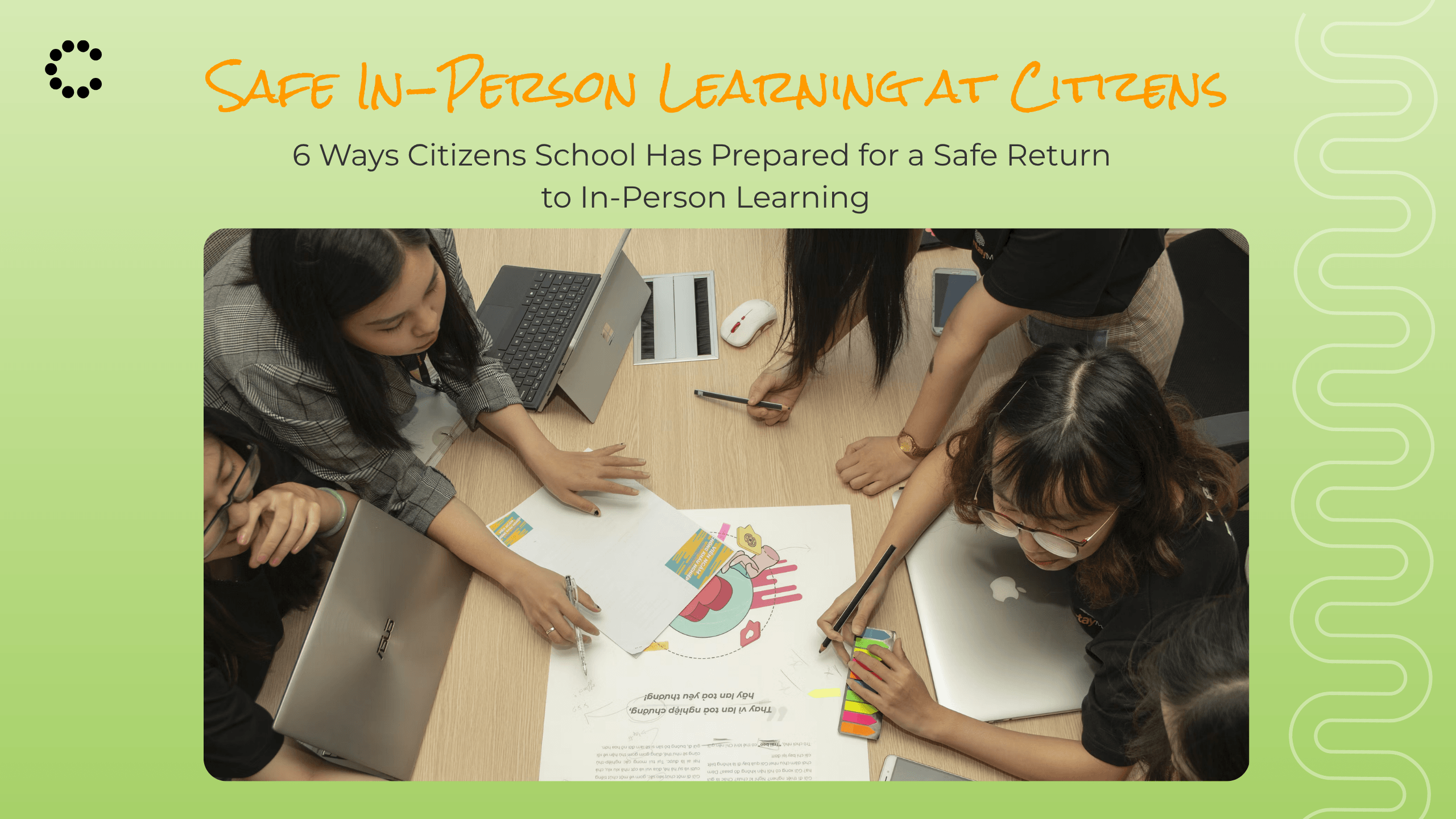
If your child is returning to in-person school after a period of disruption, it’s completely natural to feel uncertain. Common questions arising in parents’ heads are: Will they feel safe? Will they adjust easily? Is the school truly prepared for every situation?
These concerns are valid. For many families, reassurance doesn’t come from hearing that systems exist. It comes from understanding how thoughtfully those systems are designed and whether they genuinely support learners in real, everyday moments.
At Citizens School, preparedness is approached with this exact perspective in mind. It’s not about creating a rigid or alarm-driven environment. Instead, it’s about building calm, well-structured systems that help learners feel secure, supported, and ready to respond quickly and confidently.
In response to recent regional developments, Citizens School has implemented comprehensive preparedness measures. This guide walks you through preparedness for a safe return to campus, not just through policies, but through practical, child-focused measures that prioritise both safety and wellbeing.
1. Safe Zones Are Built Into Everyday Learning Spaces
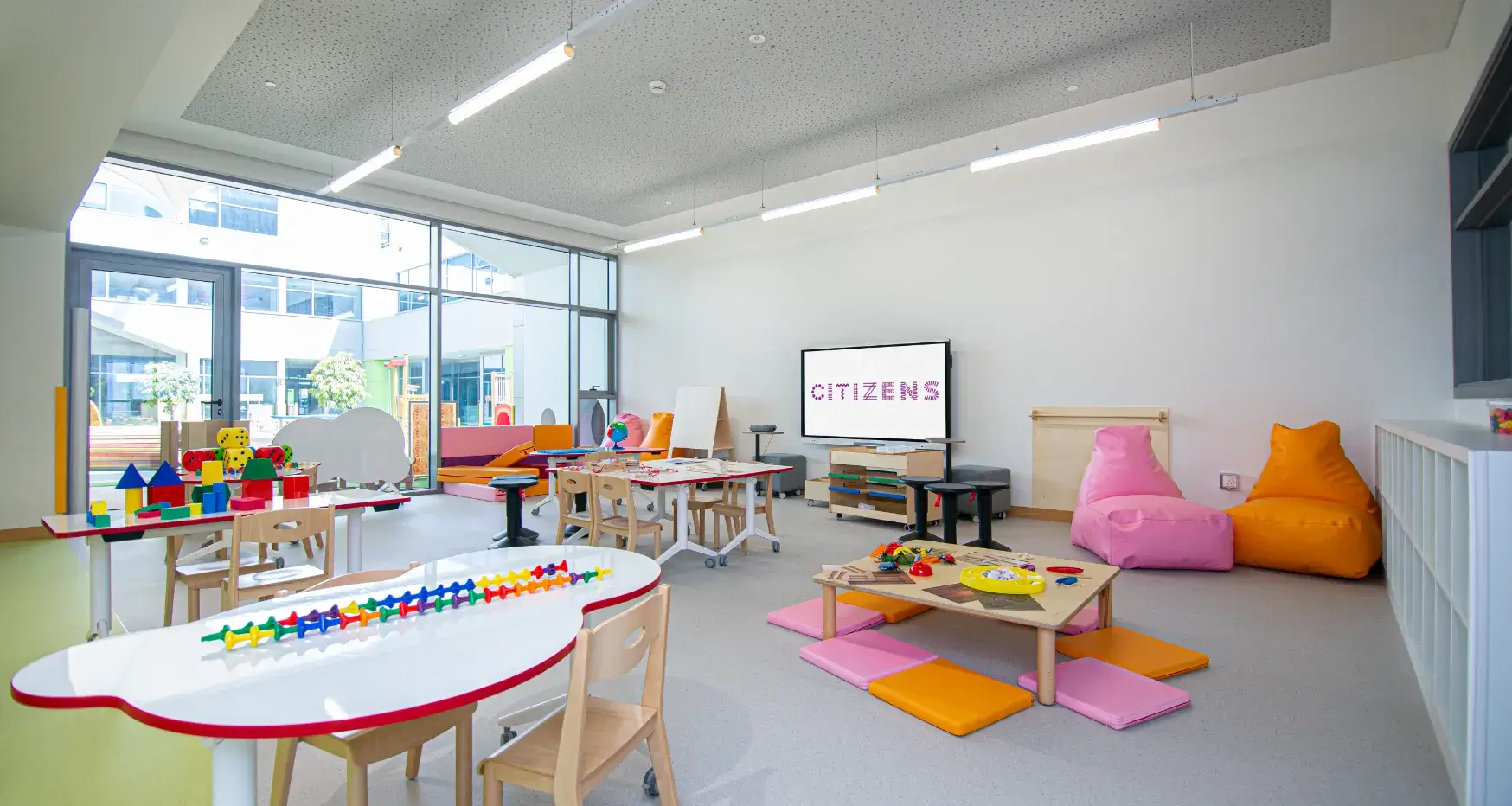
Safety at Citizens begins inside the classroom. Rather than introducing separate or unfamiliar systems, safe zones are integrated into daily learning environments. This makes it familiar, predictable, and easy for learners to respond to without confusion.
Each classroom includes clearly defined safe zones that learners can access quickly and confidently. These spaces are thoughtfully designed to feel intuitive rather than institutional:
- Learners are positioned at a minimum distance of 2.5 metres from glass surfaces, reducing potential risk.
- Floors are marked with clear visual cues such as stickers and indicators so that learners can recognise them instantly.
- Safe zones are designed to be reachable within 1 minute, ensuring smooth, calm movement if required.
What makes this approach effective is its simplicity. Learners don’t need to “remember” what to do in a stressful moment; the environment itself guides them. Embedding safety into routine rather than isolating it as an emergency measure, it helps learners feel prepared without feeling anxious.
2. The Campus Has Been Designed With Protective Features in Mind
One key feature is the use of external toughened glass, engineered to crack rather than shatter. This significantly lowers the risk of injury and reflects a proactive approach to student safety. It’s a detail many may not notice immediately, but it plays an important role in creating a secure environment.
Beyond individual materials, the broader design philosophy focuses on prevention through planning. Thoughtful architectural choices, clear spatial layouts, and controlled environments all contribute to reducing potential hazards before they arise. For families, this means reassurance is built into the environment their learners interact with every day.
3. Learners and Staff Receive Calm, Age-Appropriate Preparedness Training
Preparedness is most effective when it feels familiar, not frightening. At Citizens School, training is designed to build confidence gradually, ensuring both learners and staff know what to do without being anxious
For learners, training is introduced in a way that is simple, and age-appropriate:
- Instructions are kept clear and easy to follow, adjusted to each age group
- Routines are practised regularly, so responses become natural over time
- The focus remains on calm, guided actions, rather than urgency or alarm
Instead of overwhelming learners with information, this approach builds familiarity step by step. They understand what to do, who to follow, and where to go, all within a supportive environment.
This balance of preparation and reassurance ensures that learners feel capable, not concerned.
4. Personalised “Go-Bags” Help Support Comfort and Continuity
Preparedness at Citizens School considers how learners feel in moments of transition. That’s where personalised “go-bags” play an important role.
Each learner has access to a thoughtfully prepared go-bag that supports both comfort and continuity. These are kits with familiar resources designed to reduce disturbances if immediate movement is required. Go-bags usually contain the following:
- A comfort item, such as a small toy or familiar object
- Essential materials related to attendance or routine
- Light engagement resources to keep learners occupied and focused
The contents are customised depending on the learners’ age or class, ensuring relevance and practicality. If learners need to move outdoors temporarily, these go-bags help maintain a sense of familiarity and reduce disruption.
This approach recognises that emotional comfort plays a critical role in how learners respond to change.
5. Clear Exit Planning Supports Readiness
Preparedness includes planning for all scenarios, even those that may never occur. At Citizens School, clear exit strategies are part of this planning.
Clear protocols are established so that, if needed, movement can happen in an organised and predictable way. These plans focus on:
- Simple, well-defined exit routes that are easy for learners to follow.
- Coordinated guidance from staff, ensuring learners are supported at every step.
- Minimal disruption and confusion, even during transitions.
These plans are communicated to the learners gradually and practised, helping learners understand the process without feeling anxious about it.
For families, this provides reassurance that the school is not just reacting to pressing situations but planning with clarity. Thoughtful exit strategies create confidence, for both learners and parents, by ensuring that every step has already been considered.
6. Safety and Well-being Are Approached Together
Safety, at Citizens, is not viewed in isolation. It is closely connected to how children feel every day.
This is why well-being is built into the foundation of preparedness. Familiar routines, consistent expectations, and strong mentor relationships all help create a sense of stability. When children know their environment and trust the adults around them, they are more likely to respond confidently in any situation.
Key elements of this approach include:
- Consistent daily routines that provide structure and predictability
- Strong mentor-learner relationships that build trust and reassurance
- A calm, supportive environment where children feel safe to ask questions and seek guidance
When learners feel grounded, they are more likely to respond calmly and confidently in any situation. This integrated approach ensures that safety measures do not disrupt learning but instead support it.
Conclusion: Preparedness Designed to Reassure
At Citizens School, preparedness is built around calm, not urgency. Safety measures are thoughtfully integrated into everyday routines, so children feel secure without disruption.
For your child, this means familiarity. They know the environment, trust the adults around them, and understand what to do. Learning continues with confidence, not concern.
That’s what truly matters.
A safe return to school isn’t just about systems in place; it’s about creating an environment where children feel supported, steady, and ready to learn every day.