




Every parent wants their child to become independent, but knowing when to step back and when to offer support can be challenging. Children develop independence at different rates, depending on their age, experiences and the opportunities they receive.
Much of this development happens through everyday experiences. Choosing what to wear, attempting a difficult task or remembering to pack a school bag may seem like small achievements, but each gives children an opportunity to take more responsibility for their actions.
The home and school environment both play an important role in this process. When children are encouraged to make decisions and take ownership of age-appropriate responsibilities, they gradually become more comfortable managing things on their own. Here are eight practical ways you can encourage independence in your child.
As a rough guide, independence looks different at every age. Under-5s might choose between two outfits or put away their toys. Children aged 6 to 9 can pack their own school bag or help set the table. Children aged 10 and over can start planning their week and managing their own time.
1. Let Your Child Make Age-Appropriate Choices
Decision-making is an important part of developing independence. Children begin learning this through simple choices in their everyday routines. You can offer opportunities to express preferences by allowing them to select their clothes or an outdoor activity.
As children grow older, these decisions can become slightly more complex. For instance, they could decide how to balance their reading time, hobbies and play
It is equally important to respect their preferences, even when they differ from yours. A child may choose an outfit you would not have selected or prefer a different book from the one you recommended. Allowing such choices gives them room to understand their preferences and take ownership of their decisions.
You can introduce boundaries where necessary, particularly when decisions involve safety or practical considerations. Within those boundaries, giving children some control over their routines helps them become more confident in making choices independently.
2. Encourage Them to Try Before Stepping In
When children struggle with a task, it’s natural to feel tempted to help immediately. It may seem easier to tie their shoelaces, open their lunch box or finish a puzzle for them. However, these everyday tasks offer valuable opportunities to practise independence.
Give children enough time to attempt something before offering assistance. They may take longer to complete a task or need several attempts before getting it right. This is a natural part of learning.
If your child struggles to tie their shoelaces, demonstrate one step and let them attempt the next. Similarly, if they find it difficult to organise their stationery, offer a small hint rather than arranging everything yourself.
Acknowledging their effort is equally important. Recognising that a child kept trying, even when the outcome was imperfect, encourages them to approach similar tasks with greater willingness.
Over time, these experiences help children become more comfortable attempting new activities without immediately looking for someone to do them on their behalf.
3. Give Them Small Responsibilities at Home
Children benefit from understanding that they have a role to play in maintaining their home environment. Giving them age-appropriate household responsibilities helps develop a sense of accountability.
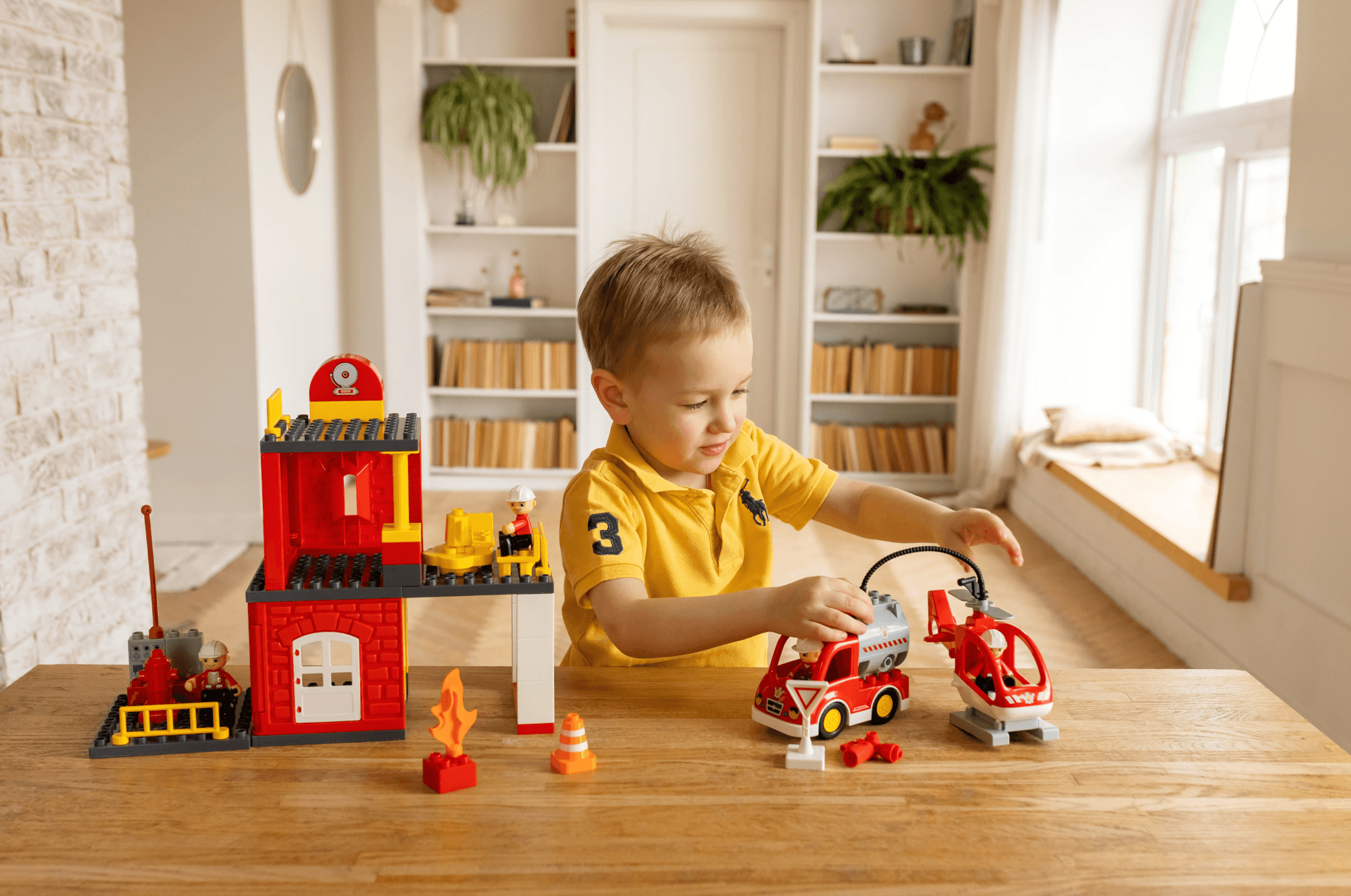
Younger children can begin with simple tasks such as putting away their toys, arranging their books or placing used clothes in the laundry basket. Older children can take on responsibilities such as helping prepare a meal, watering plants or organising their school belongings.
The key is consistency. When children are expected to complete certain tasks regularly, they begin to understand that these responsibilities are part of everyday family life.
You can also involve children in simple household decisions. For instance, asking them to help arrange their study space or decide where certain items should be kept gives them a greater sense of involvement.
4. Allow Children to Make Mistakes and Learn From Them
Children may hesitate to attempt new tasks when they are worried about making mistakes. Their hesitation can become more pronounced when every small error is immediately corrected.
You can help by allowing children to recognise and address minor mistakes themselves. If a child forgets to put away their art supplies, they can be encouraged to return them to their proper place. If they make an error while completing a drawing or craft activity, they can decide whether they would like to correct it.
These experiences help children understand that mistakes are a natural part of learning. They also encourage them to take responsibility for their actions.
When something does not go as planned, you can discuss what happened without making the child feel inadequate. Asking what they would do differently next time can help them reflect on the experience.
A reassuring response is particularly important when children feel disappointed. Knowing that they can make mistakes without being criticised for every small error makes it easier for them to approach new situations.
5. Encourage Problem-Solving at Home
Everyday situations provide you with opportunities to help children develop independent thinking. When children encounter a difficulty, they can be encouraged to consider possible solutions before asking an adult to resolve it.
For example, if a child cannot find a particular book, ask where they last remember seeing it or which places they could check. If they are unsure how to arrange their toys in a limited space, invite them to think about how they could organise them differently.
You can also discuss different approaches without immediately deciding which one is correct. A child may suggest an unusual solution, but discussing its practicality can help them understand why certain approaches work better than others.
Of course, adult intervention is necessary when a situation involves safety or requires an adult’s judgement. For everyday challenges, however, allowing children to think through possible solutions gives them valuable practice in making decisions.
6. Teach Children to Manage Their Own Routines
Managing everyday routines is another important aspect of independence. Children need opportunities to understand how their time is organised and what is expected of them throughout the day.
You can begin by establishing simple morning, bedtime and after-school routines. Younger children may benefit from picture-based checklists showing tasks such as brushing their teeth, getting dressed and packing their bags.
Older children can gradually take greater responsibility for managing their schedules. They might use a weekly planner to keep track of extracurricular activities, upcoming school events and project milestones. Initially, you may need to provide regular reminders. However, these can be gradually reduced as children become familiar with their responsibilities.
Predictable routines give children a clearer understanding of how to organise their day. They also help reduce their dependence on constant parental reminders.
7. Give Them Opportunities to Interact and Work With Others
Independence also develops through interactions with other people. Children need opportunities to express their opinions, communicate their needs and participate in shared activities without relying on adults to speak for them every time.
You can encourage this by allowing children to order their own meals at a restaurant, ask a shop assistant a simple question or communicate directly with their teachers when appropriate.
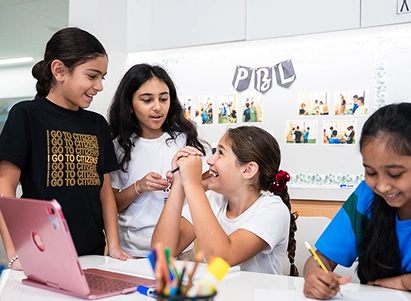
Group games and collaborative activities offer further opportunities to practise independence. When children work together, they may need to negotiate roles, agree on rules or resolve minor disagreements. Parents and educators can provide guidance while allowing them to manage age-appropriate interactions themselves.
Children should also learn when and how to seek help. A child who approaches a teacher to clarify an instruction or asks a classmate for assistance is demonstrating an important aspect of independence.
These experiences help children become more comfortable participating in different social settings while recognising that asking for support is a perfectly reasonable response when needed.
8. Build Independence Through Everyday Learning Experiences
A child’s approach to independence is also shaped by their experiences at school. Learning environments that encourage curiosity and active participation give children opportunities to take more ownership of their education.
At Citizens School, this is supported through inquiry-based learning and transdisciplinary ideas from different perspectives and participate actively in their learning.
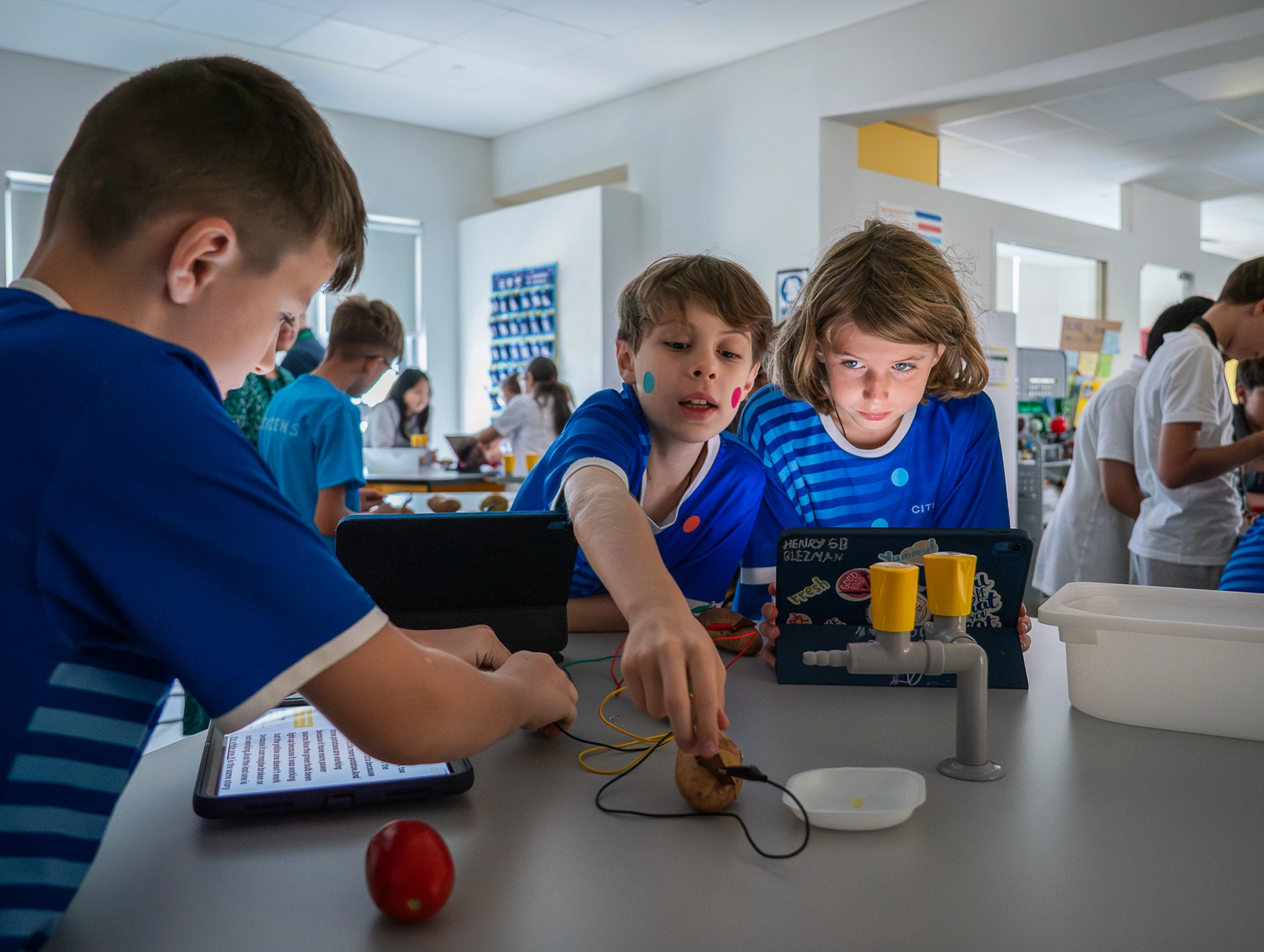
For instance, during a project, children are encouraged to decide how they want to present their findings or which resources would help them communicate an idea. Such experiences encourage them to take an active role in their learning rather than depend entirely on instructions from their educators.
The level of guidance also matters. Some learners may need more structured support when approaching a new activity, while others may be ready to work with more autonomy. This connects with Citizens’ curriculum driver, Everyone Known & Known Well, which recognises individual learners and helps educators understand their evolving needs.
When educators understand a child’s interests, abilities and learning preferences, they can provide the right opportunities for more independence.
This is part of the Citizens Future Framework, our future focused curriculum that prepares learners for real world challenges. Through Venture Building, learners take ownership of real ideas, from identifying a problem to developing a solution and presenting it to an audience. Along the way, they learn to make decisions, manage tasks and take responsibility for their work. This builds key skills such as Resilience, problem solving and self- awareness.
These experiences complement what children learn at home. They help them become more comfortable taking responsibility for their learning while knowing that guidance remains available when required.
Conclusion
Independence isn’t built in a day. It grows through small moments of trust. Every time you step back and let your child try, you’re helping them become a more confident, capable learner.
You can support this development by introducing small opportunities at home and allowing your child to take on responsibilities suited to their age. The important thing is to recognise when they are ready for more autonomy while remaining available to guide them.
With consistent encouragement at home and opportunities for active participation at school, children can gradually become more comfortable managing their everyday responsibilities and making decisions with greater independence.
Want to know more? Reach out to us.