



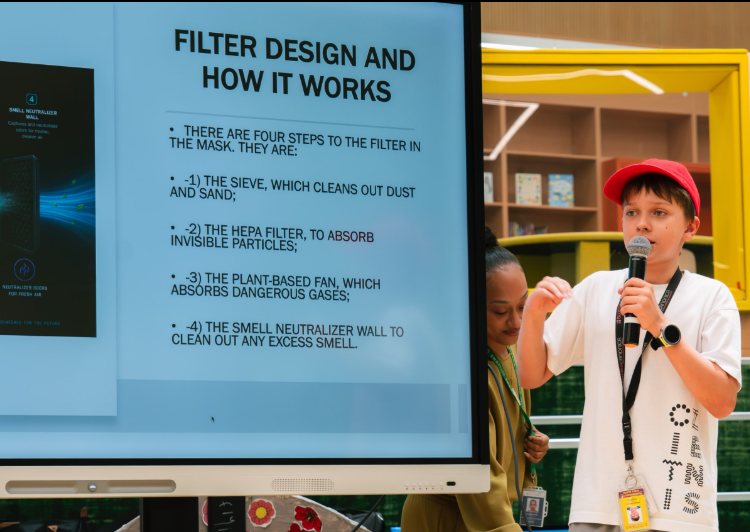
“My child isn’t going to start a business.”
It’s a fair thought.
When parents hear terms like venture-building or entrepreneurship, it’s easy to assume schools are trying to turn every child into the next startup founder.
But that’s not what venture-building is about.
Think about it this way. The world our children are growing up in isn’t short of information. They can find answers in seconds. What they’ll really need is the ability to ask better questions, solve unfamiliar problems, work with different kinds of people, and turn ideas into action.
That’s exactly what Venture-Building helps them do.
At Citizens School, venture-building isn’t an extra programme squeezed into the timetable. It’s where everything learners explore throughout the year comes together. Knowledge from different subjects stops living in separate notebooks and starts solving real problems. Venture building is the wider framework that brings design thinking, financial literacy, digital fluency and entrepreneurial thinking together.
Because learning becomes far more meaningful when children can answer one simple question:
“Why does this matter?”
What Is Venture-Building?
Venture building is where learning comes together.
Rather than studying subjects in isolation, learners apply knowledge from design thinking, entrepreneurship, financial literacy, and AI & digital literacy. This helps them to create products, services, campaigns, digital solutions, or community initiatives that respond to genuine needs.
Entrepreneurship gives learners one set of tools within this – identifying an opportunity, thinking commercially and taking initiative. However, venture building is the bigger picture; it’s the process that turns a good idea into something real.
It cannot be termed as a standalone subject or a one-off project. It’s an ongoing learning journey embedded throughout the school year, where learners move through a structured process of identifying opportunities, researching, designing, prototyping, testing, refining, and ultimately presenting their work to an authentic audience.
Along the way, they develop skills that extend far beyond the classroom.
Venture Building Starts With a Problem Worth Solving
Every great invention, campaign, or breakthrough began with observation. It began with someone noticing that something could be better.
Children do this naturally.
“Why is there so much plastic waste?”
“Why do some people struggle to access clean water?”
“Why can’t this product work differently?”
The first stage of venture building encourages learners to stay curious instead of rushing towards answers. They observe, ask questions, research real needs, and learn to see challenges from different perspectives before trying to solve them.
This curiosity forms the foundation of design thinking. It teaches children that the best ideas begin with thoughtful questions and a genuine desire to make things better.
Turning Ideas Into Real Solutions
Once learners have identified a meaningful challenge, they begin exploring possible solutions.
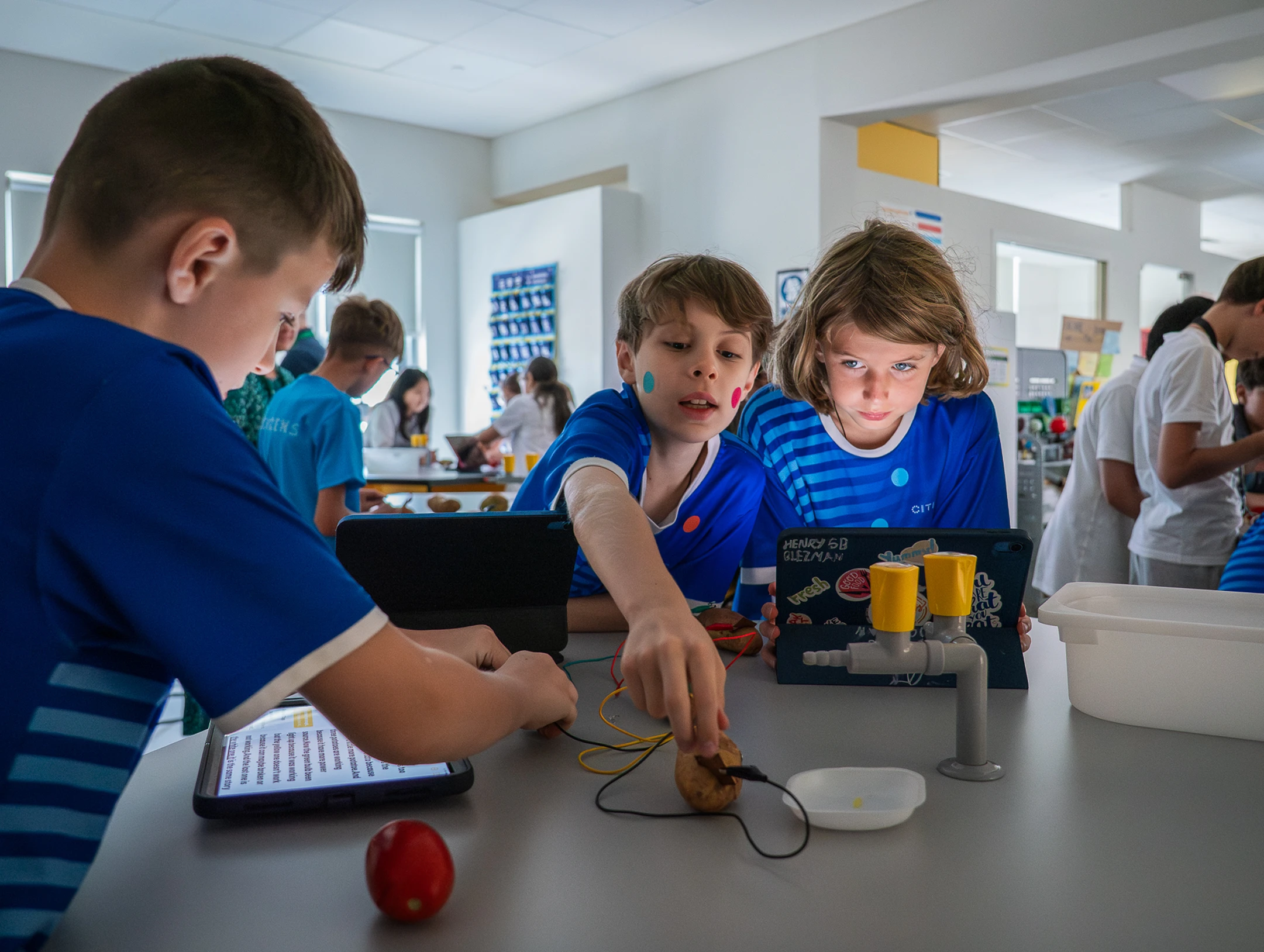
This is where classroom learning becomes purposeful. Research, mathematics, science, technology, literacy, and creative thinking all come together as learners investigate ideas, analyse information, build prototypes, and test their thinking.
Rather than completing an assignment simply to earn marks, they’re working towards creating something that could have real value.
Whether they’re designing a product, creating a digital solution, developing a campaign, or improving an existing idea, learners experience how knowledge becomes meaningful when it’s applied to authentic situations.
Instead of asking, “Will this be on the test?” they begin asking, “Could this actually work?”
Building and Solving Problems Together
No meaningful venture is built alone.
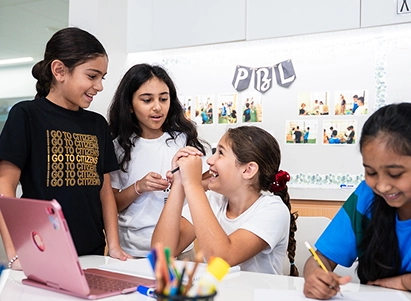
Throughout the venture-building journey, learners collaborate in teams, share responsibilities, listen to different perspectives, and make decisions together.
These experiences of moderating, team-building, and decision making, help them naturally develop leadership qualities.
Learners discover how to communicate ideas clearly, support one another, resolve disagreements, and take ownership of their contributions. They learn that leadership isn’t about having all the answers; it’s about working together to move an idea forward.
These collaborative experiences prepare children for the workplaces and communities they’ll become part of in the future.
Why Learning From Feedback Builds Future-Ready Children
One of the most valuable lessons venture-building teaches is that great ideas rarely succeed on the first attempt.
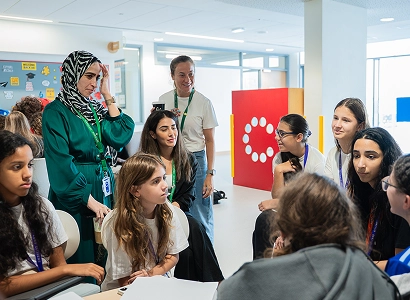
As learners build prototypes and test their solutions, they receive feedback from peers, mentors, teachers, and experts. They reflect on what worked, identify what could be improved, and refine their ideas through multiple iterations.
Instead of fearing mistakes, learners become more willing to experiment, adapt, and persevere. They develop resilience, confidence, and a growth mindset that encourages continuous improvement rather than perfection.
These habits will support them throughout school, higher education, and every stage of their future careers.
From Ideas to Impact: Venture-Building Pitch Day
The most meaningful projects rarely fit inside one subject.
Venture-building is an approach that brings together knowledge and skills from multiple disciplines to solve real-world problems or develop new ideas.
At Citizens School, venture-building is the practical outcome of the Citizens Future Framework. It’s where learners take everything they’ve explored across different subjects and use it to create something meaningful for others.
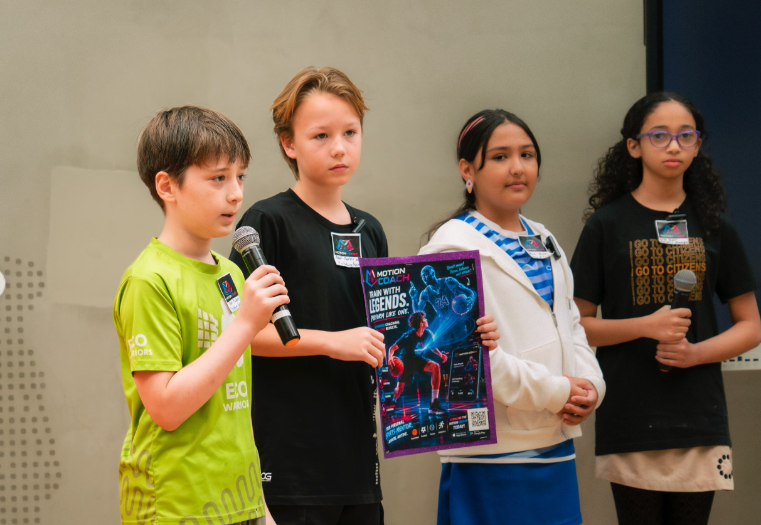
The journey culminates in a Venture-Building Pitch Day, where learners confidently showcase their ventures to an authentic audience – parents, mentors, and other entrepreneurs – explaining not just what they built but why it matters and how they got there. It’s the moment curiosity becomes confidence: learners standing behind an idea they researched, tested and refined.
Why Entrepreneurial Skills Matter in Every Career
The goal of venture-building isn’t to produce future entrepreneurs, though for some learners, that may well become part of their journey.
The world is changing rapidly. As technology and artificial intelligence reshape industries, many of today’s learners may one day find themselves creating opportunities rather than simply looking for them. For some, that could mean starting a business. For others, it might mean launching a social initiative, developing a new product, freelancing, innovating within an organisation, or solving a problem that no one has tackled before.
That’s why venture-building isn’t about steering children towards one career path. It’s about giving them the confidence, adaptability, and practical skills to create opportunities wherever life takes them.
Throughout the venture-building journey, learners naturally strengthen critical thinking, creativity, collaboration, communication, leadership, resilience, financial awareness, and digital fluency. These capabilities are valuable across every profession, from healthcare and engineering to education, design, research, and careers that haven’t yet been imagined.
In a future where technology can automate many tasks, the ability to think independently, identify opportunities, build meaningful solutions, and work effectively with others will become even more valuable. Whether learners choose to build a venture of their own or make an impact within an existing organisation, they’ll be equipped with the mindset to adapt, innovate, and thrive.
Conclusion: Discover the Citizens Difference
At Citizens School, venture-building is the way learners connect knowledge with purpose.
By combining interdisciplinary learning with design thinking, entrepreneurship, financial literacy, and AI & digital literacy, learners learn how to use it to make a meaningful difference.
Every idea they explore, every prototype they refine, and every presentation they deliver helps build the confidence and capabilities they’ll carry long after they leave the classroom.
Discover how the Citizens Future Framework and Venture-Building prepare learners to thrive in an ever-changing world. Explore Citizens School and experience an education where curiosity leads to innovation, collaboration creates impact, and every learner is empowered to shape their future.
FAQs
1. Is venture-building the same as entrepreneurship?
No. While it draws on entrepreneurial thinking, venture-building is a broader learning approach that helps children identify real-world challenges, develop solutions, collaborate with others, and apply knowledge across different disciplines.
2. What skills do children develop through venture building?
Learners naturally develop critical thinking, creativity, collaboration, communication, leadership, resilience, financial awareness, digital literacy, and problem-solving as they move through each stage of the venture-building process.
3. How is venture building different from traditional classroom projects?
Unlike traditional projects, venture building follows a structured process of identifying authentic needs, conducting research, designing solutions, building prototypes, gathering feedback, refining ideas, and presenting to real audiences.
4. Does venture building replace academic learning?
Not at all. Learners continue studying core subjects such as literacy, mathematics, science, and arts. Venture-building helps them apply this knowledge in meaningful, interdisciplinary ways.
5. Why is venture-building important for the future?
The future demands adaptable, creative thinkers who can solve complex problems and work collaboratively. Venture-building develops these capabilities by giving learners authentic opportunities to turn ideas into meaningful action.