




“We’re moving to Dubai. Now we need to find the right school.”
For many parents, that thought is just as daunting as the move itself. Dubai offers one of the world’s most diverse education landscapes, with hundreds of schools, multiple curricula, and a wide range of teaching approaches. Having so many choices is a privilege, but it can also make the decision feel overwhelming.
With more than 227 private schools offering 17 different curricula, Dubai gives families an incredible range of choice. The good news? You don’t need to visit every school or compare endless rankings to make the right choice. With a clear understanding of what matters most to your family and your child, the search becomes far more manageable.
This guide walks you through the key steps, from understanding Dubai’s education system to helping your child settle into their new school with confidence.
1. Understand Dubai’s School Setting Before You Start Shortlisting
One of the first things parents discover is that there isn’t a single “Dubai curriculum”. Instead, the city is home to one of the world’s most diverse education sectors, with schools offering the British, International Baccalaureate (IB), American, Indian (CBSE and ICSE), French, German, and several other international curricula.
Dubai’s private schools are regulated and inspected by the Knowledge and Human Development Authority (KHDA), whose reports provide valuable insights into school performance. But curriculum and inspection ratings tell only a part of the story.
Two schools following the same curriculum can deliver completely different learning experiences. One may focus on traditional instruction and examinations, while another combines the same academic framework with inquiry-led learning, personalised mentoring, or project-based experiences.
Before narrowing your options, take time to understand not just what children learn but also how they learn. Consider the school’s teaching philosophy, culture, approach to wellbeing, and the type of learner it aims to develop. These factors often have a greater influence on your child’s day-to-day experience than the curriculum itself.
2. When Should You Start Looking for a School in Dubai?
Many families wait until they’ve arrived in Dubai before exploring schools, but beginning your school search a few months before your move can make the process far less stressful.
Starting early doesn’t just improve your chances of securing a place. It also gives your family more time to make informed decisions and helps your child begin the transition with confidence. It’s also worth preparing your documents early – see the checklist below
(Section 6), which covers everything you are likely to need for shortlisting and formal applications.
3. Choose a School That Makes Relocation Easier
Relocating means leaving behind familiar teachers, friends, and routines. While children often adapt remarkably well, the right support can make that adjustment much smoother.
As you compare schools, look beyond the curriculum and ask how they help new learners settle in. Orientation programmes, buddy systems, personalised mentoring, and dedicated wellbeing teams can all make a meaningful difference during those first few weeks.
It’s also worth looking at how the school works with parents. Clear communication, regular check-ins, and approachable staff help families feel informed and supported throughout the transition.
A great school doesn’t simply welcome new learners on their first day; it helps them build confidence, friendships, and a genuine sense of belonging.
4. Decide What Matters Most to Your Family
It’s easy to be influenced by rankings, impressive campuses, or recommendations from friends. But the right school is the one that fits your child’s needs.
Think about your child’s personality, interests, and learning style. Do they thrive with structure or enjoy a more inquiry-led approach? How important are wellbeing, extracurricular opportunities, personalised support, or class sizes to your family?
It’s also worth thinking ahead. If you’re likely to relocate again, an internationally recognised curriculum may offer greater continuity. And when considering fees, look beyond tuition alone. Teaching quality, learner support, enrichment opportunities, and school culture all contribute to the overall value.
Questions worth asking include:
- What kind of learner is my child?
- Which learning environment will help them thrive?
- What role does wellbeing play in our decision?
- How important are extracurricular opportunities?
- Are we choosing a school for today or for the years ahead?
Clear priorities make it much easier to eliminate options that aren’t the right fit.
5. Create a Practical Shortlist of Schools
Once you’ve identified your priorities, narrow your options to a manageable number of schools.
Location is often more important than parents initially expect. A long daily commute can affect family routines, extracurricular participation, and a child’s energy levels throughout the week.
While KHDA ratings offer valuable insight into school quality, they should be considered alongside other factors such as teacher experience, class sizes, learner wellbeing, and school culture.
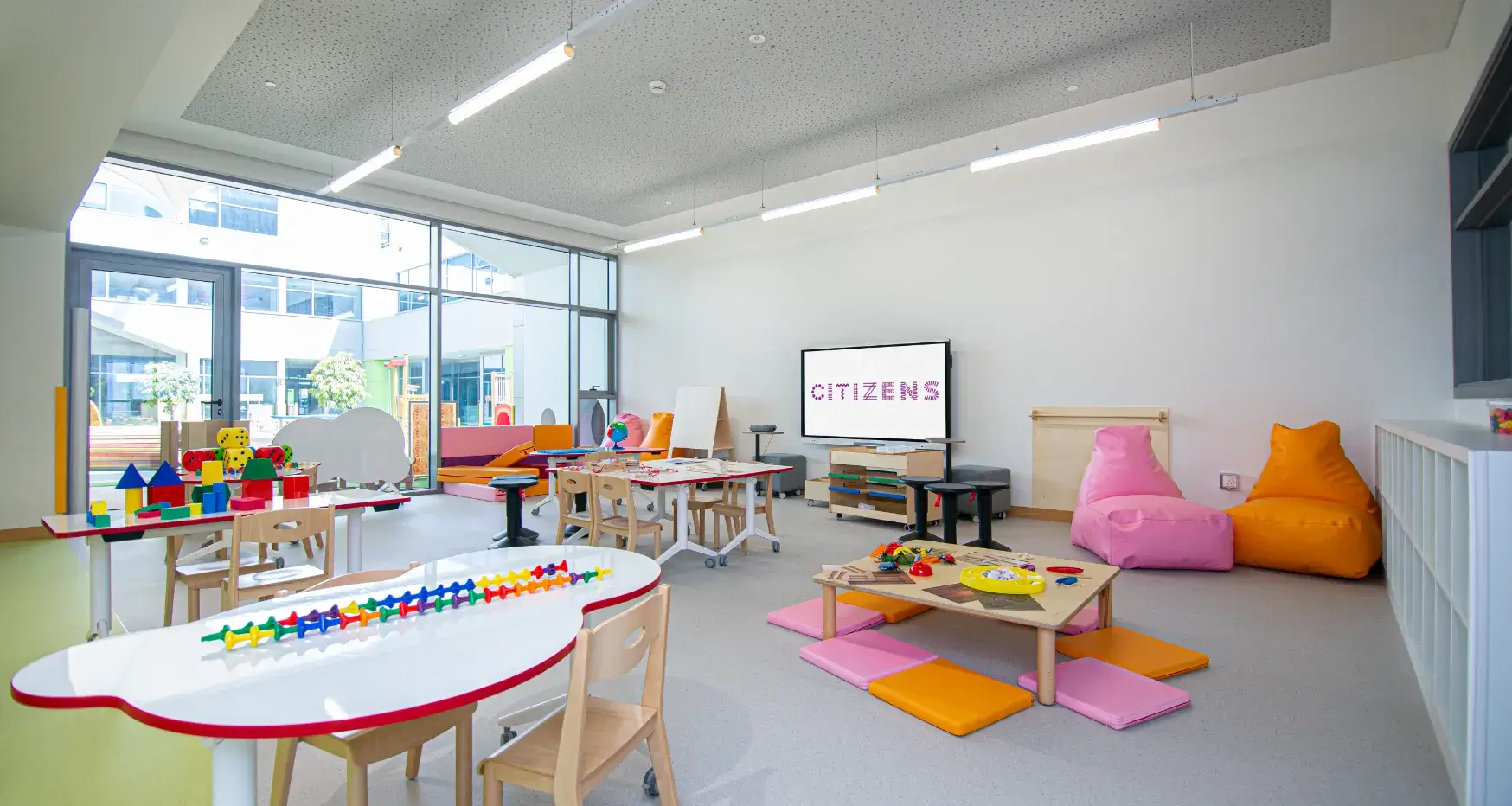
Facilities are another area where it’s worth looking beyond appearances. Modern innovation labs, sports centres, and creative spaces can enhance learning, but only if they’re integrated into everyday teaching rather than simply showcased during school tours.
Finally, check admissions availability. Popular schools may have waiting lists for specific year groups, so flexibility can sometimes influence your shortlist.
6. Know How the Admissions Process Works
While every school has its own requirements, the admissions journey usually follows a similar path. You should keep a checklist handy to avoid the last-minute hassle. After shortlisting your preferred schools, you’ll submit an application, provide supporting documents, complete a learner assessment or observation (where applicable), and receive an offer if a place is available.
Common documents typically include:
- Previous school reports
- Passport copies for parents and the learner
- Emirates ID (once issued)
- Vaccination records
- Transfer certificates, if required
Many schools in Dubai also welcome mid-year admissions, making it easier for families relocating outside the traditional academic calendar. Admissions teams are often experienced in supporting international moves and can guide parents through timelines, documentation, and next steps.
The earlier you begin these conversations, the more options you’re likely to have. Being organised also gives your child more time to prepare emotionally for the transition.
7. Questions to Ask During a Dubai School Tour
Open days and campus visits offer a chance to see what brochures and websites can’t. Beyond the classrooms and sports facilities, pay attention to how the school feels.
Ask questions like:
- How is learning delivered in the classroom?
- How does the school support wellbeing and inclusion?
- How are parents kept informed about their child’s progress?
- What opportunities are available beyond academics?
- How are new learners welcomed into the community?
As you walk around, observe the small moments. Are children engaged and confident? Does the atmosphere feel warm, respectful, and inclusive?
Often, it’s these everyday interactions that tell you whether a school is the right fit for your family.
8. Prepare Your Child for the Move, Not Just the School
For children, moving to Dubai means more than changing schools. They’re adapting to a new home, a new routine, and often a completely different environment.
One of the best ways to ease the transition is to involve your child early. Talk positively about the move, while making space for any worries or questions they may have. Share what their new school might be like, explore photos together, and help them know what to expect before the first day.
Keeping familiar routines, such as regular mealtimes or bedtime rituals, can also provide a reassuring sense of stability while so much else is changing.
A smooth transition doesn’t happen by chance. It begins with helping your child feel prepared, supported, and excited about what’s ahead.
9. The First Few Weeks Matter More Than You Think
Every child adjusts at their own pace. Some quickly make friends and settle into new routines, while others need more time to feel comfortable.
During the first few weeks, stay connected with your child’s teachers and encourage regular conversations at home. Rather than asking only, “What did you learn today?”, ask about friendships, favourite moments, or something that made them smile.
Celebrate small milestones, whether it’s remembering their timetable, joining a new club, or making their first friend. These moments build confidence and reinforce a sense of belonging.
If challenges arise, remember that successful transitions are built through partnership. When schools and families communicate openly, children are far more likely to settle into their new environment with confidence.
How Citizens School Supports Families Moving to Dubai
Starting at a new school is a significant milestone, especially after an international move. That’s why Citizens School focuses on making every family feel welcomed, supported, and connected from the very beginning.
From the admissions process onwards, every learner is known and known well. Families receive personalised guidance before arrival, with the admissions team providing support throughout the enrolment journey and helping answer practical questions before the first day.
Once school begins, personalised mentoring, a strong wellbeing programme, and an inclusive community help learners build confidence, form meaningful friendships, and settle into their new environment. Regular communication with parents ensures families feel informed and supported throughout the transition.
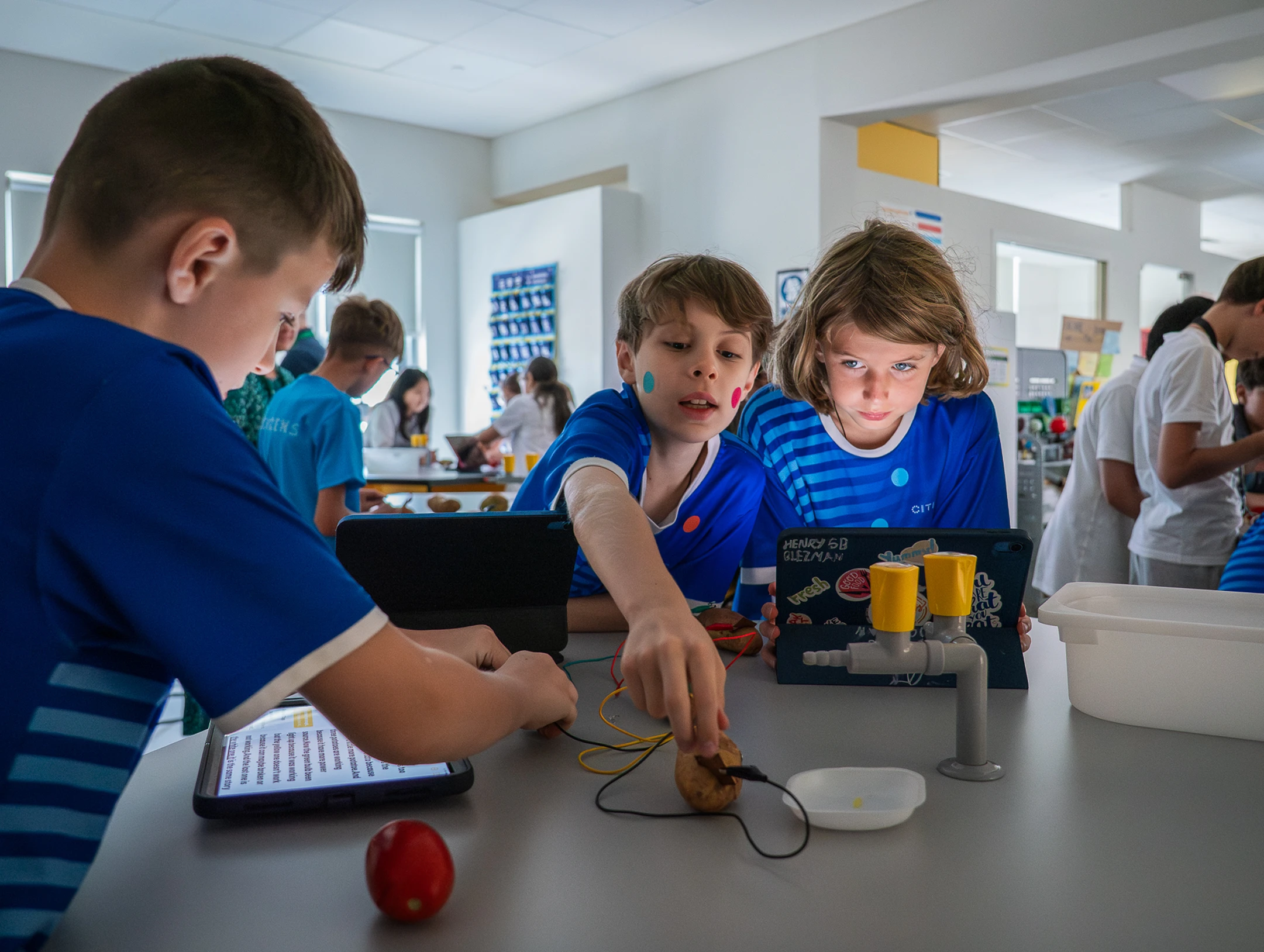
Learning is built on the British curriculum, enriched through the Citizens Future Framework, where inquiry-led learning, venture building, design thinking, entrepreneurship, financial literacy, and AI & digital literacy prepare learners for a rapidly changing world.
At Citizens School, settling in isn’t treated as a short induction programme. It’s an ongoing commitment to ensuring every learner feels known, supported, and ready to thrive in their new home.
Conclusion
Finding the right school in Dubai isn’t about choosing the most popular name or the highest-rated campus. It’s about finding a place where your child feels supported, challenged, and excited to learn.
As you explore your options, look beyond the curriculum and facilities. Pay attention to how the school welcomes new families, supports learners through change, and helps every child feel seen and valued.
Because when children feel they belong, settling into a new city becomes much easier. And that’s often the first step towards thriving in their new home.