






Choosing a school in Dubai can feel exciting and overwhelming at the same time.
Do you prioritise curriculum? Location? Fee? Reputation? Or all of them?
For expat families, the decision is even more complex. Relocation, curriculum continuity, cultural adjustment, and future mobility all come into play. What works for one family may not work for another. A school that looks perfect on paper may not align with your child’s personality, learning style, or long-term plans.
That’s why choosing based only on reputation, facilities, or word-of-mouth can lead to uncertainty later. The real goal is not just to find a “good” school but to find the right environment where your child feels supported, confident, and motivated to learn.
This guide breaks down the key things expat families should consider before making a decision, helping you move beyond surface comparisons and choose with clarity, practicality, and long-term confidence.
Understanding Dubai’s School Horizon: Choices and Complexity
Dubai offers one of the most diverse education landscapes in the world. Families can choose from multiple curricula, varied fee tiers, and schools with very different teaching philosophies. While this variety is a strength, it can also make decision-making more complex.
- KHDA ratings are often the first reference point for parents. These inspections eprovide a useful benchmark for teaching quality, leadership, student progress, and well-being. However, ratings alone do not capture culture, teaching style, and learner experience. Ratings should only be a data point of a broader evaluation.
- Curriculum options add another layer of choice. British, IB, American, and other international pathways each follow different structures and assessment models. Some emphasise coursework and continuous assessments, while others rely more heavily on examinations. Understanding how each curriculum aligns with future relocation plans or university destinations helps narrow the shortlist.
- Fee variations also require careful consideration. Dubai schools range from mid-tier to premium, and higher fees do not always translate into a better experience. Differences often reflect facilities, class sizes, extracurricular opportunities, and specialist support services. Looking at overall value, not just fees, helps families make more practical decisions.
Together, these factors highlight why choosing a school in Dubai requires more than comparing ratings or reputation. Understanding the landscape allows families to evaluate options with greater clarity and confidence.
Key Factors Expat Parents Should Evaluate Before Choosing a School
With so many options available, it helps to focus on a few essentials. Instead of comparing everything at once, narrowing your decision to key factors makes the process clearer and less overwhelming. These seven areas often have the biggest impact on your child’s experience.
1. Curriculum Fit for Long-Term Plans
Think beyond the next academic year. If relocation is likely, choosing a curriculum that offers flexibility can make transitions smoother. Families planning to relocate to the UK, for example, may benefit from a British curriculum for smoother transitions.
Flexibility is another consideration. Some curricula, like the IB, are widely transferable across countries, while others may require adjustment periods.
2. Location and Daily Commute
Often underestimated, distance matters more than it seems. For younger children, long travel durations can lead to fatigue, reduced focus, and diminished enthusiasm for school.
Parents should evaluate:
- Distance from home
- Traffic patterns during peak hours
- Availability and reliability of school transport
A shorter, predictable commute often contributes to better daily routines.
3. Fees Beyond Tuition
Tuition fees represent only part of the total cost. Additional expenses may include:
- Registration and re-enrolment fees
- Uniforms and learning materials
- Transport services
- Digital devices
- Extracurricular activities
Understanding the full financial commitment helps avoid unexpected costs and supports better budgeting.
4. Teaching Approach and Learning Experience
Schools differ significantly in their pedagogical models. Some follow traditional, teacher-led instruction, while others adopt inquiry-based or project-based learning approaches.
Modern education increasingly emphasises the following:
- Critical thinking
- Collaboration
- Real-world application
Observing how lessons are delivered can give clues about whether the approach suits the child’s learning style.
5. School Culture and Values
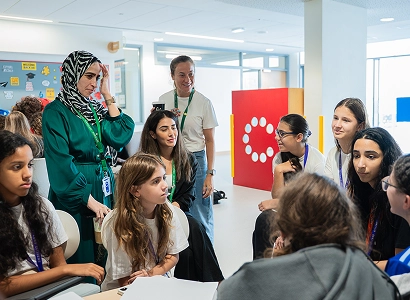
Culture is often intangible but highly influential. Culture influences behaviour, confidence, and well-being. Observe how students interact, how expectations are communicated, and whether the environment feels supportive yet structured.
Key cultural indicators include:
- Respectful and open communication
- Encouragement of student voice
- Inclusivity and diversity
A positive culture fosters confidence, resilience, and a sense of belonging.
6. Academic Outcomes vs Holistic Development
Academic performance remains important, but it should not be the sole focus. Balanced schools integrate:
- Co-curricular activities
- Leadership opportunities
- Creative and physical development
Research highlights that holistic education contributes to long-term success and well-being.
7. Student Support and Inclusion
Support systems are critical, particularly for expat families adjusting to a new environment.
Areas to assess include:
- SEN (Special Educational Needs) provision
- ESL (English as a Second Language) support
- Pastoral care and counselling services
Effective support ensures that all students can access learning and feel secure within the school environment.
Focusing on these factors helps shift the decision from guesswork to clarity, making it easier to identify a school that truly fits your child and family’s priorities.
Common Mistakes Expat Families Make (And How to Avoid Them)
One frequent mistake is relying solely on KHDA ratings or brand recognition. While these factors provide a useful starting point, they do not guarantee alignment with a child’s needs.
Another common issue is overlooking the child’s personality and learning preferences. A highly structured environment may not suit a child who thrives in exploratory settings.
Commute time is often underestimated, leading to daily fatigue and reduced engagement. Similarly, failing to consider future relocations can result in curriculum mismatches.
Lastly, school culture and communication are sometimes ignored. Misalignment between school expectations and family values can create friction over time.
Avoiding these pitfalls requires a more holistic evaluation approach.
How Expat Parents Can Make the Right Choice
Once key factors are clear, the focus should shift to fit rather than comparison. Start with your child’s needs, then use school visits to observe classroom dynamics, student engagement, and teacher interactions. Ask targeted questions to understand how learning, support, and communication work in practice. Parent feedback can offer perspective, but it is important to filter opinions based on your priorities.
Finally, it’s better to plan. Many popular schools operate waiting lists, so early applications help keep options open.
Conclusion
Dubai offers an exceptional range of schooling options, but navigating this landscape requires thoughtful evaluation.
Balancing academic quality with wellbeing, culture, and practical considerations leads to more sustainable decisions. Short-term convenience should not outweigh long-term alignment.
Ultimately, the best school is not defined by rankings alone. It is the one where a child feels supported, appropriately challenged, and genuinely engaged in their learning journey.