



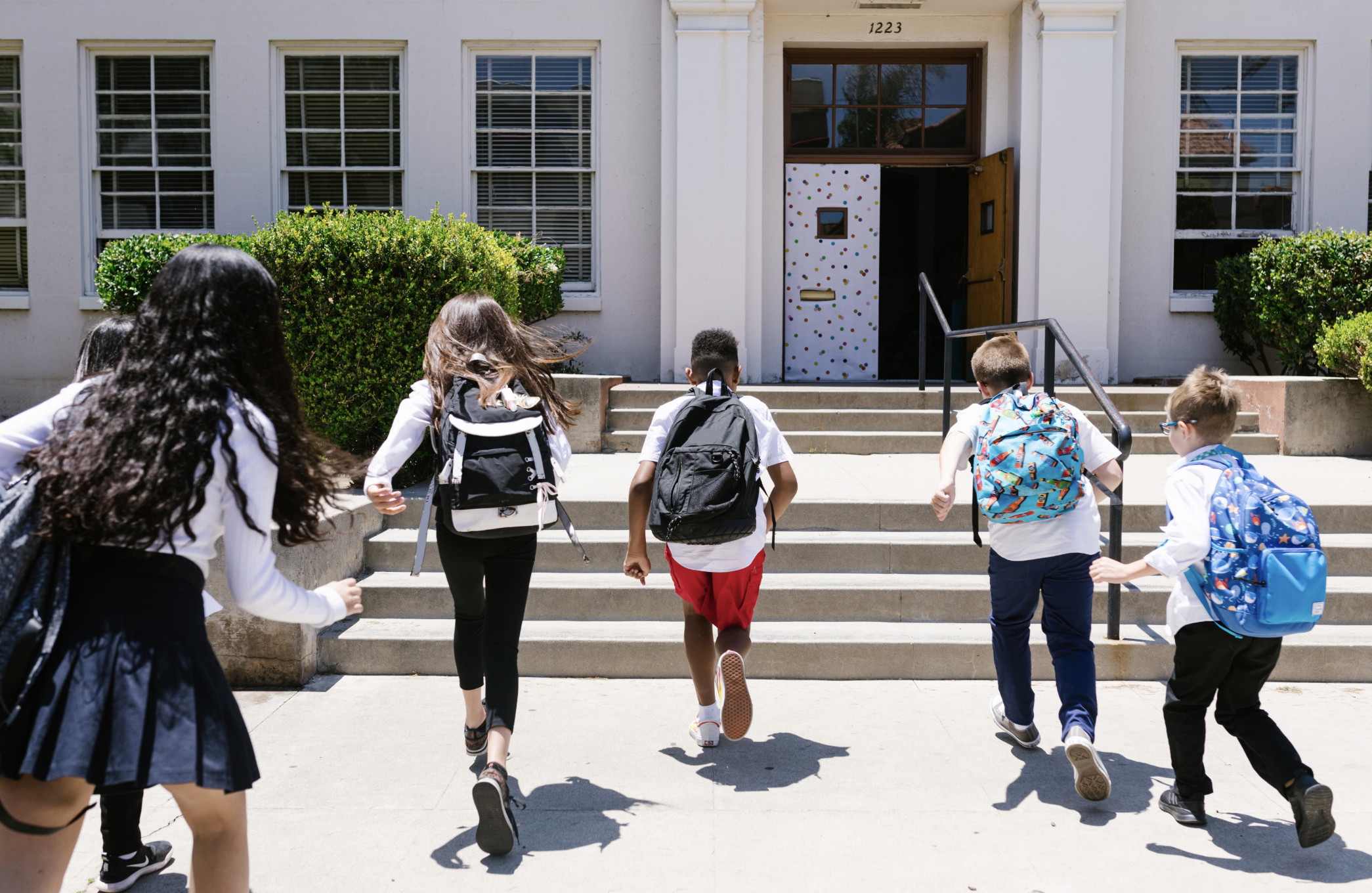
After weeks of late mornings, family trips, relaxed meals, and plenty of unstructured time, the school morning can arrive surprisingly quickly.
The first day back can feel surprisingly big after a long summer. One week, mornings are slow and unplanned; the next, there are alarms to beat, bags to pack, and places to be.
For some children, returning to school is exciting. They can’t wait to see friends, reconnect with teachers, and get back to their favourite activities. For others, the thought of early mornings, packed bags, and a full day of learning takes a little getting used to.
That adjustment is normal. Children don’t need to switch instantly from holiday mode to school mode.
For the 2026–27 academic year, Dubai’s school calendars vary by curriculum, with many September-start schools returning after the summer break while Indian, Pakistani, and Japanese curriculum schools follow different academic cycles. Checking your school’s calendar is therefore an important first step. School calendars vary by curriculum in Dubai.
The final weeks of the holidays are a good time to make small changes that help children feel ready without taking the fun out of their summer.
1. Reset School Routines Gradually
The alarm clock can wait, but not until the night before school starts.
After weeks of late mornings and flexible schedules, jumping straight back into school timings can leave children tired and unsettled. Instead, start making small changes during the final days of the holiday. Try to use fewer screens and more recreational activities to reduce screentim before the school begins. Move bedtime and wake-up time closer to the school schedule, bring back regular mealtimes, and introduce a simple morning rhythm.
There’s no need to recreate the school day at home. The aim is simply to make earlier starts and predictable routines feel familiar again.
Get children involved, too. Let them help organise their school bag, choose what they’ll need for the morning, or plan their breakfast. These small steps give them a sense of ownership while making the transition feel less abrupt.
A little preparation now can make the first week back feel much more manageable.
2. Keep Learning Alive Without Turning Summer Into Homework
Summer doesn’t need a worksheet to be educational.
Children can return to school mentally ready simply by staying curious. Let them choose a book they genuinely want to read, talk about something interesting they discovered on holiday, or turn everyday moments into opportunities to ask questions.
Cooking together, playing strategy games, solving puzzles, drawing, building, or exploring somewhere new can all keep young minds active without feeling like extra schoolwork.
This fits well with a learner-centred approach: curiosity isn’t something that switches on when term begins. It can grow through ordinary experiences when children have the freedom to explore, question, and make connections.
Most importantly, avoid turning the final weeks of summer into a race to “catch up”. The goal is to keep children curious, not to make the holidays feel like another classroom.
3. Help Your Child Look Forward to Going Back
“I’m not ready for school to start.”
It’s a feeling many children have after a long, relaxed holiday. Rather than brushing it aside, give them space to talk about it.
Start conversations about the things they’re looking forward to—seeing friends, reconnecting with teachers or mentors, returning to favourite activities, or discovering something new. If they have worries, listen without immediately trying to fix them. Sometimes, being heard is enough to make a concern feel smaller.
For children starting at a new school, the conversation may look different. Talk through what they can expect, explore the campus together if possible, and give them opportunities to ask questions about their new routine and classmates.
The aim isn’t to convince children that every part of school will be exciting. It’s to help them feel that whatever comes up, they’re ready to handle it.
4. Build Independence Before the First Morning
A confident first morning often starts with what happens at home.
After a summer of adults helping with everything from packing bags to getting dressed, it’s worth handing some of those responsibilities back to your child. Depending on their age, they might organise their school supplies, choose their clothes, pack their bag, or get ready with less prompting.
Before term begins, check that uniforms still fit, label belongings, and make sure school supplies are ready. For younger children especially, knowing where everything is can remove unnecessary morning stress.
The goal isn’t perfection. It’s giving children small, manageable responsibilities they can own.
When children arrive at school knowing they can manage small responsibilities themselves, they begin the term with a little more agency.
5. Reconnect With Friends Before School Starts
After several weeks apart, children may need a little time to slip back into their social routines. If possible, arrange a playdate, meet-up, or simple outing with classmates before term starts. Even a quick conversation can help younger children feel more comfortable about seeing friends again.
For older learners, ask about the people they’re looking forward to seeing rather than assuming they’ll pick up exactly where they left off. Friendships can shift over a long break, and that’s normal.
If your child feels nervous about reconnecting, listen rather than putting pressure on them to be social straight away. Encourage kindness, empathy, and open communication while giving them space to settle at their own pace.
6. Starting at a New School? Help Your Child Know What to Expect
For a child joining a new school, the return after summer can bring a different kind of uncertainty. They may not know where their classroom is, who to approach for help, or what the day will look like.
Take away some of that unknown before term begins. If possible, visit the campus, attend an orientation, explore the school’s website together, or look at photographs of key spaces. Talk through simple details such as drop-off, the school day, lunch, and who your child can turn to if they need help.
It’s also worth explaining that they don’t have to make friends or feel completely settled on day one. Starting somewhere new is a process, not a performance.
At Citizens School, personalised mentoring and a strong sense of belonging help new learners feel known and supported as they find their place in the community. For children entering an unfamiliar environment, that human connection can make a meaningful difference.
7. Prepare for the First Week, Not Just the First Day
Getting through Monday is one thing. Settling into the whole week is another.
Children may come home tired, distracted, or more emotional than usual during the first week. That’s normal after a long break. Keep evenings calm, allow extra time in the mornings, and avoid packing the after-school schedule with too many activities.
Most importantly, don’t expect everything to feel normal immediately. Ask how your child is settling in, but don’t turn every evening into an interview. Give them room to decompress.
A gentle first week gives children time to find their rhythm rather than expecting them to arrive fully adjusted.
8. Make Room for Rest, Movement, and Wellbeing
Being ready to learn starts with feeling ready to be yourself.
A successful return to school isn’t measured only by how quickly children get back into academic routines.
Make time for movement, outdoor activity, family conversations, hobbies, and quiet downtime. These aren’t distractions from learning. They help children regulate energy, process experiences, and recharge after structured days.
Pay attention to changes in mood or behaviour. Persistent withdrawal, anxiety, sleep difficulties, or reluctance to attend school may be worth discussing with your child’s teacher, mentor, or wellbeing team.
A school that places wellbeing alongside academic development can make this process easier by giving children trusted adults to turn to when they need support.
At Citizens School, personalised mentoring and wellbeing are integrated into the wider learning experience, recognising that children learn best when they feel secure, connected, and understood.
How Parents and Schools Can Make the Return Easier
The transition works best when home and school are pulling in the same direction.
Parents don’t have to manage every part of the adjustment alone. If your child is worried about a new routine, a friend, a teacher, or a year group, share those concerns with the relevant teacher or mentor. A small conversation early on can prevent a minor worry from becoming a bigger one.
Schools also play an important role in creating familiarity. Welcoming routines, trusted adults, clear expectations, and opportunities to build relationships can help children feel that they belong.
At home, consistency matters. At school, connection matters. When both work together, children have the reassurance they need to adjust at their own pace.
At Citizens School, the emphasis on knowing every learner well supports this kind of individualised transition. Children aren’t expected to fit one template. Their needs, strengths, and experiences are part of the conversation.
Conclusion: A Gentle Return Can Set the Tone for the Year
The return to school doesn’t have to happen overnight. Children need a little time to find their rhythm again.
Gradually resetting routines, reconnecting with friends, encouraging independence, and making space for rest can make those first few days feel much easier. Just as importantly, children benefit from knowing that home and school are working together to support them.
A successful start isn’t about arriving on day one perfectly prepared. It’s about helping children feel ready, reassured, and confident enough to take the next step.