



Classrooms are no longer just places to absorb information. In well-designed learning environments, they function as testing grounds where children practice thinking, experimenting, collaborating, and adapting skills that lie at the heart of entrepreneurship.
Early exposure to entrepreneurial traits builds more than startup skills. It creates confident, adaptable learners who handle uncertainty, self-direct their learning and grow ready for unpredictable futures, reflecting the broader role of Entrepreneurship in Education as a foundation for lifelong adaptability and innovation.
1. Curiosity: Asking Questions That Lead to Better Ideas
Curiosity is where the entrepreneurial spark begins. Inquiry-based learning creates space for learners to question assumptions, investigate patterns, and explore alternatives. Asking questions instead of waiting for predefined answers helps curiosity grow stronger.
Curiosity fuels creativity and problem-solving. According to the World Economic Forum’s Future of Jobs Report 2025, analytical thinking and curiosity-driven learning remain among the most critical skills for emerging roles.
In classrooms built around inquiry, teachers use open-ended prompts. Why does this happen? What would change if we tried a different approach? How else could this work? This encourages learners to move beyond surface-level understanding and into deeper exploration.
Simple activities like analysing real-world problems, observing cause-and-effect relationships, or researching unfamiliar concepts train learners to stay curious even when answers are not immediate. Over time, curiosity becomes a habit rather than a reaction.
2. Resilience: Learning to Bounce Back From Setbacks
Entrepreneurial paths aren’t linear. Classrooms give children a safe, age-appropriate environment to experience setbacks without high stakes. Project-based tasks are especially powerful because the results are often unpredictable.
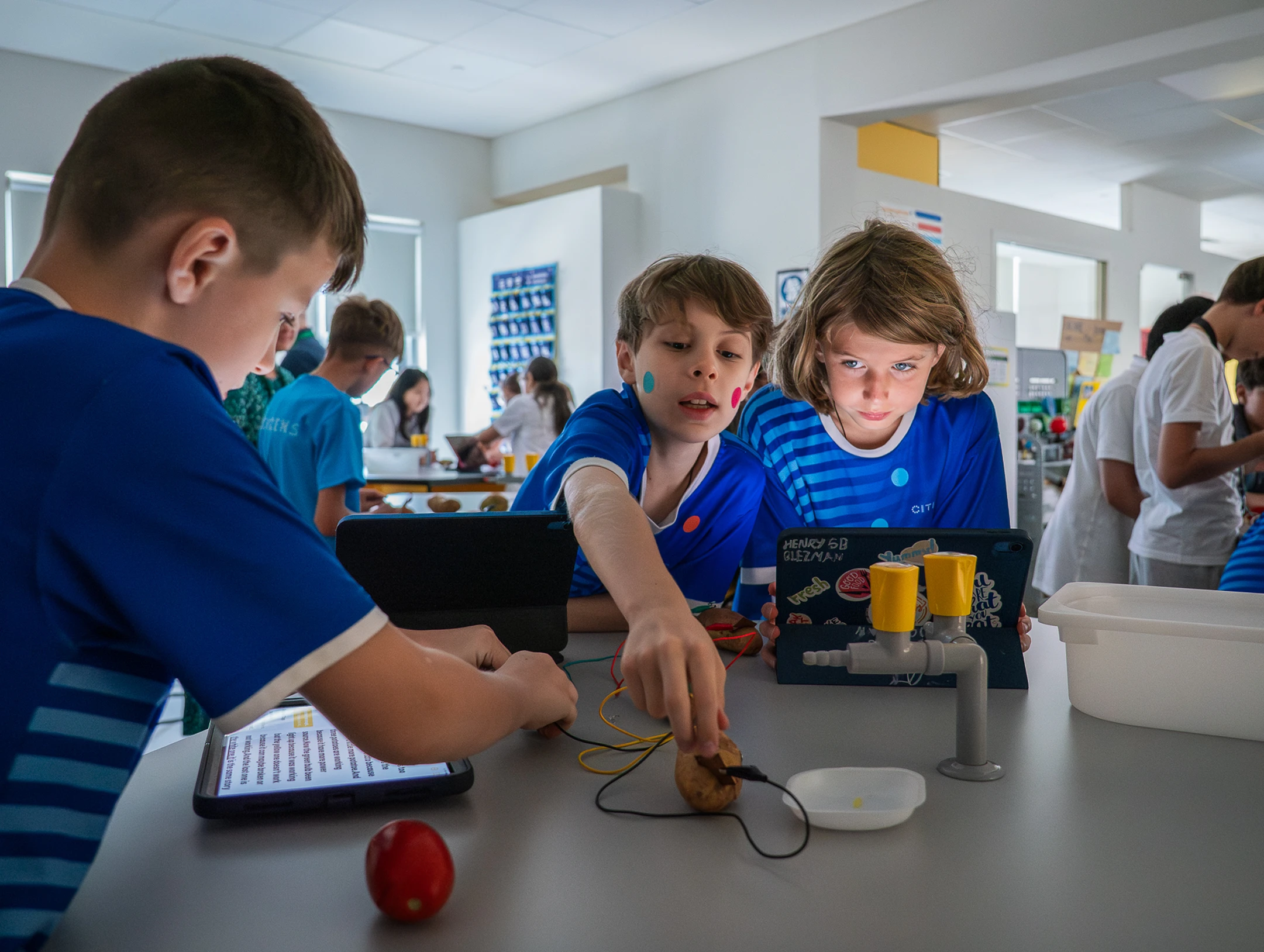
When children work on long-term projects, they encounter setbacks. This exposes them to failed ideas or broken prototypes. Instead of shielding them from difficulty, learners are encouraged to reflect, refine, and try again, and this is the core of resilience.
Feedback cycles play a central role here. Constructive feedback with empathy shows learners that improvement is a process.
Feedback, if given the right way, normalises trial and error. It helps kids create their own graph by treating mistakes as data, not failure.
Resilience prepares learners for change: as automation alters careers, the ability to adapt, recover, and persist is essential.
3. Creativity: Finding Original Ways to Solve Problems
Creativity is foundational for entrepreneurs. It makes entrepreneurial learning practical, not performative. It helps in generating viable solutions which are practical and not just artistic expression. Such creative thinking comes to life with the regular practice of design thinking frameworks in classrooms.
UNESCO’s Global Education Monitoring Report 2024–25 highlights creative thinking as crucial for tackling complex, real-world problems. Through design cycles – brainstorm, prototype, test, refine – learners understand that iteration is normal. This process demystifies creativity and makes it accessible to every learner.
Tasks like redesigning everyday objects, solving community-based problems, or rethinking inefficient systems train learners to approach issues from multiple angles.
4. Collaboration: Working Comfortably With Diverse Groups
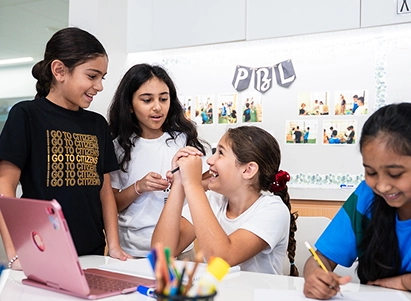
Entrepreneurship rarely happens in isolation. In classrooms, collaboration becomes the training ground where learners practise working with different personalities, perspectives, and strengths.
Group projects teach shared responsibility. They learn how to articulate their thinking clearly, listen with intent, and adapt when viewpoints differ. These interactions build practical communication skills that extend beyond academic tasks.
Collaboration also teaches accountability. Learners experience how one person’s work affects the whole team and learn reliability, constructive feedback and conflict resolution.
These classroom experiences mirror real-world entrepreneurial settings, where teamwork, cross-functional thinking, and diverse perspectives drive innovation.
5. Critical Thinking: Making Informed, Thoughtful Decisions
Critical thinking is what happens when learners stop accepting information at face value and start asking, Does this make sense? Classrooms build this skill through routines that invite analysis, comparison, and choice.
Learners practise critical thinking by evaluating and comparing solutions, questioning assumptions and weighing evidence before choosing a course of action and sometimes changing their minds based on new information.
Debates, reflection prompts, and scenario-based challenges make decision-making active. Instead of looking for the “right” answer, learners learn to justify their thinking and adapt when new information emerges.
These habits matter: strong critical thinkers make better decisions, avoid impulsive choices, and approach complex situations more confidently.
6. Initiative: Taking Ownership of Ideas and Projects
Initiative is when a child says, “Let me try.” In entrepreneurial classrooms, children are regularly encouraged to step forward, lead tasks, and turn ideas into action.
Learners show initiative when they propose solutions, volunteer to lead group tasks, or set personal goals for a project. They learn how to plan their time, manage responsibilities, and follow through. Small decisions, like choosing how to approach an assignment or improving a project after feedback, reinforce a sense of ownership.
When children are trusted to lead, they understand that their ideas have value. Progress needs courage more than perfection. Over time, this mindset nurtures self-belief, independence, and the readiness to create opportunities rather than wait for them.
Managing timelines, setting personal goals, or identifying gaps that need solutions develops self-management. They learn how to prioritise tasks, monitor progress, and reflect on results.
Ownership builds confidence and trust in judgment to act on ideas. Initiative, once internalised, becomes a transferable skill across school, work and life.
The Role of Citizens School
At Citizens School, the Citizens Future Framework embeds these six entrepreneurial traits into everyday learning rather than treating them as standalone programmes.
The framework aligns with five core pillars:
- Entrepreneurship, as a mindset
- Transdisciplinary Project-Based Learning, connecting concepts across disciplines through learning by doing
- Inquiry-Based Learning, where questioning drives understanding
- Digital Literacy, enabling responsible, informed engagement with technology
- Everyone Known & Known Well, ensuring personalised learning journeys
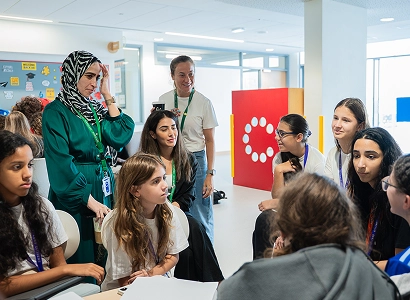
In practice, learners tackle real-world problems, collaborate across age groups, and use digital tools to research, prototype, and present. Educators act as facilitators, guiding reflection and encouraging independent thinking.
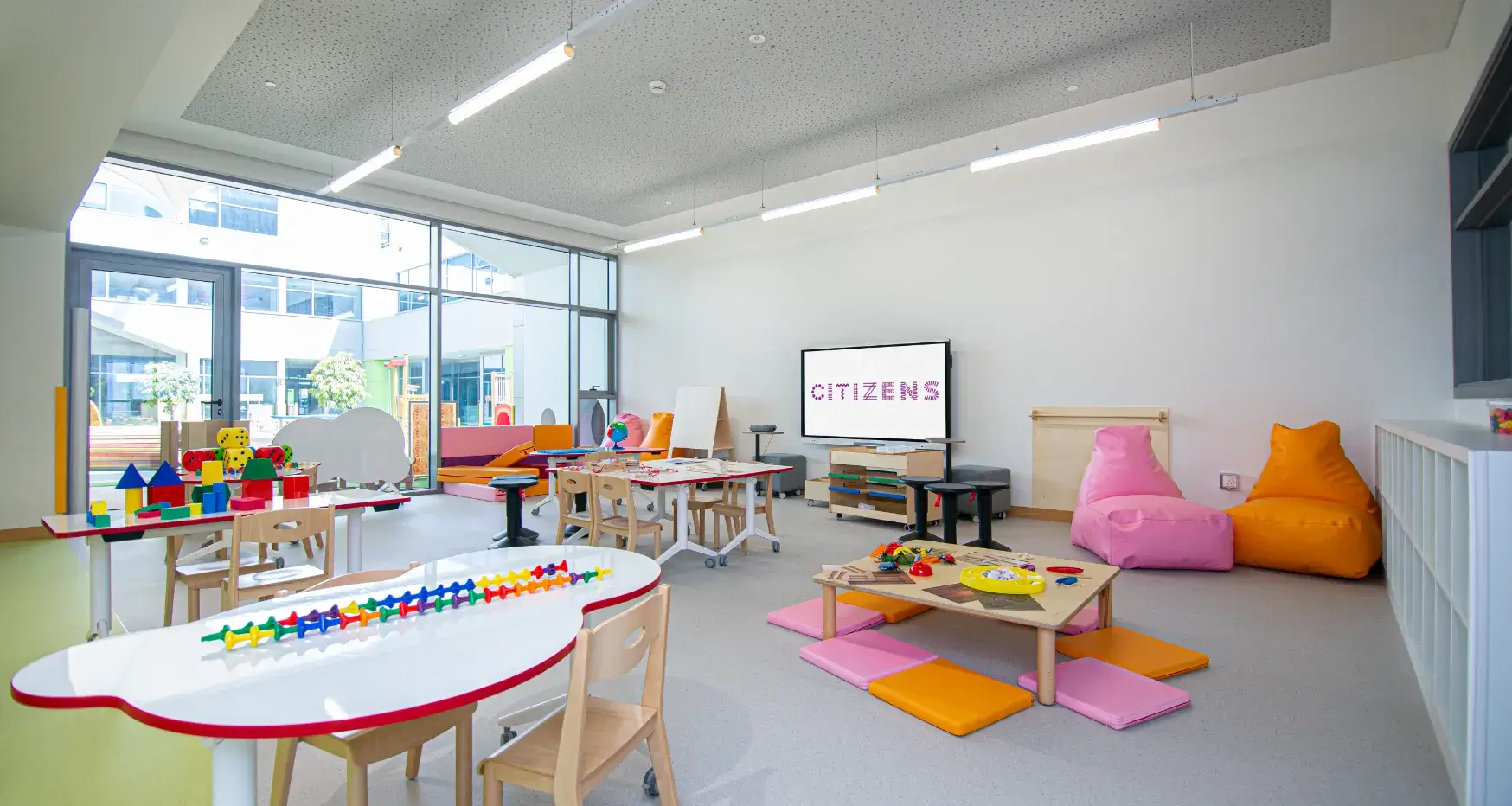
Our environment supports risk-taking and experimentation. Learners are encouraged to test ideas, learn from outcomes, and iterate without fear. This cultivates purpose-driven action rather than compliance-driven learning.
Conclusion
Entrepreneurship goes beyond starting businesses. It is a way of thinking that helps children navigate uncertainty, adapt to change, and contribute meaningfully to the world around them, reflecting the broader shift toward Reimagining Education so that children grow as active, self-driven learners rather than passive recipients of knowledge.
As industries evolve, the roles children may fill in their future careers are still evolving. Traits like curiosity, resilience, creativity, collaboration, critical thinking, and initiative are therefore foundational elements of the broader future skills for children that prepare them to thrive in industries and roles that are still evolving.
Parents play a vital role in reinforcing these traits at home. They can encourage questions, normalise mistakes, and support creative exploration. When schools and families align, children gain the confidence to face a fast-changing world with clarity and purpose.