



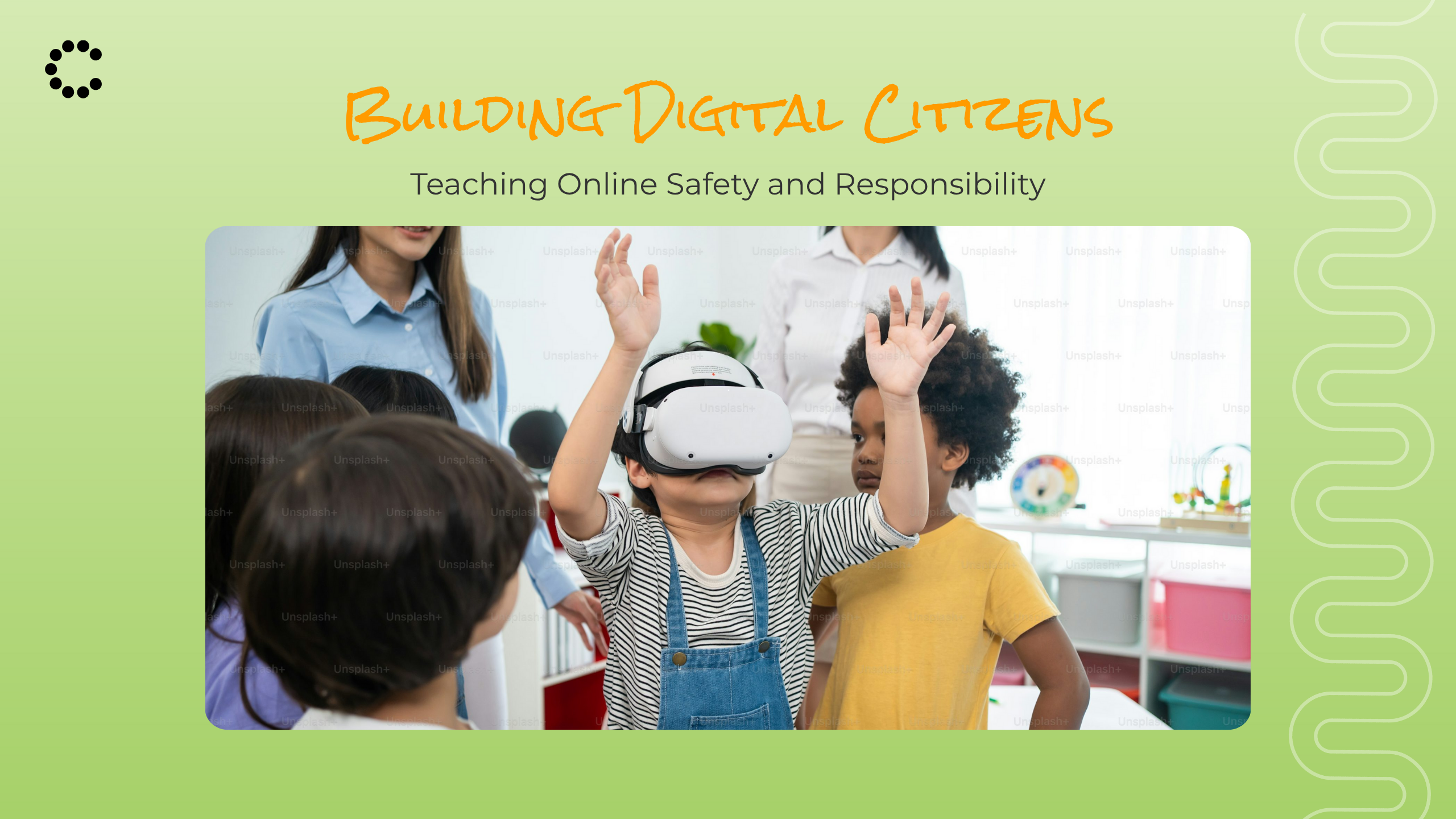
Today’s children are growing up in a fully connected world where technology is woven into every aspect of daily life. From education to entertainment, digital tools open up endless opportunities. But these opportunities are accompanied by certain challenges. This heightens the need to educate children on online safety for kids, respectful behaviour, and responsible technology use.
Citizens School’s Digital Literacy pillar equips learners not only with technical know-how but also with the values of empathy, inclusivity, and responsibility, preparing them to be mindful digital citizens in a global community.
What Is Digital Literacy and Why It Matters?
Digital literacy for children is far more than knowing how to operate a device. It’s the ability to navigate, evaluate, and engage with digital spaces safely and responsibly.
For children, this means learning not only the technical side of using apps, games, and online platforms but also developing the judgement needed to make wise choices. A digitally literate child understands internet safety, how to protect personal information, how to spot misinformation, how to interact respectfully online, and how to manage screen time for balance and well-being.
Its importance cannot be overstated: children’s personal, academic, and professional futures will all be shaped by how they engage online. Reports show that over 80% of five-year-olds in countries like England, Estonia, and the U.S. already use digital devices weekly, with 42% using them daily. These early experiences shape not just how children see technology but how they see themselves and others in a connected world. Therefore, developing digital responsibility is an essential part of building broader future skills for children.
For Citizens, teaching digital responsibility to learners is not just about skills but values. Learners are guided to use technology with respect, empathy, inclusivity, and consideration for their well-being, ensuring that digital spaces enhance their growth rather than hinder it. This philosophy aligns closely with From Students to Learners at Citizens School, where education is intentionally designed to cultivate curiosity, adaptability, and real-world application beyond traditional academic structures.
What is Digital Citizenship in Dubai?
Digital citizenship goes beyond simply knowing how to use technology. It is about using the internet and digital tools safely, responsibly, and ethically. A good digital citizen understands their rights and responsibilities online, treats others with respect in virtual spaces, and makes thoughtful choices when engaging with digital platforms.
It’s important to distinguish digital citizenship from digital literacy.
- Digital literacy is the ability to access, understand, and use technology effectively. Digital literacy encompasses skills such as navigating apps, evaluating information, and managing privacy settings.
- Whereas digital citizenship is about behaviour and values in the digital world. It highlights how one communicates, protects personal data, avoids harmful activities, and contributes positively to online communities.
In simple terms, digital literacy gives children the skills to use technology, while digital citizenship teaches them the judgement to use those skills in a safe and meaningful way. Both are essential, but digital citizenship ensures learners grow into responsible, empathetic, and globally aware digital participants.
The Core Elements of Responsible Digital Citizenship
Being digitally literate is not just about technical know-how; it’s about developing a set of lifelong habits that help children stay safe, respectful, and mindful online. At its heart, educating digital citizens rests on five interconnected pillars:
1. Online Safety
Children are often unaware of the dangers lurking online. Globally, about 15% of adolescents report experiencing cyberbullying, while in the U.S., 46% of teens have been subjected to online harassment. Such experiences can leave lasting emotional scars.
At Citizens School, learners are guided on managing privacy settings, identifying unsafe platforms, and recognising risks such as scams or predatory behaviour.
2. Digital Etiquette
The internet is a social space. Respect is just as important online as in face-to-face interactions. Cyberbullying, trolling, and exclusionary behaviour harm individuals and erode trust in online communities. Recent studies show that 53.9% of U.S. teens aged 13–17 have been cyberbullied, with many facing repeat harassment linked to symptoms of PTSD.
Children at Citizens learn to practise empathy, use inclusive language, and resolve conflicts peacefully in digital spaces.
3. Media and Information Literacy
In today’s world of AI-generated content, deepfakes, and misinformation, critical thinking is vital. Learners are trained to evaluate sources, spot bias, and think before sharing. This sharpens academic skills and protects them from falling prey to manipulation.
4. Cybersecurity Awareness
From creating strong passwords to identifying phishing attempts, children must develop habits that protect their digital identity. Learners practise using two-factor authentication and safe browsing until these become second The World Economic Forum notes that cybercrime costs are projected to reach $10.5 trillion annually by 2025 (WEF), making cybersecurity awareness a vital life skill even for children.
5. Digital Wellbeing
Technology can empower, but overuse of it can affect mental health. Increased screen time leads to over-stimulation and increased impatience. Children need to learn how to balance screen time with offline activities, manage their emotions when online, and use tech intentionally for learning and creativity rather than mindless scrolling.
At Citizens, learners understand the importance of balancing online engagement with offline activities, practising mindful tech use to support both productivity and emotional health. UNICEF research further highlights that while screen time alone isn’t harmful, exposure to online abuse strongly correlates with anxiety, self-harm, and suicidal ideation.
How Citizens School Embeds Digital Literacy into Learning
At Citizens School, teaching digital responsibility is not treated as an add-on but as a core life skill woven into everyday learning. By combining structured curriculum, parent collaboration, and global citizenship values, the school ensures that children grow into confident and responsible digital citizens.
Hands-On Digital Literacy Curriculum
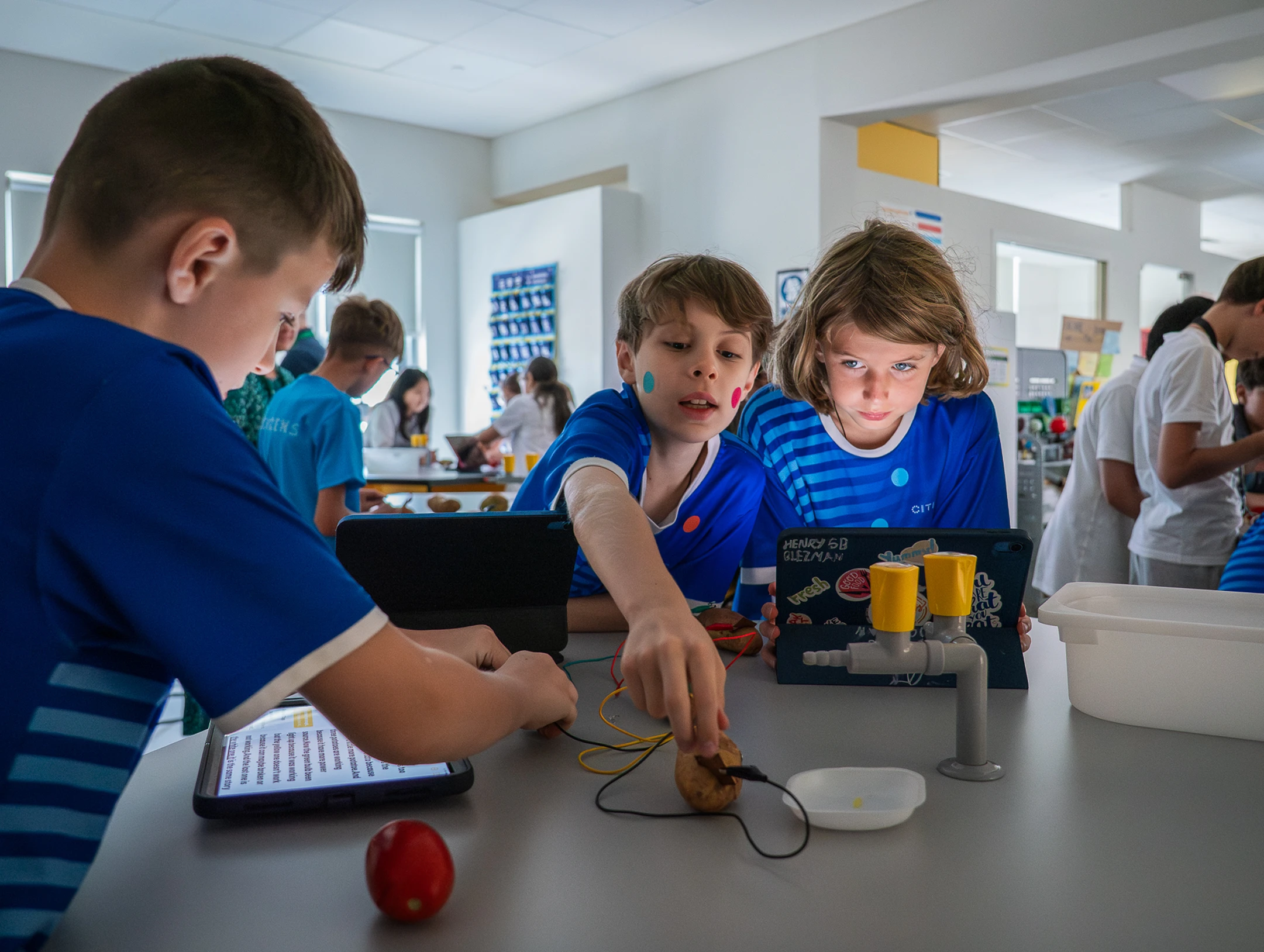
From the early years, learners engage in lessons that introduce internet safety, cyber ethics, and responsible technology use. Instead of theory-heavy sessions, learners work on practical projects such as designing secure websites, fact-checking news articles, or creating digital campaigns that promote positive social change. These activities not only strengthen technical competence but also build critical thinking and ethical judgement.
Collaboration with Parents
Citizens School believes online safety for kids begins at home. Parents are actively involved through interactive workshops, guides, and shared resources that equip families to establish healthy tech habits. Whether it’s learning how to set parental controls or understanding the risks of oversharing online, parents walk hand-in-hand with the school to provide children a safe and consistent digital environment.
Linking Technology to Global Citizenship
Beyond technical skills, the school nurtures the idea of using technology as a tool for global connection and impact. Learners collaborate with peers worldwide on projects that encourage innovation, empathy, and problem-solving. This approach connects directly with Entrepreneurship in Education, where children are empowered to turn ideas into meaningful action and develop the initiative needed to create real-world impact.
Best Practices from Global Educators
Around the world, schools are recognising that digital literacy is as fundamental as reading and numeracy. Leading global frameworks provide valuable guidance for embedding responsible technology use into education.
- The International Society for Technology in Education (ISTE) sets widely respected benchmarks that encourage learners not only to use technology safely but also to innovate, collaborate, and think critically. These standards empower learners to become creators rather than passive consumers of digital content, promoting responsibility alongside creativity.
- UNESCO places digital citizenship at the heart of its educational vision. Its guidelines highlight the importance of creating inclusive, safe, and informed digital communities, where children are equipped to navigate online spaces with empathy, respect, and awareness. This global perspective stresses that digital skills are not just technical; they are deeply tied to values of equity and well-being.
- Case studies from schools across Asia, Europe, and North America show a clear pattern: success in digital literacy requires an early start, regular practice, and strong school, home partnerships. When parents, mentors, and learners move in the same direction, children build habits of safe, mindful, and purposeful technology use that stay with them for life.
Practical Tips for Parents to Nurture Digital Citizenship at Home
Parents play a vital role in reinforcing safe digital habits. A few actionable strategies include:
- Set Family Tech Agreements: Clear boundaries around screen time, online privacy, and device use create structure. A simple family agreement, like no phones at the dinner table or no late-night browsing, helps children build healthy digital habits early on.
- Explore the Online World Together: Instead of leaving children to navigate technology alone, parents can co-explore educational apps, games, and websites. This not only builds trust but also opens opportunities for conversations about safe and responsible choices online.
- Discuss Real-Life Scenarios: Children often learn best through stories and “what if” questions. Talking through scenarios like “What would you do if a stranger sent you a message?” or “How do you know if an article is fake?” equips them to handle online dilemmas with confidence.
- Be a Role Model: Children mirror what they see. When adults demonstrate responsible technology use, whether it’s fact-checking news before sharing, avoiding oversharing on social media, or unplugging at bedtime, kids naturally follow suit.
Conclusion
Digital literacy for children is no longer optional; it is a core life skill. By weaving safety, ethics, and responsibility into everyday learning, schools prepare children to engage with technology in ways that protect, empower, and inspire.
Citizens School’s holistic approach ensures learners are not just consumers of technology but mindful creators and responsible participants in the digital world. With guidance from educators and active support from parents, every child can grow into a confident, compassionate, and responsible digital citizen.
Parents, too, play a vital role. Families can reinforce classroom teachings and empower children to thrive both online and offline through open conversations, shared exploration, and positive role modelling.
The ultimate goal is to help children embrace digital citizenship, practice teaching digital responsibility, and build a future where technology is safe, inclusive, and full of possibility.