Citizens School


 English


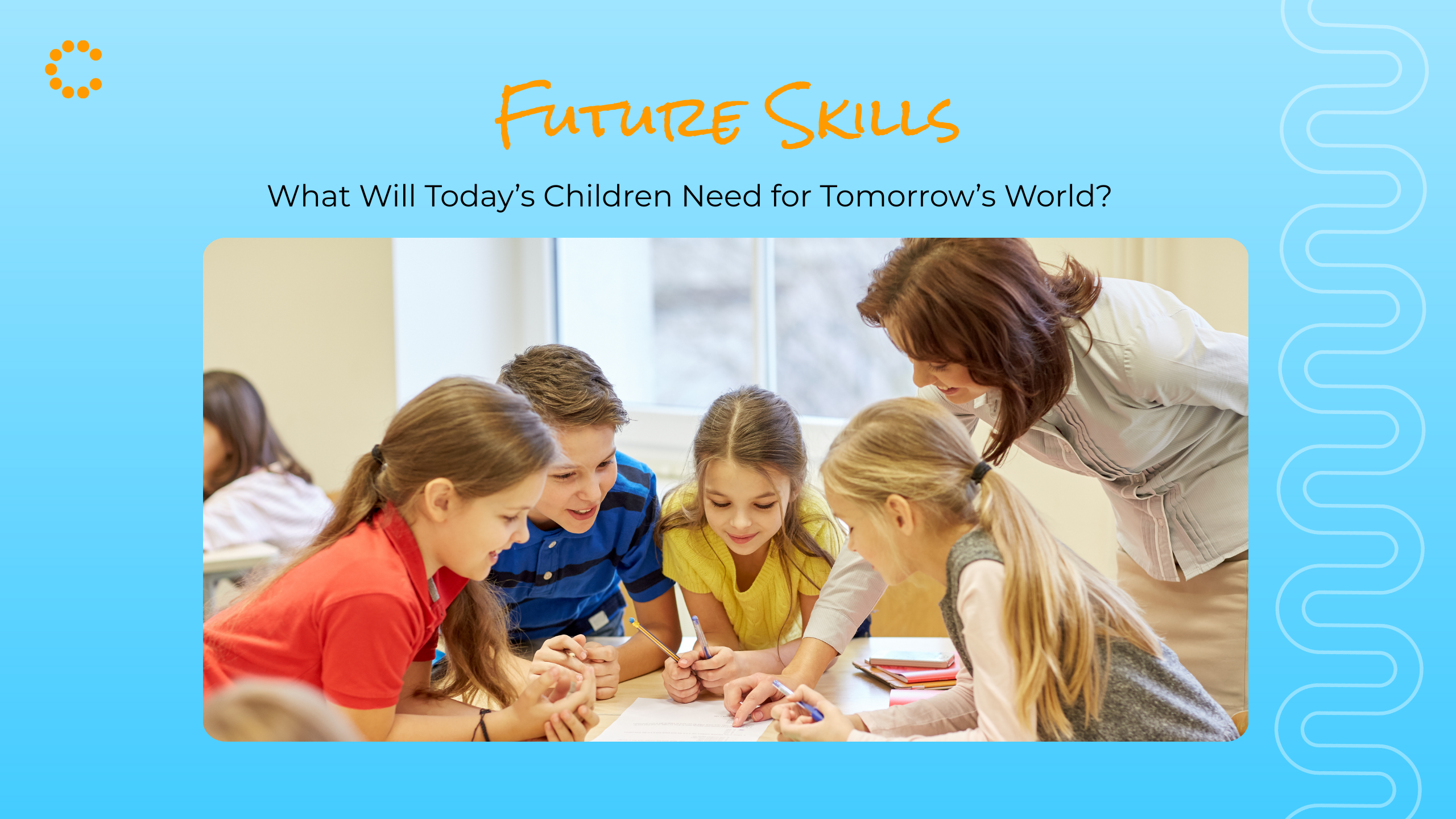
Future Skills For Children: What Will Today’s Kids Need for Tomorrow’s World?
The pace of change in today’s world is exponential. Emerging technologies, growing industries, and shifting societal values are transforming the skills our children will need to succeed. It’s no longer enough to excel in standardised exams or memorise textbook facts. The future demands more agility, empathy, critical thinking, and the ability to innovate in uncertain environments.
According to the World Economic Forum’s Future of Jobs 2023 report, core human-centric skills like problem-solving, resilience, and emotional intelligence are expected to be in the highest demand across industries by 2025 and beyond. The OECD and UNESCO echo these findings: preparing kids for the future means fostering social-emotional, analytical, and adaptability skills in kids from early on.
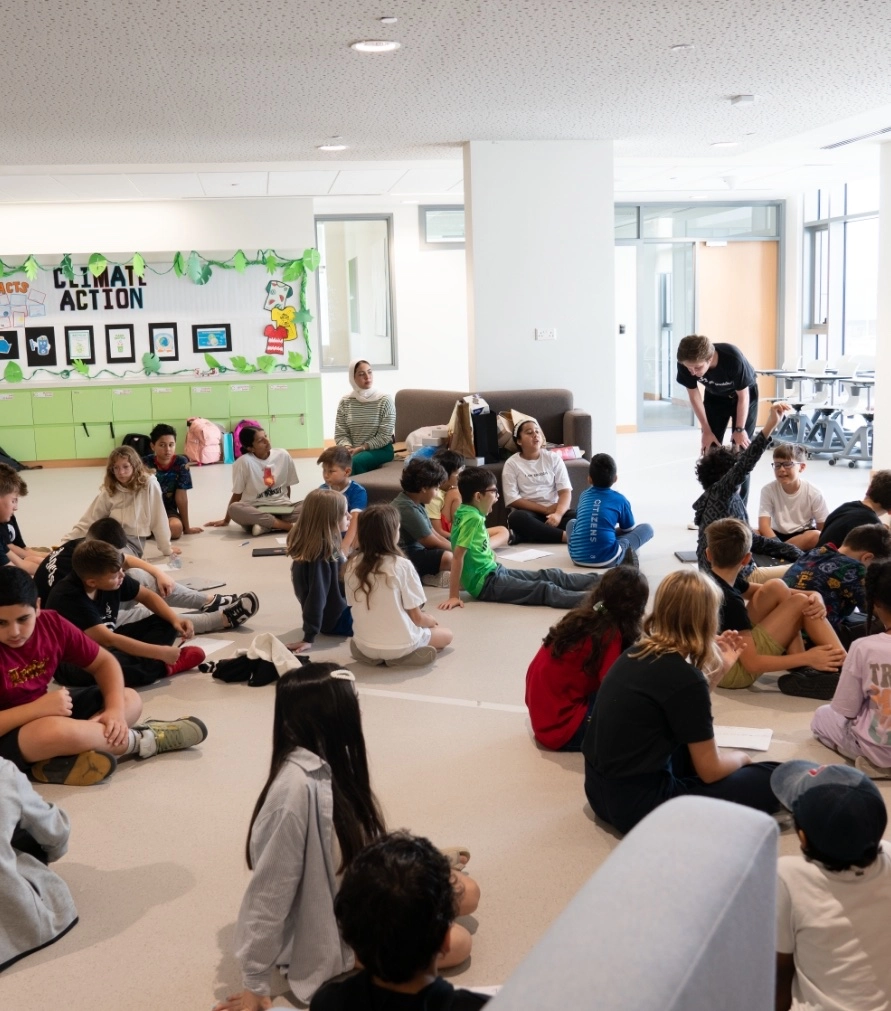
At Citizens School, education is structured not just for academic excellence but to build core 21st-century skills with the Dubai education framework. Learners are equipped to lead, innovate, and respond to uncertainty with confidence and curiosity.
Understanding Global Trends in Education
As parents, it’s natural to want clarity about what your child is preparing for. But the truth is that the future your child will enter is fluid. Career titles we haven’t heard of today will be commonplace by the time they graduate. What’s certain is this: the world will reward those who can adapt, not just those who can memorise. Preparing children for the future will entail nurturing flexible thinkers and independent learners.
Employers across industries are shifting focus. The ability to work well in teams, communicate clearly across time zones, and solve novel problems will matter far more than test scores. Even in highly technical fields, traits like resilience, curiosity, and initiative are becoming critical.
What’s more, success won’t come from following a fixed script. Your child may switch careers multiple times or blend creative, analytical, and social skills into one role. The world is already prioritising learners who can learn continuously, those who know how to ask questions, reflect, and seek out new knowledge independently. This shift reflects a broader movement in education toward developing active, self-driven individuals rather than passive recipients of information, a philosophy explored further in From Students to Learners at Citizens School.
Educational systems around the world are now acknowledging this shift. Global trends in education show that schools must focus on cultivating socially aware, self-driven, and resilient learners. It’s no longer just about “what” learners understand but “how” they apply and grow from it.
Core Future Skills For Children
Helping children succeed in tomorrow’s world isn’t about guessing which job will be in demand; rather, it’s about building a skill set that remains relevant no matter how things evolve. At Citizens School, these future-focused skills are embedded into daily learning experiences.
Adaptability Skills in Children
Children will face constant change in their lives and careers. The ability to adapt, bounce back, and stay engaged through uncertainty is essential. That’s why at Citizens, failure isn’t framed as defeat, but it’s seen as a powerful part of the learning process. When things don’t go as planned, learners are encouraged to reflect, rework, and try again. They learn to value feedback, embrace mistakes, and build the confidence to improve each time. This mindset helps them move forward with purpose, even when the path ahead is unclear.
Digital Literacy in Children
In the current age, tech isn’t optional; rather, it’s foundational. Future readiness is about understanding how digital tools work, questioning the algorithms behind them, and using them responsibly. At Citizens, learners explore coding, AI, and emerging technologies with intention. Not simply to consume them, but to shape the future with creativity, agency, and a critical mind.
Critical Thinking and Problem-Solving
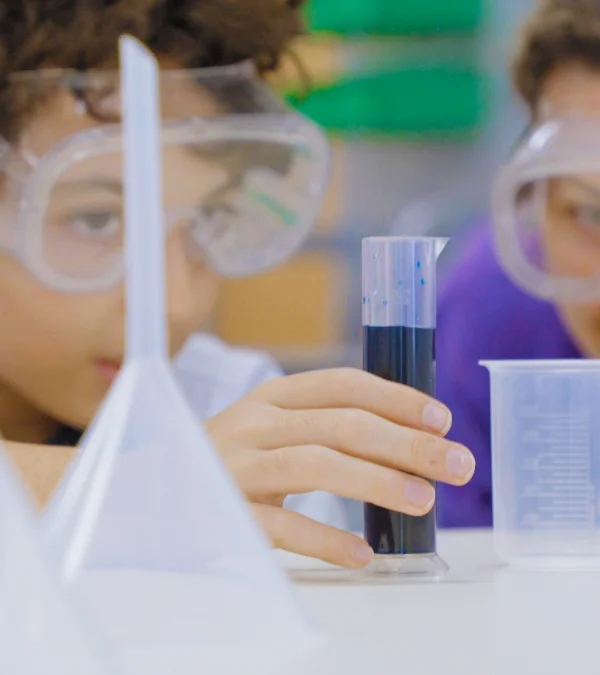
In a world where facts are one search away, the real value lies in how children analyse, question, and act on information. Inquiry-based and project-based learning at Citizens ensures that learners are not just passive receivers of knowledge but active problem-solvers who know how to dig deep, challenge assumptions, and build evidence-based solutions.
Creativity and Innovation
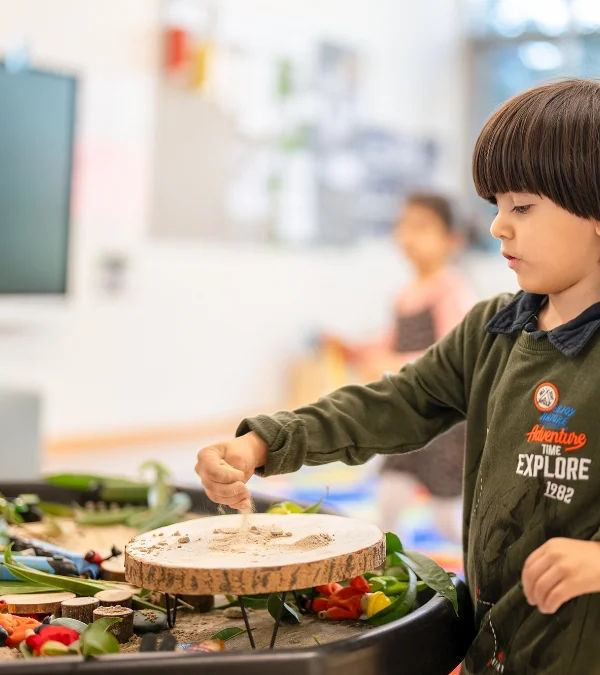
Creativity isn’t just limited to artists. It’s essential for entrepreneurship skills, future scientists, leaders, designers, and thinkers. At Citizens, learners are encouraged to be curious, take intellectual risks, prototype ideas, and explore multiple solutions to a problem. This builds the confidence to innovate in real contexts rather than hypothetically.
Entrepreneurship Skills
Being entrepreneurial means spotting opportunities, being proactive, and staying motivated through challenges. Design thinking, real-world challenges, and learner-led projects help children at Citizens build initiative, resourcefulness, and the confidence to take action even without all the answers, strengthening their entrepreneurship skills in meaningful and practical ways.
Collaboration and Communication
The ability to collaborate across cultures and communicate clearly is central to the future of work. Whether it’s a team presentation, a group project, or peer feedback, learners at Citizens consistently practice empathy, active listening, and respectful dialogue. These are the skills they’ll carry into every part of life.
21st-Century Skills with Dubai Education: The Citizens Approach
Preparing for the future is about equipping learners with the tools to shape it. This requires a thoughtfully designed future-ready curriculum that balances academic rigour with adaptability, creativity, and real-world application. At Citizens School, future readiness is a mindset woven into every part of the school experience. The school’s philosophy blends academic rigour with forward-thinking frameworks that give learners a strong foundation intellectually, emotionally, and socially.
The Citizens Future Framework
The curriculum at Citizens is anchored in a future-focused learning framework with five pillars:
- Entrepreneurship Skills: At Citizens, we focus on nurturing initiative, creativity, and ownership. Children learn to identify problems, take responsible risks, and follow through with solutions. This mindset fosters independence, confidence, and a proactive attitude, equipping learners to take meaningful action in a world that values innovation.
- Transdisciplinary Project-Based Learning: Learning at Citizens goes beyond isolated subjects. Through transdisciplinary project-based learning, students explore real-world challenges by drawing connections across science, math, language, and the arts. This approach deepens understanding, encourages critical thinking, and makes learning purposeful, helping children see how knowledge works together to solve relevant, everyday problems.
- Everyone Known & Known Well: Every child at Citizens is recognised as an individual with unique strengths and needs. Through small group learning, mentorship, and personalised support, strong relationships are built. This ensures each learner feels valued and understood, fostering emotional safety, confidence, and a genuine sense of belonging that supports well-being and academic growth.
- Inquiry-Based Delivery of Core Curriculum: Citizens goes beyond traditional subject silos. Children explore questions that matter, solve open-ended problems, and collaborate across disciplines. These are experiences rooted in real-life contexts. Whether building prototypes, designing campaigns, or addressing community issues, learners practice resilience, leadership, and teamwork in real-world settings. This is how true future skills for children are developed.
- Digital Literacy in Children: Tech Fluency at Citizens is about agency, not just access. Children learn how to code, experiment with AI tools, and use digital platforms to present ideas and solve problems. But more importantly, they’re taught to think critically about the role of technology in society. The ethics, privacy, and the impact of digital choices are part of the conversation from the start.
Together, these pillars create a learning environment where children absorb knowledge by applying it, reflecting on it, and growing through it.
Additionally, apart from the above skills, the future also needs kind, self-aware, and ethical individuals. That’s why Citizens integrates empathy, emotional intelligence, and ethics into everyday learning. Through reflective practices, relationship-building, and social-emotional learning, learners grow not only as individuals but also as responsible citizens of the world.
What Parents Can Do to Support Future Skill Development at Home
Future-ready learning doesn’t stop at the classroom door. What children see, hear, and do at home plays a vital role in shaping their mindset and skills. The good news? You don’t need to be a tech expert or an entrepreneur to help your child build future-facing habits. Everyday interactions can make a powerful impact.
1. Nurture Curiosity Through Conversation
Encourage your child to ask questions, and don’t worry if you don’t have all the answers. Instead, explore ideas together. Talk about how things work, why people make certain choices, or what could be done differently. Open-ended discussions help develop critical thinking and active listening.
2. Create Space for Independent Thinking
Let children take the lead sometimes, whether it’s planning a weekend activity or solving a small household problem. When they feel trusted to make decisions and deal with outcomes (even mistakes), they build confidence and problem-solving skills.
3. Embrace Hobbies that Build Real-World Skills
Support your child in exploring hobbies that encourage experimentation such as like coding, art, storytelling, gardening, or simple DIY projects. These activities strengthen focus, creativity, and resilience, while offering a break from screen time.
4. Talk About Change, Effort, and Growth
The world is changing, and it helps when children see change as an opportunity. Share your own experiences with setbacks and learning. Frame challenges as part of the journey—not something to fear or avoid. This helps build a growth mindset and emotional resilience.
5. Encourage Collaboration at Home
Whether it’s working together on a family task or involving siblings in a joint project, collaboration starts early. Give children opportunities to lead, listen, and compromise within the family structure. These early lessons in teamwork are the foundation for future success in group settings.
Conclusion
The future will never be neatly mapped out. Our children will work in industries yet to be imagined, solving problems we haven’t yet encountered. Preparing them means teaching more than facts. It means developing thinkers, doers, and changemakers.
At Citizens School, we focus on academic outcomes as well as on building future-ready learners. We help children who can navigate uncertainty, collaborate meaningfully, and take initiative with empathy and purpose. These are more than classroom goals; they’re life goals.
For parents, the future starts now. By nurturing curiosity, resilience, and independence at home, you become an essential part of your child’s learning journey. When schools and families work in tandem, children don’t just prepare for the future; they help shape it.
Footer
From Nursery to Year 10
Admissions
Open Now
Fill out the form below to find out more for the 2025-26 academic year.