



The world is changing at a pace never seen before. Artificial intelligence, automation, climate change, and the rise of entirely new industries are reshaping how we live and work. According to research, 65% of children entering primary school today will work in jobs that do not yet exist. Traditional education systems, built around rote learning and standardised testing, are no longer enough to prepare learners for this reality.
For parents in Dubai, a global hub of innovation and diversity, the need is even more urgent. The city’s economy is driven by technology, entrepreneurship and growing focus on environmental education, aligning with the UAE’s Centennial 2071 plan to become a leader in knowledge-based industries. A future-ready curriculum equips learners with the adaptability, creativity, and resilience needed to thrive in such a dynamic environment. Citizens School’s Future Framework responds directly to this demand, reimagining education for a world that prizes innovation as much as academic excellence.
What Does “Future-Ready” Mean in Education?
A future-ready education moves beyond the narrow pursuit of grades and test scores. It focuses on equipping children with the capacity to adapt, create, and lead in an unpredictable world. Rather than treating learning as a fixed sequence of facts, it builds a foundation of skills and mindsets that remain relevant even as industries and technologies change, including entrepreneurial thinking that empowers learners to identify opportunities, solve real-world problems, and take initiative with confidence.
Being future-ready means:
- Adaptability and Resilience: Learners develop the ability to adjust to new situations, absorb change, and recover quickly from setbacks. These are critical traits in a world shaped by automation and shifting economies.
- Creativity and Critical Thinking: Children are encouraged to question assumptions, generate fresh ideas, and solve complex problems that cannot be addressed through memorisation alone.
- Digital Fluency: Learners gain proficiency in using technology as a tool for innovation, communication, and responsible participation in the digital space.
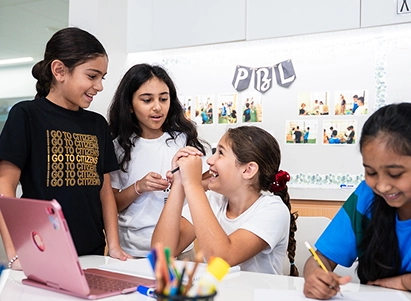
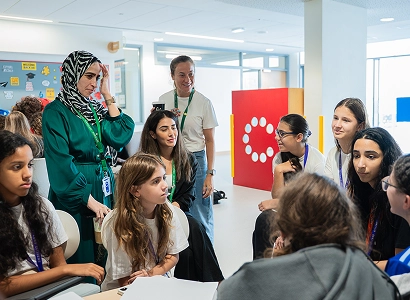
- Social-Emotional Skills: Collaboration, empathy, and self-awareness are prioritised so learners can thrive in multicultural environments like Dubai and beyond.
A future-ready education ensures they are not only employable but also capable of creating opportunities in emerging fields. Developing strong future skills for children, such as adaptability, digital fluency, collaboration, and entrepreneurial thinking, is essential to help them thrive in industries that are still evolving.
Gaps in Conventional Curricula
Traditional education models, while effective in building foundational knowledge, often struggle to keep pace with the demands of a rapidly changing world, prompting many parents to explore the difference between British and American schools when evaluating better learning approaches. Conventional curricula tend to prioritise test preparation and rigid academic benchmarks, leaving critical future-oriented skills underdeveloped.
Key limitations include:
- Overemphasis on Exams and Memorisation: Learning is frequently reduced to rote recall and standardised assessments, limiting opportunities for creativity, independent thought, and real-world application.
- Limited Focus on Innovation and Entrepreneurship: Few programmes actively encourage learners to experiment, take calculated risks, or develop entrepreneurial mindsets, skills essential in an economy shaped by AI, automation, and start-up culture.
- Insufficient Support for Wellbeing and Adaptability: Emotional intelligence, resilience, and mental health are often secondary to academic performance, even though these traits are crucial for success in uncertain environments.
- Narrow Global Perspective: Many curricula provide limited exposure to cross-cultural collaboration or global citizenship, leaving learners less prepared for Dubai’s international economy and interconnected world.
As a result, parents are increasingly seeking schools that go beyond the basics, places where learners can build the agility, creativity, and ethical grounding needed to thrive in the future.
The Citizens Future Framework: A Model for Future-Ready Learning
The Citizens Future Framework redefines what meaningful education looks like in a world of rapid change. Designed to go beyond traditional academics, it equips learners with the skills, mindset, and values needed to succeed in Dubai’s innovation-driven economy and an unpredictable global landscape.
A. The Four Core Pillars
- Agency: Learners are empowered to take ownership of their education by making decisions about projects, pathways, and outcomes. This autonomy builds confidence and nurtures lifelong learning habits.
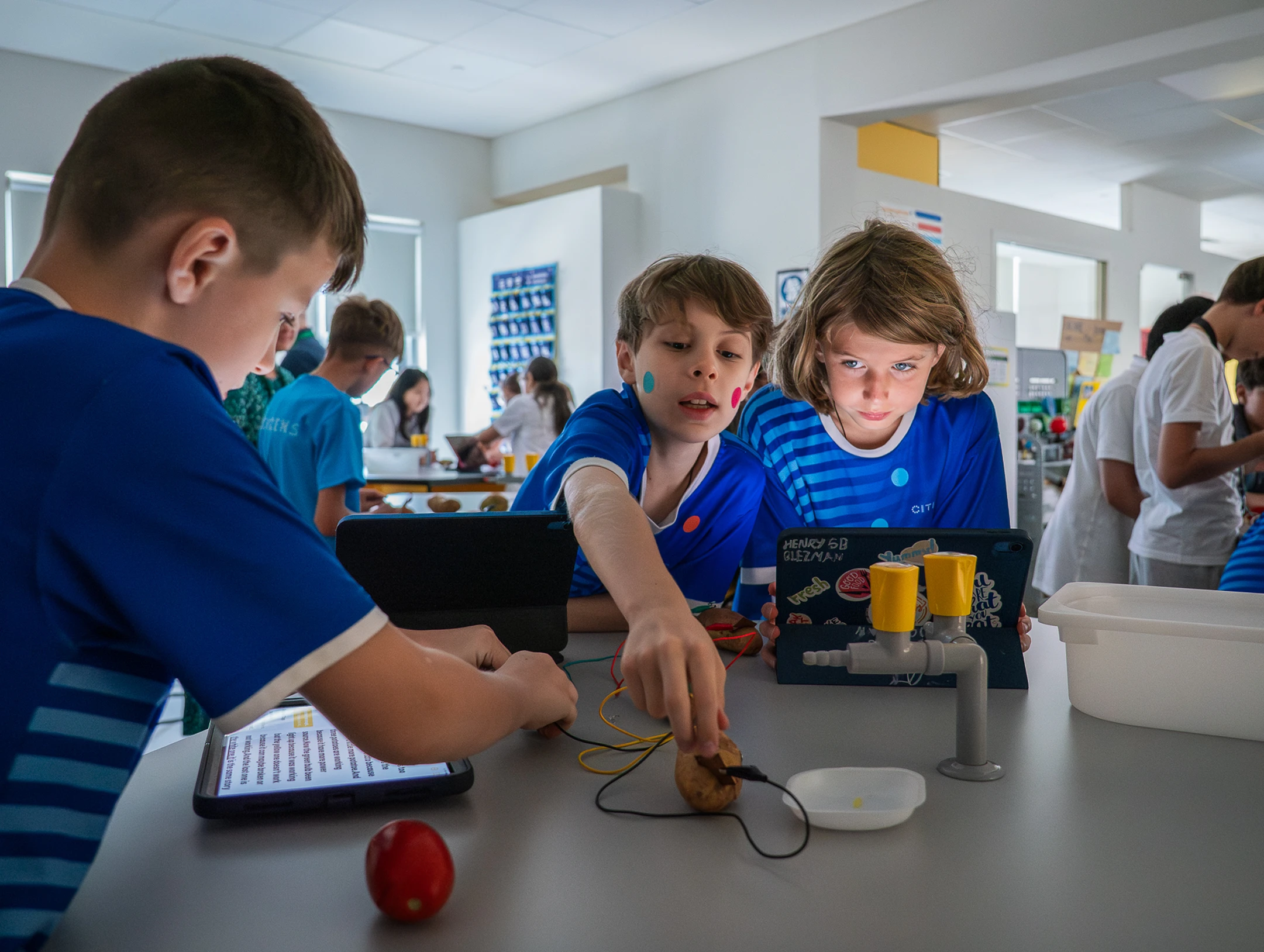
- Innovation: Creativity, experimentation, and problem-solving are embedded into every subject. Learners are encouraged to test ideas, learn from failures, and iterate solutions.
- Ethics: A strong moral foundation underpins every learning experience. Empathy, responsibility, and integrity guide decision-making, ensuring that learners grow as conscientious global citizens in a learning environment where values shape every learner, influencing classroom culture, peer relationships, and real-world engagement.
- Global Citizenship: In a city as multicultural as Dubai, learners develop the awareness and adaptability to collaborate across cultures, respect diversity, and address worldwide challenges like climate change and sustainability.
B. The Learning Experience
- Transdisciplinary, Project-Based Learning: Instead of teaching subjects in isolation, projects integrate multiple disciplines, reflecting how problems are solved in the real world.
- Personalised Pathways: Each learner’s strengths and passions are identified early, with tailored opportunities to explore areas of interest while meeting rigorous academic standards.
- Real-World Application: Entrepreneurship challenges, inquiry-based projects, and partnerships with industry provide authentic contexts for applying knowledge and building practical skills.
C. Outcomes for Learners
Graduates of the Citizens Future Framework emerge as adaptable, purpose-driven individuals who balance academic excellence with emotional intelligence. By developing strong entrepreneurship skills, including leadership, resilience, innovation, and financial literacy, learners gain the confidence to navigate complex challenges and create meaningful impact. This holistic approach ensures that learners are prepared not only for university and careers but also for meaningful participation in an ever-evolving global society.
How Parents Benefit from a Future-Ready Curriculum
For parents, a future-ready curriculum offers assurance that their child is developing skills that matter in a fast-changing world. It goes beyond strong academics to foster adaptability, creativity, and emotional intelligence.
- Relevant Skills for the Future: Parents can be confident that their children are learning to think critically, use technology responsibly, and solve complex problems, aligning with Dubai’s vision for an innovation-led economy.
- Supportive, Inclusive Culture: A learner-centric environment ensures that every child is Known & Known Well, creating a sense of belonging while addressing their unique strengths and needs.
- Clear Pathway to Success: With personalised learning and real-world projects, parents see tangible growth in both academic performance and essential life skills, preparing their children for opportunities that extend far beyond exam results.
This partnership between school and family ensures that parents are active participants in shaping their child’s learning journey.
Conclusion
The future will reward learners who can adapt, innovate, and lead in the face of rapid change. A future-ready curriculum ensures that education is not just preparation for exams but preparation for life. By combining academic excellence with creativity, resilience, and global awareness, Citizens School is helping Dubai’s children foster a strong culture of innovation to grow into the leaders and problem-solvers of tomorrow. For families seeking more than traditional schooling, this model offers a roadmap to success in a world defined by possibility and transformation.