




A school can look impressive online. But what happens when you walk through the gates?
That’s where things get interesting.
A Dubai school open day gives parents something a website or prospectus simply can’t show. You can watch learners interact, speak to teachers, experience the learning spaces, and get a feel for the school’s culture.
With so much happening during a visit, though, it’s easy to focus on the shiny new building, collect a few brochures, and leave without answering the questions that really matter.
Instead, use the visit to look beyond appearances. How do children learn? How do teachers interact with them? Do learners seem confident and engaged? Could you picture your child here on an ordinary Tuesday?
Here are eight ways to make your next Dubai school open day genuinely useful.
1. Know What You Want to Find Out Before You Arrive
An open day can be a lot to take in. A little preparation can stop the important details from getting lost in the noise.
Before visiting, make a short list of what matters most for your child. You might want to understand the school’s learning approach, wellbeing provision, extracurricular opportunities, admissions process, or how it supports different learning needs.
Separate your questions into two groups:
- Must know: questions that could affect your decision.
- Good to know: useful details that can be explored later.
It also helps to consider your child’s personality. A child who thrives on collaboration may need a different environment from one who prefers quiet, structured learning.
Try not to make a snap judgement in the first ten minutes, either. A beautiful campus is pleasant, but it doesn’t tell you how children experience the school every day.
2. What Should You Look for in a School’s Learning Spaces?
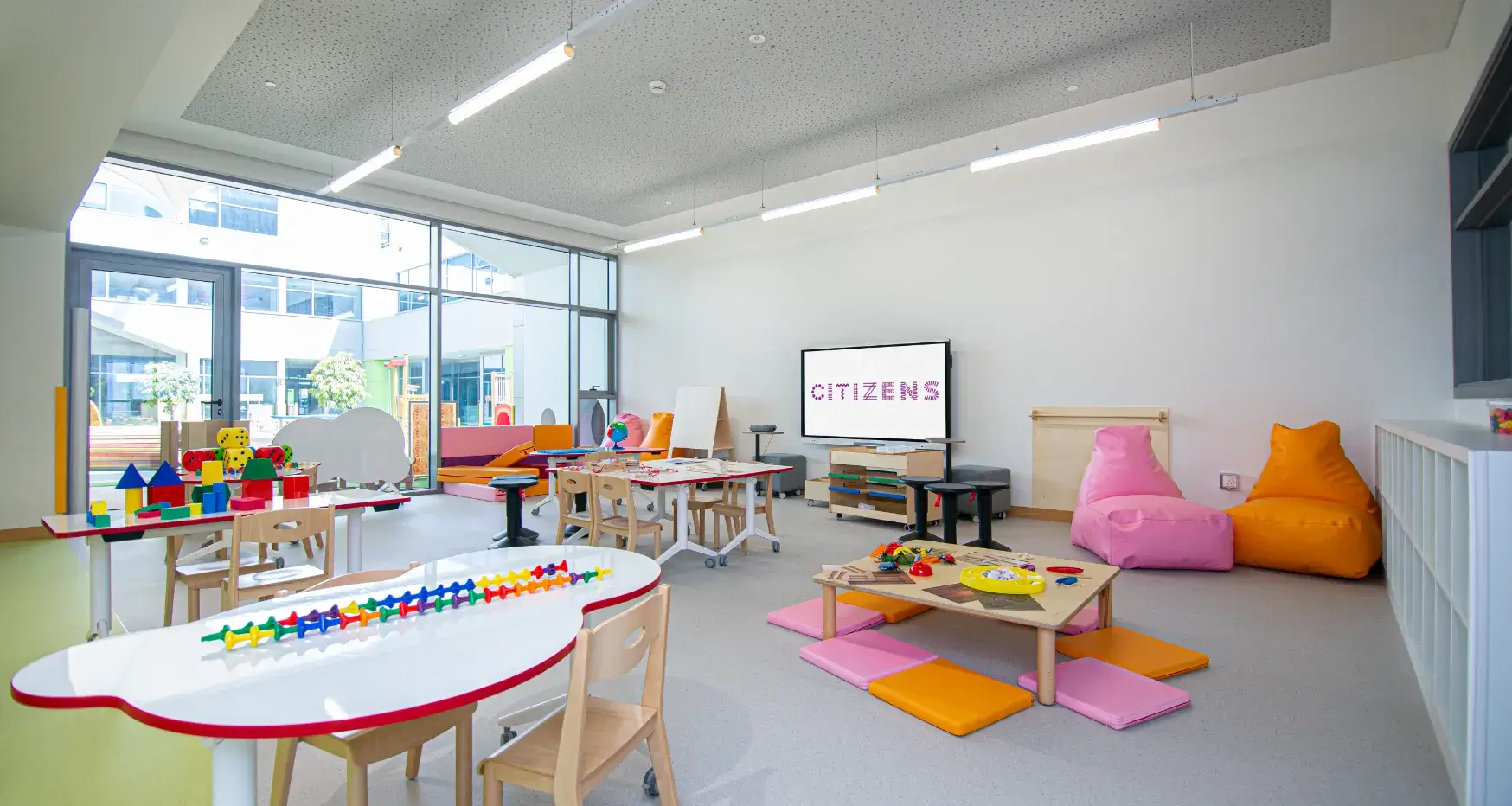
When touring the campus, look beyond how modern or impressive the facilities appear. Ask what children actually do in these spaces.
Notice the classrooms. Are learners sitting passively for most of the lesson, or are they moving between individual, collaborative, and practical activities? Do spaces encourage children to work independently, share ideas, create, investigate, and solve problems?
Specialist areas can also reveal a school’s priorities. Consider how technology, science, arts, sports, and creative spaces connect with the wider learning experience.
At Citizens School, learning environments are designed to support inquiry, collaboration, creativity, and project-based learning. The aim is to give learners space to explore ideas and apply what they know in meaningful ways.
So don’t simply ask, “Does the campus look impressive?”
Ask the more useful question: “What will my child be able to do here that helps them learn?”
3. Watch the Learners: They May Tell You More Than the Presentation
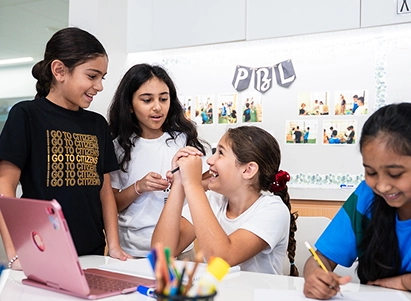
Learners can reveal a surprising amount about a school simply through their behaviour. As you walk around, notice whether they seem comfortable speaking to adults, working with peers, asking questions, or showing visitors around.
If learners are involved in open-day activities, listen to how they talk about their school. Do they describe projects they enjoyed? Can they explain what they’re learning? Do they speak with confidence, or does everything sound rehearsed?
One child having a quiet day doesn’t tell you much. Look for the wider picture.
Pay attention to whether learners appear engaged, respected, confident, and at ease. Notice how teachers respond to them, too. Small interactions often reveal more about school culture than a carefully prepared presentation.
4. See the Learning Approach in Action
If classroom observations or learning activities are available, use them. Watch what teachers do and, just as importantly, what learners are asked to do.
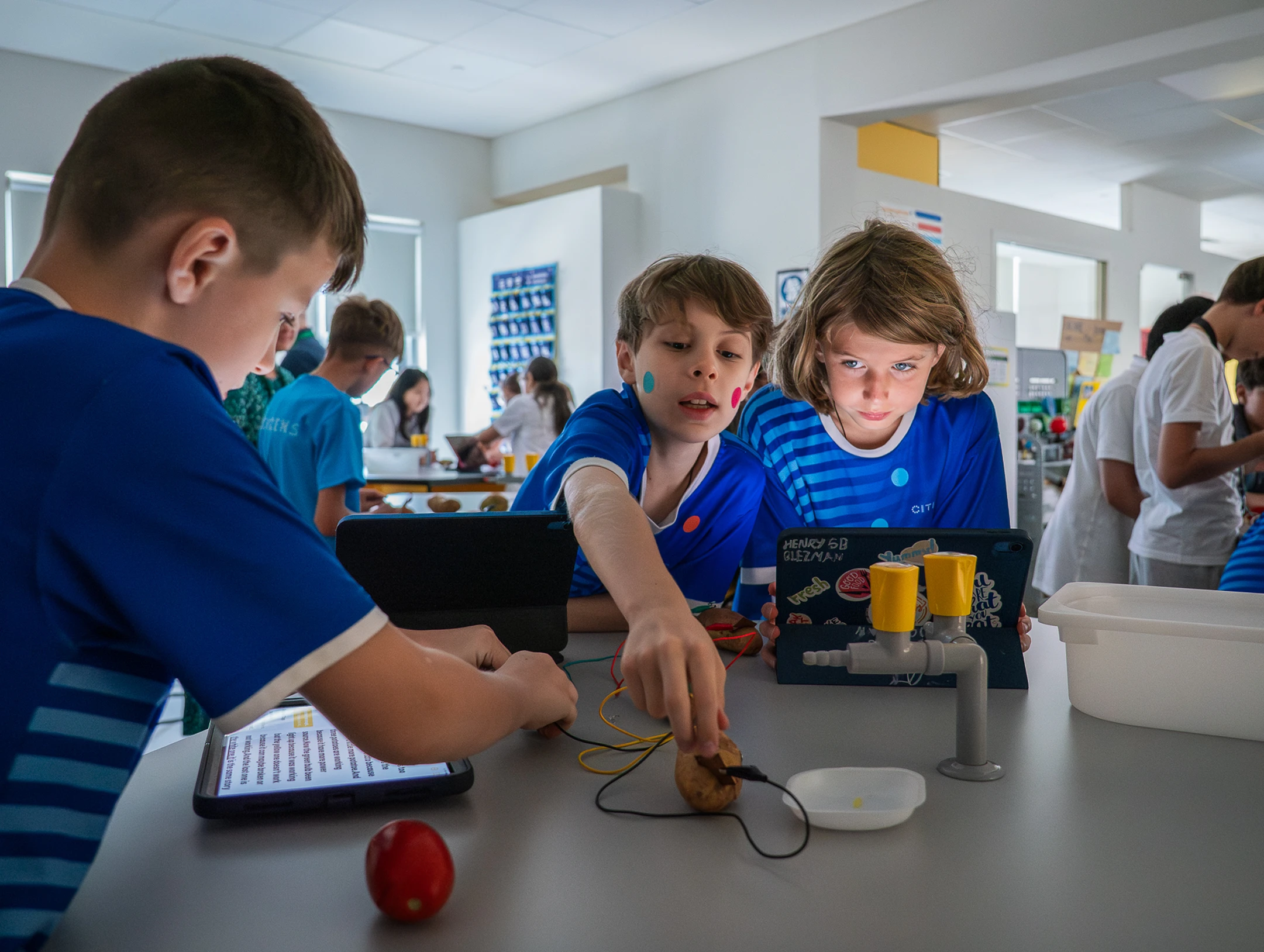
Are children encouraged to question, investigate, create, and explain their thinking? Is there a healthy balance between independent work and collaboration? Do learners have opportunities to make decisions rather than simply follow instructions?
Look for connections beyond the textbook, too. A lesson might involve researching a real problem, designing a solution, presenting an idea, or applying knowledge from several subjects.
At Citizens School, inquiry-led learning and project-based learning encourage learners to explore ideas, make connections, and apply knowledge to meaningful challenges. The Citizens Future Framework extends this approach through areas such as entrepreneurship, design thinking, financial literacy, and AI & digital literacy.
That makes an open day a useful reality check.
5. Talk to the Teachers and Mentors Who Know Learners Best
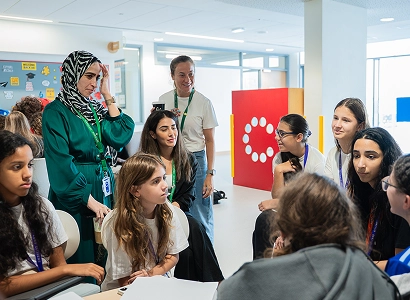
Use the open day to have real conversations with teachers and mentors, rather than simply collecting facts about subjects, timetables, or facilities.
Ask how they get to know individual learners. What happens when a child finds something difficult? How are learners challenged when they’re ready for more? And how do mentors support children beyond academic progress?
It can also be useful to ask about opportunities for learners to explore their interests through projects, leadership, creativity, entrepreneurship, sports, or the arts.
Pay attention to how educators talk about their learners. Do they describe children as individuals, with different strengths and needs? Or does the conversation stay focused mainly on grades and outcomes?
At Citizens School, personalised mentoring is central to the learner experience, with relationships designed to help children feel known, supported, and encouraged to grow.
A good conversation may only take a few minutes, but it can reveal a lot.
6. Feel the School Culture: Could Your Child Belong Here?
School culture isn’t something you can fully capture in a prospectus. You experience it in the small details: how teachers speak to learners, how children interact with one another, and whether people seem comfortable asking for help.
Look for signs of genuine inclusion. Are different personalities, backgrounds, interests, and abilities respected? Do learners have a voice in their school experience? Is there a sense that children are known rather than treated as numbers?
Think about your own experience, too. Are staff approachable? Do parents seem welcomed into the community? Does the school’s behaviour and language reflect the values it talks about?
At Citizens School, belonging, wellbeing, learner voice, and strong relationships are woven into the wider school experience. The goal is to create a community where learners can feel secure enough to take risks, ask questions, and grow in confidence.
7. Picture an Ordinary Tuesday, Not Just the Open Day
Try to imagine what your child’s routine would actually look like.
How do learners move between lessons? What happens during breaks? Where do they spend social time? How much choice do they have during the day? What happens if they need emotional or pastoral support?
Ask about experiences beyond formal lessons, too. Sports, creative activities, clubs, projects, community experiences, and opportunities for learner leadership can all shape how children experience school.
At Citizens School, the emphasis on learner ownership and real-world learning extends beyond individual lessons. Venture Building and other future-focused experiences give learners opportunities to apply knowledge, make decisions, collaborate, and take responsibility.
The best test is to strip away the open-day excitement and picture a normal Tuesday.
8. Take Notes After the Visit While Everything Is Fresh
Take five minutes after each open day to write down your impressions. Don’t rely on memory alone.
Record:
- What stood out?
- What felt genuinely different?
- What questions remain unanswered?
- What did you learn about teaching and wellbeing?
- How closely did the school match your child’s needs?
- Which impressions were facts, and which were simply personal reactions?
It can also help to score each school against a few priorities that matter to your family, such as learning approach, culture, wellbeing, location, extracurricular opportunities, and long-term fit.
Don’t turn the process into a spreadsheet marathon, though. The numbers are there to organise your thinking, not decide for you.
What to Look for at a Citizens School Open Day
The best way to understand Citizens School is to experience how its ideas translate into everyday learning.
During a visit, families can look beyond the campus itself and explore how the school’s educational approach works in practice.
Pay particular attention to:
- Learning spaces: How the environment supports collaboration, creativity, independence, and different modes of learning.
- Project-Based Learning: How learners investigate ideas and apply knowledge to meaningful challenges.
- Inquiry-led learning: Whether children are encouraged to question, explore, and think beyond a single correct answer.
- Entrepreneurship and innovation: How the Citizens Future Framework brings areas such as venture building, design thinking, financial literacy, and AI & digital literacy into learning.
- Mentor relationships: How educators know and support learners as individuals.
- Community and culture: Whether the school’s values can be seen in the way learners and adults interact.
Rather than trying to see everything, use the visit to answer one bigger question: What does learning at Citizens actually feel like for a child? That’s something a website can introduce you to, but an open day can bring to life.
Conclusion: Look Past the Tour and Picture Your Child There
Don’t leave an open day with just a stack of brochures and a nice impression.
Take a moment to think about what you actually saw. Did learners seem engaged? Did teachers know their students well? Did the school culture feel welcoming? Most importantly, could you picture your child belonging there?
The best school visit isn’t necessarily the one where you see the most impressive facilities. It’s the one that gives you a clearer sense of where your child could learn, grow, make friends, take on challenges, and feel at home.