



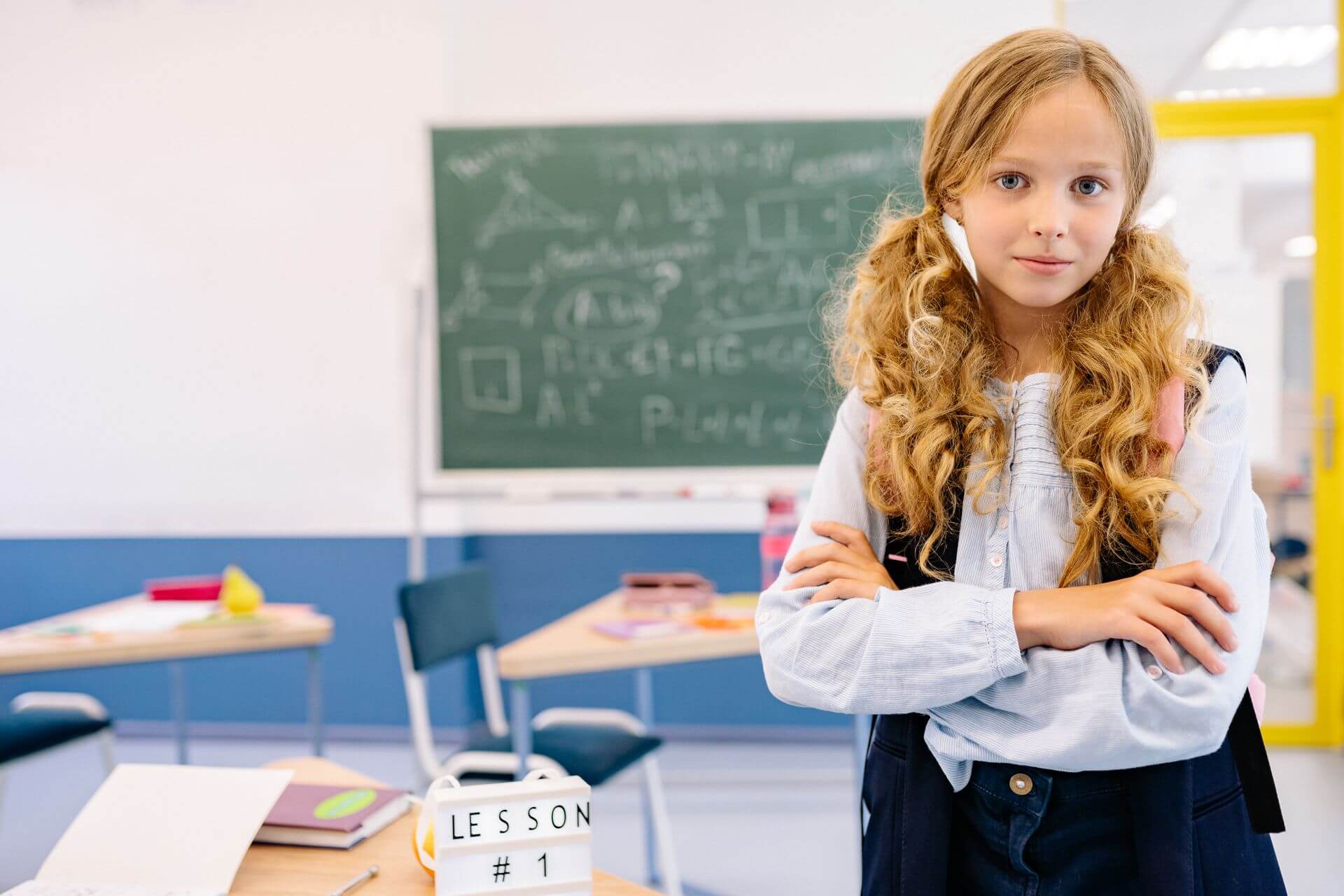
A child has an idea. They share it with their team, start working on it and discover that their first attempt doesn’t quite work. What do you think happens next? Do they lose confidence or look for another approach? Can they consider a different perspective? Are they willing to revise their idea and try again?
These moments are where understanding, confidence, creativity and resilience begin to develop. Children need opportunities to make decisions, experiment, encounter uncertainty and learn from their experiences.
Venture building creates space for this kind of growth. As children work on ideas that matter to them, they begin to understand their capabilities, challenge their assumptions and become more comfortable with the unfamiliar.
At Citizens School, these qualities connect with a broader approach to learning that values curiosity, agency, reflection and meaningful problem-solving. Their development takes time, shaped by the experiences children encounter and how they respond to them.
1. Confidence Starts When Children See Their Ideas Taken Seriously
Confidence grows when children realise their contributions can make a difference.
When children own an idea, they must decide what they want to pursue and take the first steps to develop it. That can feel unfamiliar, particularly when they don’t know whether their idea will work.
However, having their thoughts heard by peers and mentors makes a difference. Once their idea is heard and validated, children begin to recognise that their perspectives are worth exploring, regardless of the outcome.
The experience becomes more meaningful when they see their thinking reflected in something tangible. A concept they once struggled to explain might become a prototype that others can engage with.
This builds confidence through experience. Children have evidence of what they can do, rather than relying on reassurance alone.
2. Creativity Flourishes When Children Can Explore Different Possibilities
Open-ended challenges encourage children to take risks, question assumptions, combine ideas and consider approaches they might otherwise overlook. They begin to see that a problem can be understood from different perspectives, each revealing new possibilities.
Design thinking supports this exploration by encouraging learners to consider people’s needs, question initial assumptions and develop alternative solutions.
Imagine a student designing a more engaging way to communicate information to a school community. They might consider a digital resource, an interactive display or a student-led campaign. Each possibility presents different opportunities and limitations.
The creative challenge lies in exploring these options and deciding which approach best serves the intended audience.
Through experiences like these, creativity becomes a habit of mind. Children learn to remain curious, tolerate ambiguity and look beyond their first response.
3. Resilience Develops Through Experimentation, Feedback and Change
An early archetype may not work as expected. A potential user might find an idea confusing, or a practical limitation may make the original approach difficult to implement.
These experiences can be frustrating, especially when children feel personally invested in their work. However, with appropriate guidance, they can pinpoint the underlying issues and decide what to change.
Small experiments make this process manageable and reduce the risk of losing confidence. Rather than abandoning an idea, children can test one adjustment at a time and observe the results.
Resilience develops through this repeated practice of responding to difficulty. It also involves knowing when persistence is useful and when a different direction is needed.
Educators play an important role here. By helping children reflect on setbacks without taking over the problem, they create opportunities for learners to develop flexibility and sound judgement.
Gradually, children become more comfortable with uncertainty. An unexpected result becomes endless possibility rather than a reason to stop.
4. Constructive Feedback Helps Children Build Lasting Self-Belief
When children share their work, they encounter perspectives they may not have considered. Some feedback will confirm their thinking; other comments may challenge it. Such feedback can either bring confidence or ambiguity.
Children need to distinguish between feedback about an idea and judgement about themselves. They can learn to ask follow-up questions, explain the reasoning behind a decision and recognise when another person’s suggestion would strengthen their work.
They also need to understand that they don’t have to accept every recommendation. Good judgement involves considering feedback, weighing it against the evidence, and deciding what to do next.
These experiences help build self-belief grounded in competence. Children become more confident because they have practised navigating questions, criticism and uncertainty.
That confidence is especially valuable in collaborative settings, where listening and expressing disagreement respectfully are both essential.
5. Constraints Can Make Children More Resourceful
A limited budget, a tight deadline, a design default, or a specific user requirement can change how children approach a challenge. They may need to simplify a design or find a more accessible way to communicate their idea.
These constraints encourage resourcefulness. Children learn to distinguish between what is essential and what would simply be nice to have.
Working in teams adds another dimension. Different people bring different priorities and suggestions, so learners must allocate resources and reach decisions together.
For example, students developing a prototype may discover that their preferred materials are too expensive or difficult to source. Then they must explore alternatives while preserving the features that make their idea useful.
The process strengthens creative judgement. Children begin to understand that effective solutions depend on how well an idea responds to real conditions, not simply how ambitious it sounds.
6. Confidence, Creativity and Resilience Strengthen One Another
These three qualities are closely connected. Each can help the others develop.
Confidence gives children the willingness to contribute. When they believe their ideas deserve consideration, they are more likely to share suggestions and explore unfamiliar possibilities.
Creativity expands their options. When the first approach fails, they can draw on different perspectives and imagine alternatives.
Resilience helps them stay engaged. They can consider feedback and continue refining their thinking.
As children experience this cycle, their confidence can deepen. The cycle also works in reverse. A child who feels uncertain may need a supportive environment before they are willing to experiment. A child who is comfortable exploring possibilities may find it easier to respond when an idea needs changing.
This is why the learning environment matters. Children need both the freedom to make decisions and the support to reflect on their experiences.
7. What Do Confidence, Creativity and Resilience Look Like in Practice?
Think about a student who notices that a school activity is difficult for some classmates to participate in.
The student begins by asking questions and listening to different experiences. They suggest an idea and explain why they think it might help. That first contribution is an early expression of confidence.
As the student explores possible solutions, they consider alternatives and develop an initial version. When the idea proves impractical, they rethink parts of it. Creativity helps them find other options.
Then comes feedback. A classmate points out a problem the student hadn’t considered. The student may feel disappointed, but they have an opportunity to examine the criticism, ask questions and revise the design.
Over time, the student begins to approach challenges differently. They are more willing to share ideas, more open to alternative perspectives and better prepared to deal with unexpected results.
These changes may appear in small moments: volunteering a suggestion, asking for feedback or calmly reconsidering a decision. Together, they show how learning experiences can influence a child’s approach to challenges.
How Citizens School Nurtures Confidence, Creativity and Resilience
At Citizens School, these qualities are connected to the school’s wider learning philosophy and its emphasis on developing capable, curious and self-aware learners.
Through inquiry, design thinking, collaboration and transdisciplinary learning, students have opportunities to explore ideas, consider different perspectives and engage with meaningful challenges.
- Confidence develops through opportunities to contribute ideas, take ownership and share work with others, including mentors and authentic audiences.
- Creativity is encouraged through open-ended exploration, experimentation and the application of knowledge across different disciplines.
- Resilience develops as learners respond to feedback, reflect on outcomes and make thoughtful changes to their work.
Children are encouraged to consider their decisions, understand others’ perspectives and reflect on how they approach challenges.
The Citizens Future Framework supports this broader approach to learning. The emphasis remains on meaningful participation and growth, giving students opportunities to practise these qualities in context rather than treating them as abstract concepts.
Conclusion: Helping Children Grow Through the Challenges They Face
Confidence, creativity and resilience develop through experience. Children need opportunities to share ideas, explore possibilities, receive feedback and work through difficulties with appropriate support.
Venture building brings these experiences together in a way children can see and feel. They discover what happens when their ideas are challenged, their plans change, or a different perspective improves their work.
For parents and educators, the important question is whether children are given enough room to make decisions, learn from mistakes and reflect on their progress.
At Citizens School, these experiences form part of a wider commitment to helping learners develop curiosity, self-awareness and the ability to navigate challenges thoughtfully. Over time, such opportunities can shape how children approach learning, relationships and unfamiliar situations well beyond the classroom.