For decades, academic success has been measured through marks, rankings, and report cards. While results still matter, many parents are beginning to ask a deeper question: How is my child actually learning?
Schooling models do more than deliver content. They shape confidence, motivation, problem-solving habits, and a child’s relationship with learning itself. In Dubai and globally, this has led to a growing parent debate: should schools prioritise exam performance or focus on building real-world skills that prepare children for an unpredictable future?
This blog isn’t about labelling one approach as “good” and the other as “bad”. Both exam-focused and skill-based schools have strengths. Understanding the difference helps parents make informed decisions based on their child’s needs, temperament, and long-term goals.
Why Parents Should Look Beyond Exam Results When Choosing a School
Good grades matter. But grades alone rarely tell the full story of how a child is learning or how well a school is preparing them for life beyond the classroom. More families are realising that report cards show academic outcomes, not shared experiences.
Strong Grades Don’t Always Reflect Deep Understanding or Transferable Skills
A child can learn how to perform well in exams through repetition and coaching, yet struggle when asked to apply the same knowledge in unfamiliar situations. True understanding shows up when children can explain ideas in their own words, connect concepts across subjects, and solve problems independently. Research shows that application and reasoning matter far more in the long term than memorising information for short-term recall.
Schooling Shapes Well-being, Curiosity, and Self-belief
The learning environment influences how children feel about themselves as learners. Highly exam-driven settings can sometimes increase stress and fear of failure, especially during assessment-heavy years. In contrast, schools that value process alongside performance tend to nurture confidence, curiosity, and emotional resilience. These are some qualities children carry well beyond school.
Moreover, UNICEF has repeatedly flagged academic pressure as a growing factor affecting student well-being globally.
University and Workplace Expectations are Shifting
University and workplace expectations are shifting, increasingly looking beyond marks. Personal statements, portfolios, interviews, and extracurricular involvement now matter.
The World Economic Forum identifies critical thinking, collaboration, adaptability, and communication as essential future skills. Schools that help students practise these skills early give them a long‑term advantage while still preparing them for formal assessments.
Choosing the right school in Dubai means more than chasing top exam scores. It means asking how your child learns and thrives. Here are five clear differences between exam‑focused and skill‑based schools to help parents decide.
5 Key Differences Between Exams-Focused Schools and Skill-Based Schools
Most schools sit somewhere on a spectrum rather than at one extreme. Still, understanding the core differences between exam-focused and skill-based models helps parents recognise what daily learning actually looks like for their child.
1. Definition of Success
Exams-Focused Schools
Here, success is largely measured through high scores, rankings, and examination outcomes. Academic achievement is visible, comparable, and often prioritised in reporting and communication with parents.
Skill-Based Schools
In such schools, success is defined more broadly. It includes how well children apply what they know, how they think through problems, how they collaborate, and how much they grow as independent learners, not just how they perform on tests.
2. Teaching and Learning Approach
Exams-Focused Schools
Teaching is typically syllabus-driven, with a strong emphasis on coverage, repetition, and exam practice. The lesson plans often follow a fixed structure designed to prepare students for predictable assessment formats.
Skill-Based Schools
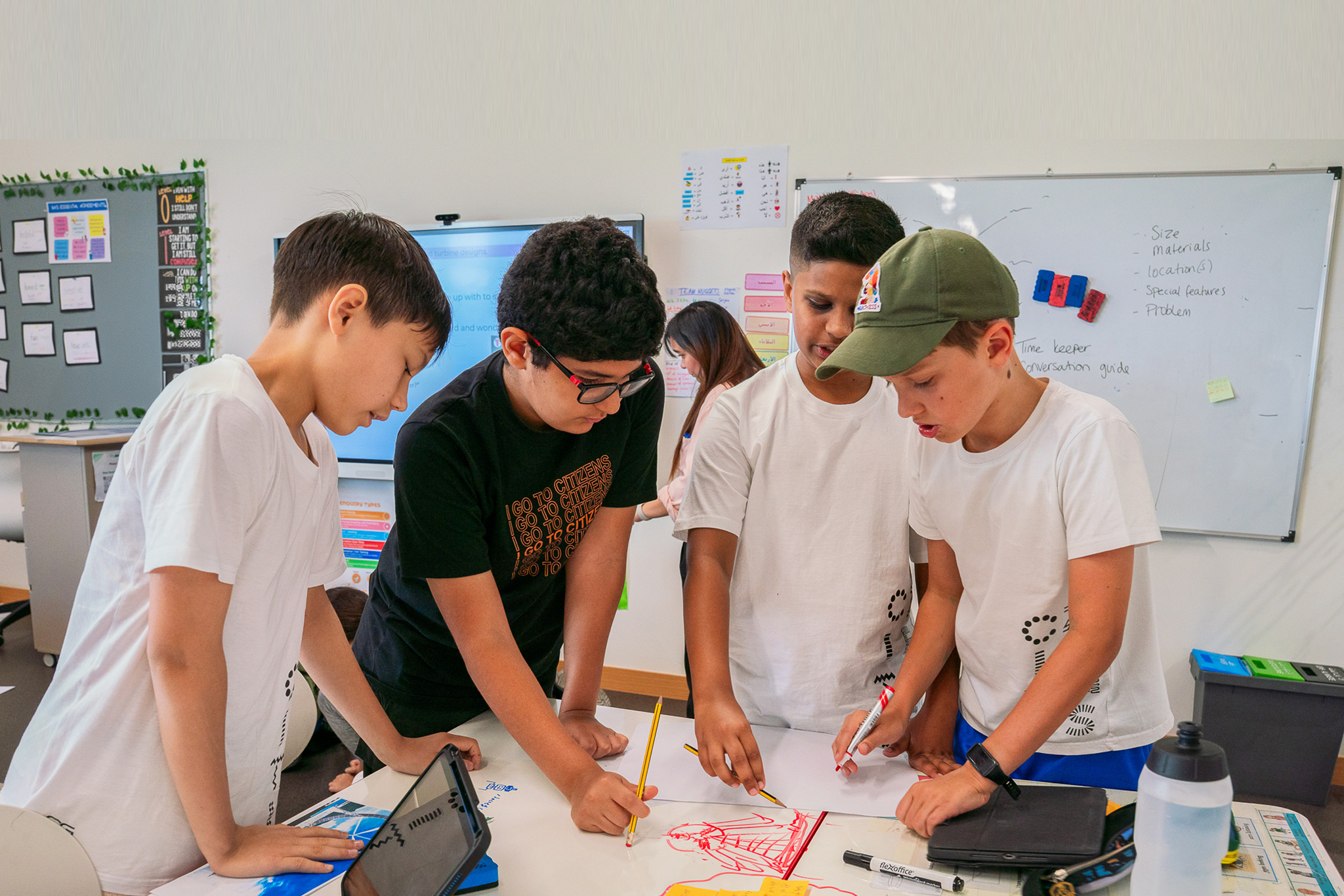
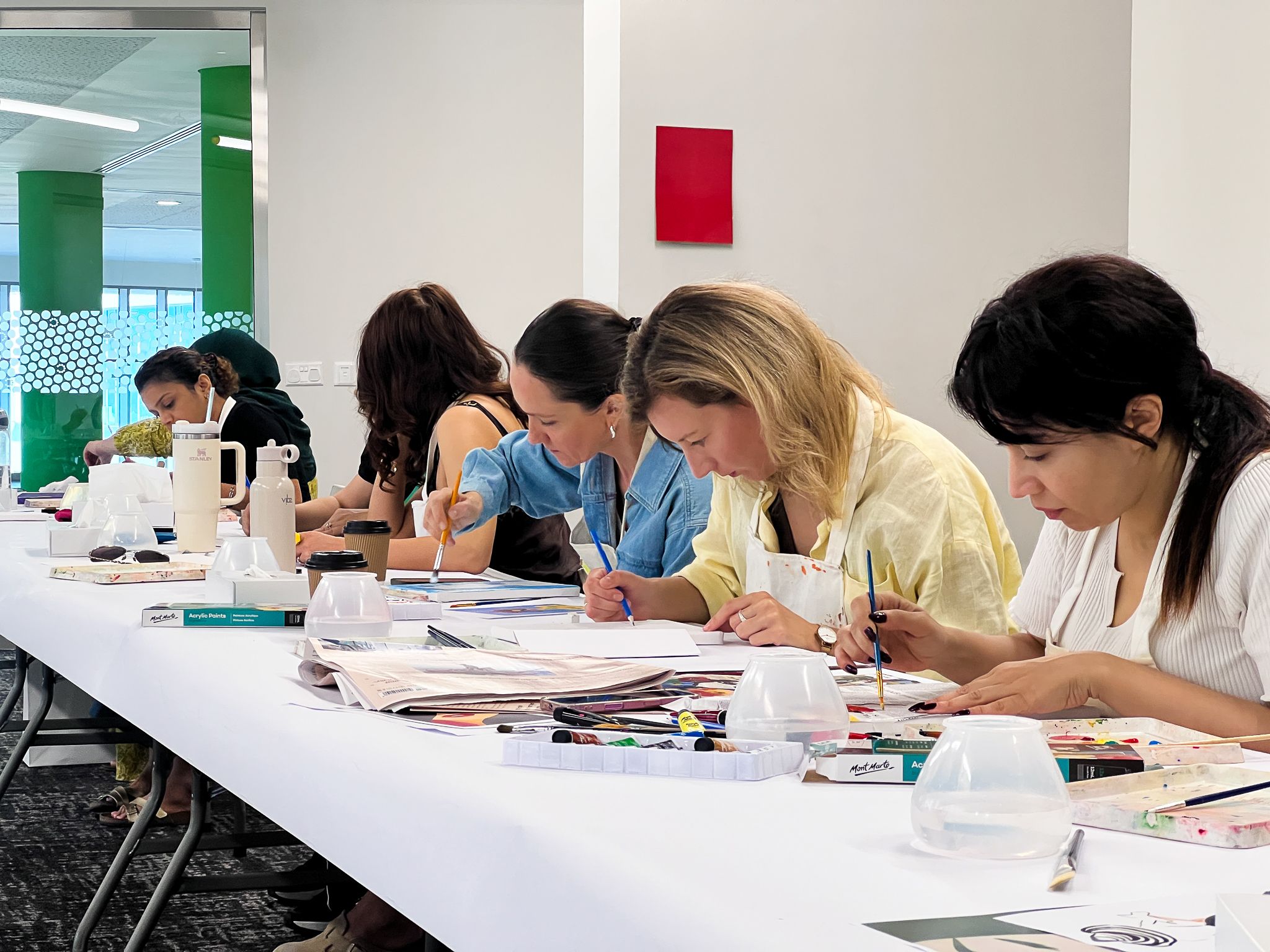
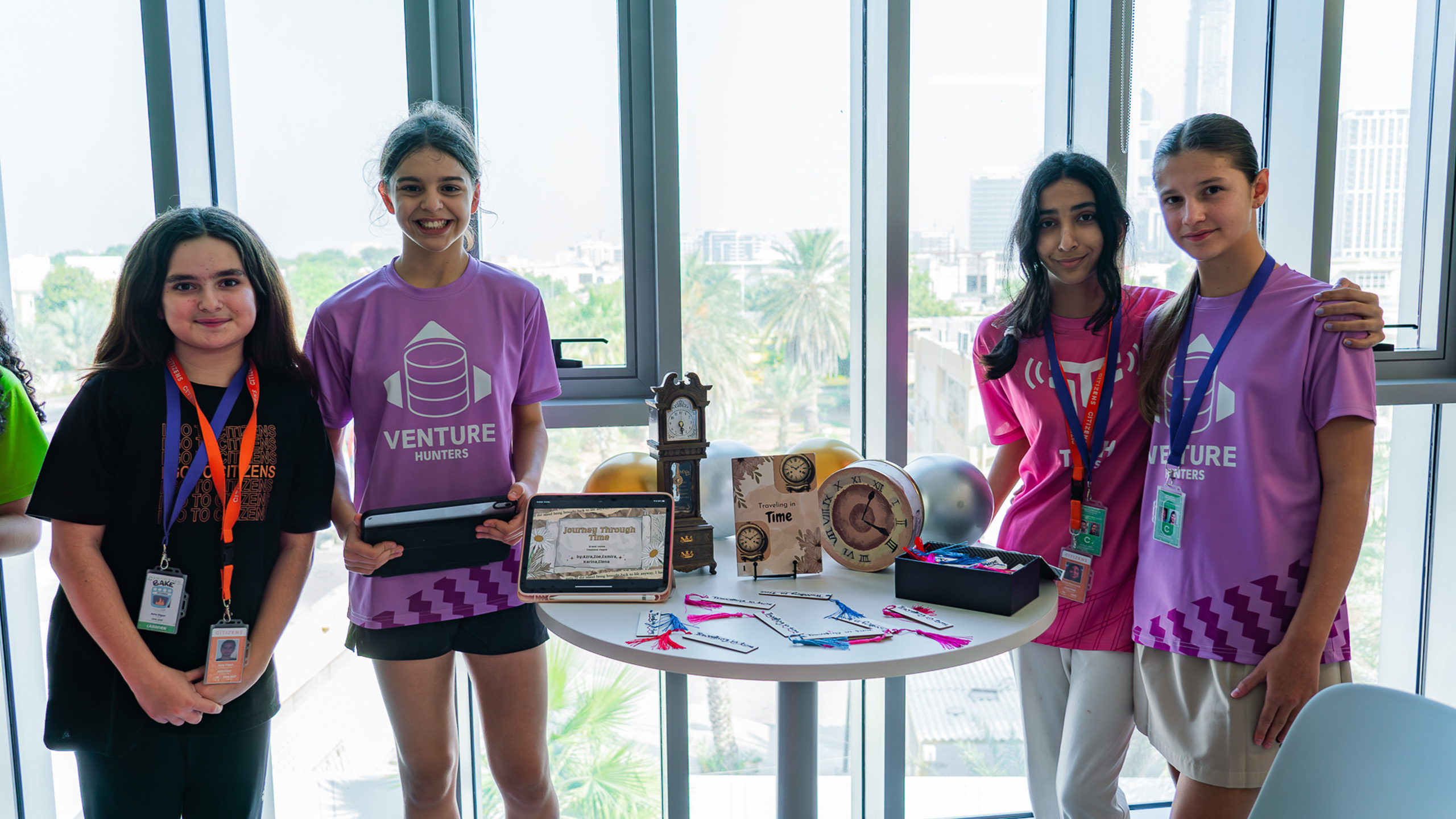
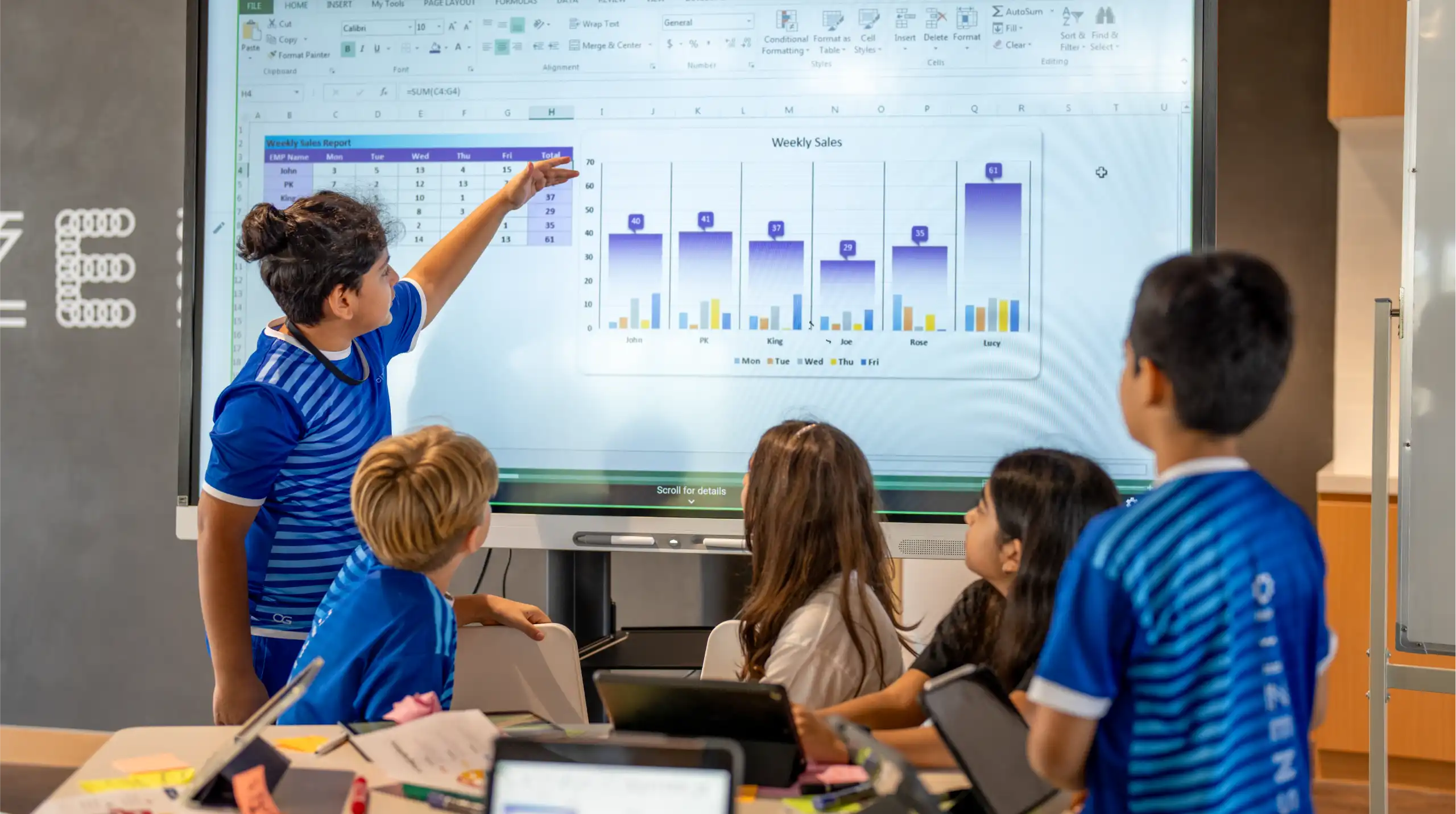
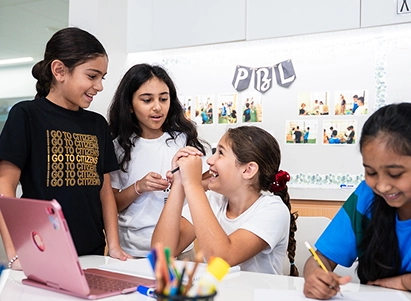
Learning is more inquiry-led. Children engage in projects, discussions, real-world challenges, and collaborative tasks that require them to investigate, analyse, and create. Content is still taught, but it is more inclusive of real-world application rather than rote delivery.
3. Assessment Style
Exams-Focused Schools
In such schools, assessment relies heavily on timed tests, memorisation, and standardised evaluation. Students’ performance is measured at set points, and success is often tied to accuracy and speed.
Skill-Based Schools
In this learning environment, assessment is more continuous and formative. Feedback, reflections, presentations, performance tasks, and projects play a central role, allowing children to demonstrate learning in multiple ways and improve over time.
4. Skills Children Develop
Exams-Focused Schools
Children here tend to build strong content recall, exam technique, time management, and academic discipline. These are a few skills that support structured testing environments.
Skill-Based Schools
Students here develop a wider skill set, including critical thinking, communication, creativity, adaptability, collaboration, and resilience. These skills are practised consistently, not taught as add-ons.
5. Student Experience and Wellbeing
Exams-Focused Schools
The student experience can become high-pressure during assessment periods, particularly in exam-heavy years. Motivation is often tied closely to performance outcomes.
Skill-Based Schools
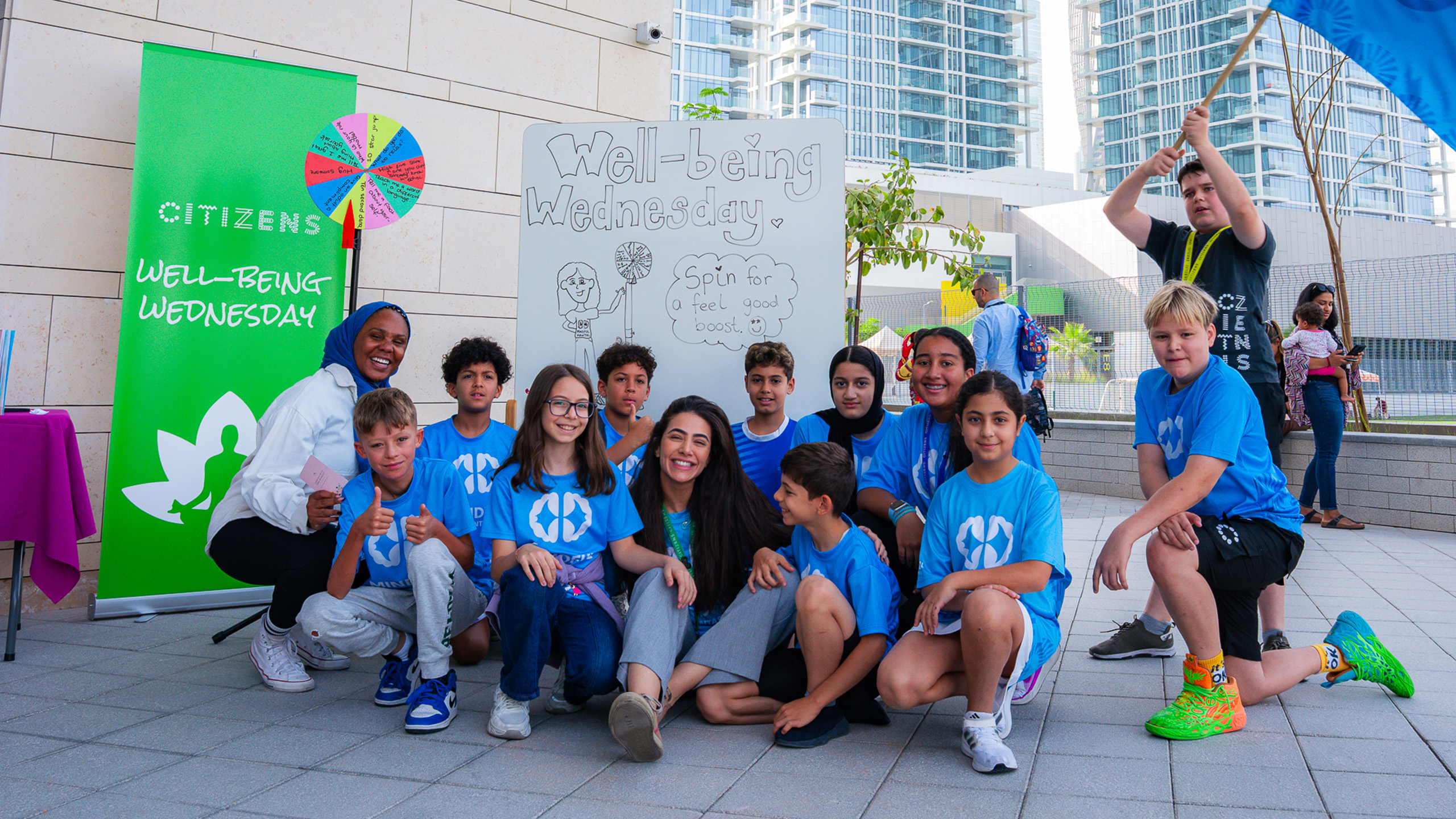
There is a more balanced focus on challenge and support. While expectations from students remain high, emotional well-being, self-regulation, and learner agency are intentionally built into the school experience.
How Parents in Dubai Can Choose Between Exam‑focused and Skill‑based Schools
Choosing between an exam-focused or skill-based school is rarely about picking the “better” option. It’s about understanding your child and how they learn, how they respond to pressure, and what kind of environment helps them thrive, not just perform.
Here are a few grounded ways parents can make that decision with confidence.
Understand your child’s learning style, strengths, and stress response
Some children feel secure with structure, clear expectations, and defined goals. Others flourish when given space to explore, ask questions, and learn through doing. Pay attention to how your child reacts to tests, deadlines, feedback, and uncertainty. These responses often say more than report cards.
Consider future goals, not just the next exam
While deciding, you must think beyond immediate academic milestones. Does your child aim for highly competitive university pathways? Do they enjoy problem-solving, leadership, or creative thinking? Different schooling approaches nurture different trajectories, and it helps to keep long-term aspirations in view.
Evaluate how schools balance academic rigour with skill development
The most effective schools don’t sacrifice learning outcomes for engagement or vice versa. Ask how the school maintains academic depth while also building thinking skills, communication, and resilience. Balance matters more than labels.
Ask thoughtful questions during school visits and open days
Go beyond curriculum brochures. Ask how learning is assessed day to day, how feedback is given, how teachers support students during challenging periods, and how well-being is addressed alongside academic expectations. Classrooms reveal more than prospectuses ever will.
Ultimately, the right schooling approach builds both competence and confidence, helping your child feel capable, curious, and prepared for what comes next.
Conclusion
Exams-focused and skill-based schools represent two ends of an educational spectrum. While one prioritises measurable outcomes, the other prioritises transferable capability. The most future-ready schools recognise the value of both.
Strong academics remain important. So do confidence, adaptability, and well-being. As education systems evolve, the goal is no longer just to help children pass exams but to help them traverse through complexity, uncertainty, and change.
The best choice is one that prepares children for life assessments.
Frequently Asked Questions
1. What support systems are in place for student wellbeing and stress management?
Strong schools treat exams as one milestone, not the end goal. Academic content is taught with rigour, but it’s often reinforced through discussion, projects, problem-solving tasks, and applied learning. This approach helps students understand why they are learning something, not just what will be tested, so exam readiness and skill development grow together rather than competing.
2. What support systems are in place for student wellbeing and stress management?
Most future-focused schools have layered support systems. These may include trained counsellors, pastoral teams, mentoring structures, and wellbeing check-ins built into the school week. Equally important is everyday culture, how teachers respond to pressure, how workloads are managed, and how openly students are encouraged to talk about stress.
3. How is feedback shared beyond grades and scores?
Grades provide a snapshot, but meaningful feedback explains progress. Many schools now use written reflections, one-to-one teacher conversations, learning portfolios, and goal-setting reviews. This kind of feedback helps students understand their strengths, identify gaps, and take ownership of their own improvement rather than seeing learning as a number on a report.
4. What opportunities exist for collaboration, leadership, and creativity?
Group projects, student councils, service learning, enterprise initiatives, and interdisciplinary challenges all signal whether leadership and creativity are actively nurtured or treated as optional extras.
5. How does the school prepare students for university and real-world challenges?
Preparation today goes beyond grades and transcripts. Schools may offer career guidance, university counselling, internships, research projects, public speaking opportunities, and real-world problem-solving. These experiences build independence, adaptability, and decision-making skills that students rely on long after school ends.