


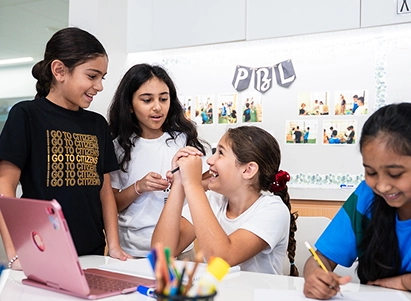
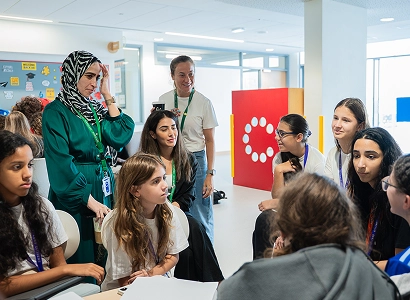
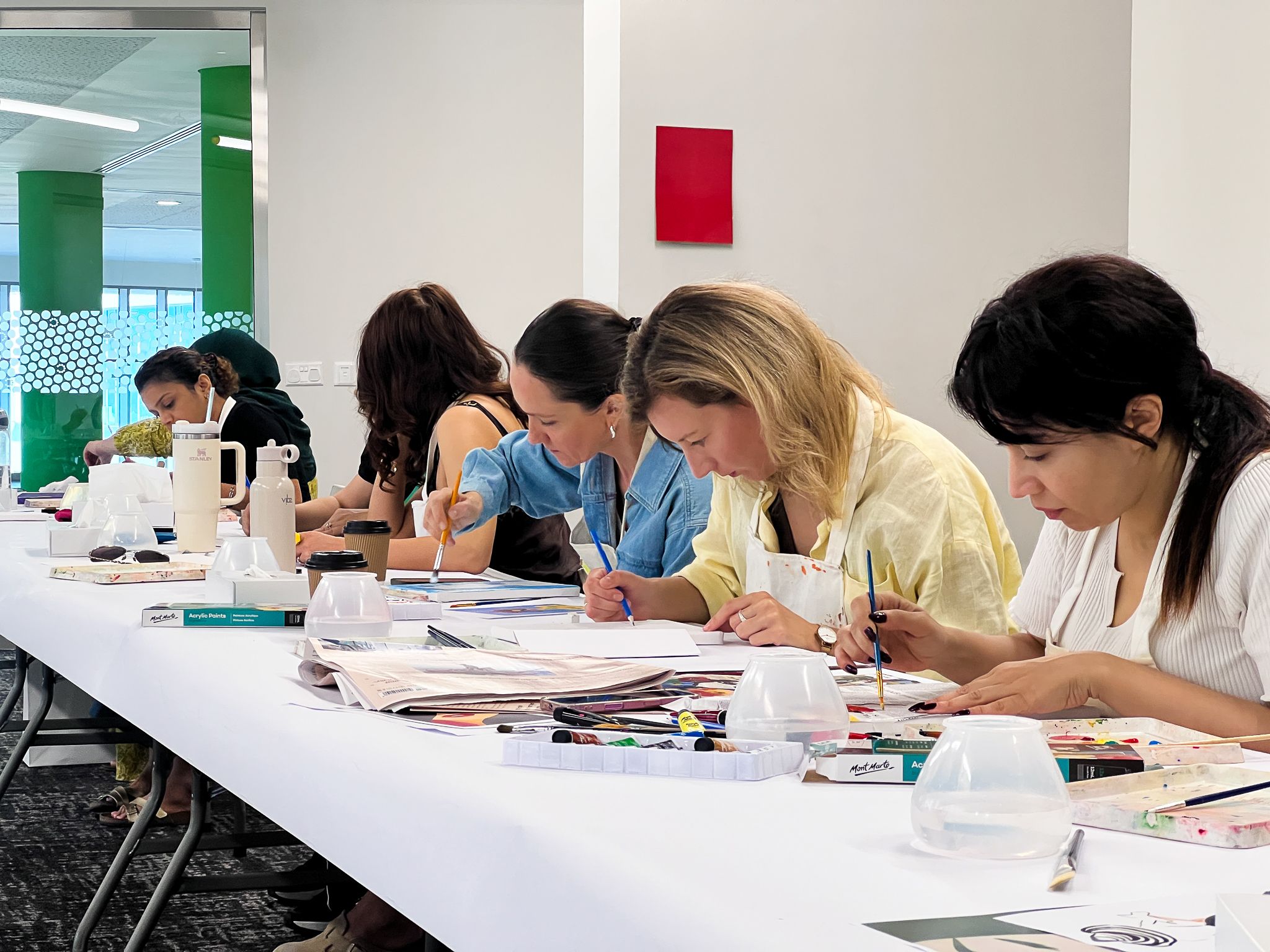
Citizens School is proud to be featured in LYIS Magazine for our unique approach to building community through art. We believe education goes beyond academics—our creative initiatives bring parents together, establishing connection and nurturing collaboration. Through these shared artistic experiences, we strengthen the bonds within our school community, supporting both learners and their families to thrive.
الكاتب: citizensschool
-
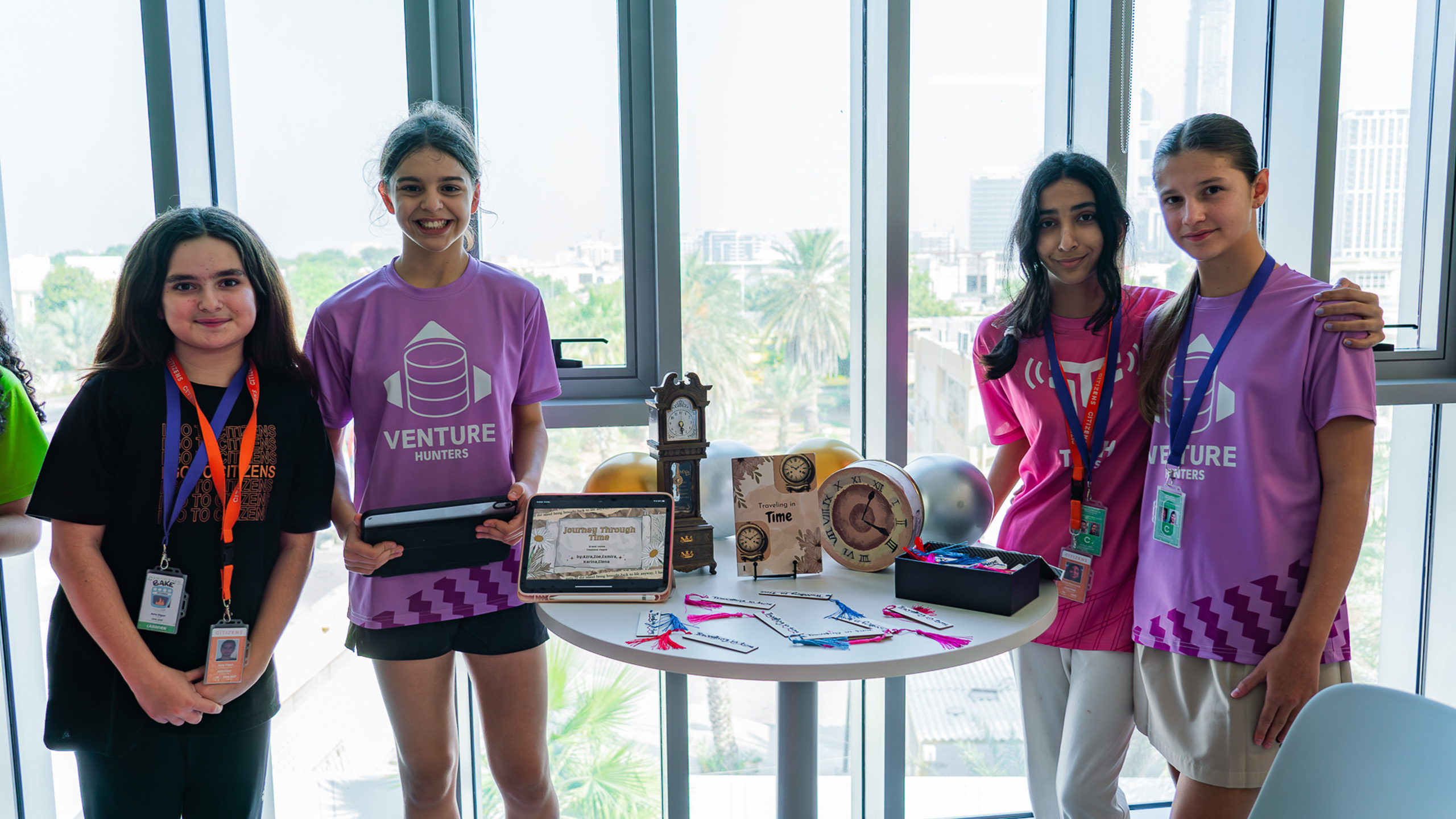
AI in Education: Insights from Dr Adil Alzarooni
As AI continues to reshape the future of learning, Citizens remains committed to empowering learners for tomorrow. We equip our learners with the skills they need to thrive, while staying closely attuned to the voices of parents and educators.
Read Dr Adil Alzarooni’s reflections on the potential of AI in education—and why a balanced, learner-first approach matters most. Arabian Business Feature (Pages 30-33)
-
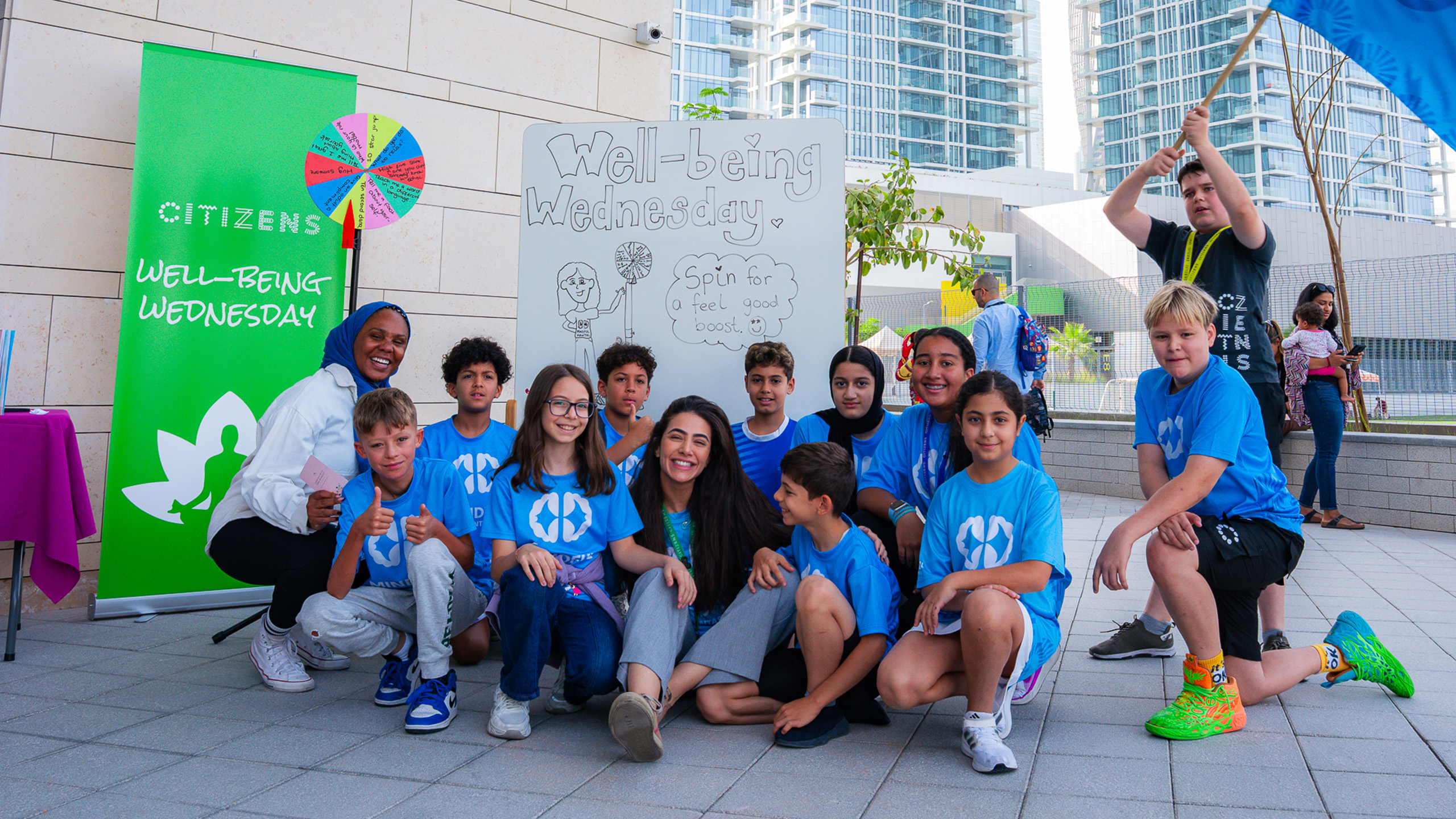
Wellbeing at the Heart of Education
Education UAE explores how Citizens School Dubai is redefining wellbeing— as a core pillar of the learning experience. From emotional literacy to learner-led mindfulness, discover how we’re creating a nurturing environment where every child can thrive.
-
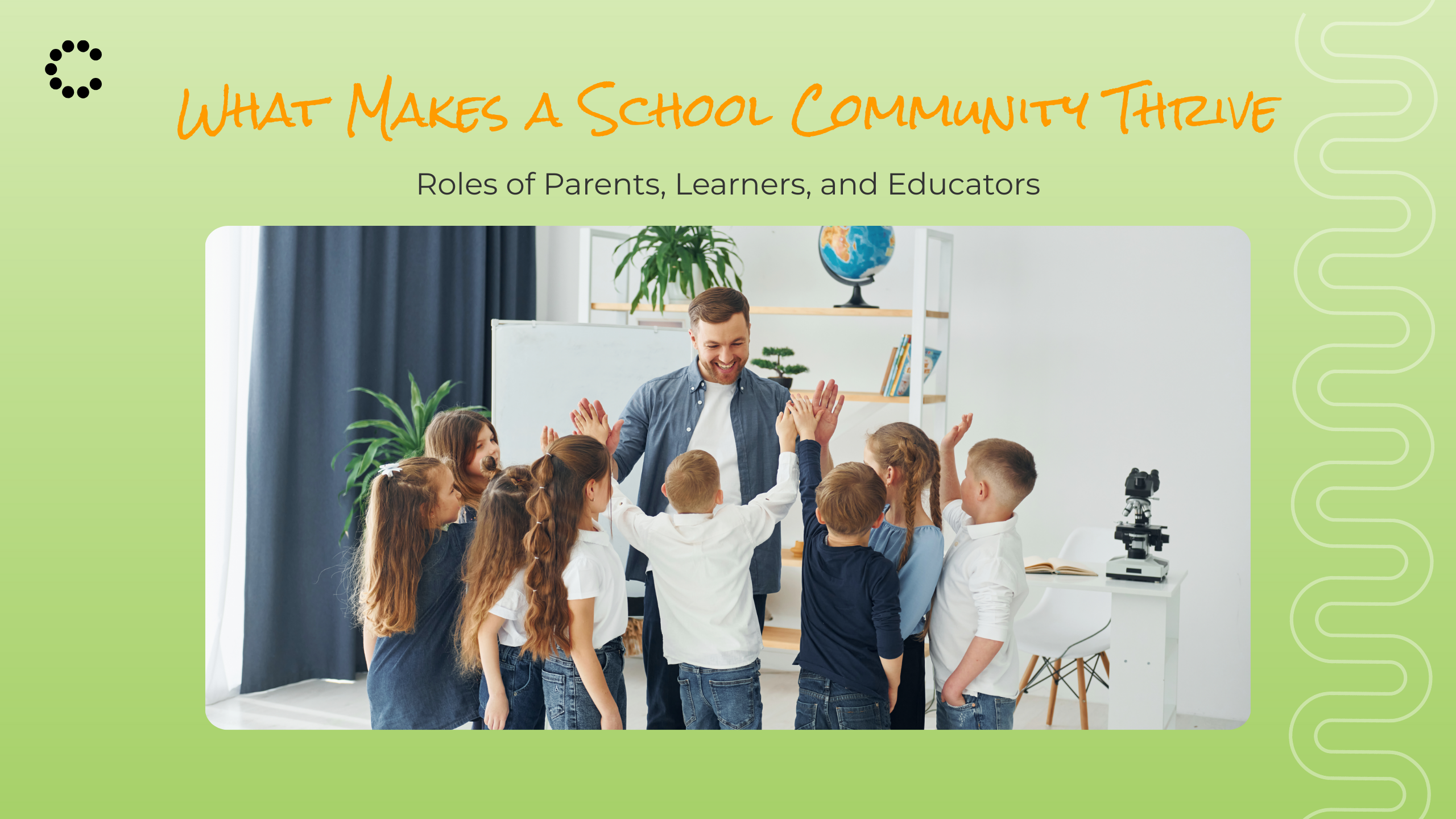
What Makes a School Community Thrive? Exploring the Roles of Parents, Learners, and Educators
What makes a school truly flourish? It’s not just the curriculum or exam results, but it’s the sense of connection that lives within the walls. In today’s educational sector, the most impactful schools are those where relationships come first. At Citizens School, the belief is simple yet transformative: learning happens best within a strong school community, where learners are known, educators are trusted, and parents are engaged.
A thriving school community is one where everyone, i.e. learners, educators, and families play an active role. It’s built on collaboration, open dialogue, and a shared commitment to each child’s growth. When these connections are strong, schools become more than places of education; they become spaces of belonging, purpose, and collective success.
Redefining ‘Community’ in a School Setting
A true school community development effort goes far beyond assemblies and routine interactions. It’s not just about being in the same place; it’s about sharing values, supporting one another, and creating a culture where every individual feels a sense of belonging. A thriving school community is one where relationships are nurtured with care and where each person’s voice matters.
At Citizens School, community is defined by connection, a culture that comes to life Inside Citizens School, where values such as empathy, resilience, sustainability, and wellbeing shape everyday learning experiences. Education is seen as a human-centred journey where wellbeing, emotional safety, and shared purpose are just as important as academic progress. Learners are not only expected to excel but also encouraged to collaborate, reflect, and contribute meaningfully.
This vision recognises that learning doesn’t happen in isolation; in fact, it grows stronger when families, educators, and learners work together with mutual respect and openness. It’s this collective ownership that turns a school into a true community.
The Role of Learners: Taking Ownership of the Journey
At the heart of a collaborative learning environment are learners who take ownership of their journey. When children take ownership of their learning, school becomes a place of discovery rather than obligation. Instead of just absorbing information, learners start making meaning of the information they receive, along with shaping it and applying it in real-life contexts. This philosophy is explored further From Students to Learners at Citizens School, where the distinction between passive students and self-driven learners highlights how curiosity, adaptability, and real-world application shape the educational experience.
At Citizens, learner engagement is nurtured through personal inquiry, reflection, and goal setting. They’re encouraged to ask questions, pursue personal interests, and reflect on their progress. Through goal setting and portfolio building, they track their growth, not only in academics, but also in character, creativity, and collaboration.
When you give the learner a space to grow, learn, and bloom, their confidence automatically grows. Whether it’s mentoring a peer, initiating a community project, or speaking up in a school circle, learners at Citizens contribute to the culture of the school in real, visible ways. They’re not just learning for the future; they’re already shaping it.
The Role of Educators: Mentors, Facilitators, Co-Learners
In every thriving school, teacher involvement goes beyond delivering lessons. Teachers are mentors, facilitators, and co-learners who inspire curiosity, encourage risk-taking, and support emotional development. At Citizens, teachers are mentors first, a philosophy central to Reimagining the Role of Educators, where educators act as coaches who guide learners to think critically and grow through inquiry rather than simply delivering content. They know their learners well, support their individual goals, and adapt instruction to align with each child’s needs and passions.
Rather than following a rigid script, educators design learning experiences that spark inquiry and promote emotional intelligence. They co-learn with learners, modeling humility, resilience, and the joy of exploration. Creativity isn’t a subject, but it’s a mindset that mentors cultivate every day.
Additionally, with mentors and educators, collaboration is key. Educators regularly connect with families to ensure a shared vision for each learner. Initiatives like learner-parent-educator reflection circles make this partnership tangible. When mentors, learners, and parents co-create learning pathways, the result is a more connected, compassionate, and impactful school experience.
The Role of Parents: Partners in Learning, Not Just Observers
Parents bring unique insights and strengths that enrich the educational journey. At Citizens, they don’t act as bystanders to their child’s learning experience; instead, they’re collaborators who shape learning alongside educators and learners.
Beyond attending parent–mentor meetings, parents engage in workshops, offer feedback on school initiatives, and participate in events like learning showcases. Their real-time input helps modify projects and classroom activities to reflect learners’ interests and family cultures.
Collaborating with parents makes open communication very essential. Citizens’ open-door policy and regular forums invite parents into the conversation. Whether it’s reviewing progress, co-designing service projects, or suggesting new extracurriculars, we make sure that the parents are involved. When parents and schools work in tandem, children benefit from a seamless network of support, ensuring their learning remains relevant, personalised, and deeply connected to home.
When Everyone Thrives Together: The Difference at Citizens
True synergy in any educational journey emerges when learners, educators, and parents unite around shared goals. At Citizens, this collective energy transforms the school into a living, breathing community, the one where everyone is known and known well.
Shared responsibility drives stronger outcomes. Educators design projects that draw on learners’ passions and families’ insights. Learners contribute leadership and fresh ideas. Parents bring real-world perspectives and resources. Together, they co-create learning experiences that resonate deeply with each child’s curiosity and strengths.
This partnership often comes to life during the community-building events such as exhibitions, parent–educator roundtables, and service-learning fairs. Learners present research to families, and parents join design sprints, while educators facilitate dialogue circles. These moments of collaboration strengthen mutual trust and celebrate the community’s collective achievements.
In this environment, success is measured not only by test scores but also by the connections forged, the confidence built, and the sense of belonging that empowers every member to thrive.
Conclusion
A school community is not defined solely by grades or test scores. It’s measured by how connected people feel, how supported they are, and how fully they participate. A strong school community is one where every learner feels valued, every educator feels empowered, and every parent feels included.
At Citizens, collaboration isn’t an ideal scenario, but it is a lived reality. Through shared values, open dialogue, and a commitment to knowing each individual well, the school fosters an environment where learning becomes purposeful and personal. Learners aren’t just students; they’re active contributors. Educators don’t just teach; they guide and grow alongside their students. And parents are more than supporters; they’re valued partners in the journey.
Together, this triad forms the heart of a truly future-ready school community. The one where every voice matters and every child can flourish.
-
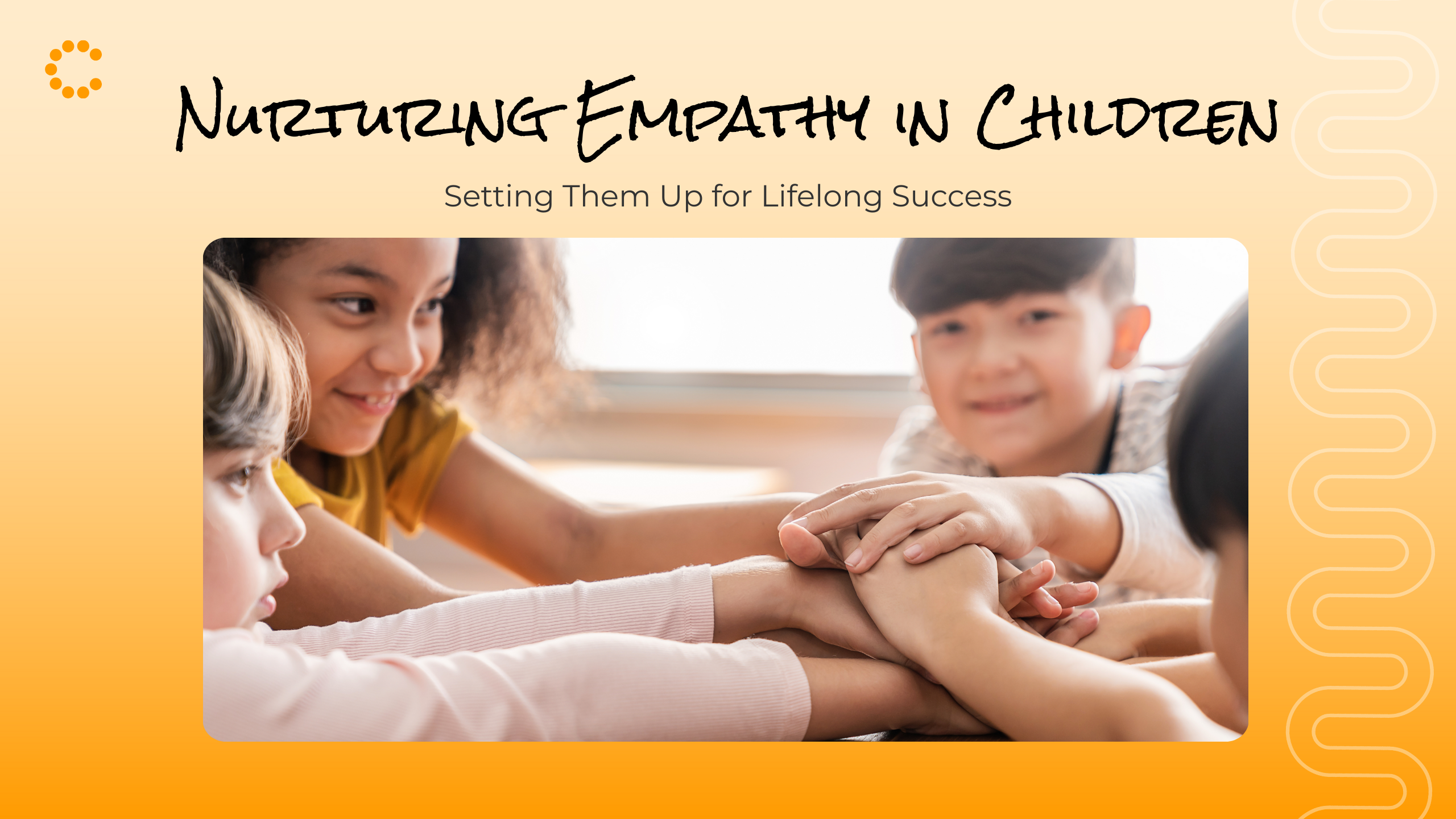
Why Nurturing Empathy in Children Sets Them Up for Lifelong Success
Empathy is one of the most powerful qualities a child can develop. It’s more than being kind. It’s the ability to understand another person’s feelings, to connect, and to respond with care. Empathy in children in Dubai is becoming increasingly vital in shaping emotionally secure, socially aware individuals. It helps children navigate friendships, conflicts, and complex social situations with confidence and compassion.
At Citizens School, nurturing empathy is not an occasional lesson but a daily experience. By nurturing empathy early, we help children become not only better learners but also more thoughtful individuals who can contribute meaningfully to their communities and the world beyond the classroom.
The Science Behind Empathy
Empathy begins to take shape in early childhood, as a child learns to recognise emotions, not just their own, but those of others. This development is closely tied to the brain’s social-emotional wiring. For example, mirror neurons help children “mirror” the feelings they see, forming the neurological basis for compassion and shared understanding. As children grow, so does their ability to regulate emotions and understand different perspectives, which are the two essential traits in developing empathy in kids.
Research shows that empathetic children are more resilient, socially connected, and emotionally secure. They tend to handle stress better, form healthier relationships, and adapt more effectively in group settings. These emotional tools support mental well-being and help shape lifelong success through empathy.
Empathy as a Core Life Skill
Empathy is not just a soft skill. It is a life skill that shapes how children relate, grow, and thrive. Empathy helps a child to evolve and become a better individual.
Better Relationships, Better Communication
Children who understand others’ feelings are more likely to form meaningful connections. They listen more attentively, respond thoughtfully, and handle conflicts with care. This creates stronger friendships, healthier classroom dynamics, and an ability to collaborate across differences.
Academic and Professional Success
Empathy strengthens group work, leadership, and communication skills increasingly valued in both school and the modern workplace. Studies have shown that children with higher emotional intelligence in children tend to perform better academically and remain more engaged in learning.
Emotional Resilience and Mental Health
Understanding emotions in oneself and others is pivotal for mental well-being. Empathetic children cope better with stress, exhibit less negative behavior, and show fewer symptoms of anxiety or depression. Empathy equips them to seek help when needed and to offer support to others by creating an environment of mutual care.
How Schools Can Actively Teach Empathy
Empathy thrives in safe, inclusive environments where every learner feels heard and respected. Nurturing empathy in schools starts with intentional design, consistent role modelling, and authentic learning experiences.
Creating Safe and Inclusive Spaces
Empathy flourishes in environments where every learner feels valued. When classrooms celebrate diversity and encourage respectful dialogue, learners grow more open-minded. Activities that explore different cultures, perspectives, and life stories help children recognise and appreciate differences, not as barriers, but as bridges. At Citizens, this inclusive culture ensures that developing empathy in Dubai kids becomes a natural part of daily learning.
Embedding Empathy into the Curriculum
Project-based learning rooted in design thinking often begins with deep empathy. At Citizens, learners explore community-based problems through design thinking to explore problems that affect others, starting with empathy-driven research. Role-play, literature-based discussions, and reflective journaling all help learners see the world through another’s eyes and respond with care.
Modeling Empathy Through Relationships
Educators serve as empathetic role models. Mentors listen actively, respond with patience, and support emotional exploration. By acknowledging learners’ concerns or guiding dialogue, mentors display empathy in real-time. This approach to emotional intelligence in education helps children internalise empathy as a way of life, not just a subject to be studied.
The Citizens School Approach to Empathy
At Citizens School, empathy is not just taught as a value. It is a daily practice embedded within the Citizens Future Framework. From the way relationships are nurtured to how lessons are designed, empathy guides the way learners connect with themselves, others, and the world.
Learners actively participate in design thinking challenges that address community needs. These activities include supporting sustainability initiatives, partnering with local organisations, or championing peer-led awareness campaigns. These initiatives provide firsthand opportunities for developing empathy in kids by linking learning with impact.
Additionally, activities such as Global Awareness Weeks and cross-cultural projects broaden learners’ perspectives, encouraging them to engage with issues beyond their immediate environment. These activities are not extracurricular, but they are part of the core curriculum, designed to foster lifelong success through empathy.
Central to this approach by Citizens is the “Everyone Known and Known Well” pillar. When every learner is truly seen and understood. They feel safe expressing themselves and are more capable of showing empathy to others. It creates a ripple effect of kindness, understanding, and mutual respect.
A Parent Guide to Empathy in Children Dubai
The journey of teaching empathy at home begins with simple, mindful steps. Encourage your child to talk about feelings, both their own and those of others. Model compassionate behaviour in daily interactions. Share stories that explore different perspectives. And most importantly, create an environment where kindness, understanding, and listening are everyday values.
This parent guide to empathy in children is about building consistent habits through dinner table conversations, reflective questions, community service, or acknowledging emotions during tough moments. When empathy is practised at home, it reinforces what children learn in school and helps them grow into emotionally intelligent, caring individuals.
Conclusion
Empathy isn’t just a soft skill; it’s a powerful life force that shapes how children grow into adults who lead with kindness, integrity, and purpose. In a rapidly changing world, empathy in children in Dubai is not just valuable, but it’s essential.
At Citizens School, empathy is not taught in isolation. It is lived, modelled, and integrated into every part of the learning journey, right from service projects and mentorship to daily classroom conversations. When children are known and valued, they learn to value others too.
As parents and educators, the goal isn’t just to prepare children for exams or careers; it’s to help them become thoughtful, emotionally intelligent individuals who care about the world around them. And that begins with empathy.
-
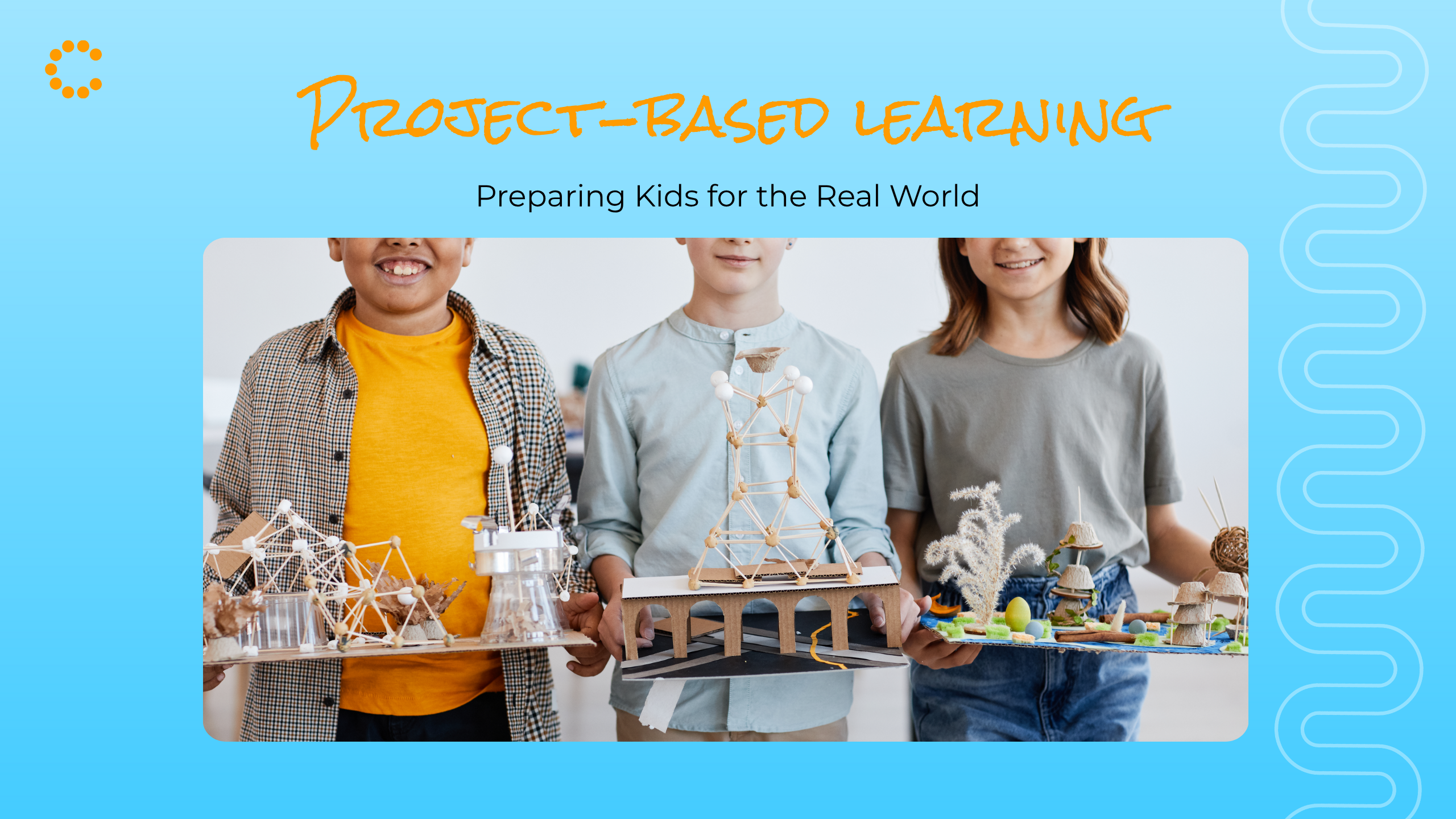
How Project-Based Learning Prepares Learners for the Real World
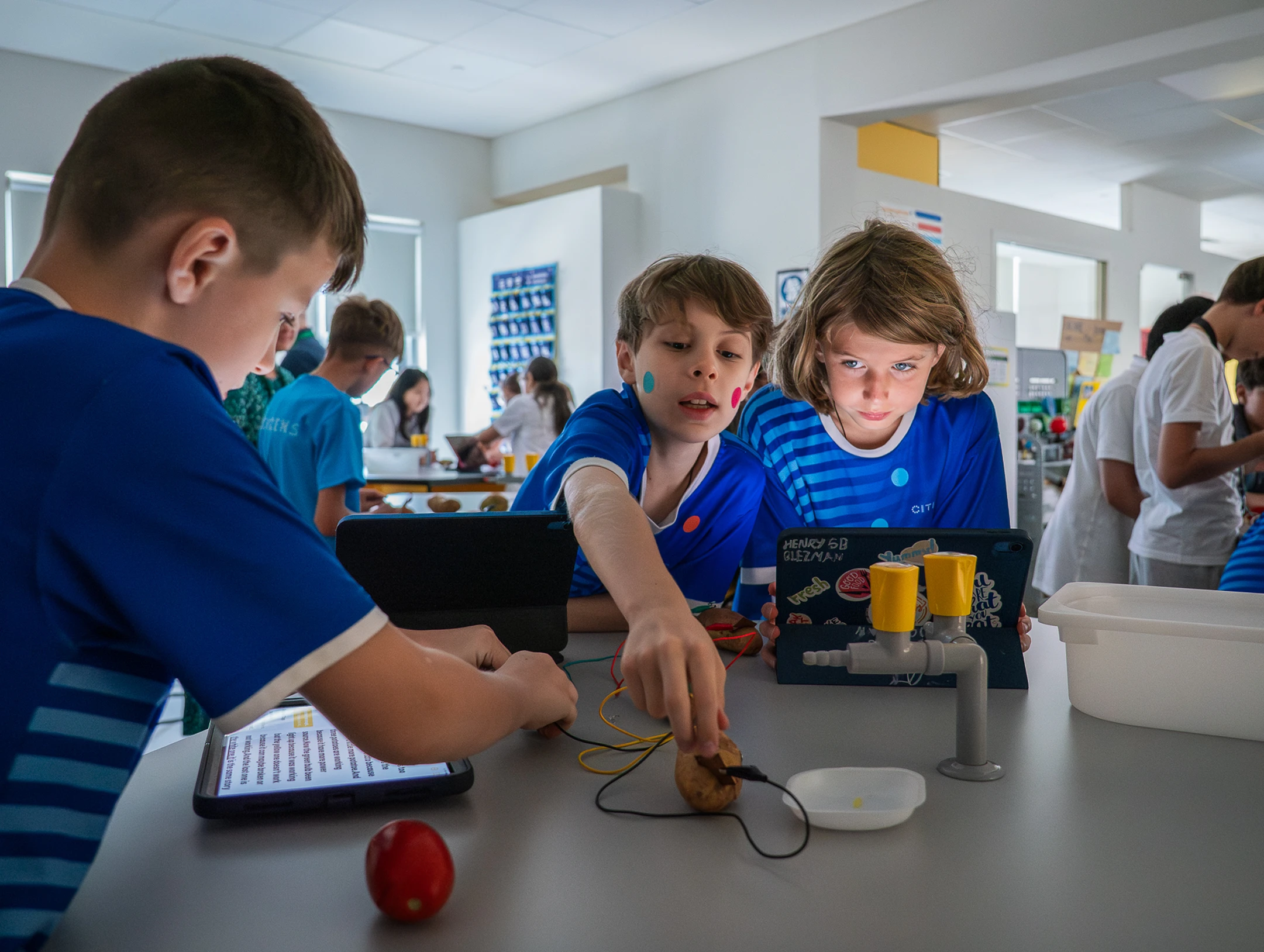
Education today is evolving to meet the demands of a rapidly changing world. Learners need more than the ability to recall facts. They need to understand how to apply knowledge in meaningful ways, reflecting a broader shift towards Rethinking Education for the Future. That’s where Project-Based Learning (PBL) comes in. At Citizens School and beyond, PBL in Dubai is gaining ground as a powerful, learner-centred approach. Instead of simply receiving information, students actively engage with real-world challenges, working together to think critically, problem-solve, and build purposeful solutions.
At Citizens School, this approach is not just a teaching method; it’s a belief on which the foundation of our school stands. Learning should be relevant, meaningful, and guided by curiosity. Through hands-on learning in Dubai, learners prepare not just for exams but for life itself.
What is Project-Based Learning and Why Does It Matter?
Project-based learning in Dubai schools is an educational approach that moves learners from passively consuming content to actively applying it. Instead of memorising information for tests, learners engage with real-world problems that require investigation, ideation, and action. They ask meaningful questions, explore diverse perspectives, and build tangible solutions.
This approach deepens learning by making it relevant and personalised. When children see a purpose behind what they’re learning, such as designing a water-saving solution for their community or building a prototype for a classroom tool, they become more invested and engaged.
Along with application, PBL also nurtures agency. With PBL as a teaching methodology, learners aren’t simply following instructions, but they’re making choices, taking responsibility, and reflecting on their growth, which reflects the principles of Personalised Learning. It’s a shift from doing schoolwork to doing work that matters. And in that process, learning becomes more than academic; it becomes transformative.
Real-World Skills That PBL Helps Develop
Project-based learning cultivates a suite of capabilities that mirror the demands of today’s world. When learners tackle authentic challenges, they develop essential competencies, collaboration, critical thinking, creativity, and self-management that go far beyond rote memorisation.
Collaboration and Communication
Practising PBL requires teamwork. Learners learn to work and collaborate in teams, negotiate roles, share responsibility, and articulate ideas clearly. They practise active listening, synthesise diverse viewpoints, and ensure that every voice contributes to the solution.
Critical Thinking and Problem Solving
PBT often includes complex, open-ended problems, and learners learn to deconstruct issues, analyse data, and evaluate multiple pathways, an approach closely aligned with Design Thinking in Schools. They iterate on prototypes, adapt when obstacles arise, and refine their reasoning through reflective feedback, strengthening a growth mindset in kids while also nurturing entrepreneurial thinking.
Creativity and Innovation
PBL encourages learners to generate original ideas and experiment with unconventional approaches. Whether designing a community garden or coding a new app feature, learners apply divergent thinking to produce inventive outcomes.
Time Management and Accountability
Long-term projects require planning, milestone tracking, and personal responsibility. Learners set timelines, monitor progress, and adjust their strategies. These are the skills that mirror professional workflows and instill a strong sense of ownership over their work.
How Citizens School Brings Project-Based Learning to Life
At Citizens School, project-based learning in Dubai is central to how learners learn, connect, and grow. Every project is thoughtfully designed to reflect real-life complexity, ensuring that learning feels meaningful, relevant, and driven by student curiosity, a principle closely aligned with encouraging curiosity in children in Dubai.
Transdisciplinary Learning That Reflects Real Life
Projects at Citizens are never limited to a single subject. Instead, transdisciplinary learning in Dubai weaves together disciplines, like mathematics, science, literacy, and the arts, just as they intersect in the real world. For example, when learners design a sustainable city, they explore environmental science, geometry, digital tools, social studies, and ethics, all within one unified learning experience. This approach breaks down silos and helps learners see how ideas connect.
Purpose-Driven Themes Aligned with the Future
Every project is anchored in a theme that matters. Whether it’s addressing food security, developing eco-friendly products, or creating inclusive digital platforms, learners engage with real-world problems. These themes align with the Citizens’ Future Framework pillars, i.e. entrepreneurship, transdisciplinary learning, personalised mentoring (“everyone known and known well”), inquiry-based curriculum delivery, and digital literacy.
Learners might design solar-powered water systems, create mental-wellbeing apps, or develop business proposals for underserved communities, similar to many inspiring examples of children turning ideas into real projects. These challenges instill real-world skills through education in Dubai, allowing learners to act with intention and prepare for the complexities of tomorrow.
Real Audiences and Outcomes
Rather than submitting projects only to mentors, learners at Citizens often present their work to peers, parents, community members, and industry partners. This creates a sense of real accountability and pride. Exhibitions, pitch presentations, and collaborative feedback sessions give learners a platform to explain their ideas, defend their choices, and improve through critique. These are the skills they’ll carry far beyond the classroom.
Citizens ensures learning never happens in a vacuum. Each project is designed around connecting knowledge and skills in Dubai schools, helping learners understand not just what they’re learning, but why it matters and how it applies.
Parents as Partners in the Learning Journey
At Citizens School, learning is not confined to the classroom, and it’s certainly not limited to the learner and mentor. Parents are seen as active, valued collaborators in the educational process. Their role goes far beyond attending meetings or reviewing report cards. In a project-based learning (PBL) environment, parent involvement becomes dynamic, meaningful, and deeply connected to their child’s growth.
From the early stages of a project, parents are encouraged to engage with their child’s ideas, questions, and discoveries, helping nurture a growth mindset in kids as they explore and learn. Whether it’s discussing a design concept at the dinner table or exploring community issues on a weekend outing, these shared moments play an important role in sparking a love of learning at home and strengthening family bonds.
Citizens regularly hosts student exhibitions, learning showcases, and project presentations, where parents don’t just observe but participate. These events offer authentic insight into how and what their children are learning. More importantly, they provide space for children to articulate their thinking and for families to celebrate effort, curiosity, and progress together.
By opening doors to communication and collaboration, Citizens nurtures a school-home partnership rooted in trust, transparency, and shared purpose. When parents are genuinely involved, children feel supported, empowered, and proud of the learning journey they’re shaping.
Conclusion
Project-based learning in Dubai transforms education from static instruction to dynamic exploration. By engaging in authentic, interdisciplinary projects, learners develop critical skills like collaboration, creativity, problem-solving, and self-management that mirror real-world demands.
At Citizens School, PBL is more than a teaching strategy; it’s the bedrock of a future-ready education. Learners tackle purposeful challenges, present to genuine audiences, and receive support from mentors and parents alike. This active learning model promotes confidence, curiosity, and a sense of agency. When families, educators, and learners work together, learning extends beyond the classroom walls and into life itself.
In embracing hands-on learning in Dubai, Citizens are equipped to succeed in an altering world along with succeeding in school.
-
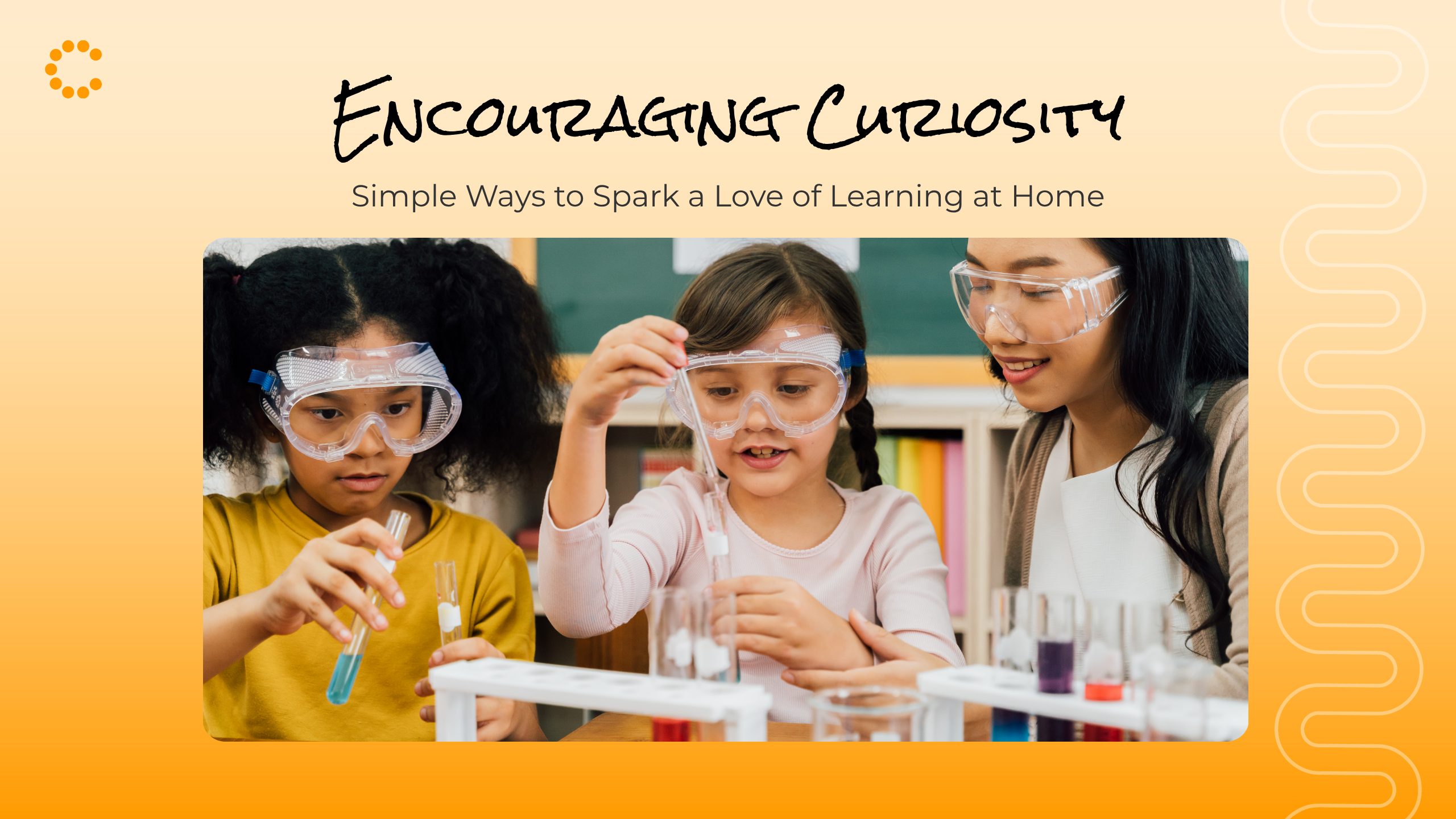
Encouraging Curiosity: Simple Ways to Spark a Love of Learning at Home
Curiosity is one of childhood’s most powerful instincts. It’s the quiet driver behind every question, every “why,” and every discovery. Yet in today’s world of instant gratification, schedules, screens, and structured routines, that inquisitiveness of a child can easily be overshadowed.
At Citizens School, we believe curiosity isn’t just a nice-to-have; it’s the heartbeat of meaningful learning. When children are encouraged to ask questions, follow their interests, and explore without fear, they become confident, engaged learners. And while schools can nurture this spark, parents play an equally vital role at home. Sparking a love of learning at home in Dubai begins with curiosity being seen, celebrated, and supported in everyday moments.
Why Curiosity Matters More Than Ever
In a world where information changes rapidly, curiosity is no longer optional but essential. Curious children are not only more engaged in their learning, but they also become better thinkers, collaborators, and problem-solvers. They’re not afraid to ask questions, challenge ideas, or explore unfamiliar paths. Curiosity builds intrinsic motivation in children, making learning feel exciting rather than obligatory. It nurtures independence and adaptability, the traits deeply aligned with the vision for inquiry-based learning in Dubai.
At Citizens School, this aligns deeply with our values of inquiry-based learning, digital fluency, entrepreneurship, and ensuring every child is known and valued. When nurturing curiosity in Dubai homes becomes a shared priority, it reinforces classroom experiences and helps raise learners who are bold, thoughtful, and ready to shape the future.
Creating a Curiosity-Friendly Environment at Home
Nurturing curiosity in Dubai homes starts with creating the right environment for a learner. A place where questions are welcomed, exploration is encouraged, and wonder is part of everyday life. At home, parents can spark the curiosity of their children by asking questions and answering their inquisitiveness. This is one of the most valuable tips for parents in Dubai education.
Let Questions Lead the Way
When your child asks “why” or “how,” pause and explore it together. It is alright even if you don’t know the answer. But exploring with your child together builds a mindset where curiosity is more important than correctness, helping nurture a growth mindset in kids. Try responding with interest and not urgency. A simple “That’s a great question; what do you think?” can open up meaningful dialogue, along with making the child feel valued for their thoughts.
Make Space for Wonder
Designate small areas for creative exploration, whether a reading nook, a corner with building blocks, or a nature journal by the window. More importantly, give your child time. More often, overscheduling leaves little room for daydreaming or discovery. Unstructured moments are often the best activities to develop curiosity in Dubai, helping young minds wander, question, and create.
Everyday Activities That Inspire Exploration
If you’re thinking where to start from, then remember that you don’t need elaborate tools or special lessons to spark curiosity. You can use instances from everyday life and create countless learning opportunities for your child.
Learn Together Through Daily Routines
You can turn regular tasks into hands-on learning. For instance, cooking combines math, chemistry, measurement, and language. Asking questions like “What happens when we heat this?” stimulates inquiry into routines. Before you know it, dinner prep becomes a mini science lesson. Another teaching moment can be gardening. It teaches responsibility, life cycles, and environmental care. These are great activities to develop curiosity in Dubai that also deepen family bonds.
Use Technology as a Tool, Not a Distraction
Digital tools can either stifle or stimulate curiosity. Instead of passive screen time as a reward, consider guided exploration with coding apps, virtual museum tours, or creative platforms like digital storytelling. When used intentionally, technology becomes a springboard for deeper learning rather than a passive escape. And to dig deeper, you can encourage your child to ask questions about what they watch or play and explore answers together. This supports sparking a love of learning at home in Dubai with balance and purpose.
Follow Their Passions
Keep an eye on the subjects that spark interest in your child. Watch for subjects that excite your child, such as bugs, stars, inventions, or languages. If your child is fascinated by space, insects, or architecture, let that guide their learning. Provide materials or books related to their interests. Help them explore deeply, even if it means embracing messy or non-traditional learning experiences. The more children see their interests valued, the more they’ll pursue them with excitement.
Encouraging Reflection and Conversation
Curiosity deepens when children are given space to reflect, express, and connect their thoughts with others.
Ask Open-Ended Questions
Instead of yes-or-no queries, ask questions that invite thinking: “What surprised you today?” or “If you could change one thing, what would it be?” These questions encourage metacognition, thinking about thinking, and deepen self-awareness. Reflection helps children connect ideas, notice patterns, and reframe experiences with insight. It is one of the core components of inquiry-based learning in Dubai.
Make Learning Social
Exploration is more engaging with others. Engage in meaningful conversations during walks, mealtimes, or bedtime with siblings, friends, or online learning groups. When children explain ideas to others, they consolidate understanding. Social curiosity, like experimenting with a friend or debating an idea, builds empathy, communication, and deeper mastery. And when children feel heard, their confidence to explore new ideas grows.
How Citizens Reinforces Curiosity in the Classroom
At Citizens School, curiosity is more than encouraged. It’s foundational and deep-rooted in the curriculum. Every learning experience is designed to spark inquiry and sustain a child’s natural desire to explore.
Classrooms are not bound by textbooks but are shaped by real-world questions and projects. Learners co-create goals with their mentors, choosing pathways that align with their interests and passions. Whether it’s investigating sustainability, designing a tech solution, or exploring cultures through art, learners are empowered to ask questions, test ideas, and reflect on outcomes. This reflects a core belief in inquiry-based learning in Dubai, a key aspect when understanding traditional vs inquiry-based learning, where curiosity drives both process and purpose.
The Citizens Future Framework is built on pillars like inquiry-based learning, entrepreneurship, and digital literacy, which ensures that curiosity isn’t a momentary spark but a lasting habit of mind. This culture of curiosity prepares learners to think critically, adapt confidently, and approach the future with excitement and purpose.
Conclusion
Cultivating curiosity at home doesn’t require elaborate plans; it’s all about openness, patience, and trust. Create spaces for wonder. Follow their interests. Ask the right questions. And model the joy of learning yourself.
When families and schools align, sparking a love of learning at home in Dubai becomes a shared mission. Citizens School’s holistic approach ensures that this natural thirst to understand the world is nurtured, challenged, and celebrated every single day.
-
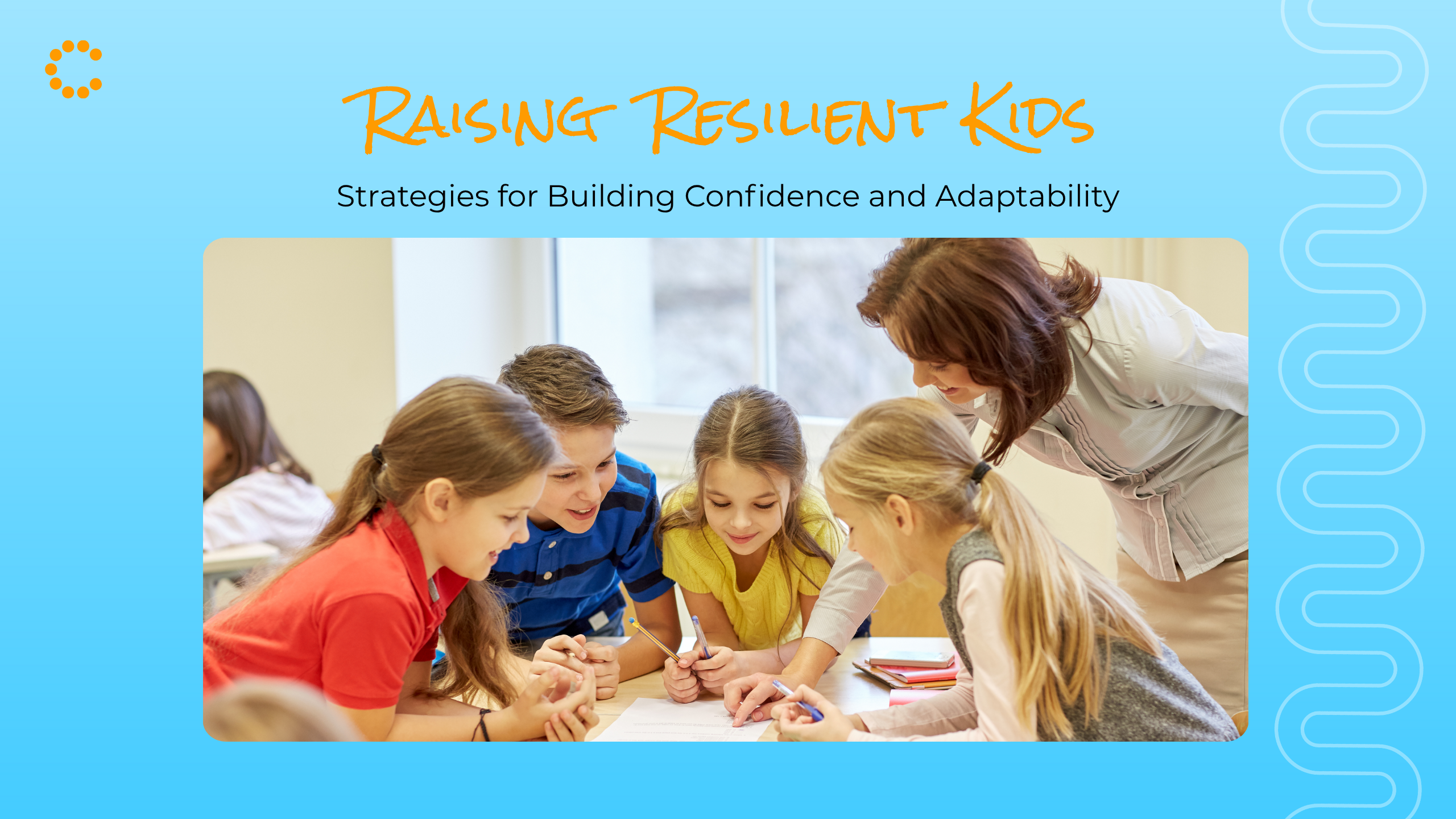
Raising Resilient Kids In Dubai: Strategies for Building Confidence and Adaptability
Every child will face moments of disappointment, frustration, or change as a part of growing up. But what helps them stand tall through those moments isn’t just intelligence or talent. It’s resilience.
Resilience is what helps children dust themselves off after setbacks, stay grounded when things don’t go as planned, and gather the courage to try again. It’s what gives them the courage to speak up, the flexibility to adapt, and the confidence to keep learning.
At Citizens School, resilience isn’t treated as an extra skill. It’s part of the foundation for building confidence in children in Dubai. Acting as a thread that runs through everything we do. Through meaningful relationships, purposeful learning, and a safe, nurturing environment, we help children build the skills they need not just to succeed but to thrive, no matter what comes their way.
This guide offers parents practical, heartfelt ways to nurture resilience at home while giving a glimpse into how Citizens helps children grow into confident, adaptable, and emotionally grounded individuals.
Why Resilience Matters in Childhood and Beyond
Resilience isn’t just about staying strong; it’s about learning how to traverse life’s challenges with confidence. Children who develop resilience early on are better equipped to manage academic pressures, social situations, and unexpected challenges. They’re more likely to take healthy risks, recover from mistakes, and keep trying, even when things get tough.
Beyond the classroom, resilience builds emotional security and self-belief. It lays the groundwork for how children respond to stress, setbacks, and change, not just today, but well into adulthood. In a world that’s constantly evolving, adaptability in Dubai kids has become as important as literacy or numeracy. The ability to adapt, reflect, and keep moving forward is a skill that will serve them for life.
Recognising the Signs of Resilience (or the Lack of It)
Resilience often shows up in quiet, everyday moments. A child who keeps trying after a mistake, asks for help without shame, or bounces back after disappointment is showing signs of emotional strength. They might not always succeed on the first try, but they don’t give up easily either.
On the other hand, a child who avoids challenges, becomes overwhelmed by small setbacks, or frequently says, “I can’t,” may be struggling with resilience. These are not flaws, they’re signals. Helping kids handle setbacks in Dubai begins by recognising these moments and responding with patience, empathy, and encouragement.
Practical Ways Parents Can Build Resilience at Home
Teaching resilience at home in Dubai doesn’t require a special curriculum, but it starts with everyday choices and interactions.
Let Them Face Age-Appropriate Challenges
Sometimes, watching from the sidelines is more powerful than leaping into action. As parents it can be tempting to step in and fix things quickly, but children grow when they try, stumble, and try again. Offer support, not solutions. Encourage small steps, and saying things like “It’s okay not to get it right the first time” or “Let’s give it another try” communicates that effort matters more than perfection.
Model Resilience Yourself
Children watch more than they listen. Let them see how you handle tough days, adapt to change, and stay calm in uncertainty. When you face a challenge, maybe work stress or a complex errand, share bits of your strategy: “I felt frustrated, but I took a moment to breathe and problem-solve.” Transparency in your coping helps children learn that mistakes and perseverance go hand in hand.
Teach the Language of Growth
Swap “You’re so smart” for “I’m proud of how you stuck with that.” In moments of frustration, ask, “What else could you try?” This language encourages thinking and effort instead of fixed ability, and plants seeds of lifelong learning.
Celebrate Effort, Not Just Outcome
Applaud persistence, creative thinking, and bravery in trying again. Noticing that your child spent time brainstorming or stayed calm through a tough task. When children feel seen for their effort, not just the end result, they begin to value the process over perfection.
Helping Children Manage Emotions Constructively
Emotional resilience begins with understanding feelings, not avoiding them, a core aspect of emotional intelligence. When children learn to name, express, and manage emotions healthily, they’re better prepared to face life’s ups and downs.
Teach Emotional Regulation
Sometimes, a few slow breaths, a quick count to ten, or pointing to a feelings chart is all it takes to help a child reset and feel in control. A calm space at home where your child can pause and reset can make a world of difference. Let them know it’s okay to feel frustrated, disappointed, or overwhelmed and that those feelings won’t last forever.
Encourage Problem-Solving and Reflection
Instead of rushing to fix the issue, ask them, “What happened? ” or “What could we try next time? ” This helps children think things through and see setbacks as learning moments. This is at the core of helping kids handle setbacks in Dubai.
How Citizens School Builds Resilience Through Learning
At Citizens, resilience isn’t an additional skill; it’s at the heart of how children learn, grow, and thrive. The school’s approach gently nudges learners to step outside their comfort zones, reflect on their experiences, and keep trying until they find their way.
A Curriculum That Encourages Trial and Error
At Citizens, learners learn that mistakes are part of the journey. We encourage them to tinker, test, stumble, and try again until something clicks. For instance, in tackling community issues, they prototype, test, and iterate, hence building resilience one revision at a time.
Supportive Mentor-Learner Relationships
In line with the pillar “Everyone Known & Known Well”, every child is guided by a mentor who understands their needs and celebrates their growth. These trusted relationships create a foundation of safety, making it easier for learners to take risks and build inner strength.
Resilience in Action: Examples from the Classroom
Whether it’s a learner revising a science project after failed trials or a group leading a peer workshop, real learning happens through challenge. School events, community activities, and learner-led initiatives offer many such moments where children stretch themselves, support one another, and grow in confidence.
Resilience Backed by Research
Decades of research affirm that resilience is not an inborn trait; rather, it’s a skill that can be nurtured over time. According to the American Psychological Association, children who develop resilience early are better equipped to manage stress, solve problems, and maintain emotional balance through life’s ups and downs.
Neuroscience also supports this: children exposed to positive relationships, safe challenges, and supportive learning environments build stronger neural pathways for emotional regulation and adaptive thinking. This reinforces the importance of teaching resilience at home in Dubai in partnership with a school environment that honours the child as a whole.
Conclusion
Raising resilient kids in Dubai begins with nurturing their confidence, social-emotional growth, and sense of purpose. At home, small shifts like inviting challenges, modelling perseverance, and celebrating effort can ripple into profound habits. In school, safe spaces, mentor support, project-based learning, and real-world challenges deepen inner strength, while also supporting nurturing empathy through meaningful interactions.
Citizens School combines these elements, grounded in research and compassion. Through purposeful learning, tailored guidance, and an environment that sees each child as inherently capable, it prepares learners not just for the next step but for a life of resilience, curiosity, and mindful contribution.
-
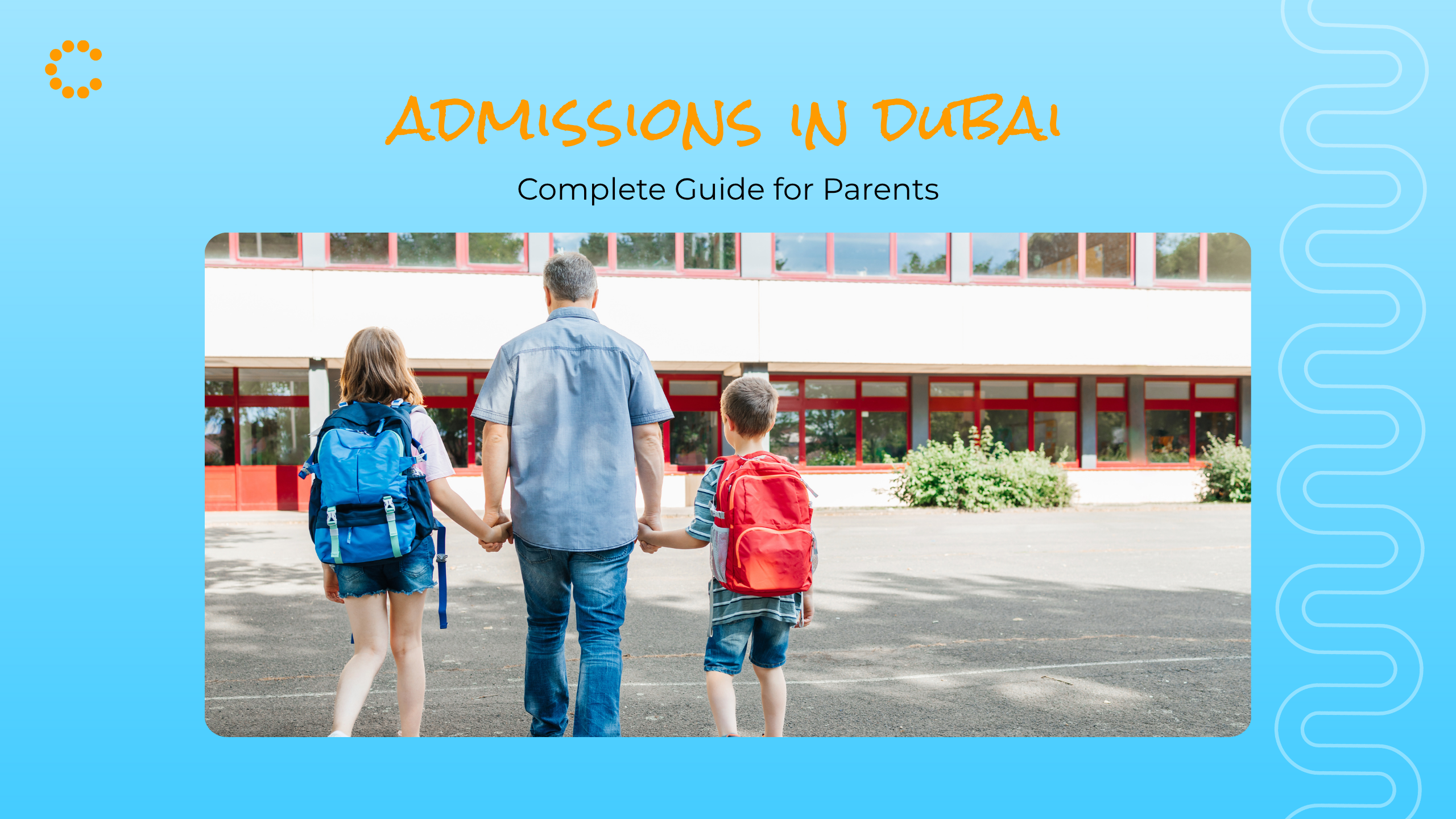
A Parent’s Guide to School Admission in Dubai
Choosing a school in Dubai isn’t just an academic decision; it’s a deeply personal one. For many families, it’s a journey filled with hope, questions, and aspirations for their child’s future. With over 200 private schools and 17+ curricula to choose from, the Dubai school admission process can feel a little overwhelming, which is why many parents explore resources like the Top 10 Best Schools in Dubai for 2025 to simplify their search. But know this: you’re not alone.
This guide is here to walk beside you, step by step, helping you make a decision rooted in what truly matters to your family.
Understanding the Dubai School Landscape
Dubai offers a diverse education ecosystem, each school telling its own story, each curriculum supporting a different path. Public schools are primarily designed for UAE nationals, while expat families often choose from a variety of private schools that align with international standards.
You’ll find options like:
- British Curriculum (UK National Curriculum)
- Indian Curriculum (CBSE, ICSE)
- American and IB Curricula
- French, German, and other European boards
Choosing a curriculum often depends on where your family is from, how your child learns best, and future educational goals. But beyond the academics, what truly makes a school right is whether your child feels known, encouraged, and inspired to grow.
KHDA-Regulated Schools: What Parents Need to Know
Every private school in Dubai is licensed and monitored by the Knowledge and Human Development Authority (KHDA). This ensures a consistent level of quality and safety for all learners, no matter where they come from or what curriculum they choose.
KHDA ratings help you compare schools based on transparent criteria: teaching quality, learners’s outcomes, well-being, and leadership. Reports are published publicly, so you can feel confident and informed. Schools rated ‘Good’ or higher usually have strong support systems and a focus on holistic development and not just academics.
Citizens School is one such KHDA-compliant institution that not only meets these standards but also expands the vision of what schooling can be. Through its five core pillars- entrepreneurship, transdisciplinary project-based learning, everyone known & known well, inquiry-based learning, and digital literacy, Citizens nurtures children to grow with empathy, curiosity, and resilience.
Age Criteria for Admission in Citizens School
To ensure developmental readiness, the Citizens sets strict guidelines for the Dubai school admission process in the 2024–25 academic year:
- Age Requirements
Citizens School accepts learners based on age-appropriate year levels as determined by the Dubai Ministry of Education guidelines.
- Parent/Guardian Commitment
The commitment of parents or guardians to support their child’s education and collaborate with the school is an important element to ensure every learner thrives.
- Potty Training Policy for FS Classes
Mandatory Potty Training – Parents and guardians are expected to have their children fully potty trained before the commencement of FS classes.
Admissions Procedure
- Application Submission
Parents or guardians are required to complete and submit the official application form along with all necessary documents, including previous academic records, a copy of the child’s passport and residence visa, a recent passport-sized photograph, and any relevant medical information.
- Entrance Observations
Depending on the year level, applicants are required to participate in an entrance observation with the Citizens academic team. This process allows us to assess each child’s baseline skills and development, enabling us to identify the appropriate support they may need upon joining the school.
Priority Considerations
- Siblings
Priority is given to siblings of our current learners and to ensure they have the right criteria to be supported during their admissions process.
- Diversity and Inclusivity
Citizens School values diversity, and we accept everyone from all nationalities, backgrounds and abilities to promote a fully inclusive learning environment.
Notification and Acceptance
- Notification
Once the application process is complete, the school will notify parents or guardians of the admission decision via email or official correspondence.
- Acceptance and Enrolment
Parents or guardians of accepted learners must confirm acceptance within the specified period and complete the enrolment process, including payment of applicable fees, submission of required documents, and signing of the enrolment agreement.
- Uniform Policy
At Citizens, our uniform policy balances individuality with a sense of community. All learners are required to wear items from our Citizens clothing line, which can be purchased online.
Citizens School is committed to providing a high-quality educational experience to its learners
KHDA Registration and Final Confirmation
Once accepted, the school submits the learner’s data to KHDA. Parents must then verify details via the KHDA Parent Portal, and they are required to sign the KHDA parent contract. Final admission is confirmed only after this step.
Fees, Scholarships, and Financial Considerations
Education is an investment, and one that parents rightly consider carefully. Tuition varies across schools and curricula, but other costs may include:
- Transportation fees (ranging between AED 8,000 and 12,000/year)
- Uniforms (ranging between AED 300 to 800/year)
- Meals (ranging between AED 200 to 500/month)
- Learning materials and technology fees (ranging between AED 200 to 500/year)
- Optional extracurriculars (ranging between AED 80 to 200/per class)
- iPad (if the parent paid)
Given that Education is an investment, many schools offer installment plans and discount options, such as the following:
- Term-wise or monthly payment plans
- Early-bird, bank discount or sibling discounts (5–15%)
- Corporate tie-ups offering fee subsidies
If parents are worried about yearly incremental increases in the fee, you can relax. The increasing fees are tightly regulated based on the Education Cost Index (ECI) and school rating. For 2025–26, only schools rated ‘Good’ and above may apply for incremental hikes.
Settling In: Supporting Your Child’s First Weeks at School
Transitions take time. Whether it’s a new classroom, a new mentor, or a new group of friends, your child may feel a little unsure in the beginning, and that’s completely normal. Schools across Dubai create welcoming spaces through:
- Orientation sessions
- Classroom walkthroughs
- ‘Meet the Mentor’ days
- Buddy systems and parental support groups
At Citizens, every child is truly known and known well. This philosophy ensures learners feel seen, heard, and valued from day one.
1. Building Parent-School Partnerships
Strong collaboration between schools and families benefits everyone. KHDA encourages schools to maintain open, ongoing communication. You’ll often find:
- Parent portals and apps
- Weekly updates
- Workshops and feedback channels
Citizens takes it a step further, such as engaging parents in curriculum conversations, community projects, and school-wide decision-making.
2. Retention and Progression in KHDA-Licensed Schools
KHDA requires schools to track academic and emotional progress. Promotion to the next grade not only includes marks, it includes overall growth. If your family relocates to another emirate or abroad, most Dubai schools issue globally accepted transcripts and learning assessments, making transitions smoother.
3. Transferring to Other Emirates or Countries
Most schools provide globally recognised transcripts and standardized assessments, easing future relocations. It’s important to ensure curriculum continuity if a transfer is anticipated.
We, at Citizens School, foster critical thinking, resilience, and real-world competencies. Its curriculum blends academics with future-ready skills, an essential edge in today’s dynamic world.
Final Thoughts
School admissions in Dubai are more than just a formality; they’re a pathway to your child’s academic and personal growth. Parents can make well-informed decisions with the right research, an understanding of school registration requirements in the UAE, clarity on how to apply for schools in Dubai, and engagement with the school community. Institutions like Citizens School exemplify how modern education in Dubai is evolving, not just complying with regulations but redefining them to meet the needs of tomorrow’s learners.
-
Understanding KHDA Ratings: How Citizens Builds on the Framework for a Deeper Educational Impact
In Dubai, where educational standards are rigorously upheld, the Knowledge and Human Development Authority (KHDA) plays a pivotal role in maintaining transparency and consistency. The KHDA inspection process provides a structured approach to evaluating private schools, helping parents make informed decisions. However, as the world of education evolves, it’s essential to look beyond conventional metrics.
Citizens School recognises the value in what KHDA brings, but it also believes that children are more than data points. At Citizens, the focus is not only on what children know, but also on how that knowledge is utliized, while pursuing their passion. Citizens’ school is built to place the learner at the centre.
What is the KHDA Framework?
KHDA governs and evaluates over 200 private schools in Dubai, affecting more than 300,000 learners. How KHDA rates schools in Dubai often shapes parental choices and even determines a school’s eligibility to increase fees.
These ratings also have practical implications. A school’s ability to increase tuition, for example, often hinges on its KHDA rating. In this way, the KHDA helps maintain quality and fairness across a diverse educational landscape with its inspections. The KHDA school evaluation criteria focus on the following seven questions:
- How good is the students’ progress?
- How good is the students’ personal and social development?
- How good are the teaching and learning?
- How well does the curriculum meet the educational needs of all students?
- How well does the school protect and support students?
- How good are the leadership and management of the school?
- How well does the school perform overall?
Schools are then ranked as KHDA outstanding quality, good quality, acceptable, and unsatisfactory. These categories provide a standardised view of school performance, offering a familiar comparison tool for families. Yet, while the KHDA inspection process is data-rich, it may not fully capture a child’s creativity, well-being, or emotional growth.
Citizens School Philosophy: Going Beyond Compliance
At Citizens School, our belief is simple: education should fit the child, not the other way around.
The Citizens Future Framework is built around five core pillars – Entrepreneurship, Transdisciplinary Project-Based Learning, Everyone Known and Known Well, Inquiry-Based Learning, and Digital Literacy.
These aren’t just buzzwords to gain your attention; they represent a deep commitment to helping children become thoughtful, creative, and confident individuals.
These pillars are supported by core values such as empathy, curiosity, resilience, inclusivity, well-being, and a growth mindset. All these qualities are essential for thriving in a complex, rapidly changing world.
Our Motto: From Grades to Growth
Success at Citizens isn’t only measured by test scores or rankings. Instead, learners are encouraged to discover who they are, explore what excites them, and grow into capable, caring individuals. This approach respects each child’s pace and passions while still fostering excellence through meaningful challenges.
Education at Citizens is not about filling in the right answers; it’s about asking the right questions. Learners are mentored, not managed. Collaboration, emotional literacy, and real-world application are embedded into everyday learning, creating an environment where children feel seen, safe, and supported to challenge and progress into the unknown.
How Citizens Complements the KHDA Framework
While the KHDA provides a strong regulatory foundation for ensuring academic standards and operational governance across Dubai schools, Citizens School builds on this foundation with a learner-centric philosophy that champions individuality, wellbeing, and future readiness. The goal is not just to meet expectations but to empower children to thrive in a rapidly changing world.
Curriculum Design and Implementation
At Citizens, the curriculum is not a fixed route; it’s a flexible journey shaped by each learner’s passions and questions. If a learner expresses interest in environmental issues, this could spark an interdisciplinary project that spans science, technology, visual arts, and civic engagement.
The curriculum is built to be purposeful and personal, drawing on international frameworks while ensuring relevance to the learner’s world. Learning outcomes are mapped thoughtfully, but the route to achieving them is co-designed with learners. This allows education to move from being merely informative to truly transformative.
Assessment Practices
Assessment at Citizens goes beyond traditional testing. It is grounded in portfolios of work, continuous formative assessments, and meaningful projects that reflect real-world understanding. Learners showcase their growth through exhibitions and student-led conferences, demonstrating not only what they know but how they apply that knowledge.
Summative assessments, both internal and external, are used strategically to support academic rigour. However, the emphasis remains on reflective, authentic evaluation that nurtures learner confidence, resilience, and self-direction.
Teacher Role and Professional Development
Educators at Citizens are seen not just as instructors but as co-designers of the learning experience. They work alongside students to create modules that spark curiosity, build critical thinking, and encourage creative exploration.
Professional development is ongoing and embedded into the school culture, with mentors (teachers) encouraged to experiment with pedagogy, adopt new technologies, and reflect regularly on their practice. This creates a dynamic environment where our mentors grow alongside their learners while constantly evolving to meet the needs of the future.
Leadership and School Governance
Leadership at Citizens is deeply collaborative. Rather than top-down decision-making, the school embraces dialogue with learners, parents, and staff, creating an inclusive ecosystem where everyone has a voice.
Governance is grounded in the school’s values of empathy, ethics, and co-creation. Leaders model adaptability and vision, creating a culture where innovation is encouraged and relationships are prioritised. It’s a model of school leadership that places human connection at the centre of every decision.
Mentoring and Community Connection
Every learner at Citizens is supported by a personalised mentoring programme that reflects the school’s foundational pillar: Everyone Known and Known Well. This isn’t just pastoral care, it’s a relationship-driven approach to education where each child is seen, supported, and challenged.
Mentors guide learners academically, socially, and emotionally, helping them set goals, reflect on progress, and navigate challenges. These mentoring relationships deepen the sense of belonging and ensure that education is rooted in trust, empathy, and purpose.
The Parent Perspective: What This Means for Your Child
KHDA’s rating system offers families a trusted, structured way to assess school performance across Dubai. Citizens builds upon this by integrating creativity, emotional growth, and learner-driven experiences, providing a well-rounded complement to established educational standards. At its core, Citizens puts the child first, offering a learning journey that is shaped around the individual rather than the system.
School Experience and Outcomes for Learners
Parents often speak of how Citizens changes not just how children learn, but how they see themselves. By honouring each learner’s passions and designing flexible pathways that evolve with their interests, Citizens fosters a sense of ownership and joy in learning. With its focus on digital fluency, entrepreneurial thinking, and inclusive values, the school prepares children to be confident contributors to a future that will demand flexibility and purpose—skills that may not always be visible through inspection outcomes but are essential for lifelong success.
Future Outlook: A New Standard for Education in Dubai
Education today must prepare children not just to pass but to persevere. Citizens embrace that responsibility. It builds a learning experience grounded in compassion, innovation, and relevance, where every child is valued for who they are becoming and supported to grow through real-world, purpose-driven learning.
Citizens is not just another school; it’s part of a movement. A movement shaped by the Citizens Future Framework—rooted in five powerful pillars: learner agency, inquiry-based core curriculum, transdisciplinary project-based learning, digital literacy, and a deep sense of being known and known well. These are lived every day through values of curiosity, resilience, empathy, well-being, inclusivity, and a growth mindset.
In doing so, Citizens is helping shift the conversation from compliance to transformation. In the end, every parent wants the same thing: a school where their child will thrive. Citizens offers a place where learners are prepared not just for the next exam but for the world that awaits them, with all its beauty, complexity, and opportunity, grounded in the values and skills that truly matter.
Want to know more? Contact us today.