الكاتب: citizensschool

  • Citizens School Becomes First School Globally to Complete Impactful Mentorship Programme Reaffirming its Commitment to Redefining Education

    Citizens School Becomes First School Globally to Complete Impactful Mentorship Programme Reaffirming its Commitment to Redefining Education

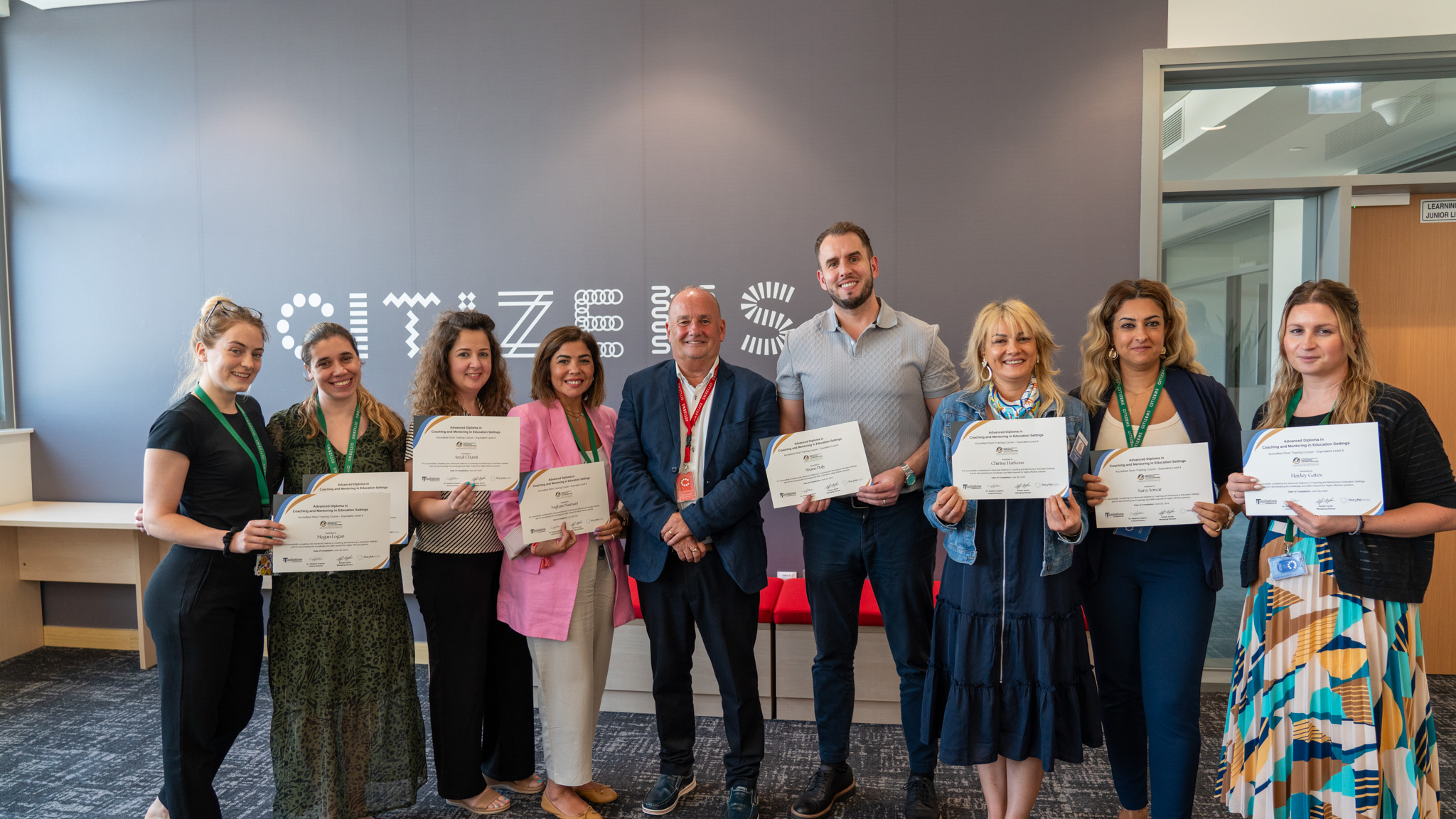
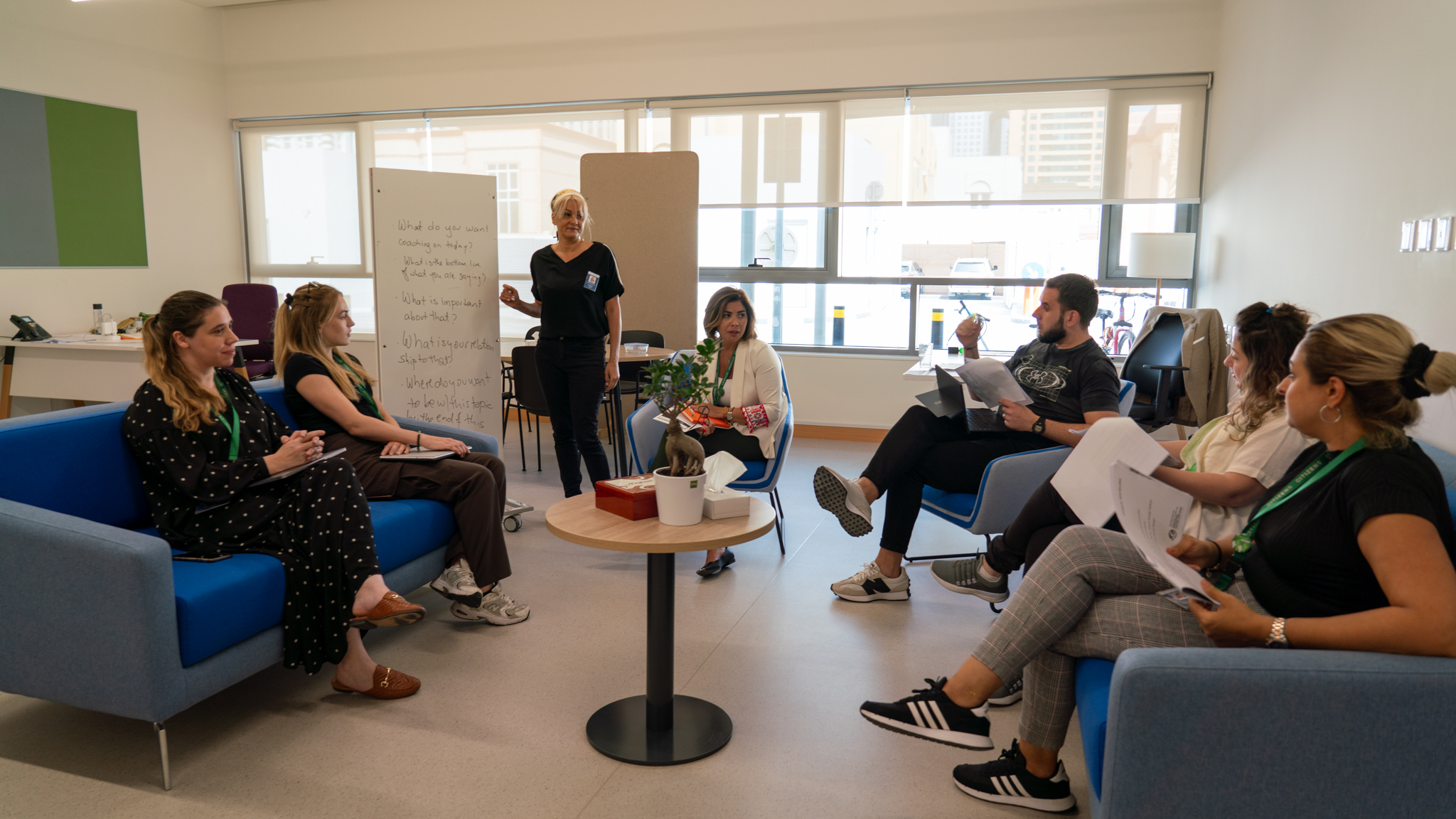
    Eight participants from Citizens School completed the ‘Advanced Diploma in Coaching and Mentoring in Educational Settings’ on 28 June 2024, marking the end of a transformative six-month journey.

    Citizens School is proud to be the first institution globally to implement this programme, reaffirming its commitment to redefining education by prioritising educators as coaches and mentors. Citizens recognises the vital role mentors play in transforming education. By emphasising coaching and mentoring as a pedagogical approach, trained mentors empower learners with essential life skills such as critical thinking, creativity, and confidence.

    Read more

  • Reimagining Education: From Students to Learners at Citizens School  

    Reimagining Education: From Students to Learners at Citizens School  

    Hi Everyone ! Welcome to my blog, delving into the future of education and specifically the distinction between students and learners and how at Citizens School Dubai we intentionally do things differently and are at the forefront of this educational revolution. This commitment to Rethinking Education for the Future reflects our shift from traditional, lecture-based models to a learner-centred approach built around adaptability, creativity, and real-world application.

    Let’s start by defining our terms. What is the difference between a student and a learner? 

    A  student is often seen as someone who attends classes, completes assignments, and passes exams. They follow a structured curriculum designed to impart a fixed body of knowledge. 

    A  learner, on the other hand, goes beyond this. A learner is someone who actively engages with the material, seeks out new knowledge, and applies what they have learned in real-world situations. Learners are curious, adaptable, and self-motivated. 

    Learners are motivated by an intrinsic desire to learn, to grow, to discover. Students do what they are told when they are told (mostly!) 

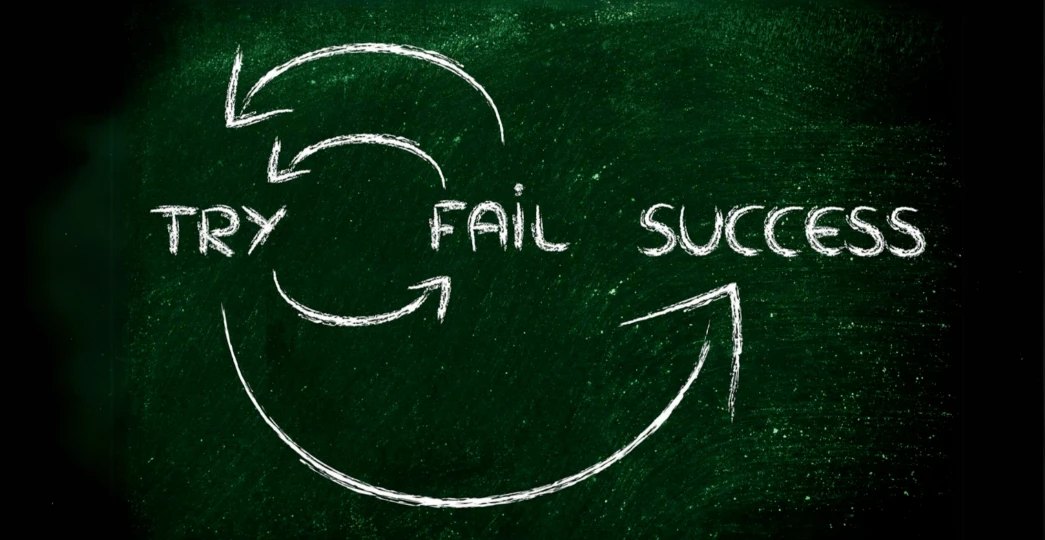
    Learners strive and often have a number of ‘messy’ attempts, failures and hit deadends that cause them to re-evaluate, think critically and problem solve, that then leads them to greater insights. Students on the other hand strive for perfection. 

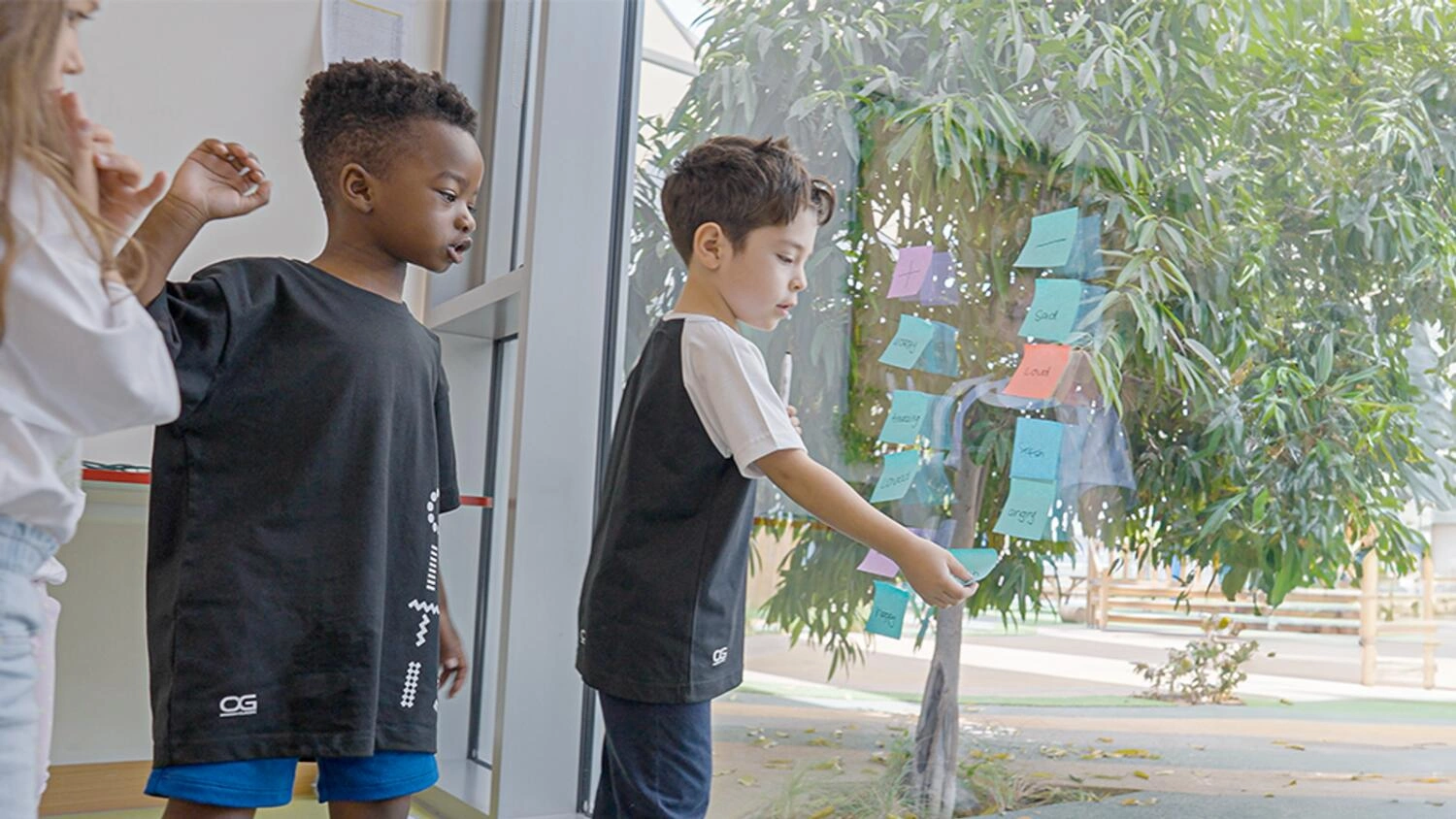
    Learners chafe at overly restrictive directions. They revel in the fuzzy boundaries and uncharted territory. This spirit of exploration is actively nurtured through Innovation at Citizens School, where creative thinking and structured problem-solving approaches empower learners to transform ideas into meaningful solutions. Students minimize risks by following directions. The clearer the directions, the better. 

    The learner sees mastery as a continual and deepening practice, with mastery an elusive but worthwhile pursuit. The student associate’s mastery with passing the test. 

    The Need for Learners in Today’s World: 

    The world we live in today is characterised by rapid technological advancements and ever-evolving industries. According to studies, the technical knowledge we gain today has an increasingly short half-life. This means that much of what students learn in traditional settings becomes obsolete quickly. 

    In this dynamic environment, it is not enough to simply know; one must learn how to learn, unlearn, and relearn. The world demands quick adaptation and creative problem-solving. Known answers are in short supply, and the ability to think critically and innovate is paramount. This is where Entrepreneurship in Education becomes essential, as it nurtures initiative and confidence to turn ideas into meaningful action.

    At Citizens School , we recognize that each child is unique, with their own strengths, interests, and learning styles. At Citizens School, we recognize that each child is unique, with their own strengths, interests, and learning styles. This personalised approach is supported by Reimagining the Role of Educators, where teachers act as mentors who guide, question, and coach learners to think critically and grow independently. 

    Our curriculum integrates the latest technological tools and innovative teaching methods. This not only keeps our learners up to date with current trends but also prepares them for future technological advancements, including developing entrepreneurship skills such as adaptability, leadership, resilience, and critical thinking.

    We encourage a growth mindset in our learners, fostering resilience and a love for continuous learning. Mistakes are seen as opportunities for growth, and challenges are embraced as part of the learning journey. 

    We are creating a school culture in which being a learner is more valuable than being a student. We engage and facilitate ways for learners to learn anyplace anytime and remove the concept that you only learn in a classroom environment. This broader vision aligns with Holistic Child Development, where intellectual growth is balanced with emotional well-being, physical health, creativity, and social development.

    At Citizens we achieve this by active collaboration and feedback from others, designing learning experiences based on our learner’s passions and interests.  

    So, as we move further into the 21st century, the demand for learners, not just students, is more critical than ever. Citizens School Dubai is not just preparing students for exams; we are cultivating learners who will thrive in an ever-changing world. 

    Thank you for taking the time to read this. 

    By David Lees
    Head of Secondary – Vice Principal

  • Reimagining the Role of Educators: Mentors at Citizens School 

    Reimagining the Role of Educators: Mentors at Citizens School 

    At Citizens School, we are committed to transforming education by redefining the role of teachers as mentors. In a world that is constantly evolving, knowledge is now easily accessible to all, thanks to the internet and digital resources. Therefore, we view teachers not merely as transmitters of knowledge but as dynamic mentors who guide learners to effectively utilise the abundant information. 

    With the rise of AI and the overwhelming amount of information accessible, it is crucial for learners to become critical thinkers. Our mentors help learners develop the ability to question, evaluate, and synthesize information, ensuring they know what to use and what to leave behind. They focus on teaching learners the skills to analyse and interpret data, and to make informed decisions.  

    Our mentors prepare learners to navigate through complexities of the modern world by cultivating these critical thinking skills. They equip learners with the necessary tools to harness the power of knowledge, apply it effectively, and adapt to new challenges. In alignment with our vision and ethos, this approach equips learners to thrive in a rapidly changing environment, ready to contribute thoughtfully and innovatively to their communities and beyond. 

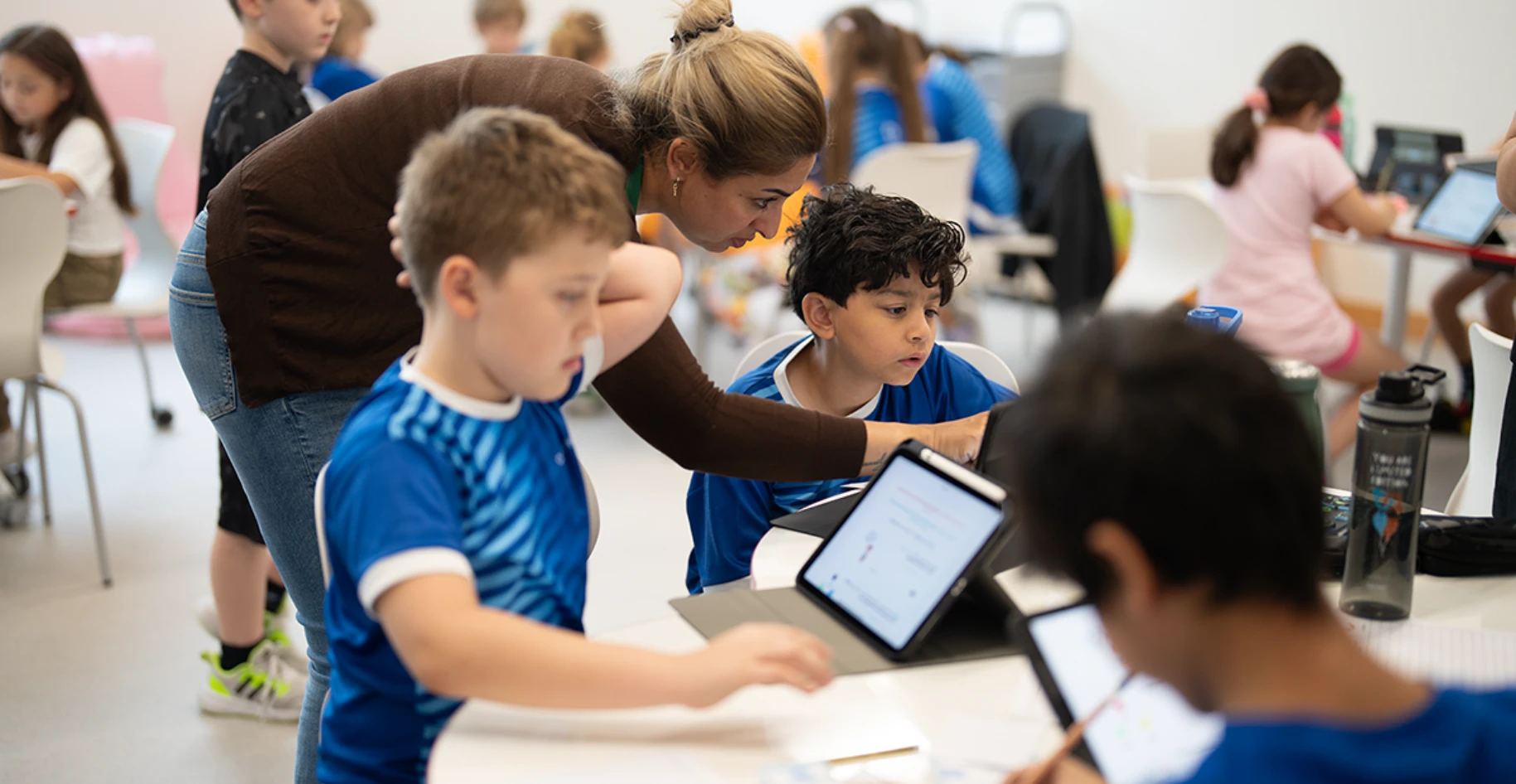
    Mentors at Citizens School play a crucial role in empowering learners to take charge of their educational journey by adopting a coaching approach: they provide guidance, encouragement, and inspiration, to enable learners to set their own educational objectives and navigate their learning paths. This shift reflects the broader transition described in From Students to Learners at Citizens School, where education moves beyond passive instruction and encourages curiosity, independence, and real-world application of knowledge.  

    Mistakes are viewed as valuable learning opportunities, cultivating a growth mindset that emphasises perseverance and continuous improvement. Constructive feedback from mentors creates an inspiring classroom environment where learners feel safe to express their ideas and take risks. This feedback helps learners understand their strengths and areas for improvement, encouraging them to view obstacles as opportunities. By providing specific, actionable advice, mentors guide learners in developing their skills and confidence, creating a culture of continuous learning and self-improvement. This supportive atmosphere enhances academic performance whilst building resilience and a powerful sense of self-efficacy. 

    In our coaching-oriented educational paradigm, powerful questioning and active listening are essential skills mentors’ possess. Mentors use thought-provoking questions to ignite curiosity, encouraging learners to think critically and explore ideas independently,an approach closely aligned with Entrepreneurship in Education, where initiative, creativity, and problem-solving help learners turn ideas into meaningful action. Active listening, involves understanding emotions, identifying unspoken thoughts, and validating learner experiences. By practicing active listening, mentors understand learner’s unique perspectives, promoting a sense of validation and support. This transforms the classroom into a vibrant hub of exploration and discovery. 

    Empathy is another cornerstone of our mentoring approach. Empathetic questions address student concerns and goals, building trust, encouraging open dialogue and personal growth. This empathetic connection helps learners navigate their educational journey with confidence. 

    Our mentoring approach extends beyond the classroom, instilling a lifelong passion for learning. By embracing their roles as teachers and coaches, mentors at Citizens School inspire the thinkers and dreamers of tomorrow, shaping a bright and promising future in education. 

    By Nagham Naamani
    Vice Principal

  • A Paradigm Shift in Education

    A Paradigm Shift in Education

    Traditional methods of learning – textbooks, exams and lectures have long been the standard approach to education. In today’s rapidly changing world, the need for a more adaptable educational model has become evident.

    Citizens School represents a breath of fresh air for those seeking a dynamic, learner focused and experiential way of learning. Founded with a vision to offer students (learners) a transformative educational journey, we stand as a catalyst for change in UAE’s educational landscape.

    While traditional schooling has its merits, we believe in a more innovative approach that builds on the existing educational practises. Citizens School cultivates a flexible and adaptable learning environment that empowers learners to deepen their academic understanding and develop essential life skills while creating a lifelong passion for learning. Our curriculum promotes inclusive and engaging project-based learning that supports intellectual, social, and emotional development, preparing learners to thrive in the 21st century workforce.

    ‘One-size-fits-all’ has been the hallmark of traditional schooling, where teacher led instruction and passive student roles dominate the classroom. Heavy reliance on tests and exams as a measure of success has reinforced a culture of memorisation over critical thinking and problem-solving skills.

    In contrast, Citizens offers personalised learning pathways tailored to the unique needs, interests, and learning styles of each learner. By bridging classroom teaching with real world applications, our model encourages active engagement, practical knowledge application, and the development of critical thinking & problem-solving skills. At the heart of our curriculum lies a strong emphasis on Entrepreneurship. Through projects, experiments, hands on learning, we encourage learners to think critically, take calculated risks and develop a growth mindset. These essential skills help shape the innovators of tomorrow, ready to tackle challenges and embrace opportunities of the future.

    At Citizens we also recognise the invaluable role of Mentors, as architects of a holistic educational experience that goes beyond textbooks and academic success. They guide the overall development of our learners and create a learning environment that nurtures talent and moulds children with an adaptable, future-ready skills and mindset.

    Representing a fundamental shift in the approach to education, we offer a compelling alternative to the traditional learning model, one that could revolutionise the way we perceive education in the years to come. At Citizens, we take pride in reimagining education and empowering our learners to become responsible global citizens, adept problem solvers and innovative thinkers.

    By Nagham Naamani
    Vice Principal

  • Innovation at Citizens School

    Innovation at Citizens School

    The ability to innovate is not just an advantage; it is a necessity. At Citizens School, we  meet this challenge head-on by integrating innovation skills into our curriculum, fostering creativity and adaptability in our learners. By thinking laterally and exploring new ideas, we aim to create a culture where creative thinking thrives. This process begins with equipping our mentors with the tools they need to allow children the freedom to experiment and take risks.

    Providing opportunities for creativity leads to ideas or inventions, which can then be developed into innovations. Through projects, prototypes, or new methods, learners inventive activities bridge the gap between imagination and practical application, and learners also understand the importance of embracing failure as part of the learning process. These inventions then become the foundation for broader innovations, influencing how we solve problems, improve processes, and enhance everyday life.

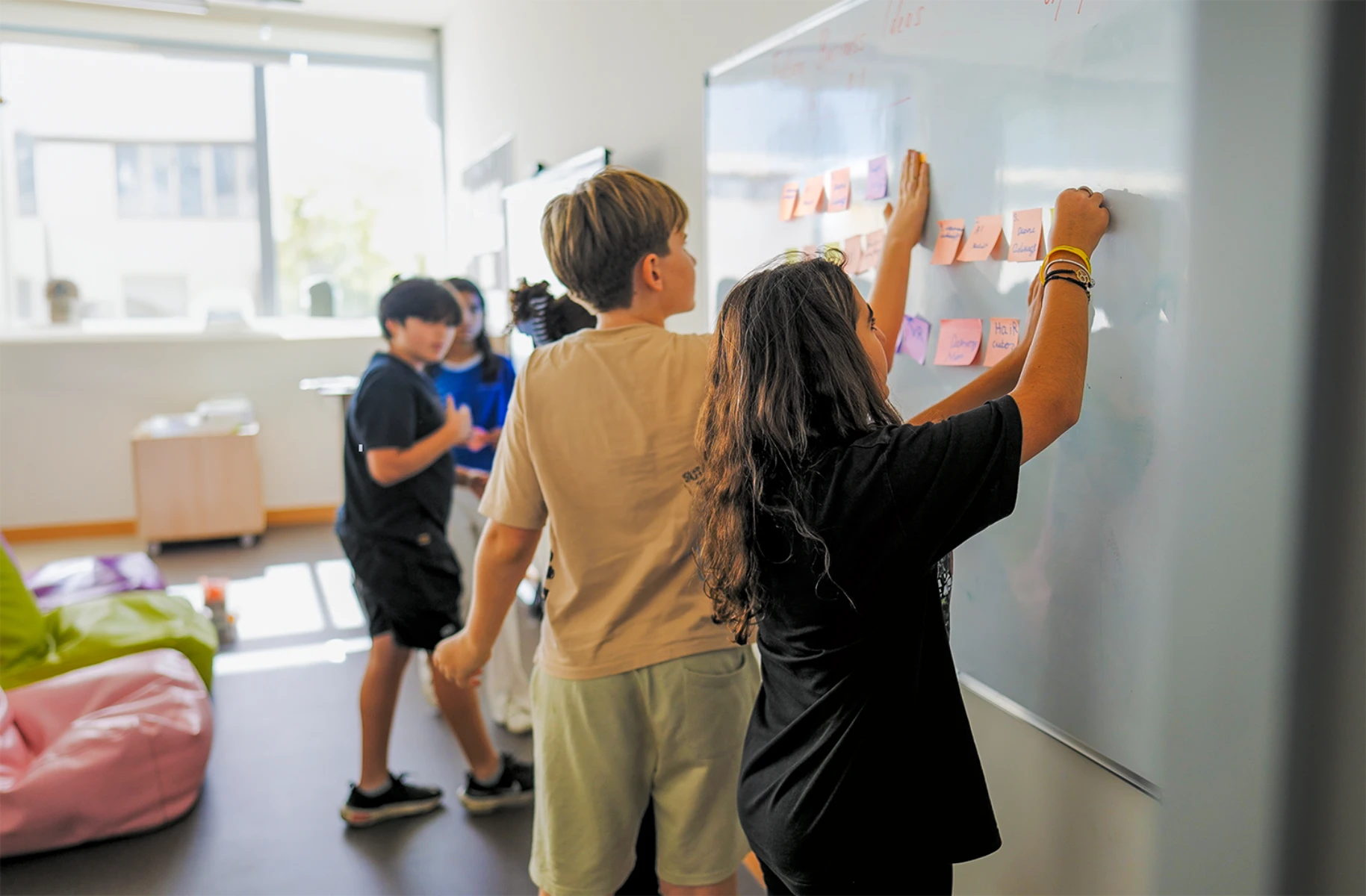
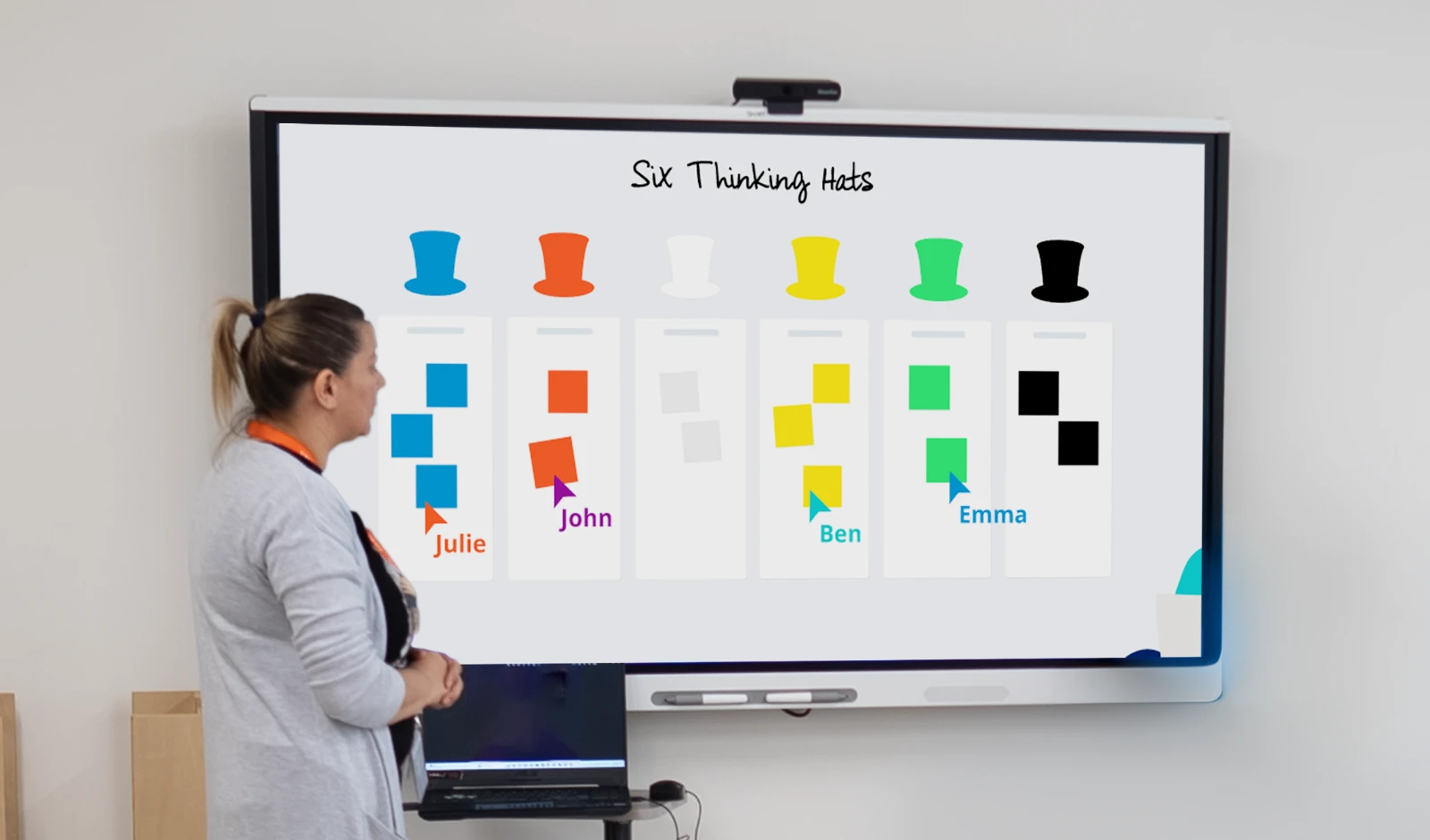
    We encourage our teachers, who we call mentors, to incorporate creativity into the classroom. I recently ran an innovation workshop highlighting a range of creativity tools, specifically focusing on De Bono’s Six Thinking Hats and Design Thinking. Both methods adopt a human-centered, empathetic approach to problem-solving, crucial for developing emotional intelligence and diverse perspectives.

    The mentors were split into groups and given a challenge to solve. Each member was given a hat, representing a different mode of thinking: factual (White Hat), emotional (Red Hat), critical (Black Hat), positive (Yellow Hat), creative (Green Hat), and managerial (Blue Hat). When employed in the classroom, this technique enhances learners’ ability to think comprehensively and collaboratively, enabling them to address complex problems by considering multiple perspectives. It also develops their ability to switch thinking styles, improving cognitive flexibility and teamwork.

    Design thinking incorporates the stages of empathising, defining, ideating, prototyping, and testing. It encourages learners to understand user needs deeply, fostering empathy and promoting innovative solutions tailored to real-world problems while helping them develop essential entrepreneurship skills. This iterative process develops resilience and adaptability, reacting to feedback and continuously improving ideas.

    Understanding the balance between innovation and consolidation is critical, as illustrated in Clayton Christensen’s “The Innovator’s Dilemma.” This concept teaches that while it is essential to pursue groundbreaking innovations, it is equally important to consolidate and strengthen the existing systems. Schools must decide when to innovate, stay ahead and when to consolidate to maintain stability. By recognising the right moments to embrace disruptive changes and to reinforce current practices, educators can create a balanced environment that nurtures sustained growth and innovation. This delicate balance ensures that educational institutions remain dynamic and forward-thinking while providing a stable foundation for student development.

    The innovation workshop was the first in a series of professional development sessions to ensure that we deliver on our promise to ‘Reimagining Education’. We are committed to integrating cutting-edge technologies and fostering a culture of continuous innovation to prepare our students for the challenges of the future. This dedication to technological advancement and innovative practices ensures that our learners are ready to face the future and equipped to shape it.

    By Dr. Terry McAdams

    Vice Principal

  • Citizens School and Incyte International Initiate Mentor-Driven Learning to Redefine Education

    Citizens School and Incyte International Initiate Mentor-Driven Learning to Redefine Education

    Marking a significant milestone, Citizens School, in collaboration with Incyte International and Dr. Stephen Hopkins offers the Advanced Diploma in Coaching and Mentoring for Educational Settings to its faculty. Upon completion, mentors will receive an Advanced Diploma in Coaching and Mentoring in Educational Settings, accredited as a Level 4 equivalent by the International Authority for Professional Coaching & Mentoring (IAPCM). 

    Read more

  • Traditional Education Versus the Citizens Approach: Rethinking Education for the Future

    Traditional Education Versus the Citizens Approach: Rethinking Education for the Future

    The purpose of education has changed significantly over the years. In the past, it focused on teaching basic skills that workers needed in an industrial age. However with rapid technological advancements and AI, the skills needed to succeed in the workplace are changing, and so should our approach to education as schools increasingly focus on developing future skills for children such as critical thinking, creativity, and adaptability.

    Citizens School was built with the vision of Reimagining Education education to align with global changes. The goal is to provide children with a holistic experience that prepares them for future success. This is done through Citizens’ Future Framework, a custom framework  based on the World Economic Forum that emphasises creativity, problem-solving, global understanding, and business skills. The framework revolves around project-based learning and hands-on activities to promote collaboration and communication among learners. By focusing on real-world application of knowledge and skills, Citizens School prepares learners for success and well-being in the future.

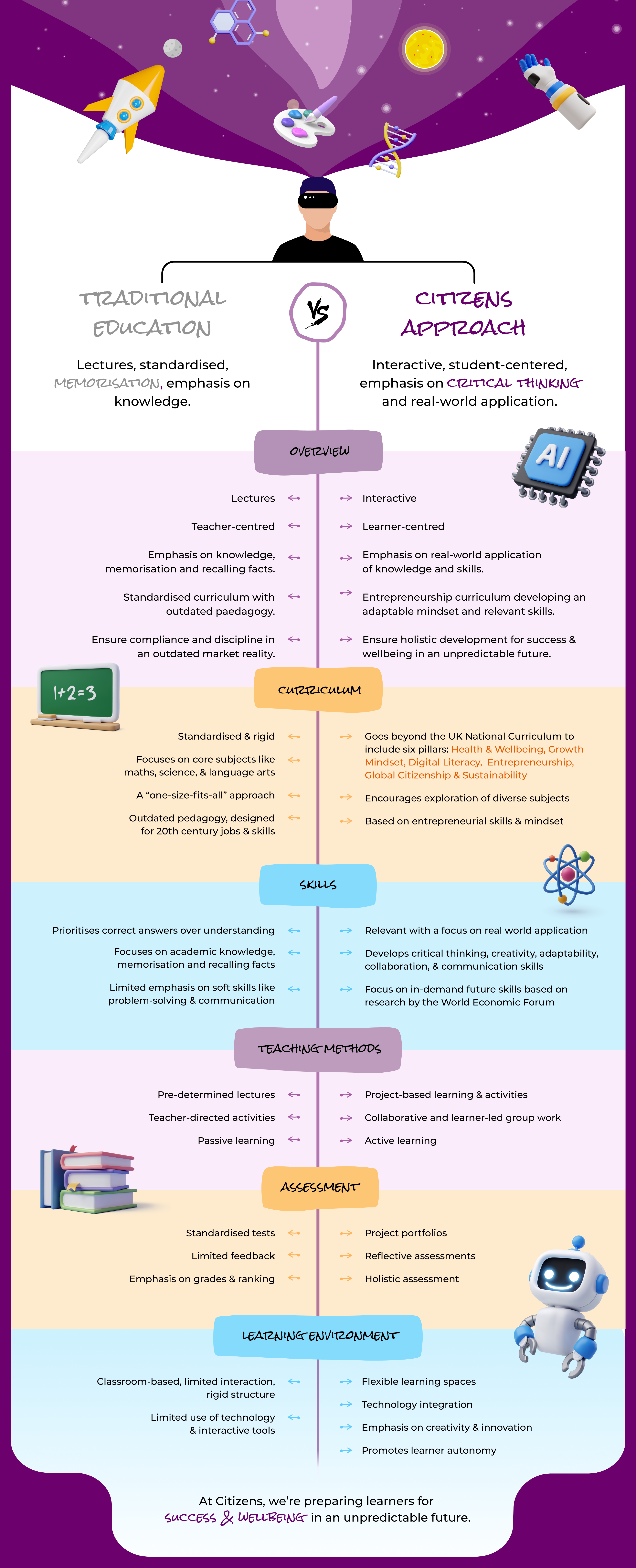
    An Overview of the Traditional Approach and Citizens’ Approach

    The Traditional Approach
    Traditional education focuses on imparting basic skills and knowledge through lecture-based teaching. The classroom is teacher-centred and the emphasis is on memorisation and recalling facts. Students are evaluated primarily through standardised tests and grades, with a rigid curriculum designed for the traditional workforce. 

    The Citizens Approach
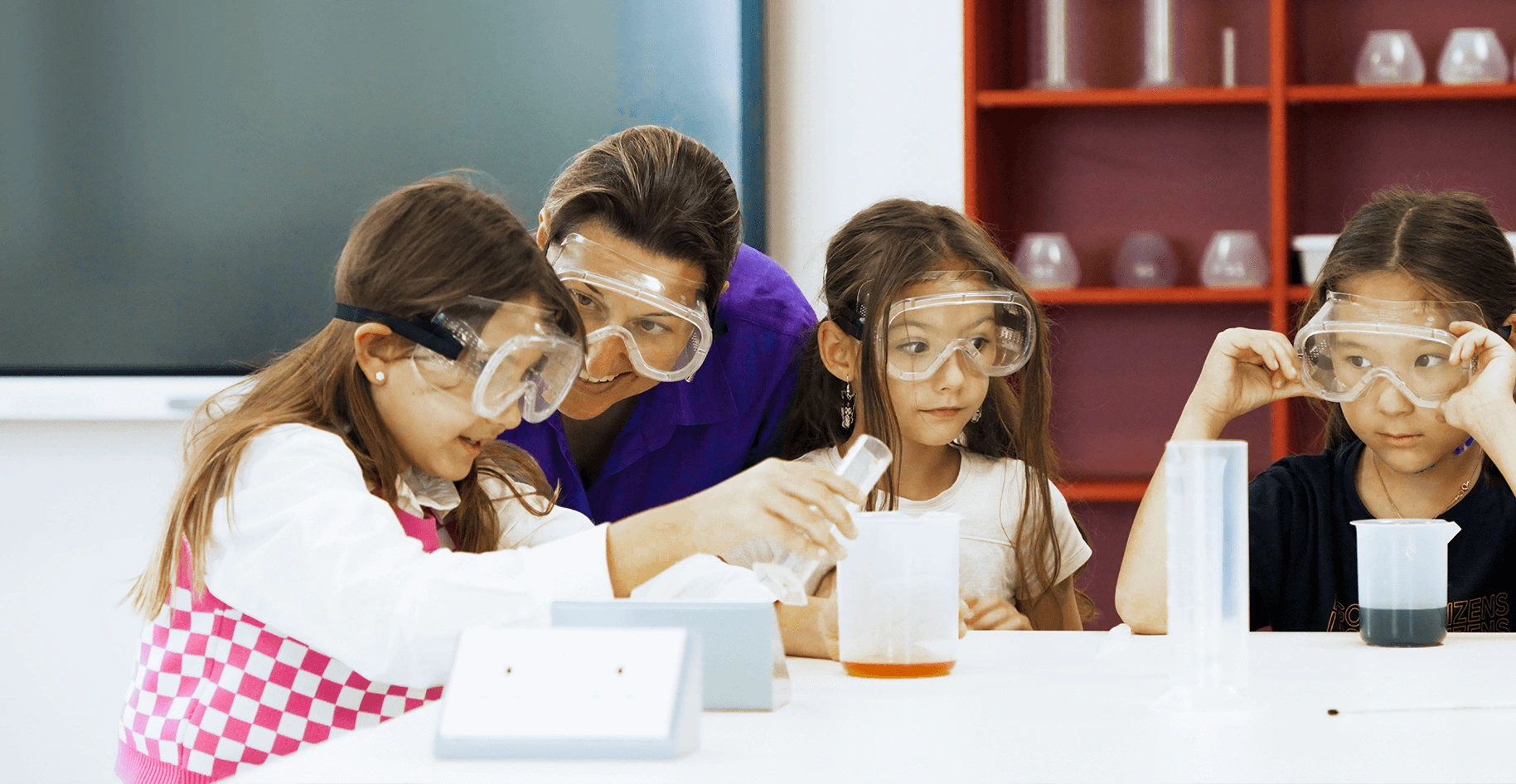
    At Citizens School, we take a learner-centred approach that goes beyond the traditional curriculum. Our approach emphasises the real-world application of knowledge and skills, with the goal of preparing learners for success and well-being in an unpredictable future. We help learners develop a resilient and adaptable mindset through hands-on experiences and collaborative projects, and we focus on critical thinking, creativity, and adaptability.

    Key Differences Between the Traditional and Citizens’ Approach

    Teaching Methods
    Traditional education relies on teacher-directed instruction and passive learning. In contrast, the Citizens Approach promotes active learning through project-based activities and collaborative group work, reflecting principles of inquiry-based learning that foster creativity and innovation.

    Assessment
    Traditionally, students are evaluated with standardised tests and grades. At Citizens School, we assess learners through project portfolios, presentations, and reflective assessments. We focus on celebrating growth and learning from our mistakes.

    Learning Environment
    Traditional classrooms are usually set up with limited interaction and a rigid structure. At Citizens School, we provide flexible learning spaces that integrate technology, and we emphasise creativity, innovation, and learner autonomy.

    Subject Matter
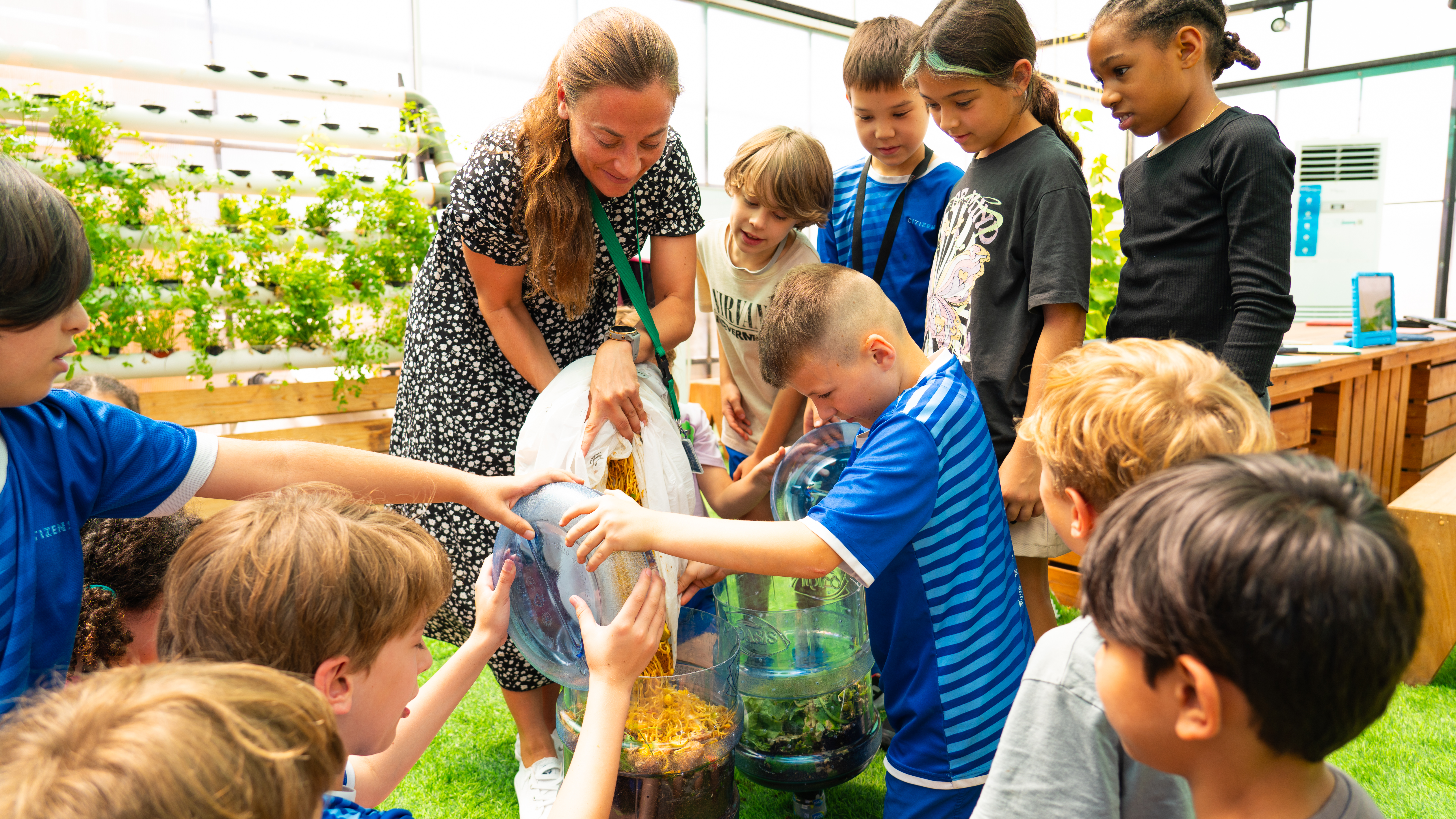
    Traditional education focuses on core subjects like maths and language arts. The Citizens Approach extends beyond the core subjects to include the six pillars of the Future Framework: Health and Wellbeing, Growth Mindset, Digital Literacy, Entrepreneurship, Global Citizenship, and Sustainability. Learners engage in entrepreneurship projects where they gain valuable skills in communication, teamwork, and innovation, reflecting the growing importance of Entrepreneurship in Education in our approach.

    Building the Future
    The Citizens Approach represents a new direction in education. By focusing on relevant skills and preparing learners for real-world challenges, Citizens School is redefining education for the future.

    To see how the Citizens Approach in action, contact us at +971 50 237 7273 or future@citizens.me.

    Building the Future
  • Building Tomorrow – Why Entrepreneurship Matters More Than Ever

    Building Tomorrow – Why Entrepreneurship Matters More Than Ever

    In today’s digital-first world, technology is moving us forward at a speed we haven’t seen at any time before. These advancements are transforming all areas of life, especially in how we work.

    According to a 2018 study by Dell Technologies and the Institute for the Future, 85 per cent of jobs expected to exist in 2030 have not yet been created. Fast forward to 2024, halfway to that milestone, and the rapid changes seen in the last six years leave us speculating about the future job market.

    Read Full Article on Khaleej Times

  • Why Embracing Failure Develops Resilience and Innovation

    Why Embracing Failure Develops Resilience and Innovation

    As C.S. Lewis once said, “Failures are finger posts on the road to achievement.” Successful entrepreneurs persevere after failure, knowing that mistakes lead to innovation.

    According to the U.S. Bureau of Labor Statistics (BLS), the failure rate for new businesses is significant—20% fail within the first two years, 45% within the first five years, and 65% within the first 10 years. These statistics underscore the mindset and character required for entrepreneurial success.

    History is filled with examples like Steve Jobs, Walt Disney, Vera Wang, and Richard Branson, who faced failures before achieving great success. Sir James Dyson spent 15 years making over 5,000 prototypes to perfect his bagless vacuum. The key lesson from these entrepreneurs is the importance of resilience and the willingness to take risks.

    At Citizens School, we aim to instil an entrepreneurial mindset in learners and believe in creating an environment where failure is not just tolerated but encouraged. This philosophy aligns closely with Entrepreneurship in Education, where initiative, resilience, and calculated risk-taking are embedded into the learning experience. Our approach is based on the idea that failure is a crucial part of learning, growth, and eventual success, helping to build a strong growth mindset in kids.

    Encouraging Perseverance

    In many traditional schools, mistakes are seen as something to avoid. However, we see mistakes as an important step towards innovation and success. When learners are empowered to take risks, try new ideas, and persevere even after failure, they develop resilience and learn valuable lessons that cannot be taught in a textbook.

    Developing Resilience

    By embracing failure, our goal is to develop resilience in our learners. Resilience means being able to bounce back from setbacks, adapt to challenges, and keep going when things get tough. When learners experience failure in a supportive environment, they learn to see setbacks as opportunities for growth, rather than roadblocks.

    Cultivating Innovation and Creativity

    Innovation often comes from trying new things and taking calculated risks. By encouraging learners to become risk-takers, we encourage a culture of innovation where learners are encouraged to think outside the box, challenge norms, and explore unconventional solutions. Failure becomes a natural part of the creative process, leading to breakthroughs and new ideas.

    Learning from Mistakes

    At Citizens School, we see mistakes as valuable learning opportunities. When learners fail, we encourage them to reflect on what went wrong, find ways to improve, and plan for future success. This reflective practice helps build self-awareness, critical thinking, and personal growth.

    Building Confidence

    By normalising failure, we help learners gain confidence in their abilities. When they understand that failure is a normal part of learning, not a judgement of their worth, they become more willing to take risks, pursue their interests, and set ambitious goals.

    Encouraging a Growth Mindset

    Our approach aligns with the concept of a growth mindset, developed by psychologist Carol Dweck. A growth mindset emphasises the belief that skills and intelligence can be developed through effort and persistence. By embracing failure, we promote a growth mindset among our learners, empowering them to tackle challenges and keep going despite setbacks. This philosophy reflects the broader shift From Students to Learners at Citizens School, where adaptability, curiosity, and lifelong growth are prioritised over perfection.

    At Citizens School, we recognise setbacks are stepping stones for growth, resilience, and innovation. By creating a supportive environment that encourages risk-taking and embracing lessons from failure, we empower learners to become confident, resilient, and innovative thinkers who are prepared to thrive in an ever-changing world.

  • Dubai-born school promotes future ready skills to reimagine future of learning in the UAE

    Dubai-born school promotes future ready skills to reimagine future of learning in the UAE

    Renowned for its innovative approach to education, Citizens School underscores the importance of reimagining traditional curricula to prepare learners for the future.

    Read more