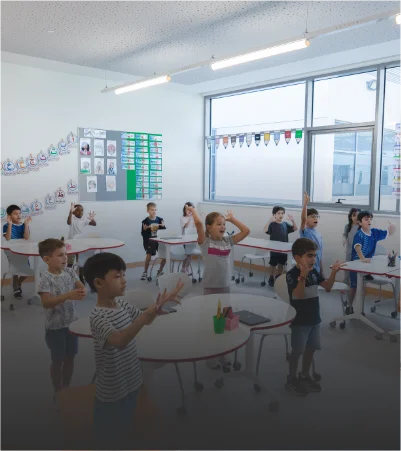
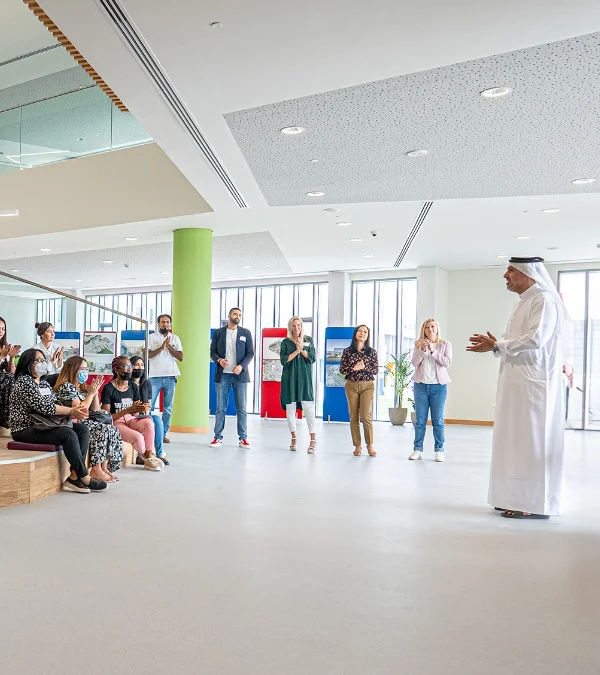




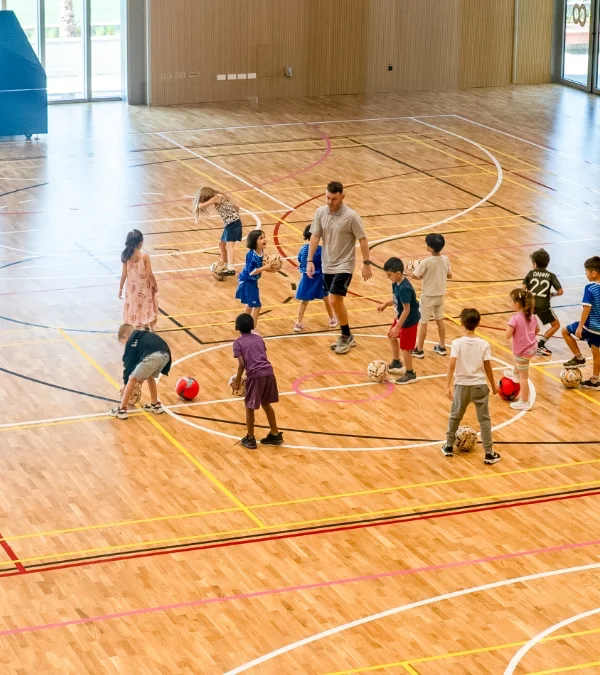

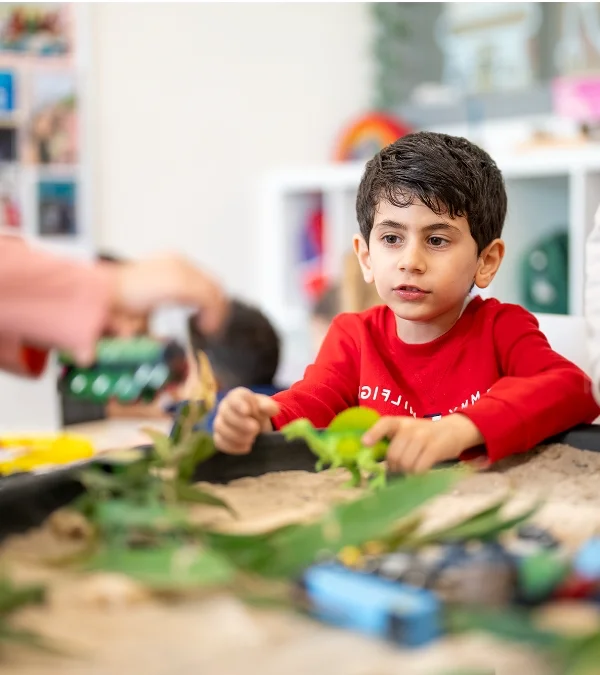
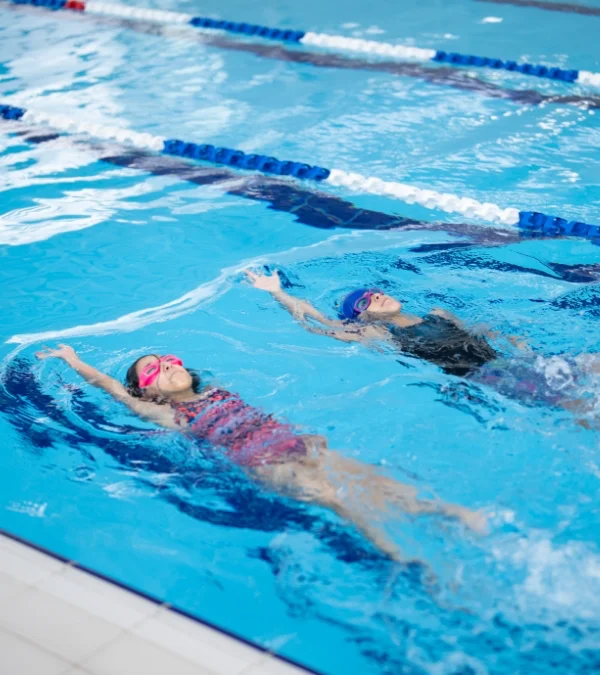
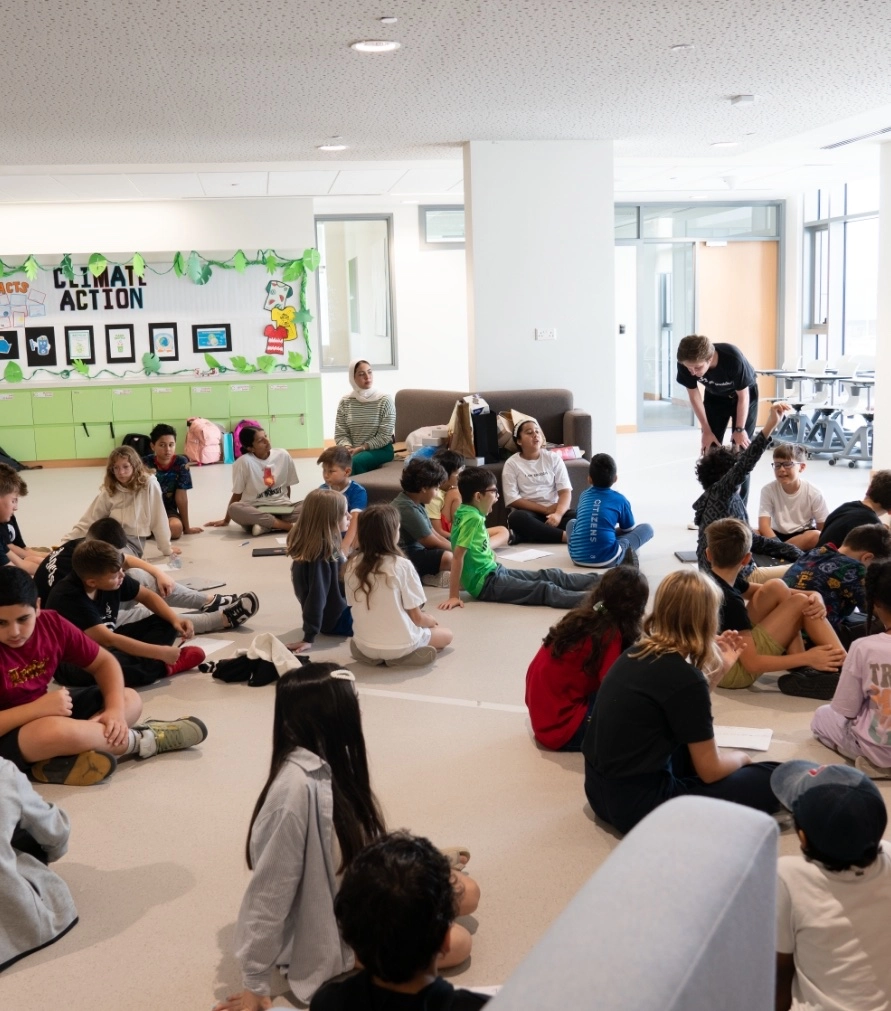
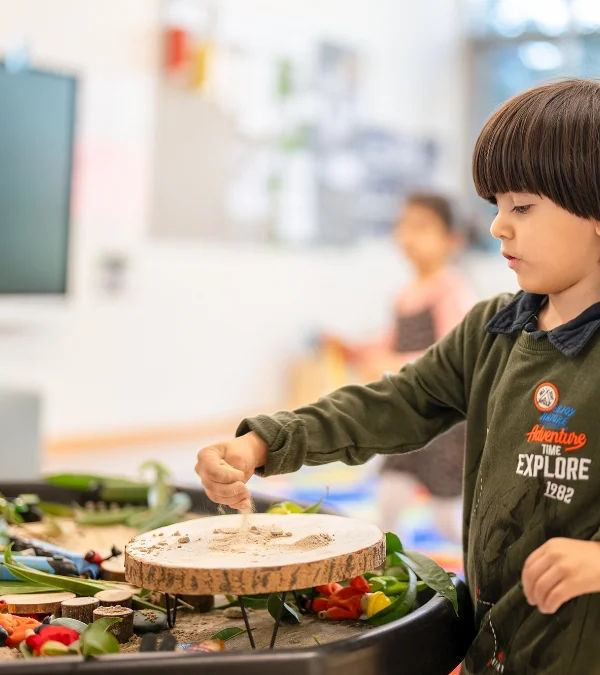
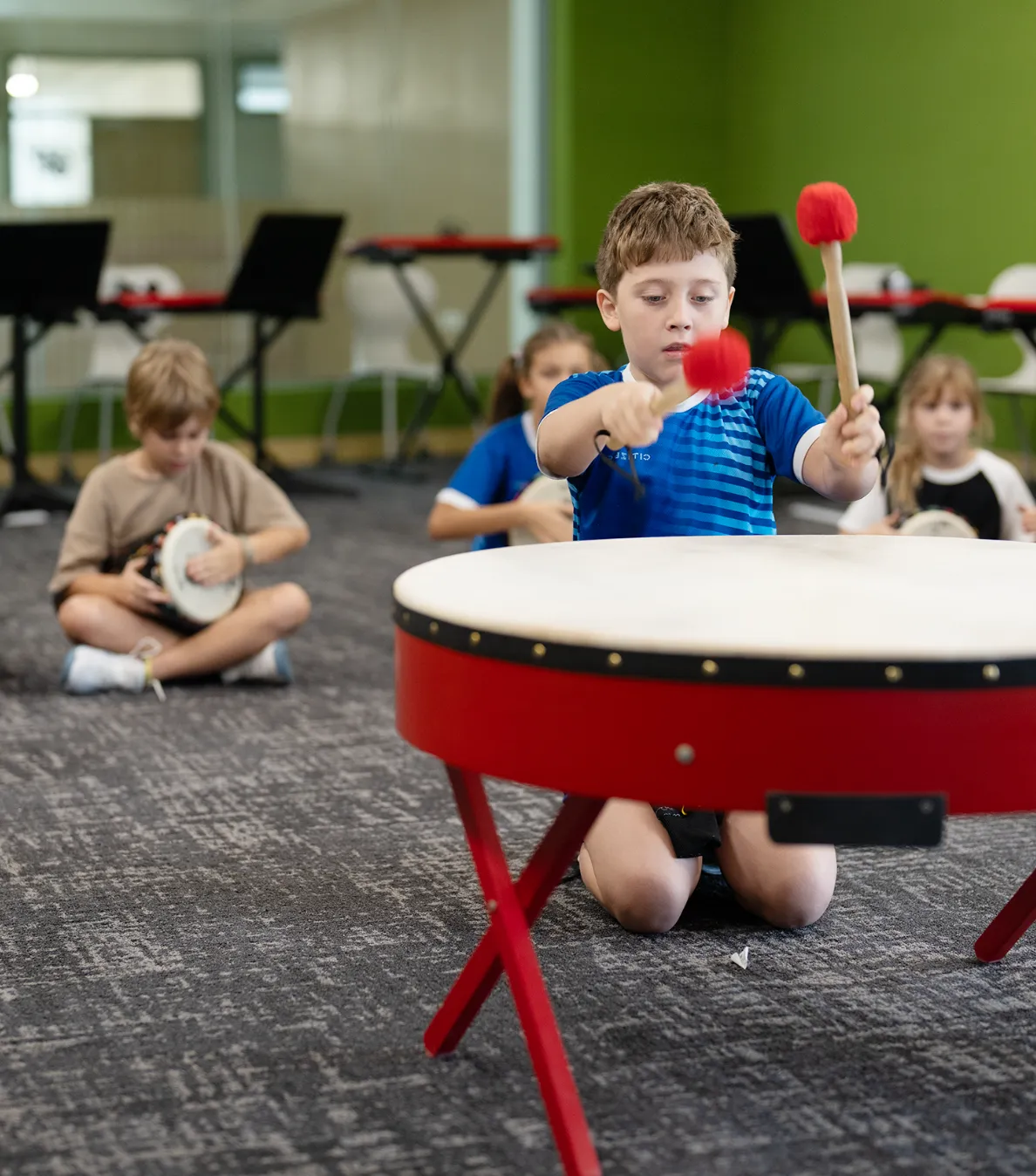
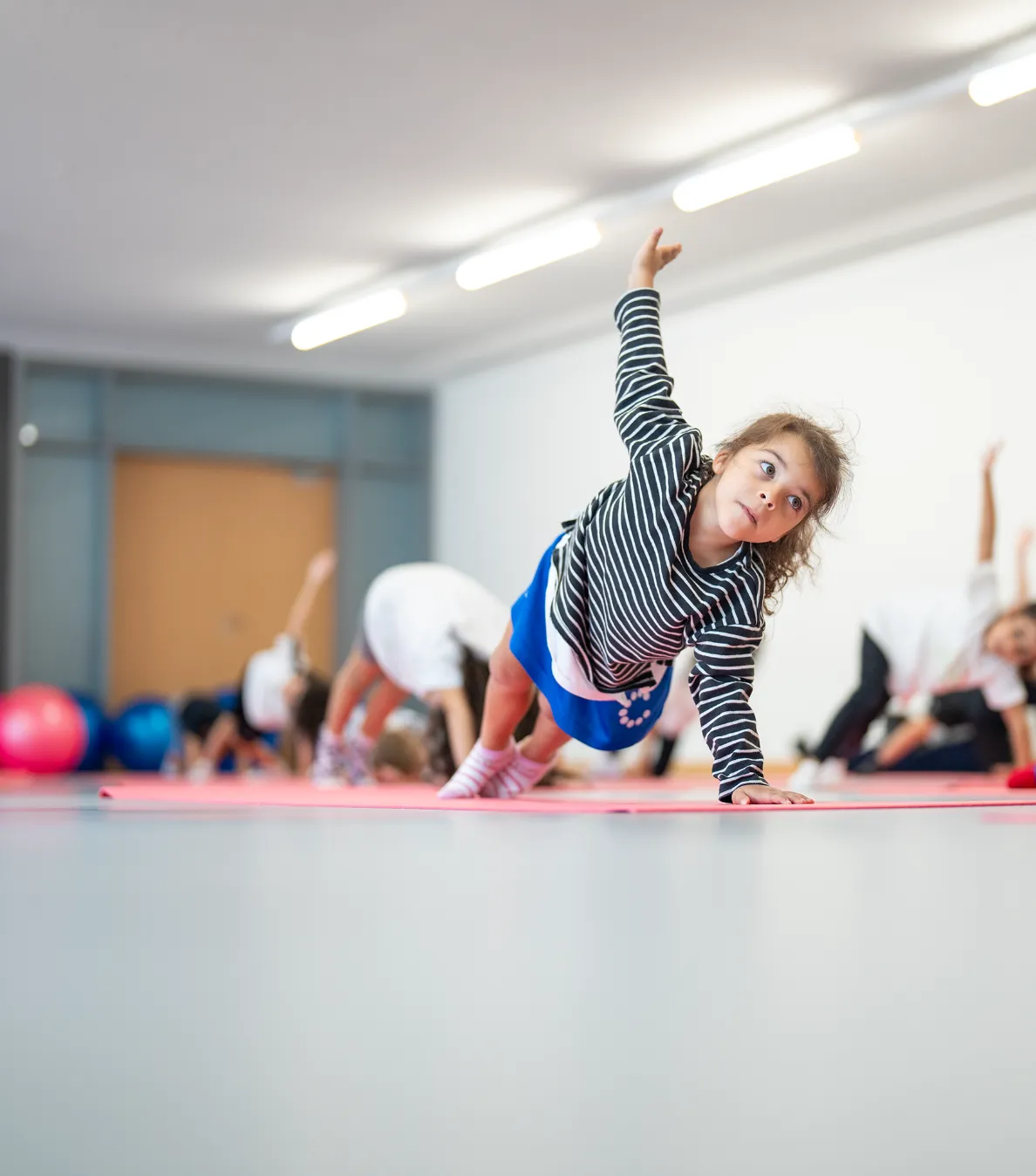






Citizens School has been recognised for its mindset-first, entrepreneurial approach to learning, earning COBIS accreditation and a ‘Good’ rating in its first KHDA inspection. As part of its continued innovation journey, the school is the first in the region to partner with Luma, embedding design thinking and real-world problem-solving across the curriculum. These milestones reinforce Citizens School’s commitment to developing future-ready learners through creativity, adaptability and purpose-driven education.
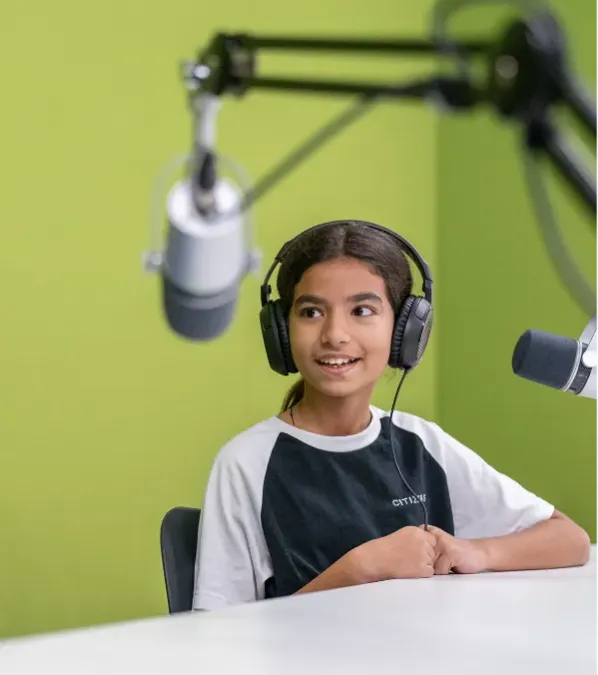
Welcome to the tenth episode of DisruptEd, offering a look into the future of education, in conversations with experts discussing research and real-world applications. The podcast, produced by Citizens School explores how breakthroughs in learning and teaching are shaping the way we prepare learners for the future.
In this episode, Dr. Adil speaks with Nadia Zaal — an Emirati entrepreneur, real estate innovator, and founder of Zaya Early Learning.
Together, they explore the ideas shaping the future of education and the lessons Nadia has carried from business into the classroom. Nadia shares her journey from real estate to early childhood education, highlighting how nature-focused, sustainable design transforms learning. She discusses why resilience and grit are as vital as academics, and explores how AI and new models could shape the future of schools and work. Her story underscores the importance of nurturing the whole child—physically, emotionally, and intellectually—while rethinking traditional education for today’s learners.
Children today are growing up in a world of rapid change. Advancements in technology, increasing academic expectations, social pressures, climate concerns, and global events are reshaping how young people experience childhood. These rapid shifts have a direct impact on their emotional, social, and physical health.
A recent study about anxiety-based disorders in the UAE revealed that 28% of school-aged adolescents experience anxiety-related disorders, well above global averages. Depressive symptoms affect 17% to 22% of youth, with up to one in three South Asian and one in five Emirati adolescents reporting such experiences.
The message is clear: learner wellbeing in Dubai schools is not optional, the foundation for thriving. When learners feel emotionally balanced, physically healthy, and socially connected, they learn more deeply, grow stronger and prepare for life, not just academic success.
Understanding Wellbeing in Schools
Wellbeing in schools must be seen through a holistic education lens. It goes beyond supporting children’s mental health to encompass emotional stability, physical health, and social belonging. A learner who feels safe, supported, and valued is more likely to engage deeply with academics and creative pursuits.
Studies highlight that positive wellbeing improves concentration, problem-solving skills, and academic outcomes. When children thrive emotionally and socially, they build the resilience needed to face challenges with confidence.
At Citizens School, this philosophy is embedded in daily practice: thriving learners are happy learners. Wellbeing is integrated into every aspect of school life so that children are prepared not just for tests, but for the future.
Challenges Today’s Learners Face
Children today are growing up in an environment shaped by rapid academic, technological, and social change. While these shifts present opportunities, they also generate significant pressures that negatively affect wellbeing.
- Academic competition continues to intensify, with learners often expected to excel across multiple disciplines.
- Digital overload and the influence of social media contribute to anxiety, sleep disruption, and feelings of inadequacy. Nearly 1 in 7 adolescents globally experiences a mental health disorder, often linked to digital exposure.
- Reduced unstructured play and limited outdoor activity hinder physical health and creativity.
- Peer pressure and identity struggles add complexity to adolescence, often affecting self-esteem and belonging.
These challenges often overlap, making school-based mental health support essential.
How Schools Can Actively Support Wellbeing
Supporting learner wellbeing requires more than isolated programmes; it demands a whole-school culture where every child feels safe, valued, and equipped to handle challenges. Schools that integrate wellbeing into daily learning, relationships, and routines see long-term benefits in both academic outcomes and personal growth.
A. A Safe, Inclusive, and Supportive Environment
The foundation of wellbeing is safety. Schools must implement strong anti-bullying policies and cultivate an atmosphere where every learner feels accepted. At Citizens School, the principle Everyone Known & Known Well ensures that no learner is invisible. By fostering smaller communities within the school, learners build stronger bonds and feel genuinely recognised.
Peer mentoring programmes and buddy systems can further reinforce a sense of belonging, helping younger or vulnerable learners navigate challenges with guidance from peers.
B. Embedding Wellbeing into the Curriculum
Wellbeing should be part of the learning journey. Lessons in mindfulness, stress management, and emotional regulation equip learners with tools to navigate pressures.
Inquiry-based learning reduces rote memorisation stress while encouraging curiosity and creativity. Schools that prioritise arts, music, and sports also give learners constructive outlets for self-expression, which supports children’s mental health as much as academic growth.
C. Strong Mentor-Learner Relationships
Mentors are often the first to notice when something is wrong. Training educators in emotional intelligence and active listening enables them to recognise early signs of stress or disengagement.
Regular one-on-one check-ins create safe spaces for learners to share concerns. Such practices build trust, making learners more likely to seek help when needed.
D. Balanced Technology Use
Technology is integral to modern education, but its overuse can be harmful. Schools can guide learners towards healthy online habits through structured digital literacy programmes.
Practical measures, such as scheduled screen-free times during the school day, remind learners of the value of face-to-face interaction and physical activity. Balancing digital and offline learning helps in building resilience in Dubai kids.
The Role of Parents in Supporting Wellbeing
While schools lay the foundation for wellbeing, parents play an equally critical role in reinforcing it at home. A strong partnership between families and schools ensures that children receive consistent support across environments.
- It is crucial to maintain open communication and encourage children to express their feelings.
- Supporting balanced routines that include adequate rest, play, study, and social interaction is crucial.
- Acting as role models for managing stress, practising self-care, and maintaining digital discipline.
By combining these, parents can nurture an environment where strategies for learner wellbeing become a shared responsibility and children feel supported both inside and outside the classroom.
Collaborating with the Wider Community
Connecting with the broader community strengthens a school’s efforts. Inviting mental health professionals for workshops can equip learners and parents with practical strategies.
- Partnerships with mental health professionals: Inviting psychologists, counsellors, and child development experts for workshops provides mental health support to Dubai learners.
- Engagement with sports and arts organisations: Research consistently shows that physical activity and creative outlets not only improve emotional health but also enhance focus and self-confidence. In Dubai, partnerships with community sports leagues and cultural institutions make these opportunities more accessible.
- Nature and sustainability programmes: Exposure to nature has been shown to reduce stress and boost overall well-being. Schools that collaborate with environmental organisations on gardening projects, clean-up drives, or sustainability initiatives connect learners with nature while fostering responsibility toward their surroundings, supporting holistic education. This aligns with the UAE’s focus on sustainability as part of its Vision 2031.
- Community service and social impact: Engaging learners in service projects instils empathy and a sense of purpose. Experiences such as volunteering with local charities, supporting refugee communities, or participating in neighbourhood initiatives broaden children’s perspectives, a key to supporting children’s mental health.
Citizens School’s Approach to Wellbeing
Citizens School places wellbeing at the core of its educational philosophy. Their approach integrates resilience, inclusivity, and empathy into every aspect of learning.
Key initiatives include:
1. Support for Learners
Citizens School integrates innovative programs that foster confidence, empathy, and resilience among its learners.
- Reading Dogs: A unique initiative where learners read stories to trained therapy dogs. This fun, low-pressure activity not only nurtures a love of reading but also helps improve fluency and builds confidence in a relaxed environment.
- Big Brother Big Sister Programme: Through this peer mentorship network, older learners (“Bigs”) support younger learners (“Littles”) by spending time together—whether through games, reading, or simple conversations. Littles gain guidance and friendship, while Bigs develop leadership, communication, and decision-making skills. The program strengthens relationships, fosters empathy, and cultivates a sense of belonging.
- Learner Ambassadors Programme: Select learners collaborate with the school’s marketing team, contributing to social media content and learning first-hand about communication and digital marketing. This initiative builds leadership, teamwork, and presentation skills while empowering learner voices.
- Learner Council: The Learner Council gives learners a platform to advocate for their peers. The learners’ council leads awareness assemblies and wellness events, organises peer-to-peer support, and helps improve the school environment. By involving learners in decision-making, the Council promotes accountability, respect, and positive behavioural change.
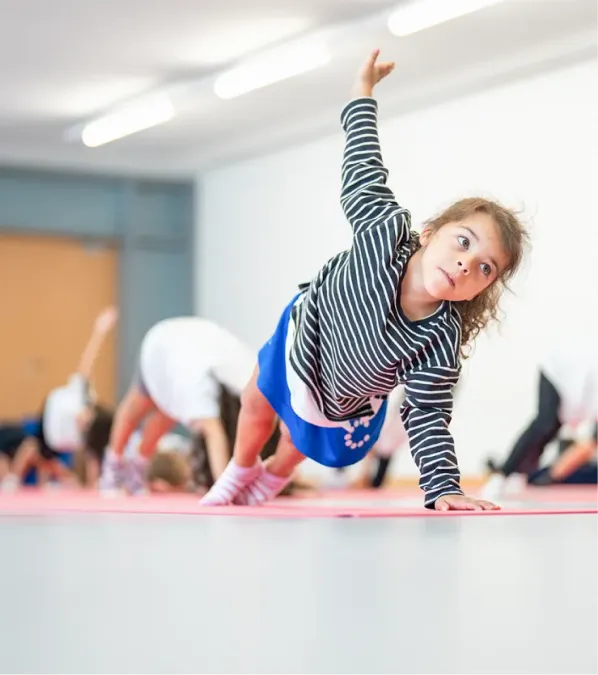
- Yoga: Recognising the mind-body connection, citizens integrate yoga into their school lives to help learners build mindfulness, reduce stress, and develop lifelong healthy habits.
2. Support for Staff
Citizens School understands that staff wellbeing directly influences the quality of education and community life. To this end, it offers:
- Language Classes (English, Arabic, French): By equipping staff with additional language skills, the school enhances communication with parents from diverse backgrounds and promotes cultural inclusivity.
- Flexi-Day (Paid Wellbeing Day): Staff are encouraged to maintain a healthy work-life balance through flexible work arrangements, including wellbeing days that allow them to recharge and manage personal commitments.
- Coaching and Mentoring in Educational Settings: Citizens invest in continuous professional growth by offering workshops, conferences, and online courses. Trained coaches also provide life coaching sessions, ensuring staff feel supported both personally and professionally.
3. Support for Parents
Wellbeing at Citizens extends to families, creating a collaborative and supportive ecosystem:
- Skill-Building Classes: Parents can participate in art, Arabic, and gym classes, fostering creativity, fitness, and cultural learning.
- Parent-Staff Sports Tournaments: Friendly competitions build camaraderie between parents and staff, strengthening bonds in a fun and engaging way.
- Workshops on Social, Emotional, and Mental Health (SEMH): Led by the school counsellor, these sessions equip parents with practical tools for supporting children’s mental health at home.
Conclusion
The world is evolving at a pace that demands adaptability, resilience, and emotional strength. Schools that prioritise wellbeing give children more than academic skills; they prepare them for life.
By embedding mental health support for Dubai learners, fostering resilience, and cultivating holistic education, schools create an environment where children thrive academically, emotionally, and socially.
At its heart, the mission is simple: a child who feels well is a child who can truly thrive.
Sustainability in Dubai schools is no longer a peripheral concern; it is a fundamental requirement of modern education. At its core, sustainable development in education means meeting the needs of today without compromising the ability of future generations to meet their own. Schools play a pivotal role in instilling this principle from an early age.
When children learn about energy conservation, waste reduction, and responsible consumption in their formative years, they are more likely to carry these practices into adulthood. Research highlights that environmental education helps learners develop not just knowledge but also the skills and values needed to address global challenges. Early exposure turns sustainability from an abstract idea into a daily practice.
At Citizens School, sustainability is a core value. By embedding it into teaching, infrastructure, and community life, the school prepares learners to think critically about their environment and act responsibly within it.
The Role of Schools in Building a Greener Future
Schools shape more than academic knowledge; they influence behaviours, priorities, and values that ripple across communities. When schools adopt green practices for Dubai schools, they become role models, showing learners and families how small actions can lead to meaningful change.
The role of sustainability in schools encompasses three key domains: curriculum, infrastructure, and culture.
- A curriculum that includes environmental education prepares learners to recognise and respond to ecological challenges.
- Infrastructure, such as energy-efficient classrooms and water-saving systems, reduces environmental impact while serving as live examples of applied learning.
- Culture includes daily routines, events, and community involvement, cementing sustainability as a way of life rather than a one-off initiative.
Citizens School exemplifies this holistic approach by blending academic goals with environmental responsibility. Whether through project-based learning, eco-friendly initiatives in Dubai education, or learner-led projects, the school ensures that sustainability is integrated into the learner’s journey.
Practical Steps Schools Can Take
Building a genuinely sustainable environment in schools means embedding eco-consciousness into everything. It’s about creating a culture where green actions are natural and not niche. Here’s how schools can bring that vision to life:
1. Curriculum Integration
One of the most effective practical steps for greener schools is through curriculum design. Environmental concepts should not exist in isolation but be woven into different subjects. For instance, mathematics lessons can include energy usage calculations, while art classes might encourage upcycling projects using discarded materials.
Project-based learning brings these ideas to life. Activities like waste audits, recycling drives, and neighbourhood cleaning campaigns teach learners how to analyse problems and design actionable solutions. These projects also foster teamwork and problem-solving which are essential future skills for children growing up in an increasingly complex world.
By connecting sustainability across subjects, schools avoid the pitfall of treating it as a “special topic” and instead present it as a central thread in everyday life.
2. Green Infrastructure
The physical environment of a school is a teaching tool in itself. Investing in green practices for Dubai schools demonstrates commitment while reducing operating expenses in the long run. Energy-efficient classrooms equipped with LED lighting and solar panels reduce emissions while teaching learners about renewable energy systems.
Water conservation is another critical area. Rainwater harvesting units, low-flow taps, and greywater recycling can reduce dependency on municipal water sources. Biodiversity gardens and green playgrounds enhance air quality and serve as living laboratories for biology lessons.
Learners internalise these practices as standard rather than exceptional when they observe that their classrooms are designed with sustainability in mind.
3. Daily Habits and School Culture
Culture cements commitment. Reducing single-use plastics in canteens, promoting paperless communication, and encouraging digital submissions all help cut waste while normalising eco-friendly practices.
Transport choices also matter. By encouraging walking, cycling, or carpooling, schools reduce emissions and promote healthier lifestyles. Such measures also foster community spirit among families.
Collectively, these practices cultivate a culture that not only teaches sustainability but actively embraces it.
How Families Can Support Sustainability at Home
School initiatives succeed when families reinforce them at home. Families can support promoting sustainability at home by making small but consistent changes in daily routines.
For instance, providing eco-friendly lunchboxes and reusable water bottles reduces plastic waste significantly over time. Setting up composting or recycling systems at home allows children to participate in waste management directly.
Parents can involve children in sustainable shopping decisions, such as choosing local produce or avoiding heavily packaged items. Even household challenges, like reducing electricity and water usage, can make eco-conscious behaviour engaging through gamification.
When families and schools align, children view sustainability as a shared responsibility rather than a school-only concept.
Linking Sustainability to Future Skills
Sustainable development in education is not only about environmental stewardship; it also prepares learners with future-ready skills. Tackling environmental challenges requires creativity, leadership, and problem-solving abilities, all competencies that a modern workforce demands and future-ready curriculum is designed to nurture in preparation for an innovation-driven world.
Sustainability also connects to global citizenship. Learners who understand the environmental consequences of their choices are better equipped to participate in global conversations and contribute to solutions aligned with the UN’s Sustainable Development Goals (SDGs).
By cultivating resilience, innovation, and ethical awareness, sustainability education nurtures competencies that extend well beyond environmental concerns. It prepares learners to navigate the complexities of a rapidly changing world, reflecting the broader shift From Students to Learners at Citizens School, where education is designed to build adaptability, critical thinking, and lifelong growth.
Citizens School’s Perspective
Citizens School takes sustainability beyond theory by turning it into tangible learning experiences.
Urban Farm Programme: Leading by Doing
One standout initiative is the Urban Farm Programme, which brings together eco-friendly initiatives in Dubai education that empower learners to understand, question, and act on environmental issues. From measuring energy use on campus to exploring waste reduction strategies, children actively participate in shaping a greener school. These projects build problem-solving skills, critical thinking, and a sense of ownership over sustainable change.
Sustainability in Everyday Routines
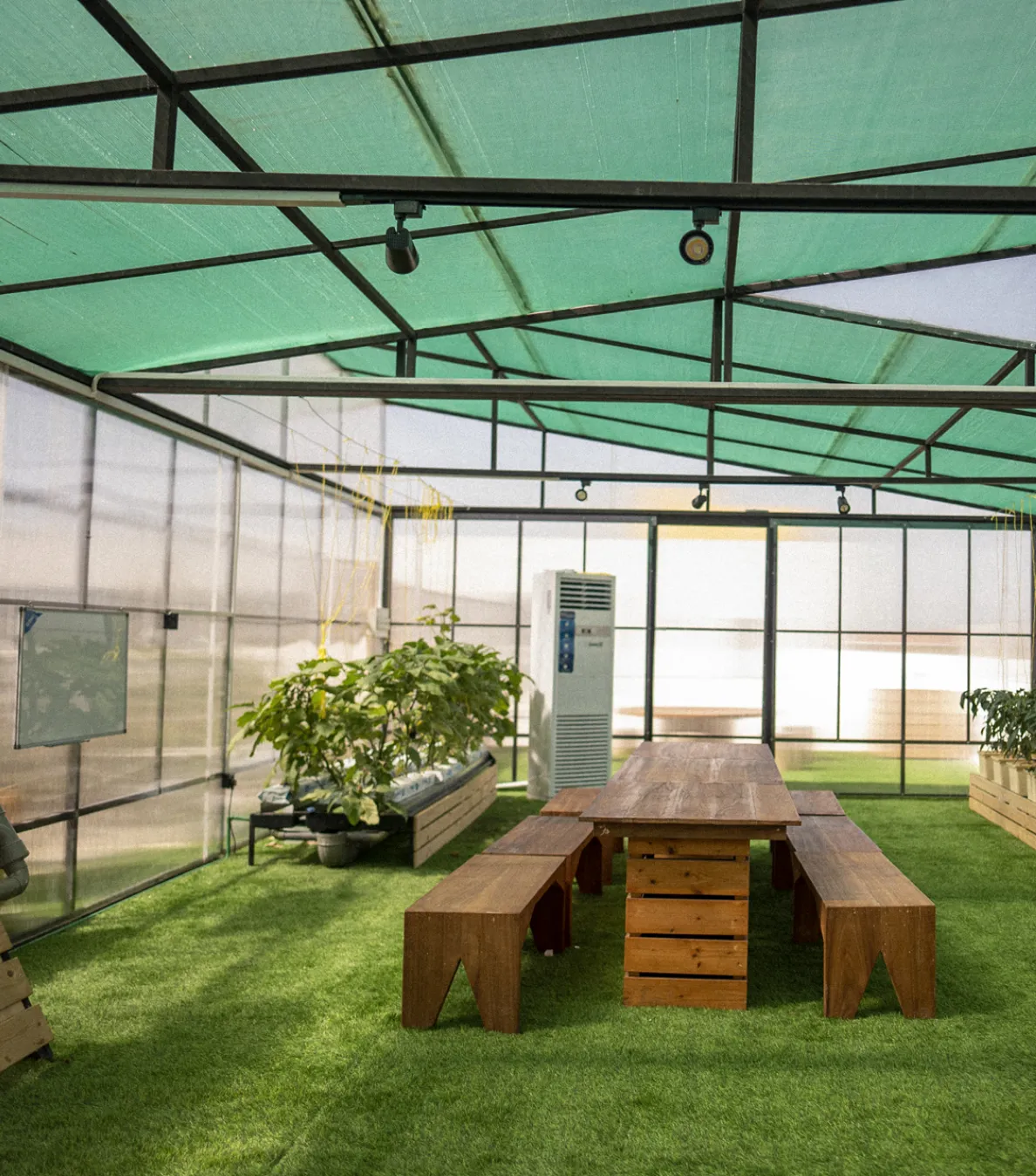
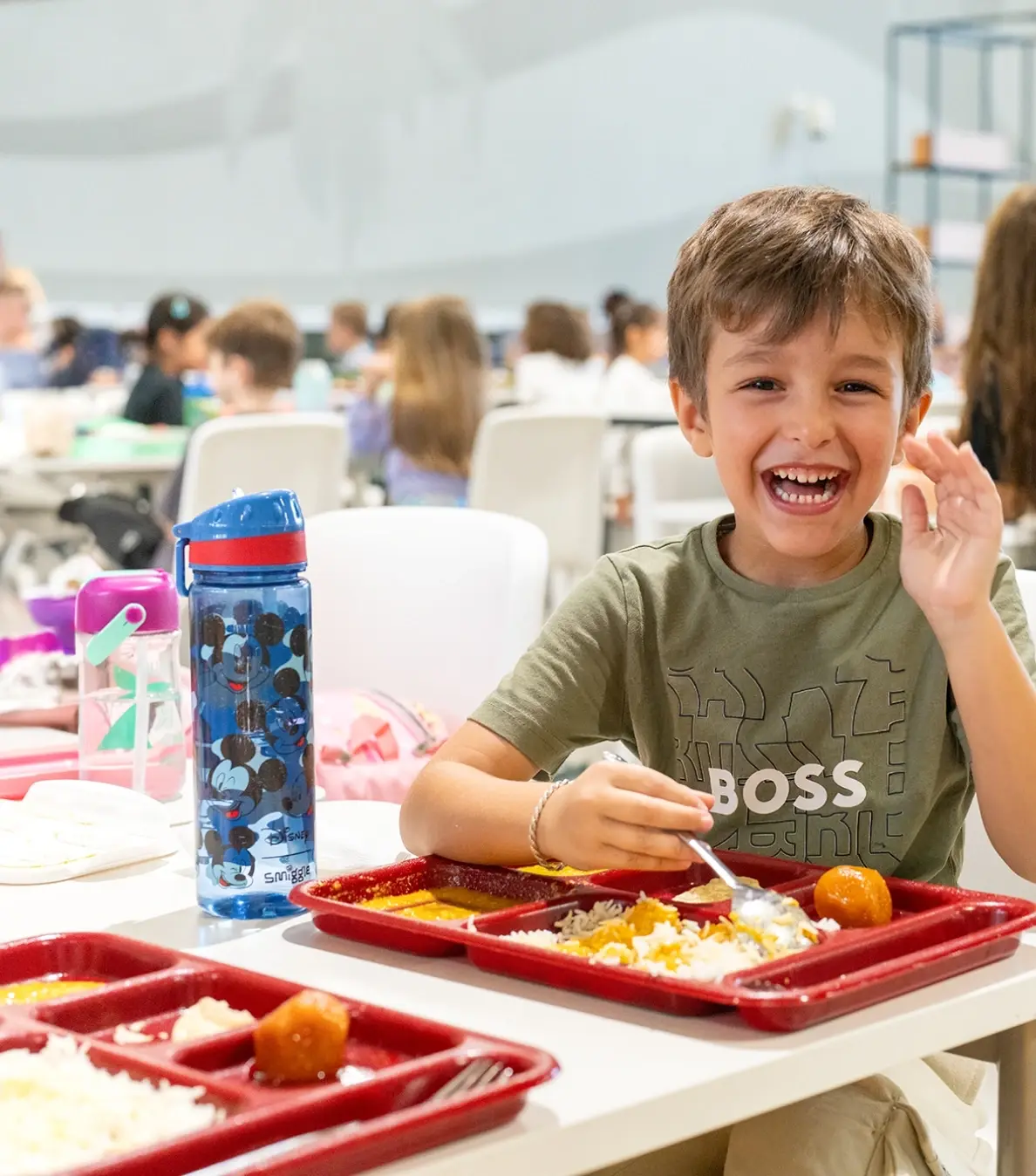
Beyond projects, Citizens integrate sustainability into daily routines. The Green House initiative showcases how spaces can be designed for eco-conscious learning and community interaction, from rainwater irrigation to greenery that thrives on native plants. In the canteen, efforts to reduce single-use plastics and promote reusable alternatives normalise sustainable habits. These choices, repeated daily, help children internalise eco-consciousness as second nature.
Learning from the Ground Up
Practical, hands-on experiences are central to Citizens’ approach. In the “From Patch to Plate” potato harvest adventure, learners grew and harvested their own crops, gaining first-hand experience of food cycles, soil health, and the value of local produce. Such projects transform abstract lessons on sustainability into memorable, lived experiences.
Empowering Eco-Warriors
At Citizens School, the Eco-Warriors team gives learners leadership opportunities in sustainability. It ranges from organising awareness campaigns to guiding peers towards eco-friendly choices. By empowering learners as environmental ambassadors, we nurture resilience, empathy, and a strong sense of collective responsibility.
Conclusion
Sustainability in Dubai schools is essential. By embedding it into curriculum, infrastructure, and culture, schools prepare learners not just for academic success but for responsible global citizenship. Families strengthen the impact by promoting sustainability at home and modelling green choices.
Citizens School stands as an example of how sustainable development in education can shape greener futures. The greener choices schools and families make today will shape the resilience and responsibility of tomorrow’s citizens.
Today’s children are growing up in a fully connected world where technology is woven into every aspect of daily life. From education to entertainment, digital tools open up endless opportunities. But these opportunities are accompanied by certain challenges. This heightens the need to educate children on online safety for kids, respectful behaviour, and responsible technology use.
Citizens School’s Digital Literacy pillar equips learners not only with technical know-how but also with the values of empathy, inclusivity, and responsibility, preparing them to be mindful digital citizens in a global community.
What Is Digital Literacy and Why It Matters?
Digital literacy for children is far more than knowing how to operate a device. It’s the ability to navigate, evaluate, and engage with digital spaces safely and responsibly.
For children, this means learning not only the technical side of using apps, games, and online platforms but also developing the judgement needed to make wise choices. A digitally literate child understands internet safety, how to protect personal information, how to spot misinformation, how to interact respectfully online, and how to manage screen time for balance and well-being.
Its importance cannot be overstated: children’s personal, academic, and professional futures will all be shaped by how they engage online. Reports show that over 80% of five-year-olds in countries like England, Estonia, and the U.S. already use digital devices weekly, with 42% using them daily. These early experiences shape not just how children see technology but how they see themselves and others in a connected world. Therefore, developing digital responsibility is an essential part of building broader future skills for children.
For Citizens, teaching digital responsibility to learners is not just about skills but values. Learners are guided to use technology with respect, empathy, inclusivity, and consideration for their well-being, ensuring that digital spaces enhance their growth rather than hinder it. This philosophy aligns closely with From Students to Learners at Citizens School, where education is intentionally designed to cultivate curiosity, adaptability, and real-world application beyond traditional academic structures.
What is Digital Citizenship in Dubai?
Digital citizenship goes beyond simply knowing how to use technology. It is about using the internet and digital tools safely, responsibly, and ethically. A good digital citizen understands their rights and responsibilities online, treats others with respect in virtual spaces, and makes thoughtful choices when engaging with digital platforms.
It’s important to distinguish digital citizenship from digital literacy.
- Digital literacy is the ability to access, understand, and use technology effectively. Digital literacy encompasses skills such as navigating apps, evaluating information, and managing privacy settings.
- Whereas digital citizenship is about behaviour and values in the digital world. It highlights how one communicates, protects personal data, avoids harmful activities, and contributes positively to online communities.
In simple terms, digital literacy gives children the skills to use technology, while digital citizenship teaches them the judgement to use those skills in a safe and meaningful way. Both are essential, but digital citizenship ensures learners grow into responsible, empathetic, and globally aware digital participants.
The Core Elements of Responsible Digital Citizenship
Being digitally literate is not just about technical know-how; it’s about developing a set of lifelong habits that help children stay safe, respectful, and mindful online. At its heart, educating digital citizens rests on five interconnected pillars:
1. Online Safety
Children are often unaware of the dangers lurking online. Globally, about 15% of adolescents report experiencing cyberbullying, while in the U.S., 46% of teens have been subjected to online harassment. Such experiences can leave lasting emotional scars.
At Citizens School, learners are guided on managing privacy settings, identifying unsafe platforms, and recognising risks such as scams or predatory behaviour.
2. Digital Etiquette
The internet is a social space. Respect is just as important online as in face-to-face interactions. Cyberbullying, trolling, and exclusionary behaviour harm individuals and erode trust in online communities. Recent studies show that 53.9% of U.S. teens aged 13–17 have been cyberbullied, with many facing repeat harassment linked to symptoms of PTSD.
Children at Citizens learn to practise empathy, use inclusive language, and resolve conflicts peacefully in digital spaces.
3. Media and Information Literacy
In today’s world of AI-generated content, deepfakes, and misinformation, critical thinking is vital. Learners are trained to evaluate sources, spot bias, and think before sharing. This sharpens academic skills and protects them from falling prey to manipulation.
4. Cybersecurity Awareness
From creating strong passwords to identifying phishing attempts, children must develop habits that protect their digital identity. Learners practise using two-factor authentication and safe browsing until these become second The World Economic Forum notes that cybercrime costs are projected to reach $10.5 trillion annually by 2025 (WEF), making cybersecurity awareness a vital life skill even for children.
5. Digital Wellbeing
Technology can empower, but overuse of it can affect mental health. Increased screen time leads to over-stimulation and increased impatience. Children need to learn how to balance screen time with offline activities, manage their emotions when online, and use tech intentionally for learning and creativity rather than mindless scrolling.
At Citizens, learners understand the importance of balancing online engagement with offline activities, practising mindful tech use to support both productivity and emotional health. UNICEF research further highlights that while screen time alone isn’t harmful, exposure to online abuse strongly correlates with anxiety, self-harm, and suicidal ideation.
How Citizens School Embeds Digital Literacy into Learning
At Citizens School, teaching digital responsibility is not treated as an add-on but as a core life skill woven into everyday learning. By combining structured curriculum, parent collaboration, and global citizenship values, the school ensures that children grow into confident and responsible digital citizens.
Hands-On Digital Literacy Curriculum
From the early years, learners engage in lessons that introduce internet safety, cyber ethics, and responsible technology use. Instead of theory-heavy sessions, learners work on practical projects such as designing secure websites, fact-checking news articles, or creating digital campaigns that promote positive social change. These activities not only strengthen technical competence but also build critical thinking and ethical judgement.
Collaboration with Parents
Citizens School believes online safety for kids begins at home. Parents are actively involved through interactive workshops, guides, and shared resources that equip families to establish healthy tech habits. Whether it’s learning how to set parental controls or understanding the risks of oversharing online, parents walk hand-in-hand with the school to provide children a safe and consistent digital environment.
Linking Technology to Global Citizenship
Beyond technical skills, the school nurtures the idea of using technology as a tool for global connection and impact. Learners collaborate with peers worldwide on projects that encourage innovation, empathy, and problem-solving. This approach connects directly with Entrepreneurship in Education, where children are empowered to turn ideas into meaningful action and develop the initiative needed to create real-world impact.
Best Practices from Global Educators
Around the world, schools are recognising that digital literacy is as fundamental as reading and numeracy. Leading global frameworks provide valuable guidance for embedding responsible technology use into education.
- The International Society for Technology in Education (ISTE) sets widely respected benchmarks that encourage learners not only to use technology safely but also to innovate, collaborate, and think critically. These standards empower learners to become creators rather than passive consumers of digital content, promoting responsibility alongside creativity.
- UNESCO places digital citizenship at the heart of its educational vision. Its guidelines highlight the importance of creating inclusive, safe, and informed digital communities, where children are equipped to navigate online spaces with empathy, respect, and awareness. This global perspective stresses that digital skills are not just technical; they are deeply tied to values of equity and well-being.
- Case studies from schools across Asia, Europe, and North America show a clear pattern: success in digital literacy requires an early start, regular practice, and strong school, home partnerships. When parents, mentors, and learners move in the same direction, children build habits of safe, mindful, and purposeful technology use that stay with them for life.
Practical Tips for Parents to Nurture Digital Citizenship at Home
Parents play a vital role in reinforcing safe digital habits. A few actionable strategies include:
- Set Family Tech Agreements: Clear boundaries around screen time, online privacy, and device use create structure. A simple family agreement, like no phones at the dinner table or no late-night browsing, helps children build healthy digital habits early on.
- Explore the Online World Together: Instead of leaving children to navigate technology alone, parents can co-explore educational apps, games, and websites. This not only builds trust but also opens opportunities for conversations about safe and responsible choices online.
- Discuss Real-Life Scenarios: Children often learn best through stories and “what if” questions. Talking through scenarios like “What would you do if a stranger sent you a message?” or “How do you know if an article is fake?” equips them to handle online dilemmas with confidence.
- Be a Role Model: Children mirror what they see. When adults demonstrate responsible technology use, whether it’s fact-checking news before sharing, avoiding oversharing on social media, or unplugging at bedtime, kids naturally follow suit.
Conclusion
Digital literacy for children is no longer optional; it is a core life skill. By weaving safety, ethics, and responsibility into everyday learning, schools prepare children to engage with technology in ways that protect, empower, and inspire.
Citizens School’s holistic approach ensures learners are not just consumers of technology but mindful creators and responsible participants in the digital world. With guidance from educators and active support from parents, every child can grow into a confident, compassionate, and responsible digital citizen.
Parents, too, play a vital role. Families can reinforce classroom teachings and empower children to thrive both online and offline through open conversations, shared exploration, and positive role modelling.
The ultimate goal is to help children embrace digital citizenship, practice teaching digital responsibility, and build a future where technology is safe, inclusive, and full of possibility.
Personalised learning in Dubai schools is often misunderstood as just another trend. In reality, it marks a fundamental shift in how schools approach teaching. At its core, personalised learning means adapting the pace, approach, and context of education to match each learner’s needs, interests, and aspirations. It acknowledges that no two learners progress in exactly the same way.
This approach matters because traditional “one-size-fits-all” methods often leave some children disengaged while others feel unchallenged. According to a report, educators worldwide wish for extra time to meet the individual needs of every learner. Additionally, over two-thirds feel their education isn’t evolving to meet workplace needs. This gap has a long-term impact on motivation, retention, and academic confidence.
At Citizens School, every child is recognised as a unique learner. The school’s philosophy is built on inclusivity, a growth mindset, and well-being. These values affirm that learning is not only about academic achievement but also about nurturing curiosity, resilience, and self-awareness through individualised instruction and meaningful experiences.
Common Myths About Personalised Learning
Despite its growing recognition, myths about personalised learning still persist. Misconceptions can dilute its true potential, making it important to separate fact from fiction.
Myth 1: It’s all about technology
Personalised learning is not just about apps, AI, or online tools. While technology can make learning more accessible and adaptable, it is not the foundation. True personalisation starts with human connection — mentors who know their learners and learners who help shape their own journey.
Myth 2: It means children learn alone
Some assume that personalisation equals isolation. In reality, collaboration, dialogue, and peer-to-peer interaction are essential. Children share ideas, engage in discussions, and work together on projects that reflect their individual interests. It builds social skills and peer connections alongside academic growth.
Myth 3: Every child has a completely different curriculum
Personalisation doesn’t abandon shared goals. earners still work towards common learning outcomes like literacy, numeracy, and critical thinking. Although their pathways may differ. Some might need extra time with concepts, while others dive deeper into areas of passion. This balance ensures that tailoring learning to students does not compromise core standards.
When these myths are set aside, it becomes clear that personalised learning is about equity and agency. It meets children where they are and guides them toward growth in ways that feel relevant and meaningful.
What Effective Personalised Learning Looks Like
When implemented properly, personalised learning is more than just a teaching strategy. It represents evidence-based education that blends structure with flexibility, ensuring learners feel both supported and empowered. Here’s what effective personalised learning looks like in practice:
- Learner Agency: Children are not passive recipients of knowledge. They are given opportunities to make choices in how they learn, demonstrate understanding, and set goals. This sense of ownership strengthens motivation and builds responsibility for their learning journey.
- Differentiated Instruction: No two learners grasp concepts in the same way. Effective personalisation allows mentors to adapt content, teaching methods, and expected outcomes based on students’ readiness, interests, and learning profiles. It’s not about lowering standards but rather about making learning accessible and meaningful for every child.
- Flexible Pacing: Personalised learning respects the fact that mastery takes time. Some children may need extra practice to strengthen their foundation, while others are ready to move ahead. By removing the rigid timelines of “one-size-fits-all” learning, learners gain confidence and avoid unnecessary gaps.
- Real-World Relevance: When lessons connect to everyday life or personal passions, they stick. Linking concepts to real-world applications with the help of projects, case studies, or creative exploration helps learners see why what they’re learning matters beyond the classroom.
Together, these elements create an environment where learning is purposeful, engaging, and deeply personal. It’s not about customising every detail for each student; it’s about designing a framework that respects individuality while keeping collective goals in sight.
The Role of Educators
Personalised learning is often misunderstood as a learner-driven process alone, but mentors are at the heart of making it effective. Their role shifts from simply delivering content to guiding, mentoring, and coaching learners as they navigate their individual paths.
- Facilitators of Learning: Mentors create opportunities for exploration rather than dictating a fixed route. They design activities where children can make choices, ask questions, and take ownership, while still ensuring core learning goals are met.
- Mentors Who Understand Growth: Through close observation and regular interaction, teachers identify not just what a child knows, but how they learn best. This deeper understanding allows them to offer encouragement, provide scaffolding, and help learners stretch beyond their comfort zones.
- Using Formative Assessment Wisely: Instead of relying only on grades or exams, mentors employ ongoing assessments, quizzes, reflections, and peer reviews to track progress. This continuous feedback loop highlights growth over time and helps identify when a learner needs extra support or is ready for advanced challenges.
- Creating a Supportive Culture: Perhaps most importantly, mentors create an environment where mistakes are seen as part of the process. By normalising trial and error, they encourage resilience and show learners that setbacks are opportunities to learn, not reasons to stop trying.
In this way, mentors become anchors of personalisation, blending academic expertise with empathy and insight. They ensure that children don’t just meet learning targets but also build the confidence, adaptability, and curiosity needed to thrive.
How Citizens School Brings Personalised Learning to Life
At Citizens School, personalisation is an everyday practice.
- Entrepreneurship Skills: Learners are encouraged to think like problem-solvers. Rather than following set answers, they explore tailored challenges that push them to design solutions, take risks, and build resilience.
- Inquiry-Based Curriculum: Learning begins with curiosity. Learners are given the freedom to ask questions, investigate topics that spark their interest, and pursue answers in ways that reflect their unique style of learning.
- Project-Based Learning: Instead of rote tasks, learners work on meaningful projects that connect to real-world issues. These projects allow learners to use their strengths, whether it’s creativity, analysis, or communication, while also building collaboration skills.
- Digital Literacy: Technology is used as an enabler, not a distraction. Learners access diverse tools and platforms to customise how they learn, but with clear guidance on balancing screen time, safety, and wellbeing.
- Everyone Known & Known Well: Personalisation is also about relationships. At Citizens, mentors develop strong connections with learners, understanding their passions, struggles, and aspirations. This insight ensures every child feels supported, recognised, and capable of growth.
By combining these approaches, Citizens School creates a learning environment that is both structured and flexible, where children meet academic goals while discovering who they are as learners and individuals.
Supporting Personalised Learning at Home
Personalised learning doesn’t stop at the school; it thrives when reinforced at home. Parents play a key role in creating an environment where children feel empowered to explore, reflect, and grow. A few simple practices can make a big difference:
- Notice and Nurture Interests: Pay attention to what excites your child, whether it’s building with blocks, drawing, coding, or storytelling. Encouraging these interests signals that their passions matter and can be gateways to deeper learning.
- Offer Choices: Choice builds ownership. Allow your child to pick between different books, formats (audiobook, digital, or print), or even project topics. Small decisions like these give them control over how they learn.
- Celebrate Effort Over Grades: Shift the Focus from Marks to Milestones. Acknowledge persistence, creativity, and problem-solving, even when results aren’t perfect. This reinforces a growth mindset and reduces fear of failure.
- Encourage Reflection: After finishing a task or overcoming a challenge, ask questions like, “What did you enjoy most?” or, “What would you do differently next time?” Reflection builds self-awareness and helps children become active participants in their own learning journey.
When home and school align in valuing curiosity, choice, and growth, children begin to see learning not as a chore but as an ongoing, self-driven adventure.
Real-World Benefits for Children
Personalised learning equips children with skills that extend well beyond academia. By engaging with learning in ways that reflect their interests and pace, they develop:
- Lifelong Learning Habits: They develop a natural curiosity that motivates them to continuously explore and adapt in a constantly changing world.
- Career Readiness: Exposure to flexible, problem-based learning prepares them for diverse roles that demand adaptability and creativity.
- Confidence and Motivation: Taking ownership of their progress builds self-belief and a stronger sense of purpose.
- Balanced Growth: Social-emotional skills develop alongside academics, helping children navigate teamwork, resilience, and empathy.
The World Economic Forum’s 2025 Future of Jobs Report predicts that 65% of children entering primary school today will work in careers that don’t yet exist. Personalised learning equips them with the adaptability needed in this reality.
Conclusion
Personalised learning is not about replacing teachers with technology or dismantling curriculum frameworks. It is about tailoring learning to students, respecting individuality, and using evidence-based education approaches to help every learner thrive.
For parents, the takeaway is simple: every child’s journey is unique. With the right environment and support at school and home, children can thrive academically, emotionally and socially. Personalised learning gives them the skills and confidence to navigate a world that demands flexibility, creativity, and resilience.