




• Skip to primary navigation
  • Skip to main content
  • Skip to footer
Citizens School

Citizens School

  • About
    • About Citizens

      Who We Are

    • Senior Leadership Team
    • Board of Governors

      Board of Governors

    • UAE Educational Mandate

      UAE Educational Mandate

    • Future Framework
  • Campus
    • Citizens Campus

      Citizens Campus

    • Greenhouse

      Greenhouse

    • Canteen

      Canteen

    • Hangout Hub

      Hangout Hub

    • Library

      Library

    • Music Room

      Music Room

    • Padel Courts

      Padel Courts

    • Production Studio

      Production Studio

    • Social Gym

      Social Gym

    • Sports Facilities

      Sports Facilities

    • STEM Labs

      STEM Labs

    • Wellbeing Centre

      Wellbeing Centre

    • Learning Environment

      Learning Environment

  • Programmes
    • Programmes

      Programmes

    • Sustainability

      Sustainability

    • Entrepreneurship Curriculum

      Entrepreneurship Curriculum

    • Sports

      Sports

    • Arts and Culture

      Arts and Culture

    • Music

      Music Programme

    • Health and Wellbeing

      Health and Wellbeing

  • Admissions
    • Start Here

      Admissions

    • Tuition Fees

      Tuition Fees

    • Admissions Policy

      Admissions Policy

    • Transportation

      Transportation

    • FAQs

      FAQs

  • Media
    • Media

      Media

    • Podcasts

      Podcasts

    • Blog

      Blog

  • Events
  • Nursery
  • Contact
English
English
العربية العربية
Citizens School Login Citizens School Citizens School
Zenda Toddle Login
  • About
    • About Citizens

      Who We Are

    • Senior Leadership Team
    • Board of Governors

      Board of Governors

    • UAE Educational Mandate

      UAE Educational Mandate

    • Future Framework
  • Campus
    • Citizens Campus

      Citizens Campus

    • Greenhouse

      Greenhouse

    • Canteen

      Canteen

    • Hangout Hub

      Hangout Hub

    • Library

      Library

    • Music Room

      Music Room

    • Padel Courts

      Padel Courts

    • Production Studio

      Production Studio

    • Social Gym

      Social Gym

    • Sports Facilities

      Sports Facilities

    • STEM Labs

      STEM Labs

    • Wellbeing Centre

      Wellbeing Centre

    • Learning Environment

      Learning Environment

  • Programmes
    • Programmes

      Programmes

    • Sustainability

      Sustainability

    • Entrepreneurship Curriculum

      Entrepreneurship Curriculum

    • Sports

      Sports

    • Arts and Culture

      Arts and Culture

    • Music

      Music Programme

    • Health and Wellbeing

      Health and Wellbeing

  • Admissions
    • Start Here

      Admissions

    • Tuition Fees

      Tuition Fees

    • Admissions Policy

      Admissions Policy

    • Transportation

      Transportation

    • FAQs

      FAQs

  • Media
    • Media

      Media

    • Podcasts

      Podcasts

    • Blog

      Blog

  • Events
  • Nursery
  • Contact

Vidya Satish

January 9, 2026 by Vidya Satish

Citizens School has been recognised for its mindset-first, entrepreneurial approach to learning, earning COBIS accreditation and a ‘Good’ rating in its first KHDA inspection. As part of its continued innovation journey, the school is the first in the region to partner with Luma, embedding design thinking and real-world problem-solving across the curriculum. These milestones reinforce Citizens School’s commitment to developing future-ready learners through creativity, adaptability and purpose-driven education.

Read the full article here.

Filed Under: Media, News

January 8, 2026 by Vidya Satish

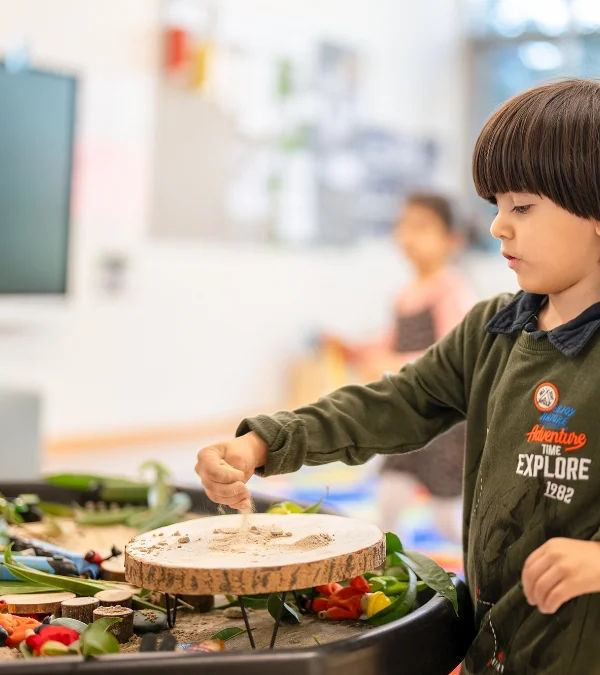
A child’s understanding of the world begins long before words. It starts with what they can touch, see, smell, hear, and move. The feel of sand slipping through their fingers, the sound of water trickling, the colours in the sky at the end of the day. These simple experiences shape how your child make sense of the world and how they express themselves.

At Citizens Nursery, sensory learning is more than play – it’s a way to explore, investigate, and understand. Every space is thoughtfully designed to spark curiosity and encourage movement, supporting our values of curiosity, wellbeing, and holistic child development. Each experience, big or small, contributes to a child’s intellectual, emotional, and social growth.

Understanding Exploratory and Sensory Learning

Exploratory and sensory development are at the heart of early childhood education. They engage children in direct, hands-on experiences that connect abstract concepts to the tangible world around them. When children test how things feel, look, or move, they aren’t “just playing”. They’re building the brain pathways that support future learning in literacy, maths, problem-solving, and even emotional awareness.

Research links sensory-rich experiences to benefits such as:

i) Enhanced Cognitive Growth: Sensory play promotes brain development by stimulating multiple neural connections, improving memory and comprehension.

ii) Language Development: As children describe what they feel, see, or hear, they expand vocabulary and communication skills.

iii) Improved Focus and Problem-Solving: Experimenting with materials encourages critical thinking and attention control.

iv) Emotional Regulation: Sensory activities such as touching sand, pouring water, or moulding clay help children manage stress and develop calmness through tactile comfort.

Studies from institutions like the Harvard Centre on the Developing Child consistently highlight how these sensory foundations support important lifelong skills like focus, self-control, and planning.

Inside Citizens Nursery: Designed for Discovery

Every space at Citizens Nursery invites exploration, inquiry, and movement. We often talk about the environment as the “third teacher”, and our classrooms reflect that philosophy.

Here’s what that looks like in practice:

i) Sensory Corners and Tactile Play Zones: Corners filled with varied materials, such as soft fabrics and natural elements, allow children to explore textures and shapes.

ii) Nature-Inspired Outdoor Areas: Open areas such as gardens, water features, and play arenas encourage observation and interaction with the natural world through outdoor play.

iii) Light and Sound Experiments: Controlled lighting, reflective surfaces, and musical exploration help children understand cause and effect, sparking curiosity and creativity in the process.

These thoughtfully designed settings ensure that play remains purposeful. When children scoop, pour, mix, and build, they are not only engaging their senses but also developing early concepts in science, maths, and art naturally and joyfully.

Sensory Exploration as the Foundation for Emotional and Social Growth

Multi-sensory play supports emotional and social development; when children explore textures, colours, sounds, and movement, they learn to make sense of their feelings and understand how others feel too.

At Citizens Nursery, educators often design small-group sensory experiences to encourage connection and communication. Some examples include:

i) Collaborative Art Projects: Children paint or build together using different textures and materials, learning to share resources and appreciate collective creativity.

ii) Group Water Play: Pouring, splashing, and experimenting with containers encourages turn-taking, patience, and social engagement.

iii) Community Building Tasks: Working together to create sensory paths or garden areas cultivates a sense of responsibility and belonging.

iv) Storytelling with Sensory Props: Using tactile objects to retell stories helps children express emotions and understand different perspectives.

Through these shared sensory experiences, children learn to:

i) Recognise and name emotions such as joy, frustration, or excitement.

ii) Develop empathy by observing how others respond to similar sensations or challenges.

iii) Strengthen communication by expressing needs and ideas during play.

Educators at Citizens use these sensory moments to help children self-regulate, either by calming themselves through rhythmic movements or expressing excitement through creative expression. This emotional literacy, built through sensory engagement, becomes a lifelong skill that supports resilience, confidence, and well-being.

The Educator’s Role: Guiding, Not Directing

At Citizens Nursery, educators are observers, facilitators, and co-learners, supported by the expertise of qualified level mentors who guide children’s learning experiences. Their role is to create opportunities rather than provide instructions. The philosophy is simple: children learn best when they lead their own discoveries, and teachers create the conditions that make those discoveries possible.

Rather than instructing, mentors ask open-ended questions such as, “What do you notice about how the water moves?” “How does the sand change when it’s wet?” and “What could we try next?”

These kinds of questions help children think more deeply, reflect on what they see, and build their own understanding.

This approach allows educators to:

i) Observe and Extend Learning: Teachers notice each child’s interests and gently introduce new materials or challenges to deepen exploration.

ii) Encourage Independence: By stepping back, they empower children to make decisions, test ideas, and learn through trial and error.

iii) Support Emotional Growth: Educators recognise moments of frustration or excitement and guide children in managing emotions through language and reflection.

iv) Balance Structure with Freedom: Planned activities are flexible, allowing spontaneous learning moments to emerge naturally.

As one nursery mentor explains, “Our role isn’t to tell children what to see, but to help them see more.” This balance between structure and freedom allows every child to discover confidently, make connections, and develop a genuine love for learning.

Partnering with Parents to Continue the Sensory Journey at Home

Hands-on learning continues at home; parents are encouraged to extend learning with simple, meaningful activities:

i) Cooking Together: Mixing, stirring, and tasting engage multiple senses while strengthening family bonds.

ii) Nature Walks: Observing textures, smells, and sounds outdoors helps children connect with their environment.

iii) Sensory Boxes: Using everyday materials like rice, leaves, or pebbles can spark tactile discovery at home.

Parents are also reminded that “messy play” is not chaos; it’s creativity in motion. By embracing sensory-rich activities, families reinforce the same curiosity and confidence nurtured at Citizens Nursery. This home–school partnership ensures consistency in the child’s developmental journey.

Conclusion: Nurturing Curious, Confident, and Connected Learners

Exploration is where learning begins. Through its purposeful sensory environment, Citizens Nursery ensures that every child learns by experiencing the world, touching it, questioning it, and understanding it.

By merging sensory discovery with guided curiosity, Citizens nurtures learners who are school-ready as well as life-ready. At Citizens Nursery, kids become curious thinkers, empathetic friends, and confident explorers of the world around them.

Every splash of water, every grain of sand, and every new sound heard builds the foundation for lifelong learning. That is the Citizens difference: where exploration becomes education, and every sense leads to discovery.

Filed Under: Blog

January 8, 2026 by Vidya Satish

Artificial intelligence, automation, and climate-driven cataclysms are transforming the way people learn, work, and build their careers. The World Economic Forum predicts that nearly half of today’s core job skills will change by 2030. In such a fast-moving landscape, success depends less on what we know and more on how we think, adapt and innovate.

Entrepreneurship, when viewed beyond the narrow lens of starting a business, becomes a vital life skill. It nurtures initiative, creativity, and the confidence to turn ideas into action. These are qualities that empower children to become successful in any field, whether launching a tech startup, designing sustainable solutions, or driving social change.

At Citizens School Dubai, entrepreneurship is a core component of the Future Framework, designed to help learners develop the mindset and competencies needed to navigate uncertainty and shape the world around them.

Entrepreneurship as a Life Skill

Entrepreneurship today extends far beyond starting a company; it’s a way of thinking that helps learners build essential entrepreneurship skills for the future. It equips children with transferable skills that strengthen their ability to adapt, solve problems, and create value in any context. By encouraging entrepreneurial thinking early, schools prepare learners not just for future jobs but for a world where change is constant. Key benefits of having these skills include:

i) Problem-Solving and Innovation: Learners learn to identify challenges, analyse them critically, and design creative solutions rather than relying on pre-set answers.

ii) Resilience and Risk-Taking: Entrepreneurship teaches children the importance of embracing failure as part of the process, helping them develop perseverance and a growth mindset.

iii) Collaboration and Leadership: Working in teams to plan projects, pitch ideas, and execute tasks cultivates teamwork, communication, and the ability to guide others.

iv) Opportunity Recognition: Children gain the ability to spot opportunities in their surroundings and act on them with confidence and purpose.

v) Adaptability Across Fields: Whether in science, technology, arts, or social impact, entrepreneurial skills empower learners to lead initiatives and drive change.

By embedding these capabilities into daily learning, entrepreneurship moves beyond business education and becomes an essential foundation for thriving in an unpredictable future.

Redefining Education for an Evolving World 

The 21st-century demands a shift from memorisation to application, reflecting the broader vision of Reimagining Education. This shift is essential and already underway in forward thinking school, where education is about skills, adaptability and lifelong learning.

From early exposure to innovation, design thinking, and embedding self-direction across the curriculum, schools play a critical role in preparing learners for jobs and industries that don’t yet exist.

Preparing for the Future of Work

Global trends such as AI adoption, the gig economy, and sustainability-driven industries are reshaping career pathways. The UAE Vision 2030 emphasises innovation and entrepreneurship as key drivers of national growth. To sustain in this environment, learners need more than academic excellence; they need the agility to pivot, the creativity to ideate, and the leadership to inspire change.

To prepare learners for this shifting landscape, education must go beyond academic knowledge and focus on future-ready capabilities:

i) Entrepreneurial Thinking: Skills such as opportunity recognition, risk assessment, and resource management are becoming as critical in science and technology as they are in business.

ii) Adaptability and Lifelong Learning: With industries continuously disrupted by technology, learners must be ready to upskill, reskill, and pivot across multiple careers over a lifetime.

iii) Digital and AI Literacy: From coding to understanding the ethical implications of AI, future workers will need a strong grasp of digital tools and responsible tech use.

At Citizens School, this vision comes to life through experiential learning that develops confidence and competence.

Entrepreneurship at Citizens School

Citizens School’s Entrepreneurship Programme, a cornerstone of its Future Framework, transforms classrooms into launchpads for innovation. Through a blend of experiential learning and mentorship, learners develop practical skills and a solution-driven mindset. Programme highlights include:

i) Project-Based Learning (PBL): Learners tackle real-world problems, from designing eco-friendly solutions to developing digital products. For instance, year 3 learners are working on moving to feel good, making exercise fun for our school community. Using design thinking stages such as empathise, define, ideate, prototype, and test, learners design activities that inspire their peers to adopt healthier habits.

ii) Venture Showcases and Community Projects: Platforms for learners to present solutions to peers, parents, and industry experts, turning concepts into tangible impact.

iii) Real-World Problem Challenges: Activities that simulate entrepreneurial decision-making, from budgeting to pitching.

Recent projects have included sustainability initiatives, community service campaigns, and technology-driven solutions, all designed and led by students.

Beyond Business: A Community Effort

Entrepreneurship at Citizens School is about initiative, leadership, and community impact, skills that matter in every field, from science and the arts to social change. By widening the definition, the school helps learners see entrepreneurship as a mindset for life, not just a career path.

Citizens School has created an ecosystem where this mindset can grow:

i) Mentorship and Real-World Exposure: Learners engage with entrepreneurs, industry experts, and family networks to gain practical insights and guidance. These connections demystify innovation and provide firsthand lessons in resilience and decision-making.

ii) Family Involvement: Parents are invited to participate in showcases, venture pitches, and school events, reinforcing that entrepreneurial thinking is a shared value, not confined to classrooms.

By positioning entrepreneurship as a community-wide effort, Citizens ensures learners develop the confidence to take initiative, work across disciplines, and lead positive change, whether they are launching a startup, leading a research team, or driving social innovation.

Shaping Future-Ready Citizens

Entrepreneurship is no longer an optional skill set; it is a cornerstone of thriving in a rapidly changing global economy. According to the World Economic Forum’s Future of Jobs Report 2025, problem-solving, creativity, and resilience rank among the top competencies employers value, while routine tasks are increasingly automated. By cultivating these skills early, Citizens.

Leadership Insight

Entrepreneurship is the language of the future — a way of thinking that empowers every learner to turn challenges into opportunities. At Citizens, we don’t just prepare children to adapt to change; we equip them to drive it. By embedding entrepreneurial thinking across every stage of learning, we’re nurturing the architects of a more resilient, innovative, and human-centred future for the UAE and beyond.”
— Hisham Hodroge, CEO, Citizens 

Conclusion

In an era defined by rapid technological and societal shifts, entrepreneurship is more than an advantage; it is essential. At Citizens School, entrepreneurial education isn’t confined to business; rather, it’s a mindset woven into every learner’s journey. By nurturing creativity, resilience, and the courage to take initiative, the Citizens Entrepreneurship Programme helps shape a generation ready not just to adapt to the future but to define it.

Filed Under: Blog

December 23, 2025 by Vidya Satish

Did you know that early childhood experts recommend at least three hours of outdoor play every day for young children? Research shows that children learn best when they move freely, explore openly, and engage their senses. Outdoor play in early years isn’t a break from learning; it is the learning.

At Citizens Nursery, this understanding underpins our approach: children grow cognitively, socially, emotionally, and physically as your child touches, observes, and experiments with the world. Outdoor play is, therefore, a vital part of our daily curriculum.

Each outdoor activity sparks excitement, builds optimism, and strengthens well-being. Whether jumping, digging, balancing, or discovering something, children develop essential skills that shape their understanding of themselves and the world.

This reflects Citizens Nursery’s core values, such as curiosity, wellbeing, and holistic development, helping young learners grow into confident explorers.

The Science Behind Outdoor Learning

Research shows that outdoor play is critical to early brain and emotional development. Global studies highlight how nature enhances sensory growth, strengthens concentration, and improves problem-solving in young children.

Unstructured outdoor time also plays a key role in developing executive functions such as planning, focused attention and emotional regulation.

Through new activities, children learn to take safe risks, make independent choices, and adapt to new situations.

At Citizens Nursery, these benefits shape purposeful outdoor experiences designed to nurture key life skills:

i) Intrigue & Creativity: Encouraging observation, questioning and open-ended creativity. 

ii) Resilience & Independence: Helping them take manageable risks and learning through trial.

iii) Social & Emotional Growth: Fostering empathy, teamwork, and communication through group activities.

iv) Physical Esteem: Building balance, strength, and motor skills through active play.

These experiences help children become self-assured, joyful learners who see endless possibilities in the world.

Learning in Action: What Outdoor Play Looks Like at Citizens Nursery

Our outdoor environment extends the classroom into an imaginative, discovery-rich area with sensory gardens, sand and water play zones, creative construction corners, and nature trails, , reflecting the philosophy behind a nursery’s exploratory learning environment.

i) Children might begin their morning with nature walks or nature hunts. This could involve spotting a particular colour, identifying animals, recognising shapes, or simply listening to the sounds around them.

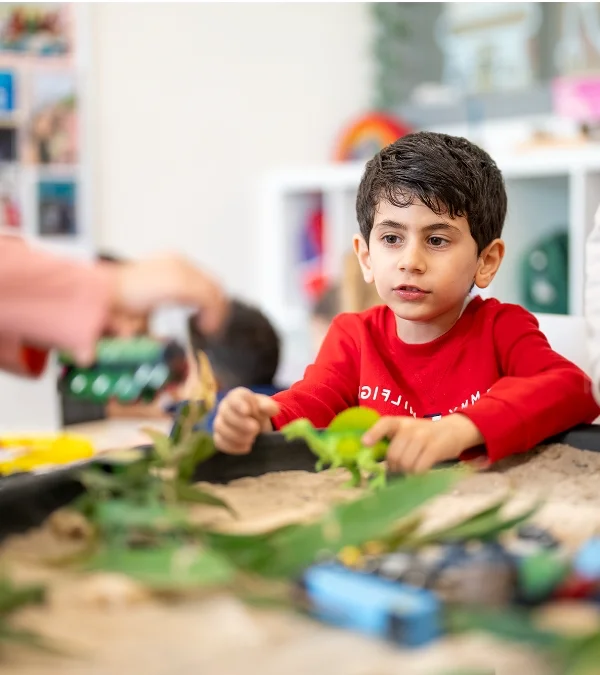
ii) In the sand and water zones, they measure, pour, and compare, unknowingly developing early maths and science skills.

iii) During nature walks, learners observe patterns, count petals, or describe colours and sounds, building vocabulary and competence in expression.

Each experience is thoughtfully linked to EYFS (Early Years Foundation Stage) learning goals:

i) Language Development: Storytelling circles under the sky encourage children to describe what they see and feel, strengthening communication skills.

ii) Math & Science Exploration: Sorting pebbles, observing shadows, or experimenting with water flow introduces real-world problem-solving.

iii) Collaboration & Social Learning: Group games and shared outdoor projects teach teamwork, turn-taking, and respect for others’ ideas.

Outdoor time naturally connects to classroom learning as mentors guide children’s play, helping them make sense of what they find and linking it back to what they’re learning. The result is a vibrant, hands-on learning environment where exploration leads and joy follows.

The Citizens Difference: Purposeful Play in a Safe, Stimulating Environment

What sets Citizens Nursery apart is its purposeful integration of play, safety, and discovery. Every outdoor zone is thoughtfully designed to support exploration while maintaining the highest safety standards, encouraging children to feel confident, curious and happy as they learn.

Educators act as facilitators , and the expertise of qualified level mentors helps guide children to make connections between play and real-world understanding. They observe children’s interests, extend conversations, and introduce new challenges that spark critical thinking, creativity and a love of learning.

As one of the nursery’s mentors notes, “When children play outdoors, they’re not just having fun, they’re developing interest, self-reliance, and the ability to make sense of the world around them.”

This philosophy ensures that play remains joyful yet meaningful, structured yet spontaneous, fostering not only growth and learning but also a genuine sense of wonder and belonging.

Partnering with Parents: Extending Play Beyond School

Learning flourishes when home and school work together. Parents are encouraged to extend outdoor learning with simple, enjoyable activities such as:

i) Family nature walks where children can collect leaves or stones and discuss their shapes or colours.

ii) Gardening together to teach patience and responsibility.

iii) Outdoor storytelling to build imagination and vocabulary.

Additionally, balancing screen time with outdoor play is essential. The World Health Organisation (WHO, 2024) recommends at least three hours of active play daily for preschool-aged children, underscoring the importance of movement and sensory engagement for healthy development.

Together, Citizens Nursery and parents build a foundation for curiosity, well-being, and lifelong learning.

Conclusion: Learning That Grows Beyond the Classroom

At Citizens Nursery, outdoor play forms a core part of the curriculum.  Exploring nature, building with peers, and testing new ideas contribute to a child’s growth in confidence, creativity, and curiosity.

With thoughtfully designed outdoor spaces, with caring and responsive educators, and family partnerships, children are encouraged to discover, wonder, and flourish. At Citizens Nursery, every day is an opportunity for little learners to grow, explore, and feel proud of their achievements – to be inspired, empowered, and thrive.

Filed Under: Blog

December 22, 2025 by Vidya Satish

Welcome to the tenth episode of DisruptEd, offering a look into the future of education, in conversations with experts discussing research and real-world applications. The podcast, produced by Citizens School explores how breakthroughs in learning and teaching are shaping the way we prepare learners for the future.

In this episode, Dr. Adil speaks with Nadia Zaal — an Emirati entrepreneur, real estate innovator, and founder of Zaya Early Learning.

Together, they explore the ideas shaping the future of education and the lessons Nadia has carried from business into the classroom. Nadia shares her journey from real estate to early childhood education, highlighting how nature-focused, sustainable design transforms learning. She discusses why resilience and grit are as vital as academics, and explores how AI and new models could shape the future of schools and work. Her story underscores the importance of nurturing the whole child—physically, emotionally, and intellectually—while rethinking traditional education for today’s learners.

Filed Under: Featured, Podcast

December 12, 2025 by Vidya Satish

Globally, schools are rethinking what prepares children for the future. Academic achievement matters, but it’s not the only predictor of success. Learners need emotional intelligence, adaptability, social awareness, and a deep sense of responsibility toward themselves and their communities. These qualities grow through values embedded across school life, not just the curriculum.

Citizens School’s approach aligns with this shift. Our core values are:

  1. Sustainable Development
  2. Empathy
  3. Inclusivity
  4. Growth Mindset
  5. Curiosity
  6. Resilience
  7. Wellbeing 

These aren’t just statements on a wall. They guide every decision, interaction, and learning experience at Citizens. Leaders and mentors embed these values intentionally into the learning culture, so children grow academically and as thoughtful, compassionate people.

Below, we expand on the principal’s message and explore how values come to life across the Citizens community.

The Citizens Approach: Values as Lived Experiences

Values at Citizens School are lived, not lectured. Children experience them daily, through learning projects, peer interactions, routines, and real-world challenges. Research shows that values-based education improves engagement, social cohesion, and long-term well-being.

Citizens follows a simple principle:

When children live their values, they learn their values.

This principle makes learning purposeful, discussions reflective, and classrooms collaborative. This encourages learners to internalise habits and thinking patterns that last beyond their school years.

1. Sustainable Development: Building Conscious Global Citizens

Sustainability at Citizens is a mindset that helps children understand their role in a shared world. Learners engage in age-appropriate projects that encourage stewardship, responsible decision-making, and awareness of how daily actions impact the planet.

Examples of how sustainable thinking comes alive on campus include:

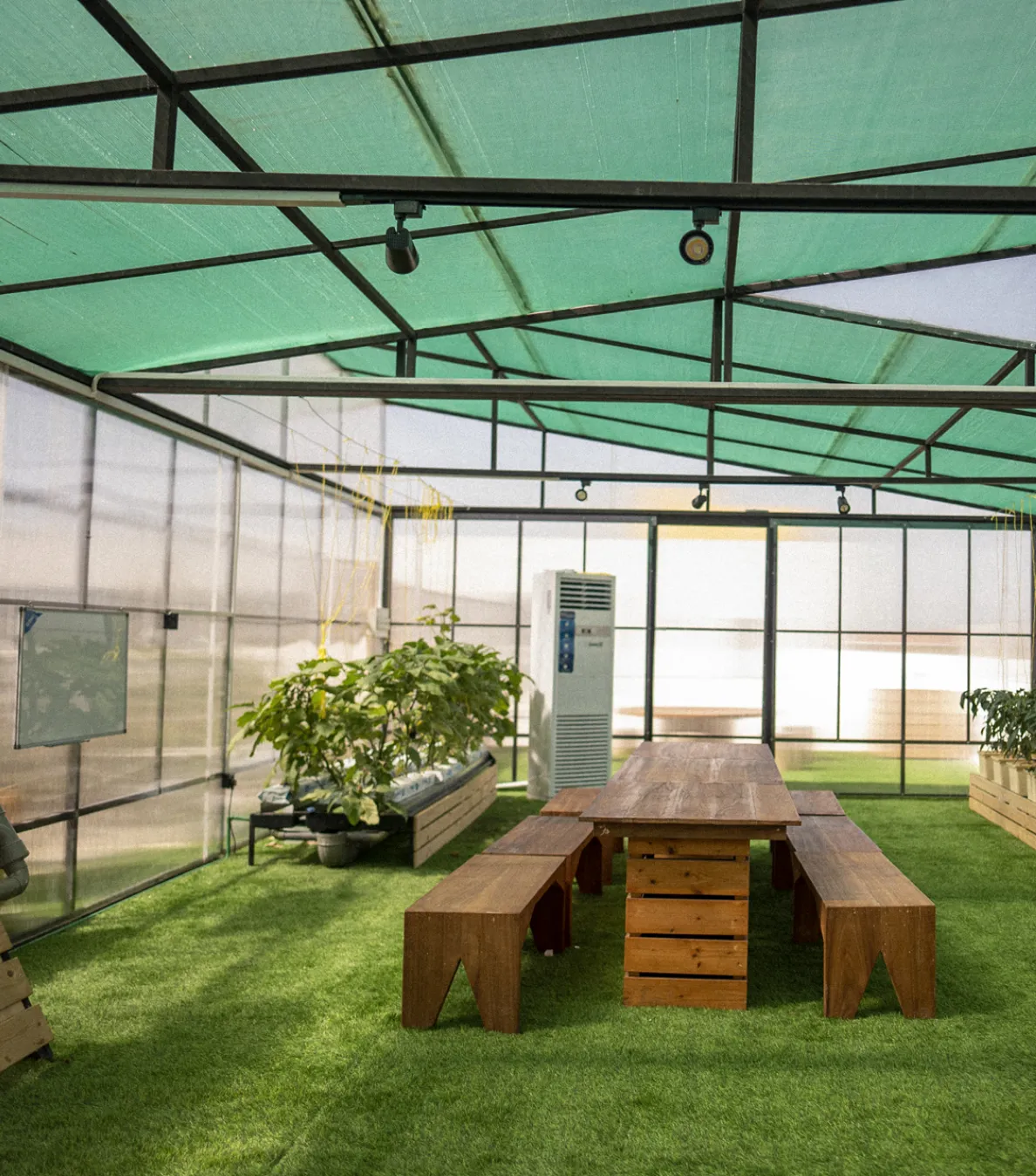
The Green House initiative demonstrates how learning spaces can be designed for eco-conscious living. These vary from rainwater irrigation systems to native-plant landscaping that supports local ecology.

A low-waste canteen culture, where single-use plastics are reduced, and reusable containers and refillable bottles are encouraged. Water-refill stations and daily routines help learners adopt sustainability as a natural habit.

Hands-on experiences, such as the “From Patch to Plate” potato harvest, where learners grow and gather their own crops, building a firsthand understanding of soil health, food cycles, and the value of local produce.

Eco-Warriors, a learner-led group that takes initiative in promoting eco-friendly choices, spreading awareness, and modelling responsible behaviour, instilling leadership, empathy, and environmental stewardship.

Together, these experiences show children that sustainability is a daily practice. At Citizens School, learners are encouraged to be thoughtful, respectful of shared spaces, and aware that even small actions can contribute to a healthier world.

2. Empathy: Understanding People, Perspectives, and the World

Empathy at Citizens School is nurtured intentionally, not assumed as something children “pick up” over time. Educators, called Mentors at Citizens, create safe spaces where learners can express emotions, understand viewpoints, and recognise how their actions impact others. 

The aim is to move children from simple sympathy to genuine perspective-taking, an essential skill for collaboration and healthy relationships. Examples include:

Emotion-mapping activities where learners identify and label their feelings, helping them build emotional vocabulary and self-regulation.

Collaborative classroom agreements co-created by learners to ensure fairness, responsibility, and respect in shared spaces.

Peer-support routines where older learners buddy with younger learners to assist them during transitions, helping build compassion through real interactions.

These experiences help children internalise empathy as a life skill.

3. Inclusivity: A School Environment Where Every Child Belongs

Inclusivity at Citizens School goes beyond accommodation. It entails designing a learning ecosystem where every child feels seen, valued, and empowered to contribute. Examples of how inclusive learning works is:

Flexible seating and adaptive learning spaces that allow children to choose environments where they feel most comfortable and productive.

Multimodal teaching approaches, such as visuals, movement-based tasks, storytelling, and hands-on work, are used to meet a wide range of learning needs.

Celebration of cultural and linguistic diversity through, global festivals, and multilingual storytelling sessions.

Individualised learning pathways where tasks are adjusted to match learners’ readiness levels, ensuring every child experiences success without comparison.

These practices build belonging and psychological safety, so children participate confidently and respect differences.

4. Growth Mindset: Learning Through Reflection and Courage

A growth mindset is nurtured through daily practices that teach children that learning is an evolving journey, not a race to perfection. Learners are taught that mistakes are informative, challenges are growth opportunities, and persistence is a skill that strengthens with practice.

This approach helps build intellectual bravery. Examples of inculcating a growth mindset include:

‘Try Again Time’ moments, where children revisit tasks with new strategies rather than stopping at the first sign of difficulty.

Feedback focused on effort, strategies, and improvement, helping learners understand what they did well and what they can refine next.

Learning journals and reflection chats that allow students to articulate what they found challenging and how they overcame it.

Celebrating small wins and progress markers, reinforcing that growth often happens in incremental steps, not dramatic leaps.

These practices help children become capable, adaptable, and resilient, essential for an evolving world.

5. Curiosity: The Engine of Lifelong Learning

Curiosity drives learning at Citizens School and plays a key role in fostering the culture of Innovation at Citizens School. We consider it to be a habit that grows with the right environment and interactions.

Examples of how curiosity is fostered daily include:

Inquiry stations and question corners where children can investigate materials, phenomena, or topics sparked by their own interests.

Open-ended conversations and “wonder time”, giving learners space to ask complex questions without the pressure of immediate answers.

Mini-experiments and classroom challenges that encourage children to test predictions, adjust ideas, and analyse outcomes.

Exploring multiple perspectives through books, stories, and real-life scenarios, teaching learners that curiosity expands when we listen to others.

These experiences help young learners build mental agility, deepen comprehension, and develop the confidence to approach new situations with interest rather than hesitation, laying the groundwork for Entrepreneurship in Education.

5. Resilience: Building Confidence through Challenges

Children learn that setbacks are part of learning. They are encouraged to take risks, try new strategies, and reflect on how to improve – practices that build persistence and self-belief. Some examples include;

Problem-solving invitations that encourage experiment, mistakes, and iteration so learners develop persistence.

Guided reflection conversations that help children identify what worked, what didn’t, and next steps to try.

Opportunities to take initiative, such as choosing materials, leading group tasks, or contributing ideas, which build independence and confidence.

These experiences cultivate a resilient mindset: children who feel capable, confident and ready to face challenges with courage.

6. Wellbeing: Supporting Emotional Balance and Inner Strength

Wellbeing practices help children recognise, express, and regulate their emotions. They develop the ability to pause, reflect, and regain composure when overwhelmed. Examples include:

Calm corners and reflection spaces for breathing, rest and regrouping during emotional moments.

Morning circles and emotional check-ins that expand children’s emotional vocabulary and peer support.

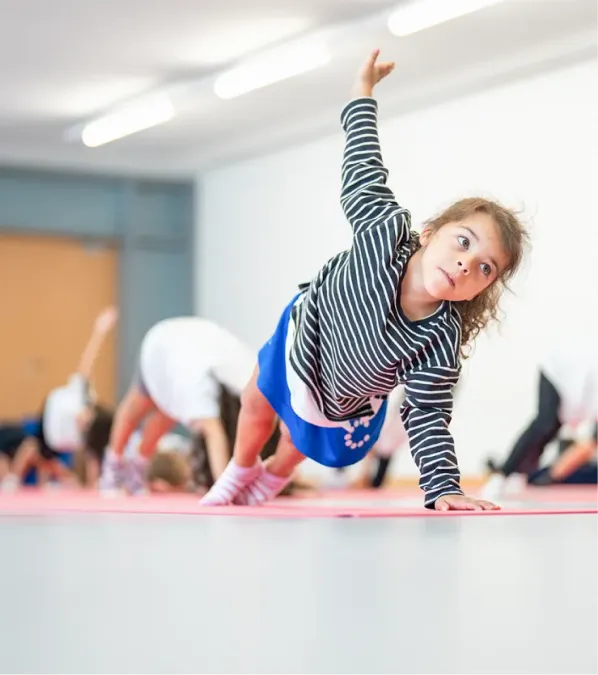
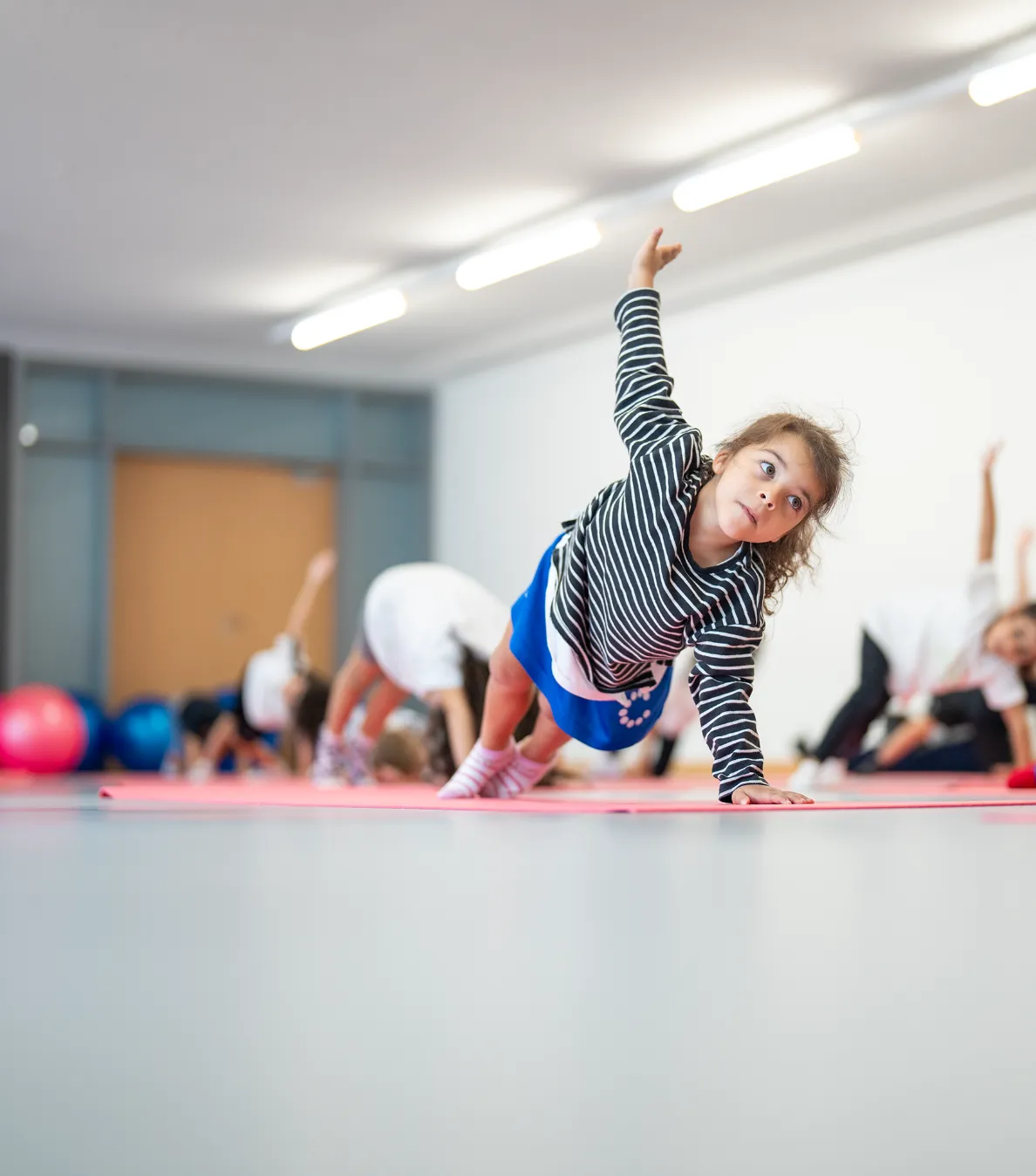
Mindfulness and movement activities, like yoga, stretching, and guided relaxation, that improve focus and emotional stability.

These habits help children feel grounded, supported, and deeply understood, laying  the foundation for lifelong emotional health.

Future Outlook: Raising Future-Ready, Values-Driven Learners

Values anchor learners in a changing world. When children grow up with empathy, curiosity, resilience, inclusivity, a growth mindset, a commitment to sustainability, and a strong sense of wellbeing, they are prepared for life.

Citizens School continues to champion a values-driven approach that nurtures confident, thoughtful, and future-ready learners as part of its broader commitment to Reimagining Education. As our learners engage with the Citizens’ values, families gain a deeper understanding of how these principles shape every learner’s journey, today and for the future.

Filed Under: Blog

  • « Go to Previous Page
  • Page 1
  • Page 2
  • Page 3
  • Page 4
  • Page 5
  • Page 6
  • Interim pages omitted …
  • Page 15
  • Go to Next Page »

Footer

Get in touch

Submit

Enquire Now

Submit

Book a Tour

Submit

Apply Now

Submit

From Nursery to Year 10
Admissions
Open Now

Fill out the form below to find out more for the 2025-26 academic year.

Register Now
Book A Virtual Tour phone

Join our newsletter for events, school updates, and community stories.
Quick Links
  • About
  • Campus
  • Programmes
  • Events
  • Admissions
  • Media
  • Podcasts
  • Careers
  • Contact
Community
  • Our Learners
  • Our Parents
  • Our Mentors
  • Senior Leadership Team
  • Governors
  • Safeguarding
  • Pastoral Care
  • Inclusion
  • Parents Advisory Group
  • KHDA Calendar
Find the Campus
  • COBIS
  • dubai-knowledge
  • COBIS
  • dubai-knowledge
School Policy (KHDA) Privacy Policy Accessibility Policy Terms & Conditions This website is owned by Citizens School LLC

WhatsApp us