Citizens School





















 English


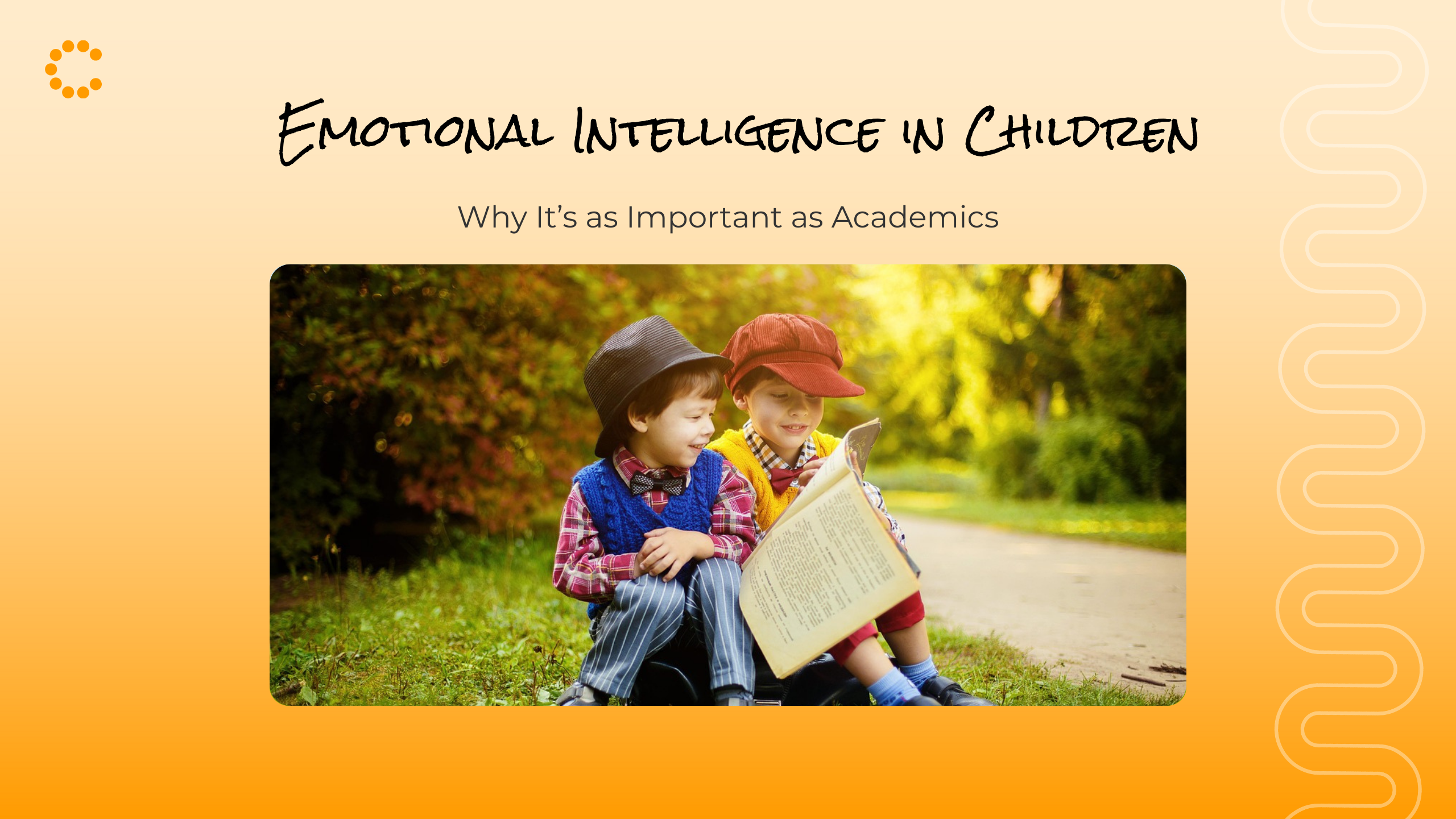
Emotional Intelligence in Children: Why It’s as Important as Academics
Emotional intelligence (EQ) in children is more than just recognising feelings. It is the capacity to perceive, interpret, and manage emotions: your own and those of others. It isn’t about suppressing feelings; it’s about recognising them, understanding their source, and responding with intention. In a world where interpersonal skills and self-awareness are key to thriving, EQ now stands shoulder to shoulder with IQ in importance.
Research underscores the importance of EQ. A comprehensive meta-analysis by the American Psychological Association found that students who received structured social and emotional learning (SEL) instruction scored 11 percentile points higher on standardised academic tests than those who did not. Another study on child development found that children with strong emotional and social skills in kindergarten were more likely to graduate high school, go to college, and gain full-time employment by age 25.
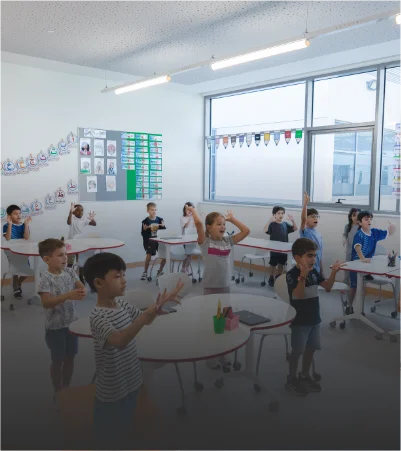
At Citizens School, EQ isn’t treated as an extracurricular focus. It’s built into the very framework of learning. From how lessons are designed to how mentors interact with learners, emotional growth is prioritised alongside academic rigour. Because a child who can manage emotions is a child better prepared for life, not just exams.
What Is Emotional Intelligence, and Why Does It Matter?
Emotional intelligence is made up of five interdependent competencies:
- Self-awareness: Recognising one’s emotional state and its impact on behaviour
- Self-regulation: Managing disruptive emotions and impulses
- Empathy: Understanding and sharing the feelings of others
- Motivation: Channelling emotions to pursue goals with persistence
- Social skills: Navigating social environments with respect and effectiveness
Unlike IQ, which measures cognitive ability, EQ directly influences how learners manage challenges, collaborate with peers, and make ethical decisions. It’s not a measure of what children know, but how they apply what they know in emotionally charged situations.
Emerging research highlights EQ’s tangible academic value. According to CASEL (Collaborative for Academic, Social, and Emotional Learning), students in evidence-based SEL (social and emotional learning) programs showed an average 13% improvement in academic performance, improved classroom behaviour, and decreased emotional distress. This proves that emotional well-being is foundational to learning.
How Emotional Intelligence Supports the Whole Child Development
Emotional intelligence goes beyond social niceties; it’s a developmental anchor. When children build emotional awareness and regulation, it influences how they relate, cope, and lead. Here is how EQ supports your child’s development.
1. Strengthens Relationships
Children with strong EQ are more attuned to the feelings of others. They can read nonverbal cues, adapt their responses, and approach conflict with empathy rather than aggression. This supports positive peer interactions, reduces conflicts, and builds trust in group settings.
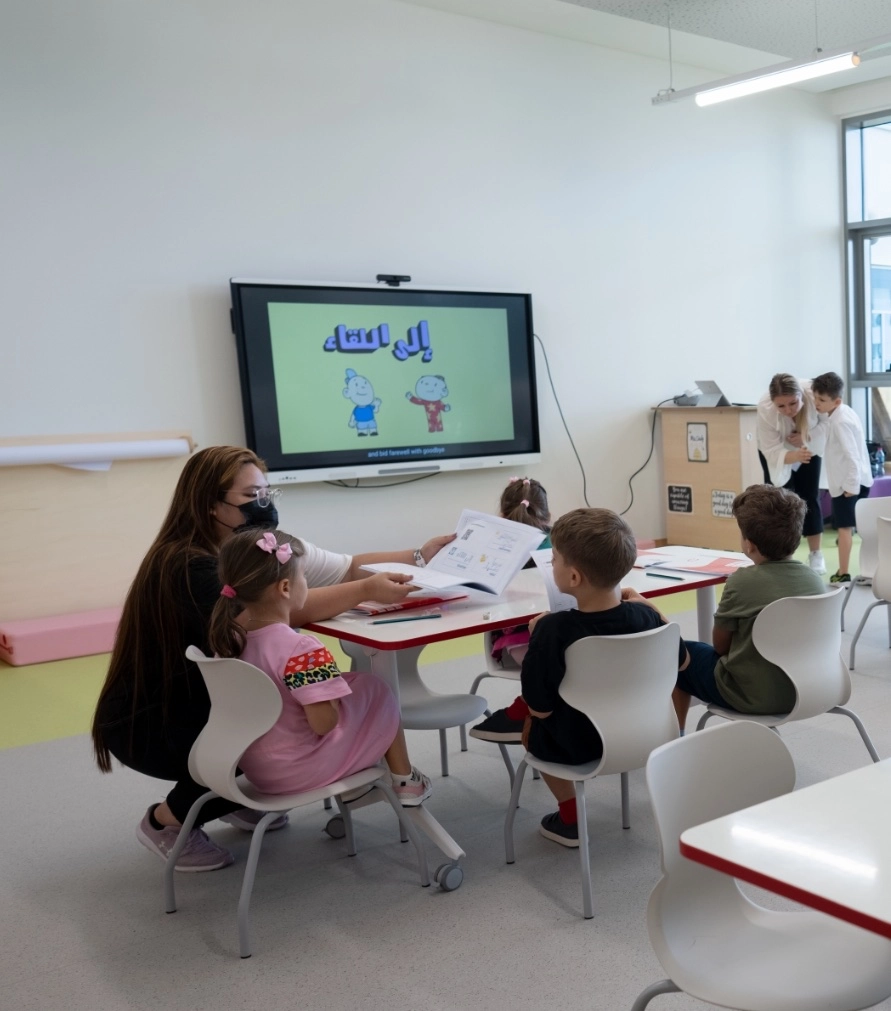
Skills like active listening, emotional perspective-taking, and constructive feedback help learners form meaningful, respectful relationships, essential both in and out of the classroom. Building relationships in school is a significant aspect of project-based learning at Citizens, which thrives when learners understand each other both emotionally and intellectually.
2. Boosts Mental Wellbeing
Emotionally intelligent learners are better equipped to handle internal stressors. They’re more likely to:
- Identify and label their emotions accurately (like “I’m feeling nervous” rather than just “bad”).
- Use self-regulation strategies (like breathing techniques or pausing before reacting).
- Ask for help when overwhelmed.
By reducing stress and empowering children to ask for help, emotional intelligence directly strengthens their emotional well-being.
3. Builds Future-Ready Leadership
The future workforce values leaders who can empathise, communicate transparently, and operate ethically. They’ll need to transcend uncertainty, collaborate across differences, and make decisions with empathy and integrity. EQ supports this by:
- Enhancing emotional self-awareness, which leads to more grounded decision-making.
- Encouraging ethical reasoning and responsibility.
- Enabling children to lead through influence rather than authority.
At Citizens, children are encouraged to engage in ethical dilemmas, group reflections, and leadership roles within their learning studios, helping them cultivate leadership skills. These are not traits reserved for adulthood; they’re built gradually, through consistent exposure.
How Citizens School Develops Emotional Intelligence
At Citizens, emotional intelligence is part of the school’s DNA. It’s reflected in how classrooms function, how relationships are nurtured, and how challenges are approached. The emotional bandwidth of each learner is considered as vital as their academic progress, because emotions shape how children think, connect, and persevere.
A Culture of Emotional Safety and Belonging
Every learner at Citizens is “known and known well.” This principle is embedded in the school-wide culture, ensuring learners feel safe and emotionally supported. Educators focus on building trust and emotional safety, ensuring that children feel seen, heard, and supported.
Learners are encouraged to express themselves without fear of judgment or dismissal. Trust and psychological safety are essential to unlock emotional expression, risk-taking, and real growth.
Learning Through Real-Life Contexts
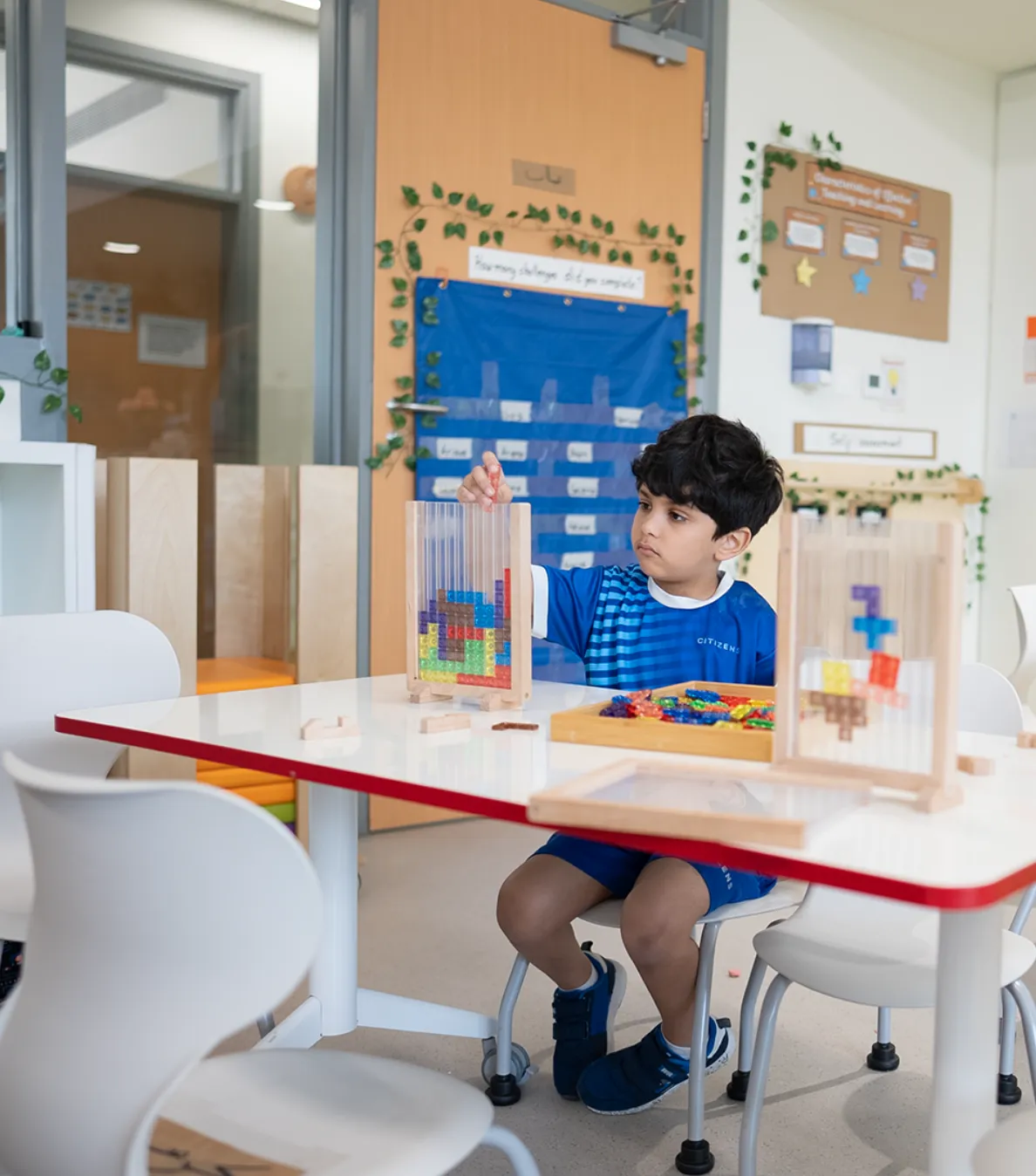
Emotional intelligence is developed through experiential learning. Within their learning studios/environment, learners engage in:
- Role plays to understand others’ perspectives.
- Group work that encourages collaboration, negotiation, listening, and accountability.
- Inquiry-led projects where disagreements and setbacks become learning opportunities.
These contexts push children to consider multiple viewpoints, guide group tensions, and develop their emotional vocabulary. Reflection is a key tool. Dedicated time to pause, unpack emotions, and analyse reactions helps learners develop emotional intelligence in children.
Wellbeing Woven into the Curriculum
At Citizens, well-being is integrated into daily life, rather than treating it as a weekly lesson.
- Emotional check-ins during morning routines create space for learners to express how they’re feeling.
- Mindfulness practices help children recognise emotional patterns and respond with intention.
- Values education reinforces empathy, respect, and responsibility in tangible, age-appropriate ways.
Importantly, all educators are trained to model emotionally intelligent behaviour. From how mentors respond to conflict to how feedback is given, children witness EQ in action, consistently and authentically.
Together, these practices create a learning environment where emotional development is as visible, measurable, and intentional as academic achievement.
How Can Parents Nurture EQ at Home?
Emotional intelligence isn’t built overnight, nor does it require grand lessons. The most lasting EQ skills often develop through daily interactions at home. Here’s how parents can start teaching emotional intelligence:
1. Make Feelings Part of the Conversation
Emotions shouldn’t be hidden or dismissed. Naming feelings like frustration, excitement, or disappointment helps children build emotional vocabulary. Try phrases like, “It looks like you’re feeling nervous. Do you want to talk about what’s on your mind?” This not only validates their experience but also builds awareness.
2. Talk About Feelings Openly
Language shapes perception. When parents name emotions- frustration, jealousy, disappointment- it helps children build the internal language needed to navigate their feelings. When they share, pause before offering advice. Listen without interruption and respond with empathy: “That sounds really hard. I understand why you felt upset.” This helps them feel seen, heard, and respected.
3. Use Mistakes as Learning Moments
Instead of rushing to move past emotional outbursts, revisit them gently when things are calm. Ask questions like, “What made you react that way?” or “What could we do differently next time?” This reflective practice develops self-regulation and problem-solving over time.
4. Model the Behaviour You Want to See
Children learn more from what they observe than what they’re told. If they see empathy and patient listening at home, they’re more likely to adopt it in their interactions. Show them how you manage frustration, apologise, or set boundaries. Saying, “I felt overwhelmed today, so I took a short walk to clear my head,” teaches healthy emotional coping strategies by example. These small acts, repeated consistently, build a child’s capacity for compassion.
5. Celebrate Empathy and Kindness
When emotional incidents occur, such as an argument, a tantrum, or a bad day, don’t rush to fix or scold. Acknowledge moments when your child shows care, patience, or understanding. These small recognitions, like “You were thoughtful when you shared with your sibling”, reinforce the value of empathy and emotional awareness.
Conclusion
Academic skills build capability, but emotional intelligence in children builds character. It helps children handle the highs and lows of life with self-awareness, resilience, and empathy. These aren’t optional qualities; they’re essential.
At Citizens School, emotional intelligence is integral to our teaching, interactions, and support of every learner. When children feel emotionally secure and understood, they are more open to learning, more equipped to collaborate, and better prepared to lead.
Families play a pivotal role in teaching emotional intelligence at home. By modelling empathy, validating emotions, and encouraging reflection, parents can help nurture confident, emotionally intelligent young people for life.
Footer

From Nursery to Year 10
Admissions
Open Now
Fill out the form below to find out more for the 2025-26 academic year.