Citizens School


 English


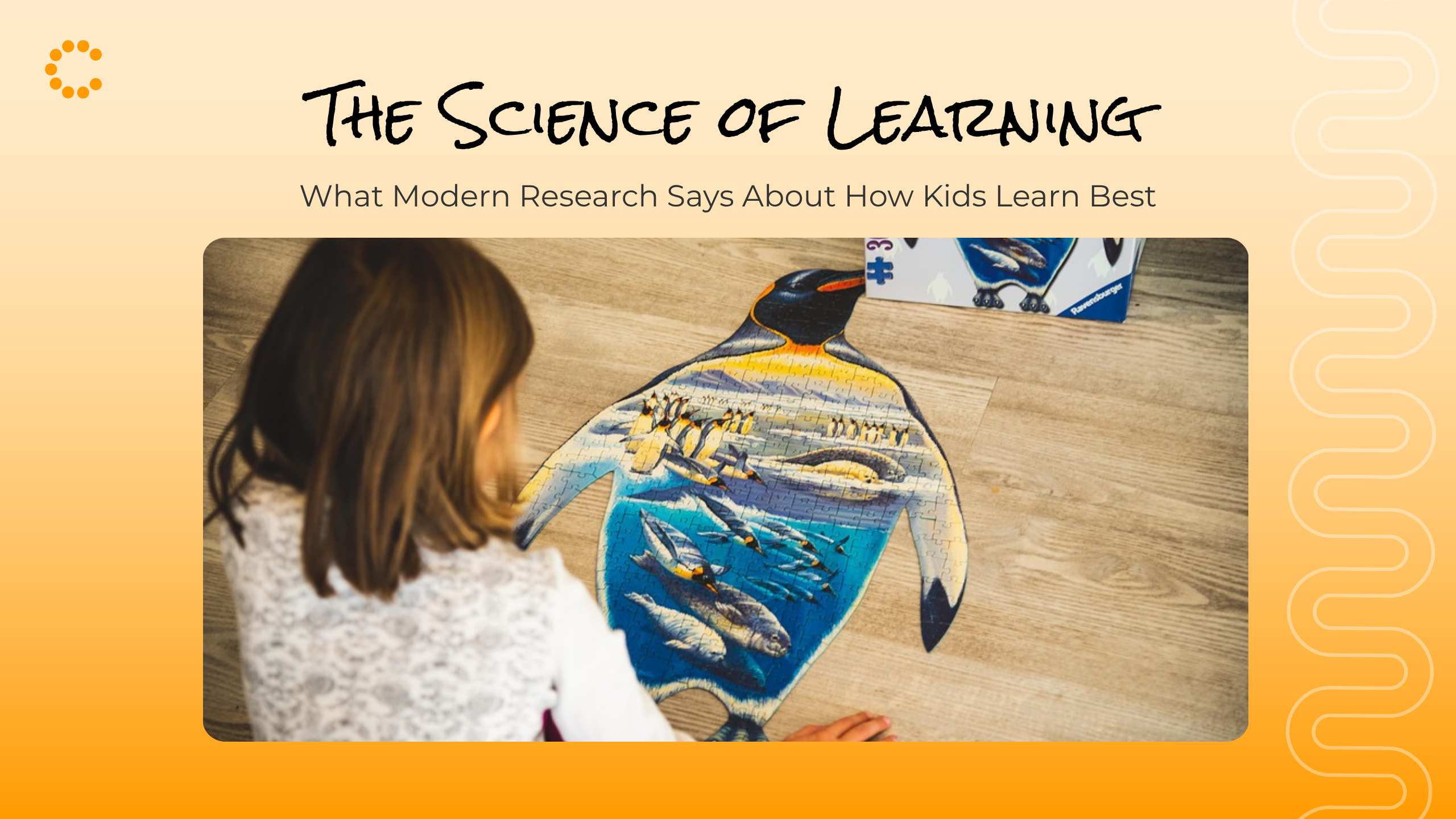
The Science of Learning: What Modern Research Says About How Kids Learn Best
We’re living in an exciting time for education. Decades of research in neuroscience and cognitive science have dramatically reshaped our understanding of how children learn best. Learning is no longer defined by rote memorisation and repetition but as a dynamic process of building understanding, applying knowledge to real life, and growing through exploration and reflection.
At Citizens School, our approach is rooted in the science of things. We design every experience around how the brain actually works through inquiry, reflection, collaboration, and purposeful doing. When children understand why they’re learning something and how it connects to their world, they don’t just remember it; they own it.
How the Brain Learns: Key Findings from Research
Modern neuroscience reveals how children learn best, enabling the creation of environments that foster their growth and development. Let’s look at what is beneficial for kids
Learning Is Active, Not Passive
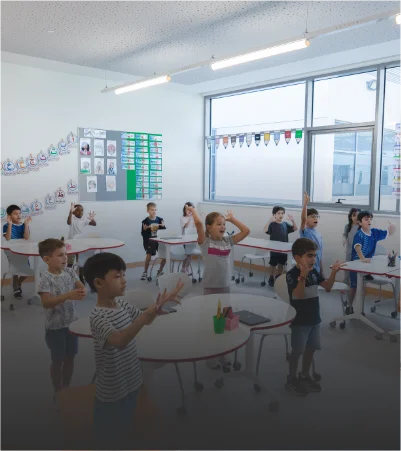
Neuroscience confirms that the brain lights up when learners are actively engaged. Whether it’s building a prototype, coding a game, or working through a sustainability challenge, doing something with new information leads to stronger, deeper learning than simply hearing about it. This kind of engagement helps develop a growth mindset in kids, encouraging learners to value effort as much as the outcome.
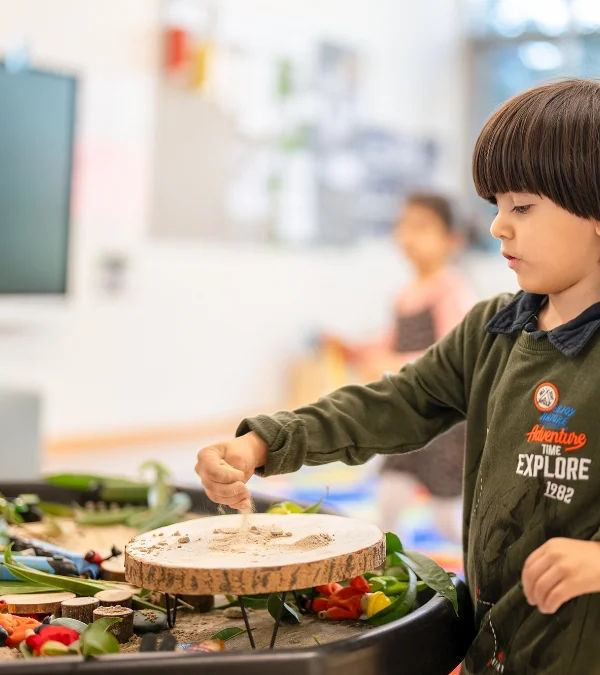
Active learning increases neural connectivity, strengthening memory retention and understanding. That’s why Citizens places project-based learning at the core of its curriculum, so that learners can construct meaning through hands-on learning, creating, and problem-solving.
Prior Knowledge Shapes New Learning
New learning is absorbed effectively when it links to existing information. When learning connects to personal experiences or existing knowledge, it becomes memorable and meaningful.
At Citizens, learners are encouraged to draw from their backgrounds, interests, and lived experiences, making learning relevant, relatable, and real.
Challenges Are Part of the Process
Cognitive science highlights the concept of “desirable difficulty – It is the idea that challenge fuels long-term learning. When learners wrestle with a problem, their brains do their best work. Working through challenges and learning from mistakes strengthens memory, deepens understanding, and acts as an integral part of building a growth mindset at home, essential for perseverance and resilience.
At Citizens, our goal isn’t perfection, but rather the growth of the learners. They are encouraged to reflect on their challenges and view challenges as essential steps in the learning journey.
Why Inquiry-Based and Project-Based Learning Work
Traditional methods often prioritise memorisation. But research shows children learn best when they’re curious, active, and emotionally invested. That’s exactly where inquiry-based learning and project-based learning (PBL) shine.
Curiosity Is the Engine of Learning
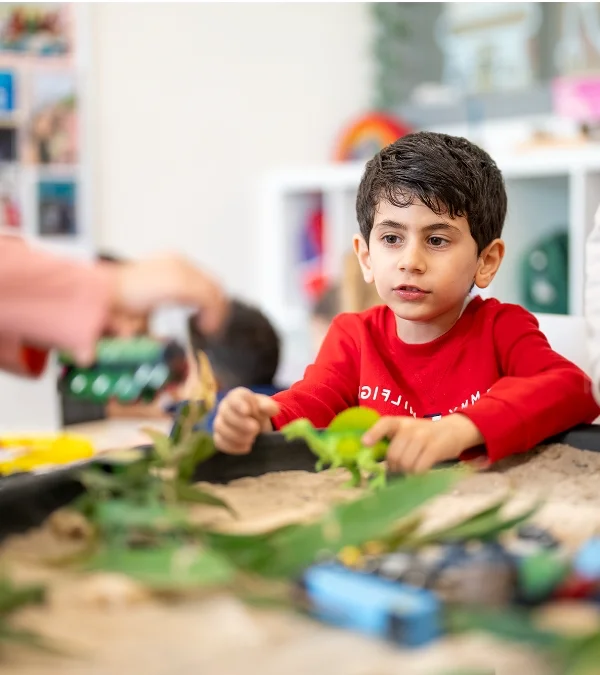
Children are naturally inquisitive. Inquiry-based learning taps into that natural drive, encouraging learners to wonder, explore, and discover. This leads to stronger engagement and better retention.
This process builds ownership where learners remember more when they’ve uncovered it themselves. It’s not just about finding the right answer; it’s about developing the mindset to ask, “Why?” and “What if?”
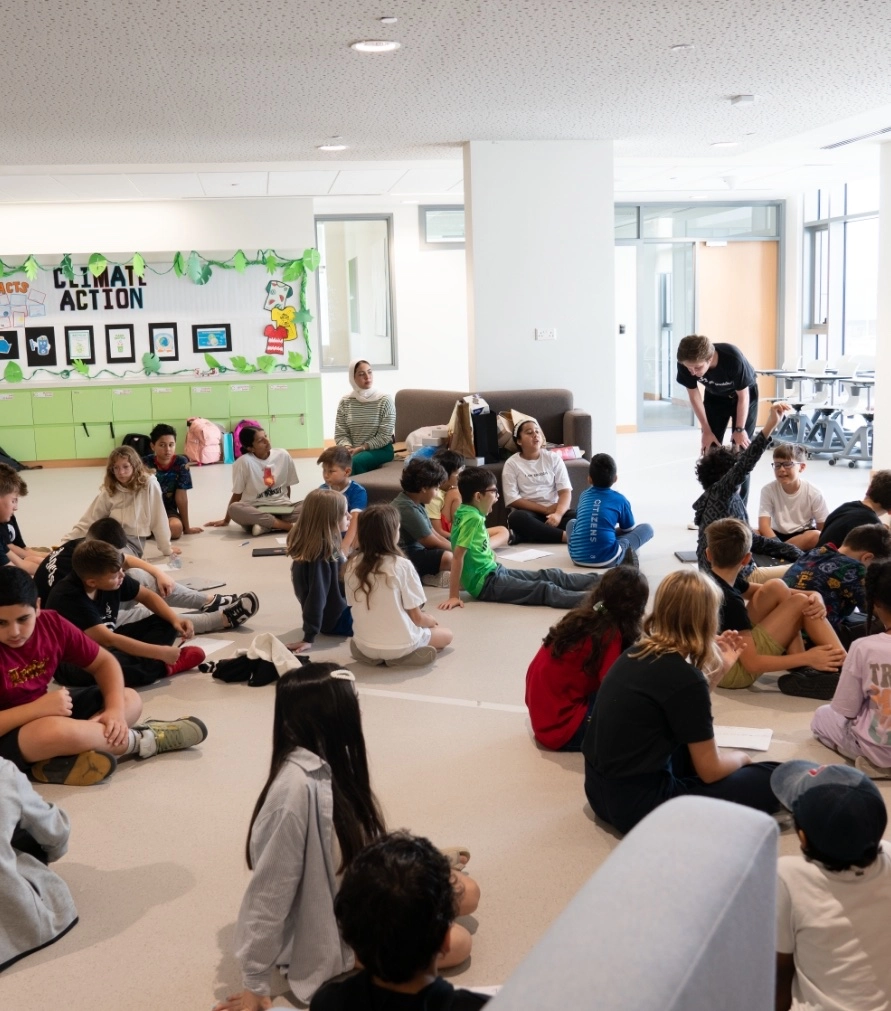
At Citizens, learners investigate open-ended questions and explore real-world issues, from climate change to food security, finding answers that matter to them.
Learning by Doing = Deeper Thinking
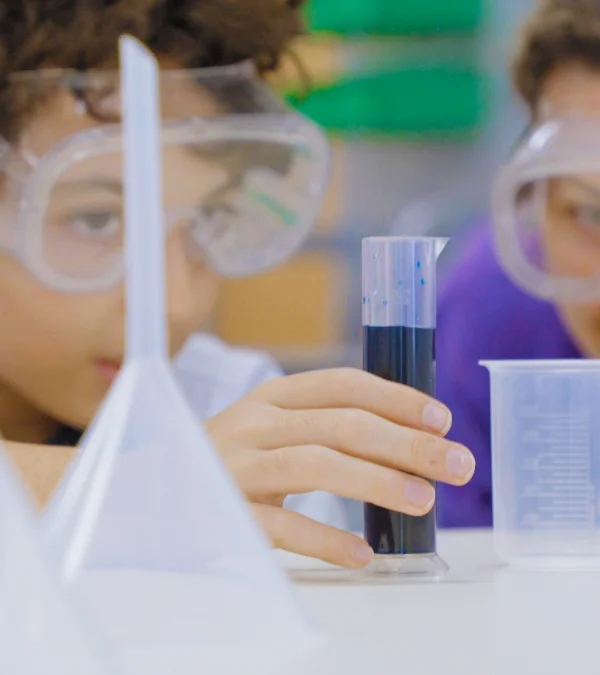
When learners build something, conduct a science experiment, or solve a real-world problem, they’re engaging cognitively, emotionally, socially, and physically. Whether it’s building a prototype for clean energy or designing a campaign on food waste, PBL helps learners apply academic knowledge to real-life contexts. It makes learning relevant and purposeful. They’re applying knowledge across multiple domains such as cognitive, social, and emotional.
Project-based learning mirrors the complexities of real life. It blends skills like planning, analysing, collaborating, and creating, but also introduces challenges. When things don’t go as planned, learners face setbacks, building the emotional resilience and problem-solving skills needed to adapt, recover, and grow. This layered engagement leads to deeper understanding, not just surface-level recall.
Deep Engagement, Not Surface-Level Recall
Research shows that when children are personally invested in what they’re learning, they process it more deeply. When learning is anchored in real-world issues, such as climate change, community design, and entrepreneurship, it feels purposeful. It matters. PBL is proven to enhance not just academic results but also long-term skill development.
Children are far more likely to invest effort in something that has meaning. PBL encourages them to see themselves as changemakers, not just learners completing tasks. This relevance boosts intrinsic motivation, creativity, and long-term retention and lays a foundation for long-term learning.
How Citizens School Applies the Science of Learning
At Citizens School, the science of learning isn’t just theory; it’s embedded into everyday practice. Every learning experience is carefully designed to reflect how young minds actually grow, adapt, and thrive.
Transdisciplinary and Purpose-Driven Learning
Learning at Citizens isn’t compartmentalised. They’re designed to mirror the interconnectedness of the real world. A single project might integrate science, literature, design, and data analysis, which is anchored around a purpose, not just a grade.
Themes are grounded in real-world relevance, from designing sustainable cities to exploring ethical entrepreneurship. These aren’t one-off assignments; they’re collaborative investigations built around learners’ questions, strengths, and curiosities. This transdisciplinary approach helps develop a growth mindset in education and prepares learners to adapt and thrive in an ever-changing world.
This transdisciplinary approach aligns with the Citizens Future Framework, developing entrepreneurial thinking, collaboration, and digital fluency.
A Culture That Embraces Thinking and Reflection
Thinking about thinking, also known as metacognition, is a core practice at Citizens. Learners regularly reflect on their reasoning, challenge each other’s ideas, and consider alternative approaches. Reflection isn’t an afterthought, but it’s embedded in every project and inquiry cycle. It’s how learners become truly independent thinkers.
Structured reflection through thinking routines, group debriefs, and personal journals makes metacognition second nature. Learners start to understand how they learn, not just what they learn. This empowers them to transfer skills to new challenges with greater confidence.
A Balance of Challenge and Support
Learning should stretch a child, but never overwhelm them. Tasks are intentionally designed to be just challenging enough to promote growth, while maintaining a structured approach. Educators at Citizens don’t just instruct; they mentor, observe, adapt, and co-learn alongside learners. This relationship helps learners feel safe enough to take intellectual risks, strengthening perseverance and resilience in learners.
What Parents Can Take Away from Learning Science
Parents play a powerful role in shaping how children view learning, not just at school, but in life. Modern learning science offers clear, actionable insights that parents can apply at home to reinforce curiosity, resilience, and independence and support teaching a growth mindset at home.
Encourage Curiosity
Follow your child’s interests. Instead of rushing to provide answers, pause and explore questions together. Ask “why” and “what if” questions. Whether it’s spotting constellations, fixing a broken toy, or understanding a news headline, treat daily life as a springboard for investigation. Let your child take the lead and teach you what they’ve learned.
Talk About Learning, Not Just Results
Shift conversations away from scores and right answers. Ask open-ended questions like, “What part challenged you?” or “What did you learn by trying?” When children come home, ask “What did you try today?” or “What was tricky?” rather than focusing only on grades. This builds metacognition, which helps children reflect on their strategies and grow from missteps. It also normalises challenges as part of the learning journey while building perseverance and resilience in learners.
Promote Independent Thinking
Give your child opportunities to make decisions, set goals, or lead family activities. Cooking a meal, planning a weekend outing, or managing a small project at home fosters executive functioning skills like planning, evaluating, and adjusting. These real-life applications promote a sense of agency and self-efficacy, which are important for lifelong learning.
Model a Love for Learning
When children see adults reading, trying something new, or grappling with a tough challenge, they internalise that learning never stops. Share your own learning process, whether it’s figuring out a new app, exploring a hobby, or navigating a work project. Your actions show that learning is lifelong and not something that ends at school.
Conclusion
The science is clear: children grow when they’re challenged, engaged, and supported. When education aligns with how the brain truly learns, school becomes more than a place to gain knowledge. It becomes a launchpad for curiosity, creativity, resilience, and purpose. And when parents, educators, and learners work in partnership, that impact deepens.
At Citizens School, this insight shapes every aspect of learning. By nurturing and helping kids develop a growth mindset, fostering lifelong learning, and building perseverance and resilience in learners, we create learners who are not just school-ready but life-ready.
Footer
From Nursery to Year 10
Admissions
Open Now
Fill out the form below to find out more for the 2025-26 academic year.