Citizens School





 English


Top 7 Schools in Dubai Focused on Creativity & Innovation
Creativity and innovation are essential for navigating complexity, uncertainty, and rapid change. Today, children need to think laterally, question assumptions, and design solutions – not just memorise answers.
Dubai’s education ecosystem has evolved quickly in response. With a diverse population and a future-focused vision, schools across the city are experimenting with progressive curricula, interdisciplinary learning, and student-led learning that put innovation alongside academic outcomes.
For parents, this shift can be confusing. How do you spot schools where innovation is truly embedded and not an add-on? This guide explains what creativity and innovation look like in practice and highlights Dubai schools known for forward-thinking, student-centric practices.
What Does “Creativity & Innovation” Mean in a School Context?
Creativity in education extends far beyond the arts. It is about problems, generating ideas, and applying knowledge across contexts. Innovation isn’t limited to technology use; it’s about rethinking teaching, assessment, and the role of the student.
Key indicators of innovative schools include:
- Inquiry-based learning, where questions drive exploration rather than fixed outcomes
- Project-based experiences tied to real-world challenges
- Design thinking and experimentation, encouraging ideation, testing, and iteration
- Student voice and agency, allowing learners to influence what and how they learn
How We Identified Schools Focused on Creativity & Innovation
This is not a ranked list. It reflects schools in Dubai that are widely recognised for progressive pedagogies and learner-focused frameworks.
The criteria considered include:
- Curriculum flexibility and alignment with future-ready competencies
- Teaching approaches that prioritise questioning, dialogue, and experimentation
- Meaningful integration of technology and digital literacy
- Opportunities for real-world learning and student-led projects
- Strong emphasis on wellbeing, collaboration, and learner agency
Overview: Top Schools in Dubai Championing Creativity & Innovation
Below are Dubai schools known for embedding creativity and innovation into their daily learning. Each school takes a different route – British, IB, American, Swiss, or hybrid – but all prioritise student-centred real-world learning.
This school blends the American curriculum with the IB Diploma for higher years. Its approach emphasises personalised learning, global awareness, and co-curricular activities that encourage students to undertake ambitious projects, collaborate, and apply knowledge in meaningful ways.
Rooted in the UK National Curriculum, King’s School Dubai integrates creative, inquiry-driven learning throughout. The curriculum is adapted annually by teachers to embed real-world contexts, exploration, and critical thinking, ensuring students develop leadership and problem-solving skills alongside academic knowledge.
DIA is part of the Innoventures Education group and is known for its strong International Baccalaureate continuum and holistic approach to learning. It emphasises inquiry-based projects, integrated digital learning, and community engagement, supporting students to innovate and collaborate beyond the classroom
Dubai British School (e.g., Emirates Hills campus) integrates creativity and digital innovation into its curriculum. It is recognised for strong technology use, including computer science programmes and project-based learning opportunities that encourage students to experiment with emerging tools and ideas.
SISD, now part of Nord Anglia Education, offers a bilingual IB programme that includes STEAM (Science, Technology, Engineering, Arts, Mathematics) learning and global collaborations. The school’s environment fosters inquiry and experimentation, helping learners gain advanced digital competence and creative thinking skills.
This school places strong emphasis on creativity and innovation across its British/IB curriculum. Part of the global Nord Anglia Education network, it offers experiences connected with MIT, Juilliard, and other institutions to expand student perspectives and creative capacities.
GEMS Modern Academy offers a dual curriculum, Indian (CISCE) and International Baccalaureate (IB), and has been consistently rated Outstanding by KHDA. The school’s innovation ecosystem includes challenge-based learning, entrepreneurship programmes, innovation festivals, and integration of technology and creative thinking across subjects.
Note for Parents: While these schools are recognised for innovation and creative learning, the right fit depends on your child’s needs, strengths, and learning preferences. Curricular labels matter less than how a school enables learners to ask questions, experiment, and grow into autonomous thinkers.
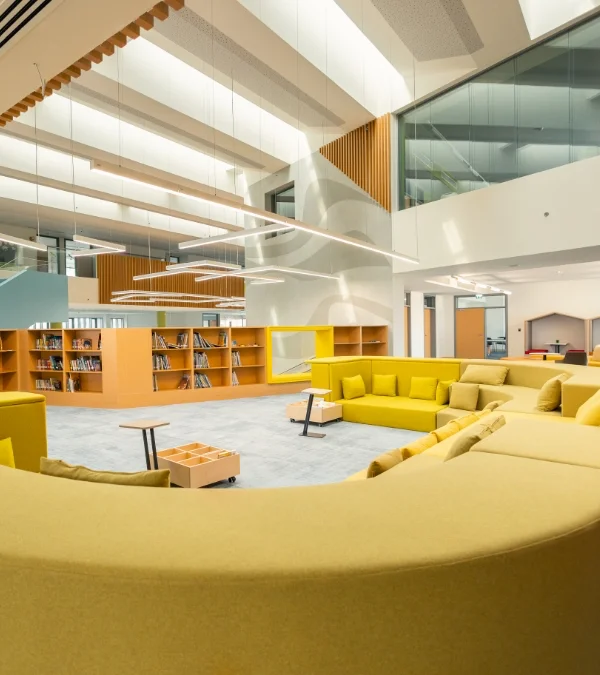
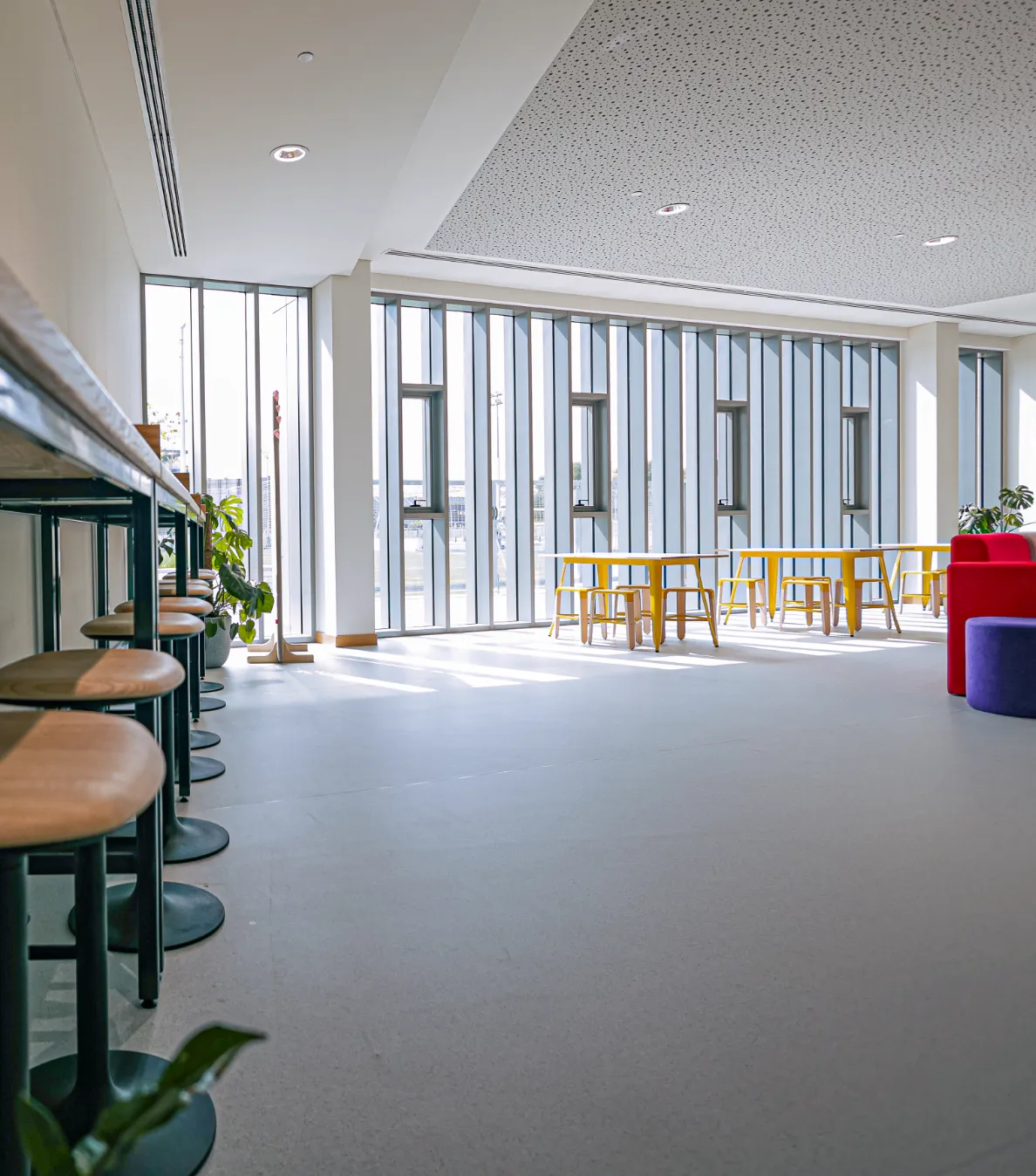
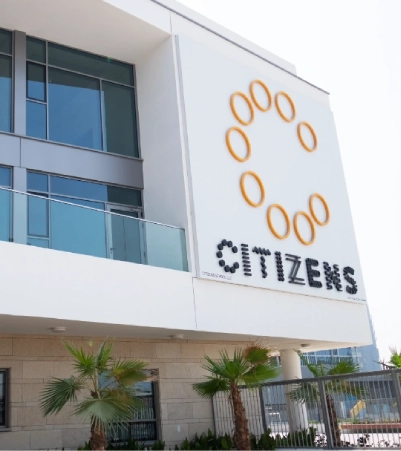
Beyond these established models, Dubai is also seeing the emergence of purpose-built schools designed from the ground up around creativity, innovation, and future readiness. One such example is Citizens School Dubai.
Citizens School Dubai: A Distinctive Approach to Creativity & Innovation
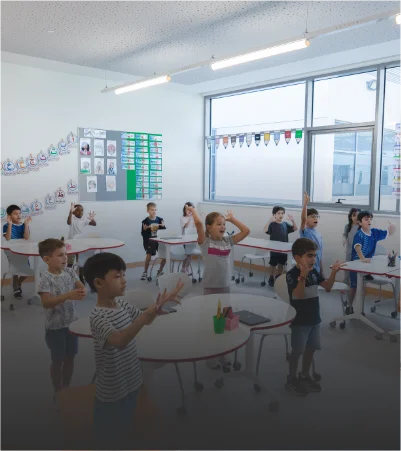
Citizens School Dubai offers a distinctive, purpose-built approach through the Citizens Future Framework. Creativity and innovation are not isolated subjects. They are embedded across learning experiences, routines, and assessment practices.
The framework is anchored in five core pillars:
- Entrepreneurship, developing initiative, adaptability, and problem-solving
- Transdisciplinary Project-Based Learning, connecting concepts across subjects
- Inquiry-Based Curriculum Delivery, driven by learner questions and exploration
- Digital Literacy, focusing on responsible, purposeful use of technology
- Everyone Known & Known Well, ensuring personalised learning and wellbeing
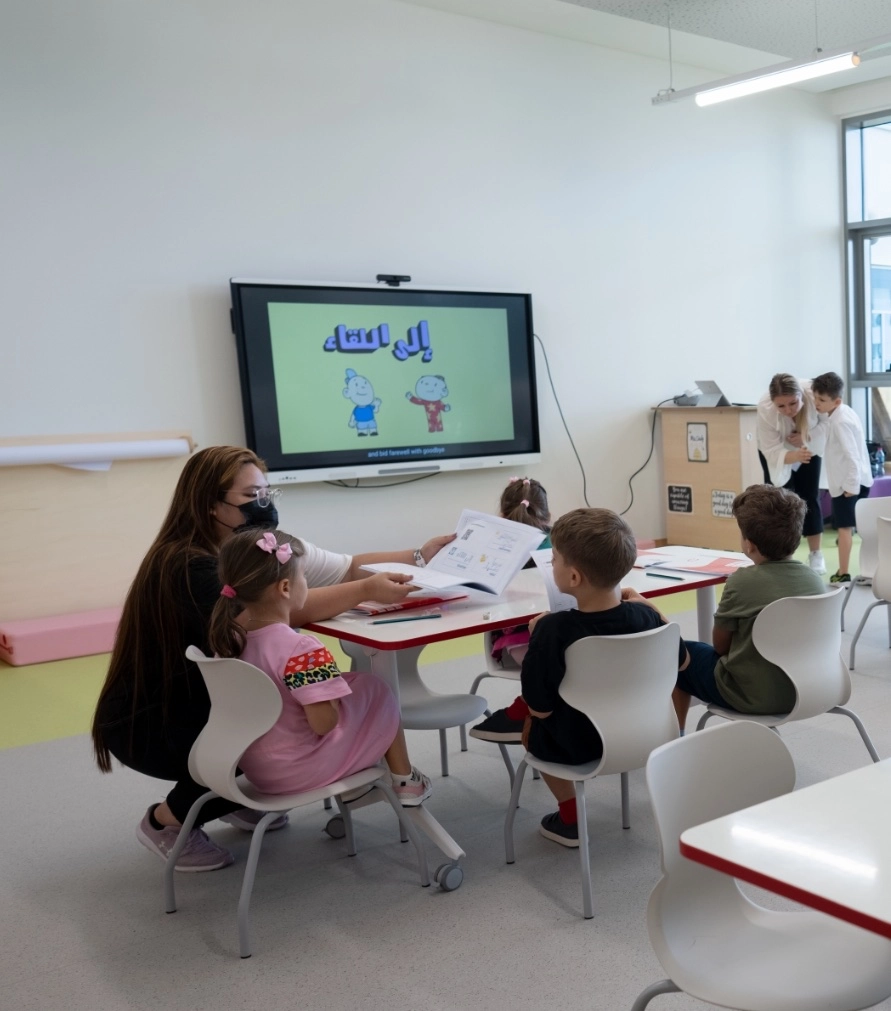
Learners regularly engage in real-world problem solving through innovation labs, venture-style projects, and design challenges. These experiences encourage autonomy while maintaining academic rigour. Importantly, creativity is balanced with wellbeing, reflection, and structure—allowing learners to take intellectual risks in psychologically safe environments.
What Parents Should Ask When Choosing an Innovative School
When evaluating schools that claim to prioritise creativity and innovation, parents may find the following questions helpful:
- How are students encouraged to ask questions and explore ideas?
- What opportunities exist for real-world projects and collaboration?
- How does the school support creativity alongside academic outcomes?
- Are children given voice, choice, and ownership in their learning?
Innovation Beyond the Classroom
Innovation is sustained not only by curriculum but by culture. In progressive schools, educators act as facilitators and mentors rather than sole knowledge holders. They model curiosity, adaptability, and reflective practice.
School culture also matters deeply. Environments that normalise experimentation allow children to take risks without fear of failure. When mistakes are treated as learning moments, learners become more willing to innovate, collaborate, and think divergently.
Strong family partnerships further amplify innovation. When schools and parents work together, children experience continuity between home and school. Conversations extend learning beyond timetables, and curiosity becomes part of daily life.
Schools and families together create ecosystems where creativity becomes a habit and not a one-off.
Conclusion
Creativity and innovation are now essential school outcomes. They are essential capabilities for a future defined by change. Dubai’s position as a global hub has enabled schools to experiment with bold, future-facing models that prioritise learner agency and relevance.
For parents, the challenge is to look beyond rankings and focus on evidence of inquiry, student agency and educational philosophy. The right school prepares children not only for examinations but also for a world where adaptability, originality, and purposeful thinking matter most.
Footer

From Nursery to Year 10
Admissions
Open Now
Fill out the form below to find out more for the 2025-26 academic year.