Citizens School













 English


Traditional vs Inquiry-Based Learning: 5 Key Differences Parents Should Know
Parents often compare curricula (British, IB, American, CBSE), but the classroom teaching approach often matters more for day‑to‑day learning.
Teaching methods and classroom environment influence far more than grades. They affect how children think, how confident they feel asking questions, and how engaged they remain as learning becomes more complex. Increasingly, parents have started looking beyond what is taught and focusing on how it is taught.
Understanding traditional vs inquiry-based approaches helps parents choose a school that fits their child’s learning style. Both models have strengths and work well in the right context. Understanding the difference helps parents make more informed choices, the ones that support long-term learning habits.
TL;DR
How children learn matters as much as what they learn. The teaching approach shapes confidence, curiosity, independence, and long-term engagement, not just grades.
Traditional learning is teacher-led; inquiry-based learning is student-driven. One focuses on instruction and recall, the other on questioning, exploration, and discovery.
Classroom experience differs significantly. Traditional classrooms prioritise structure and consistency, while inquiry-based classrooms emphasise discussion, projects, and real-world application.
Assessment methods reflect different priorities. Traditional learning relies on exams and standardised tests; inquiry-based learning uses ongoing feedback, reflection, and project work.
There’s no one-size-fits-all approach. The best learning environment depends on a child’s age, confidence, and learning style, and many strong schools blend both methods.
Why Parents Should Understand the Difference Between Learning Approaches
Children are not uniform learners. What motivates one child may overwhelm another. Learning approaches play a significant role in shaping how children experience school over time.
Learning styles vary:
Some children prefer clear routines and instructions; others do best with open-ended tasks and projects.
Impact on curiosity and motivation:
Teaching methods can either nurture curiosity or unintentionally suppress it, shaping how children approach challenges and develop a growth mindset in kids. When learning feels meaningful, participatory, and self-exploratory, children are more likely to stay motivated beyond assessments and to explore new topics.
Influence on independence and well-being:
Practices followed in the classroom affect confidence, decision-making, and emotional resilience. Children who feel heard and involved often develop stronger self-regulation skills.
Risk of mismatch:
A mismatch between your child’s needs and a school’s approach can cause disengagement. Parents can always ask to observe a class before deciding.
Knowing how a school teaches is central to whether a child feels capable, curious, and supported or not.
5 Key Differences Between Traditional Learning and Inquiry-Based Learning
Both approaches aim for strong learning, but they differ in who drives the learning and how it’s assessed. Here are five clear differences
1. Role of the Teacher
Traditional Learning:
The teacher is the primary authority and source of knowledge. They lead from the front. In this method, lessons are carefully planned, delivered directly, and followed by practice or revision.
Inquiry-Based Learning:
The teacher acts more like a guide and a facilitator. Instead of giving the answers, they pose questions, encourage discussion, and support students as they explore ideas independently
In practice:
Traditional classrooms value clarity and efficiency, while inquiry-based classrooms prioritise dialogue and discovery.
2. Role of the Student
Traditional Learning:
Students largely receive information, follow instructions, complete assigned tasks, and
demonstrate understanding through set responses.
Inquiry-Based Learning:
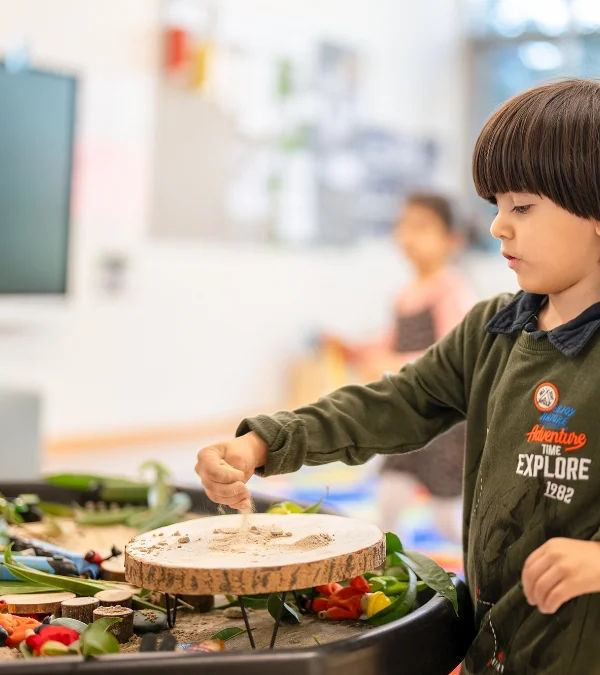
Students are active participants in this teaching style, much like in Design Thinking in Schools, where learners explore problems and test ideas. They ask questions, investigate
their problems, experiment, share perspectives, reflect on the teaching, and take
responsibility for their learning process.
In practice:
Inquiry-based learning shifts students from “listening and remembering” to “thinking and doing.”
3. Classroom Experience
Traditional Learning:
In this teaching method, lessons follow a fixed structure. Textbooks, worksheets, and uniform pacing, along with teacher-led explanations, create consistency across the classroom. This forms the core of instruction.
Inquiry-Based Learning:
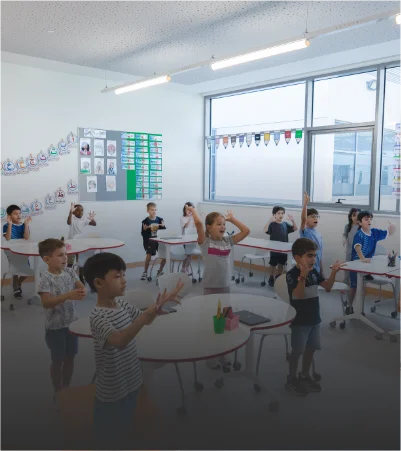
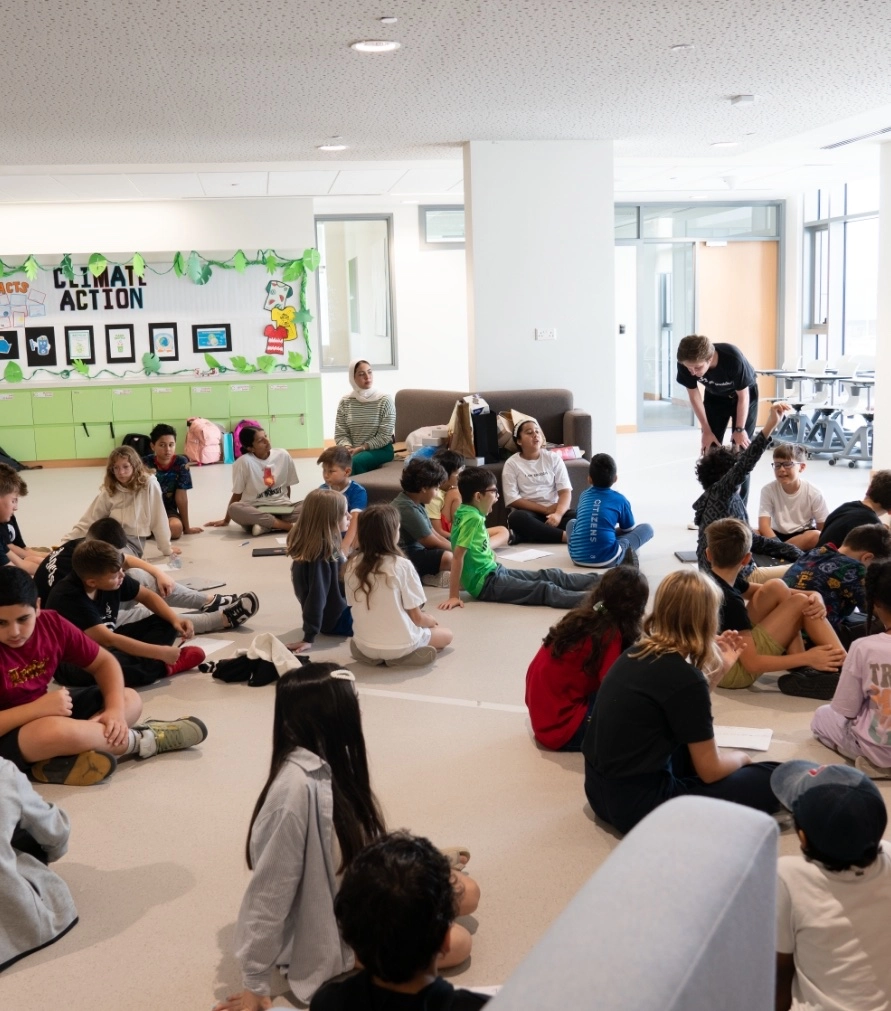
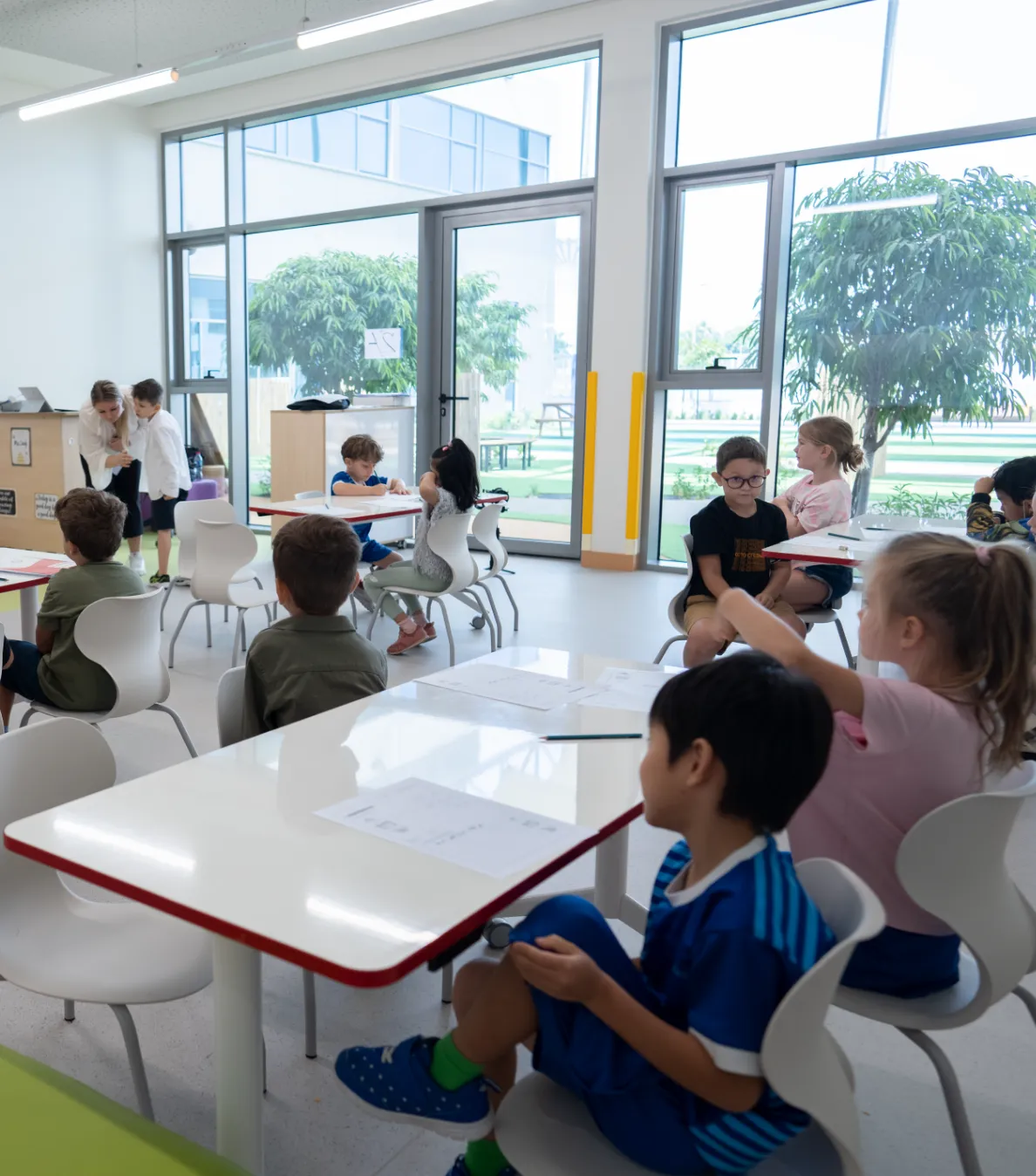
Here, classrooms feel more dynamic, often producing inspiring examples of students applying their ideas to real-world situations.Learning happens through discussions, projects, case studies, collaborative work, and real-world scenarios. Students have the flexibility to approach the same goal through different pathways.
In practice:
Traditional classrooms offer consistency and predictability, while inquiry-based classrooms offer flexibility, adaptability, and relevance.
4. Assessment & Feedback
Traditional Learning:
Here, emphasis is placed on exams, memorisation, and standardised testing to measure progress.
Inquiry-Based Learning:
In such a classroom structure, assessment is ongoing and multifaceted. Feedback on students’ performance comes through projects, presentations, reflections, peer feedback, and teacher observations.
In practice:
Inquiry-based assessment reduces reliance on high-stakes exams and focuses on growth, while traditional assessment provides clear benchmarks.
5. Skills Developed for the Future
Traditional Learning:
This learning methodology builds strong subject knowledge, exam preparedness, and academic accuracy, which can be beneficial in structured academic systems.
Inquiry-Based Learning:
Here, students develop critical thinking, creativity, collaboration, communication, adaptability, problem-solving and a growth mindset in kids that encourages them to learn from challenges. These skills are increasingly valued in higher education and future careers.
In practice:
Traditional learning prepares students well for exams. Inquiry-based learning prepares them for complexity, uncertainty, and lifelong learning.
Which Learning Approach Works Best for Your Child?
There is no universally “better” approach for teaching. The best approach is the one that works best for a specific child at a specific stage.
Match learning style with teaching method:
Some children feel secure when lessons are clearly structured, and expectations are defined. Others light up when they’re encouraged to ask questions, explore ideas, and take the lead. Observing how your child learns at home, during homework, play, or problem-solving, often offers valuable clues and Observing how your child learns at home, during homework, play, or problem-solving, often offers valuable clues and is an important step in sparking a love of learning at home.
Consider age and confidence levels:
Younger children or those who need reassurance may initially benefit from guided instruction, while curious and self-motivated learners often thrive in inquiry-driven environments. Confidence also plays a key role, for instance, children who feel safe making mistakes tend to engage more deeply in exploratory learning.
Look for balance, not extremes:
Many effective classrooms blend both approaches, while also incorporating elements of personalised learning to adapt to different students’ needs and learning styles. A strong framework combined with opportunities to investigate, discuss, and apply learning helps children stay grounded while still developing independence.
Ask the right questions during school visits:
i) How much student voice is encouraged?
ii) How are lessons structured?
iii) How are mistakes handled?
iv) How does the school support different learning needs?
Observing a class in action often reveals more than brochures or curriculum labels.
Conclusion: Choosing an Approach That Builds Lifelong Learners
Traditional learning and inquiry-based learning serve different purposes, and both have an important place in education. The key difference lies in how students engage with knowledge, not just how much they acquire.
While academic outcomes remain important, engagement, thinking skills, and emotional well-being matter just as much. Children who enjoy learning, feel confident in asking questions, and they understand how to learn, and are better prepared for a rapidly changing world.
For parents, the goal is not to choose the most popular approach, but the one that aligns with their child’s temperament, curiosity, and long-term growth. When learning feels meaningful, supported, and human, students learn to keep learning.
Footer

From Nursery to Year 10
Admissions
Open Now
Fill out the form below to find out more for the 2025-26 academic year.