Citizens School











 English


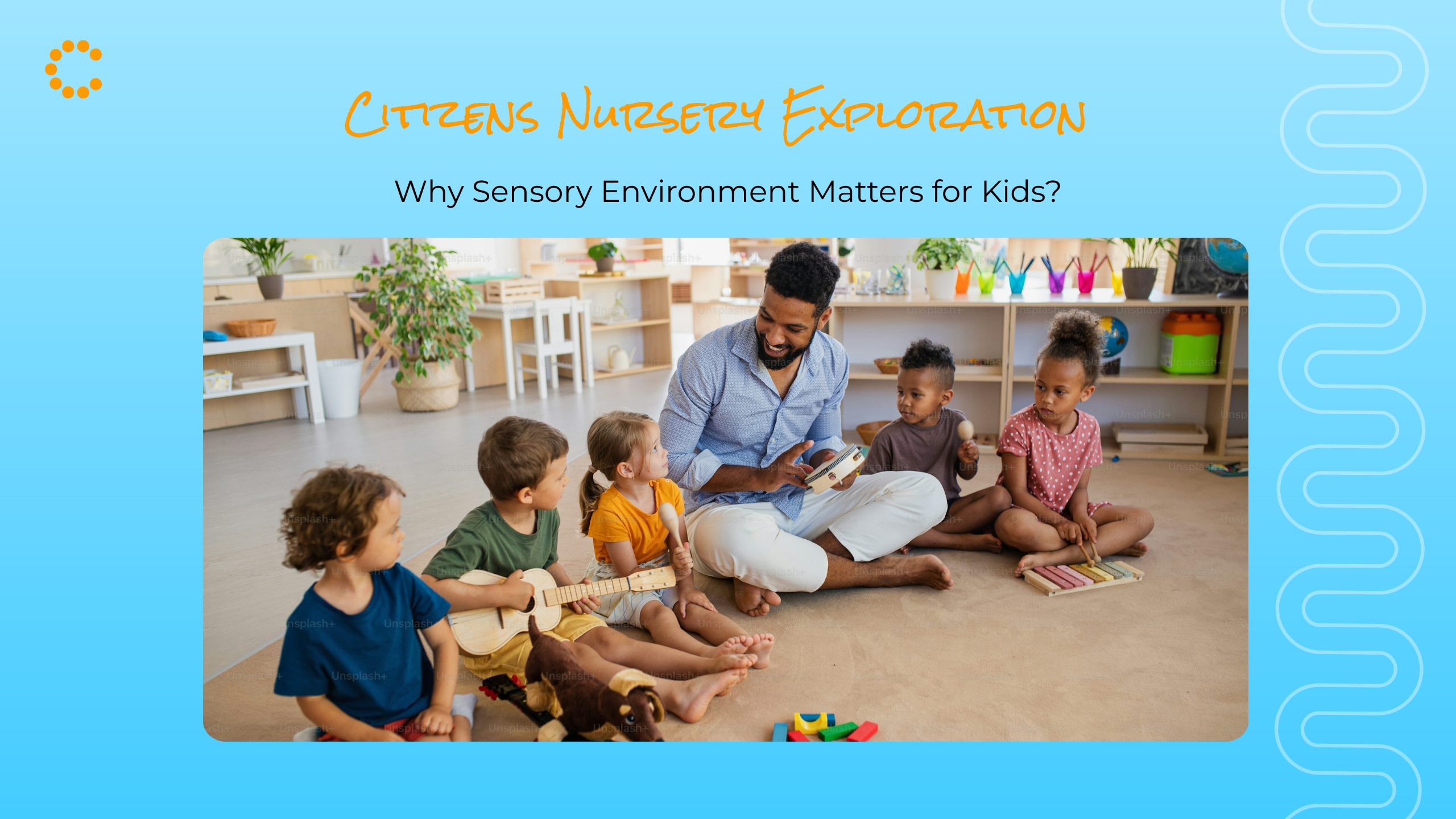
Why Citizens Nursery’s Exploratory & Sensory Environment Matters
A child’s understanding of the world begins long before words. It starts with what they can touch, see, smell, hear, and move. The feel of sand slipping through their fingers, the sound of water trickling, the colours in the sky at the end of the day. These simple experiences shape how children make sense of the world and how they express themselves.
At Citizens Nursery, sensory learning is more than play – it’s a way to explore, investigate, and understand. Every space is thoughtfully designed to spark curiosity and encourage movement, supporting our values of curiosity, wellbeing, and holistic development. Each experience, big or small, contributes to a child’s intellectual, emotional, and social growth.
Understanding Exploratory and Sensory Learning
Exploratory and sensory development are at the heart of early childhood education. They engage children in direct, hands-on experiences that connect abstract concepts to the tangible world around them. When children test how things feel, look, or move, they aren’t “just playing”. They’re building the brain pathways that support future learning in literacy, maths, problem-solving, and even emotional awareness.
Research links sensory-rich experiences to benefits such as:
i) Enhanced Cognitive Growth: Sensory play promotes brain development by stimulating multiple neural connections, improving memory and comprehension.
ii) Language Development: As children describe what they feel, see, or hear, they expand vocabulary and communication skills.
iii) Improved Focus and Problem-Solving: Experimenting with materials encourages critical thinking and attention control.
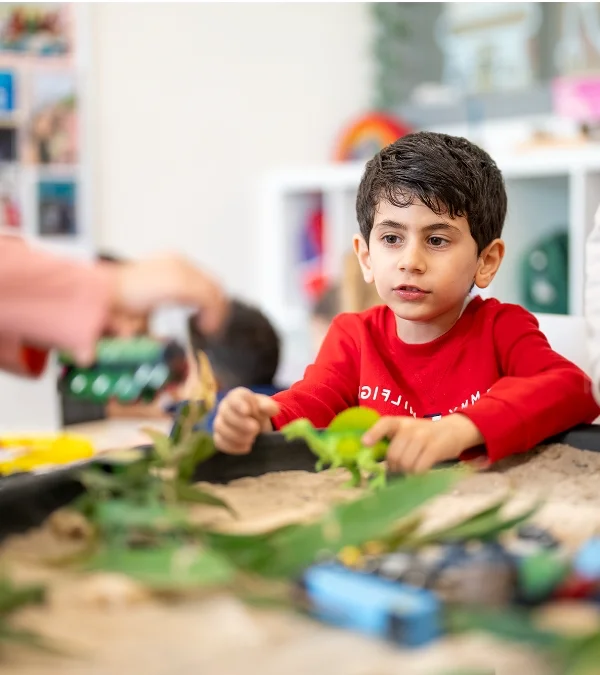
iv) Emotional Regulation: Sensory activities such as touching sand, pouring water, or moulding clay help children manage stress and develop calmness through tactile comfort.
Studies from institutions like the Harvard Centre on the Developing Child consistently highlight how these sensory foundations support important lifelong skills like focus, self-control, and planning.
Inside Citizens Nursery: Designed for Discovery
Every space at Citizens Nursery invites exploration, inquiry, and movement. We often talk about the environment as the “third teacher”, and our classrooms reflect that philosophy.
Here’s what that looks like in practice:
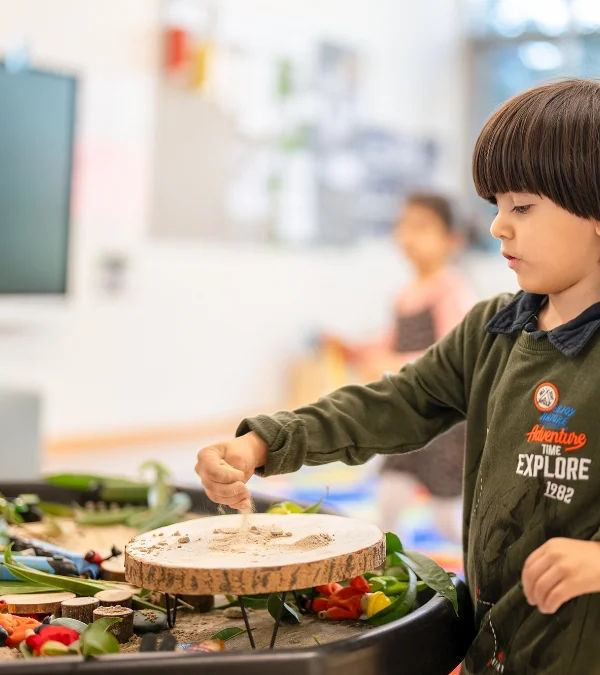
i) Sensory Corners and Tactile Play Zones: Corners filled with varied materials, such as soft fabrics and natural elements, allow children to explore textures and shapes.
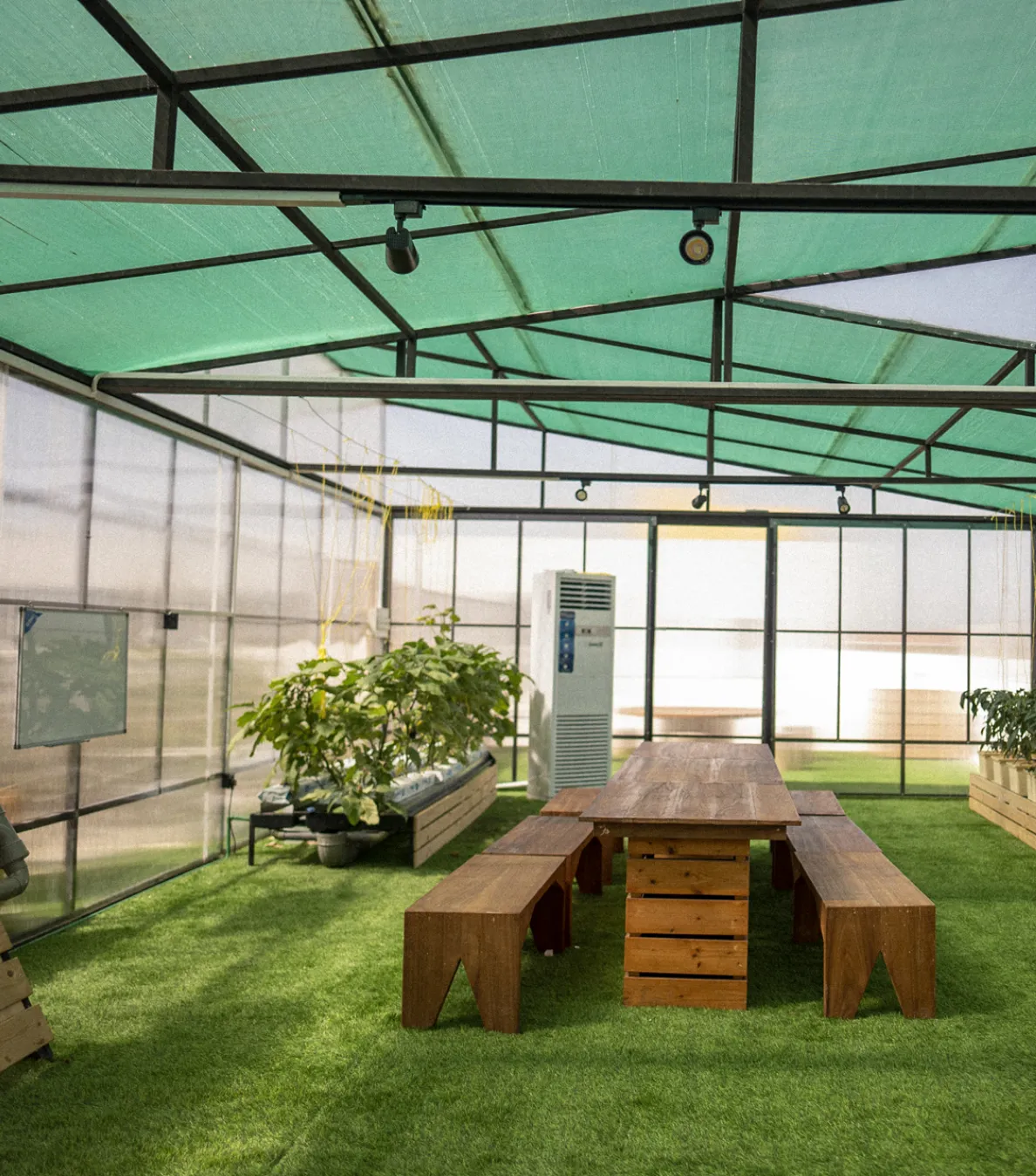
ii) Nature-Inspired Outdoor Areas: Open areas such as gardens, water features, and play arenas encourage observation and interaction with the natural world.
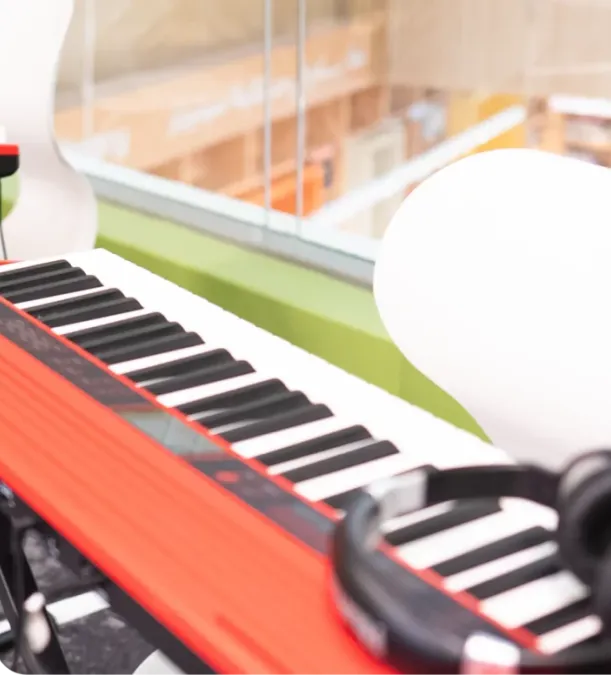
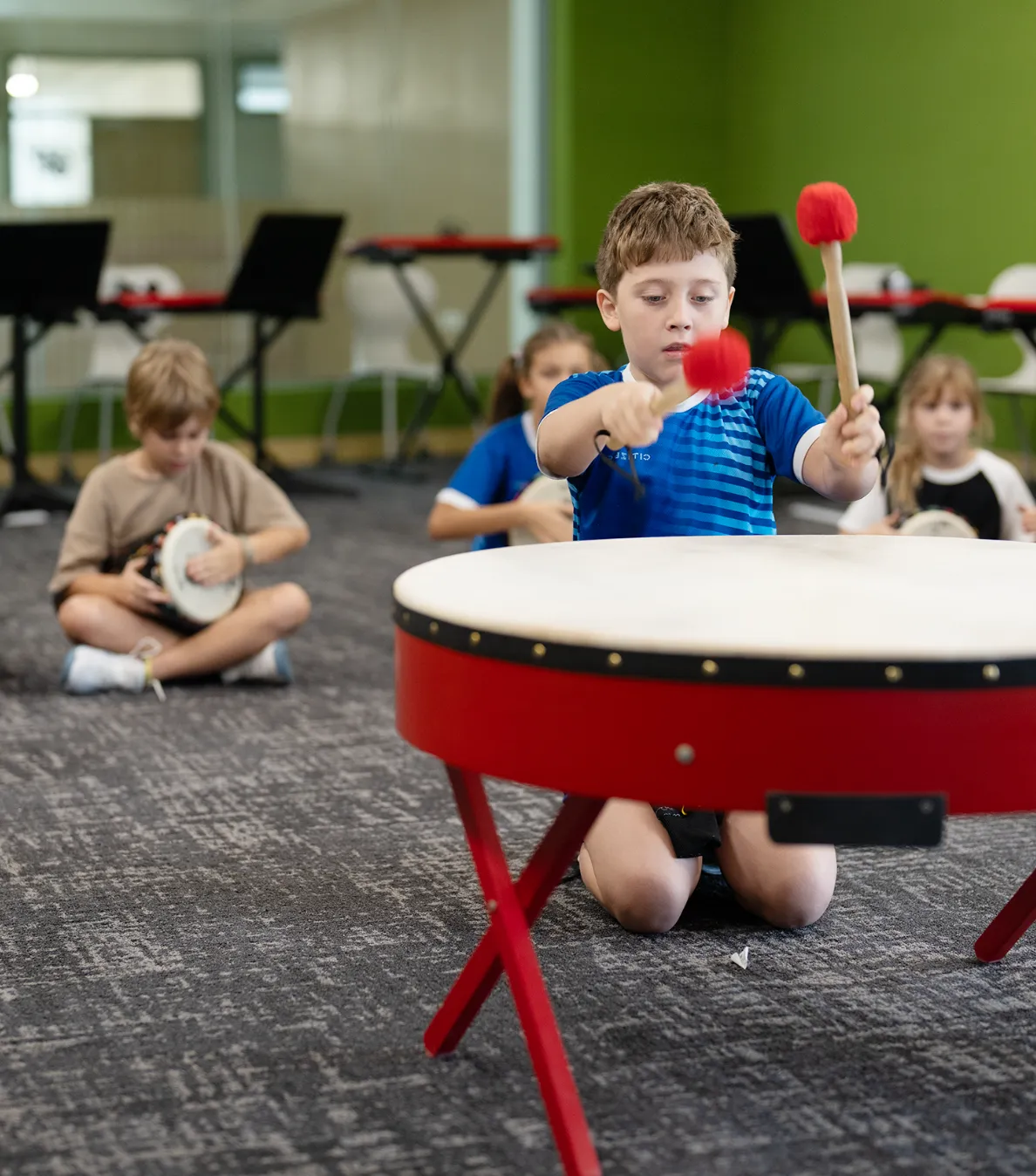
iii) Light and Sound Experiments: Controlled lighting, reflective surfaces, and musical exploration help children understand cause and effect, sparking curiosity and creativity in the process.
These thoughtfully designed settings ensure that play remains purposeful. When children scoop, pour, mix, and build, they are not only engaging their senses but also developing early concepts in science, maths, and art naturally and joyfully.
Sensory Exploration as the Foundation for Emotional and Social Growth
Multi-sensory play supports emotional and social development; when children explore textures, colours, sounds, and movement, they learn to make sense of their feelings and understand how others feel too.
At Citizens Nursery, educators often design small-group sensory experiences to encourage connection and communication. Some examples include:
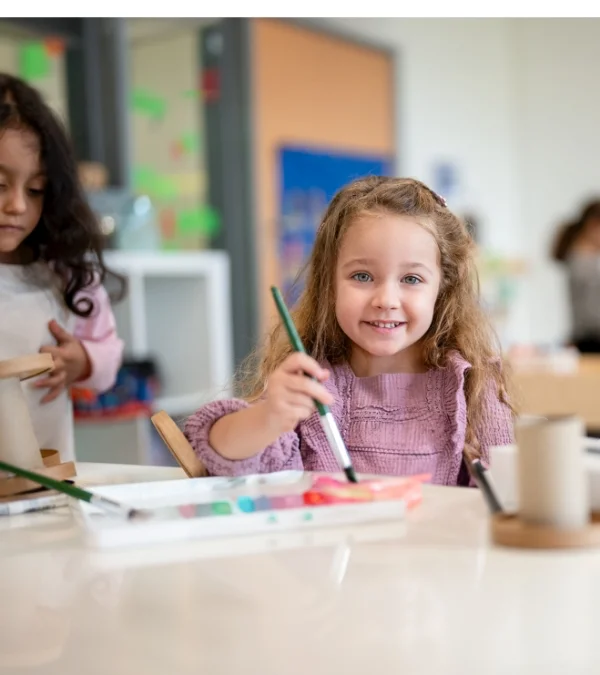
i) Collaborative Art Projects: Children paint or build together using different textures and materials, learning to share resources and appreciate collective creativity.
ii) Group Water Play: Pouring, splashing, and experimenting with containers encourages turn-taking, patience, and social engagement.
iii) Community Building Tasks: Working together to create sensory paths or garden areas cultivates a sense of responsibility and belonging.
iv) Storytelling with Sensory Props: Using tactile objects to retell stories helps children express emotions and understand different perspectives.
Through these shared sensory experiences, children learn to:
i) Recognise and name emotions such as joy, frustration, or excitement.
ii) Develop empathy by observing how others respond to similar sensations or challenges.
iii) Strengthen communication by expressing needs and ideas during play.
Educators at Citizens use these sensory moments to help children self-regulate, either by calming themselves through rhythmic movements or expressing excitement through creative expression. This emotional literacy, built through sensory engagement, becomes a lifelong skill that supports resilience, confidence, and well-being.
The Educator’s Role: Guiding, Not Directing
At Citizens Nursery, educators are observers, facilitators, and co-learners. Their role is to create opportunities rather than provide instructions. The philosophy is simple: children learn best when they lead their own discoveries, and teachers create the conditions that make those discoveries possible.
Rather than instructing, mentors ask open-ended questions such as, “What do you notice about how the water moves?” “How does the sand change when it’s wet?” and “What could we try next?”
These kinds of questions help children think more deeply, reflect on what they see, and build their own understanding.
This approach allows educators to:
i) Observe and Extend Learning: Teachers notice each child’s interests and gently introduce new materials or challenges to deepen exploration.
ii) Encourage Independence: By stepping back, they empower children to make decisions, test ideas, and learn through trial and error.
iii) Support Emotional Growth: Educators recognise moments of frustration or excitement and guide children in managing emotions through language and reflection.
iv) Balance Structure with Freedom: Planned activities are flexible, allowing spontaneous learning moments to emerge naturally.
As one nursery mentor explains, “Our role isn’t to tell children what to see, but to help them see more.” This balance between structure and freedom allows every child to discover confidently, make connections, and develop a genuine love for learning.
Partnering with Parents to Continue the Sensory Journey at Home
Hands-on learning continues at home; parents are encouraged to extend learning with simple, meaningful activities:
i) Cooking Together: Mixing, stirring, and tasting engage multiple senses while strengthening family bonds.
ii) Nature Walks: Observing textures, smells, and sounds outdoors helps children connect with their environment.
iii) Sensory Boxes: Using everyday materials like rice, leaves, or pebbles can spark tactile discovery at home.
Parents are also reminded that “messy play” is not chaos; it’s creativity in motion. By embracing sensory-rich activities, families reinforce the same curiosity and confidence nurtured at Citizens Nursery. This home–school partnership ensures consistency in the child’s developmental journey.
Conclusion: Nurturing Curious, Confident, and Connected Learners
Exploration is where learning begins. Through its purposeful sensory environment, Citizens Nursery ensures that every child learns by experiencing the world, touching it, questioning it, and understanding it.
By merging sensory discovery with guided curiosity, Citizens nurtures learners who are school-ready as well as life-ready. At Citizens Nursery, kids become curious thinkers, empathetic friends, and confident explorers of the world around them.
Every splash of water, every grain of sand, and every new sound heard builds the foundation for lifelong learning. That is the Citizens difference: where exploration becomes education, and every sense leads to discovery.
Footer

From Nursery to Year 10
Admissions
Open Now
Fill out the form below to find out more for the 2025-26 academic year.