Citizens School










 English


Why Nurturing Empathy in Children Sets Them Up for Lifelong Success
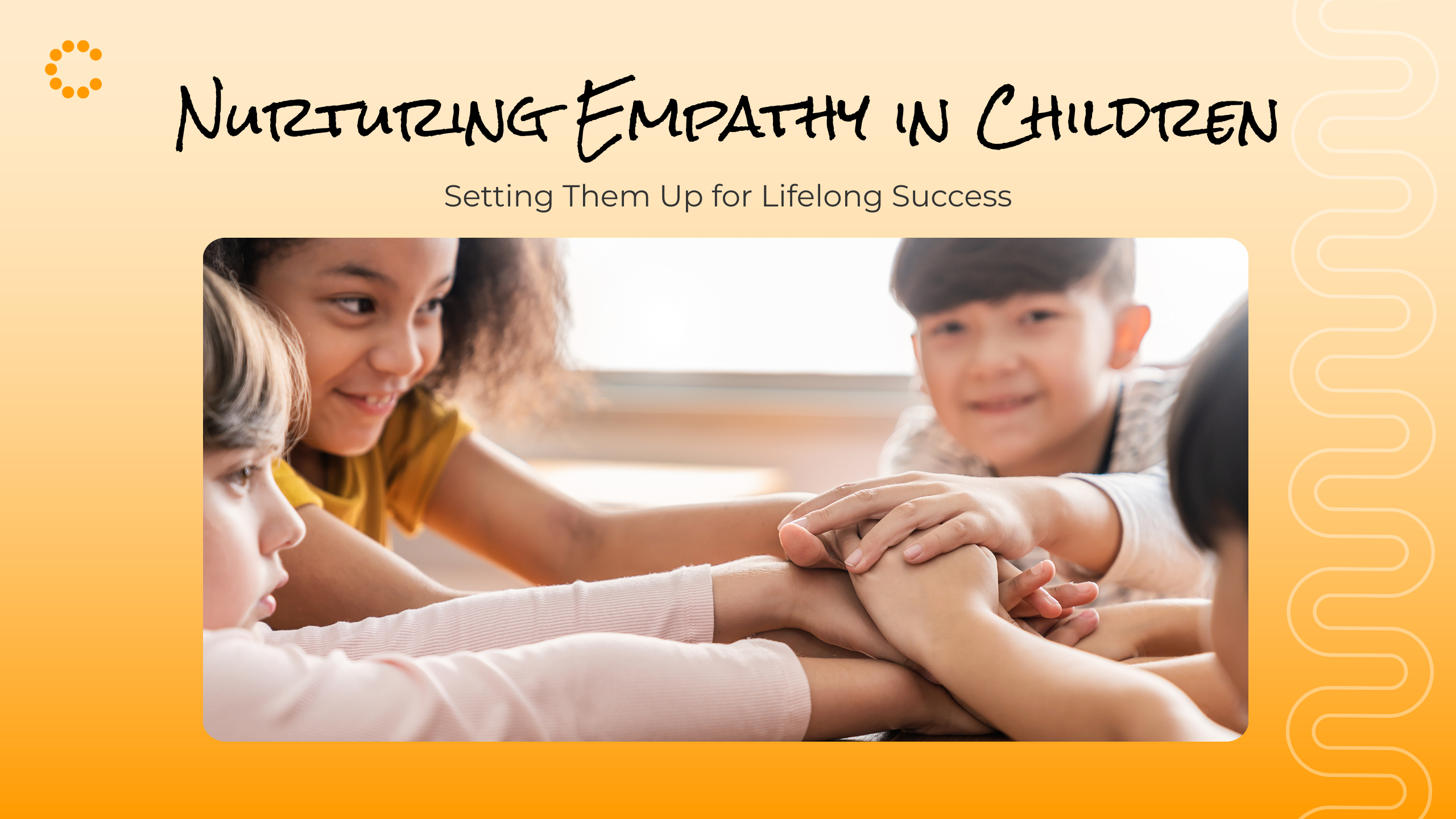
Empathy is one of the most powerful qualities a child can develop. It’s more than being kind. It’s the ability to understand another person’s feelings, to connect, and to respond with care. Empathy in children in Dubai is becoming increasingly vital in shaping emotionally secure, socially aware individuals. It helps children navigate friendships, conflicts, and complex social situations with confidence and compassion.
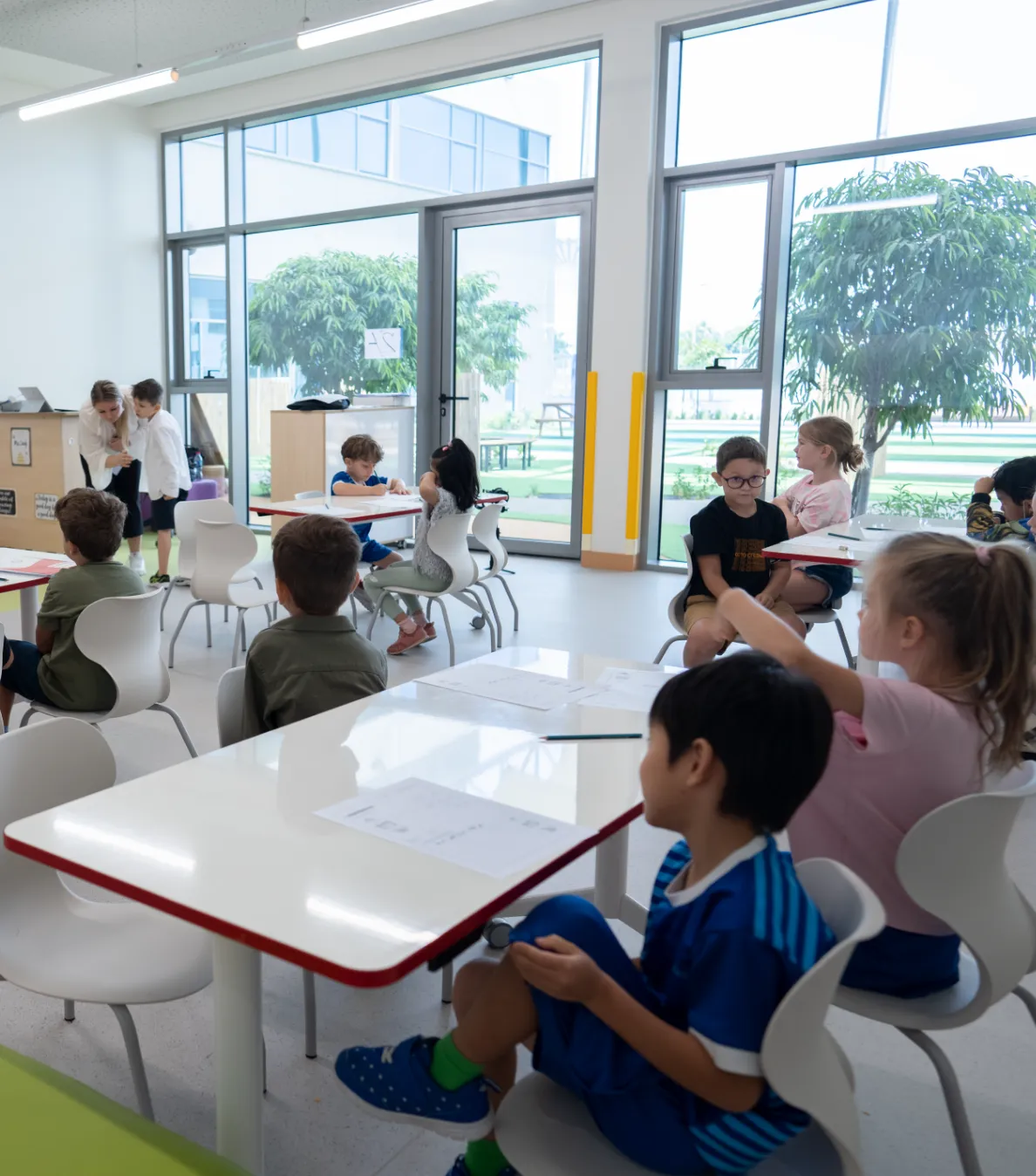
At Citizens School, nurturing empathy is not an occasional lesson but a daily experience. By nurturing empathy early, we help children become not only better learners but also more thoughtful individuals who can contribute meaningfully to their communities and the world beyond the classroom.
The Science Behind Empathy
Empathy begins to take shape in early childhood, as a child learns to recognise emotions, not just their own, but those of others. This development is closely tied to the brain’s social-emotional wiring. For example, mirror neurons help children “mirror” the feelings they see, forming the neurological basis for compassion and shared understanding. As children grow, so does their ability to regulate emotions and understand different perspectives, which are the two essential traits in developing empathy in kids.
Research shows that empathetic children are more resilient, socially connected, and emotionally secure. They tend to handle stress better, form healthier relationships, and adapt more effectively in group settings. These emotional tools support mental well-being and help shape lifelong success through empathy.
Empathy as a Core Life Skill
Empathy is not just a soft skill. It is a life skill that shapes how children relate, grow, and thrive. Empathy helps a child to evolve and become a better individual.
Better Relationships, Better Communication
Children who understand others’ feelings are more likely to form meaningful connections. They listen more attentively, respond thoughtfully, and handle conflicts with care. This creates stronger friendships, healthier classroom dynamics, and an ability to collaborate across differences.
Academic and Professional Success
Empathy strengthens group work, leadership, and communication skills increasingly valued in both school and the modern workplace. Studies have shown that children with higher emotional intelligence in children tend to perform better academically and remain more engaged in learning.
Emotional Resilience and Mental Health
Understanding emotions in oneself and others is pivotal for mental well-being. Empathetic children cope better with stress, exhibit less negative behavior, and show fewer symptoms of anxiety or depression. Empathy equips them to seek help when needed and to offer support to others by creating an environment of mutual care.
How Schools Can Actively Teach Empathy
Empathy thrives in safe, inclusive environments where every learner feels heard and respected. Nurturing empathy in schools starts with intentional design, consistent role modelling, and authentic learning experiences.
Creating Safe and Inclusive Spaces
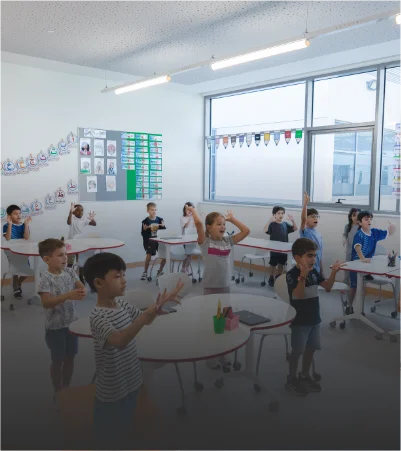
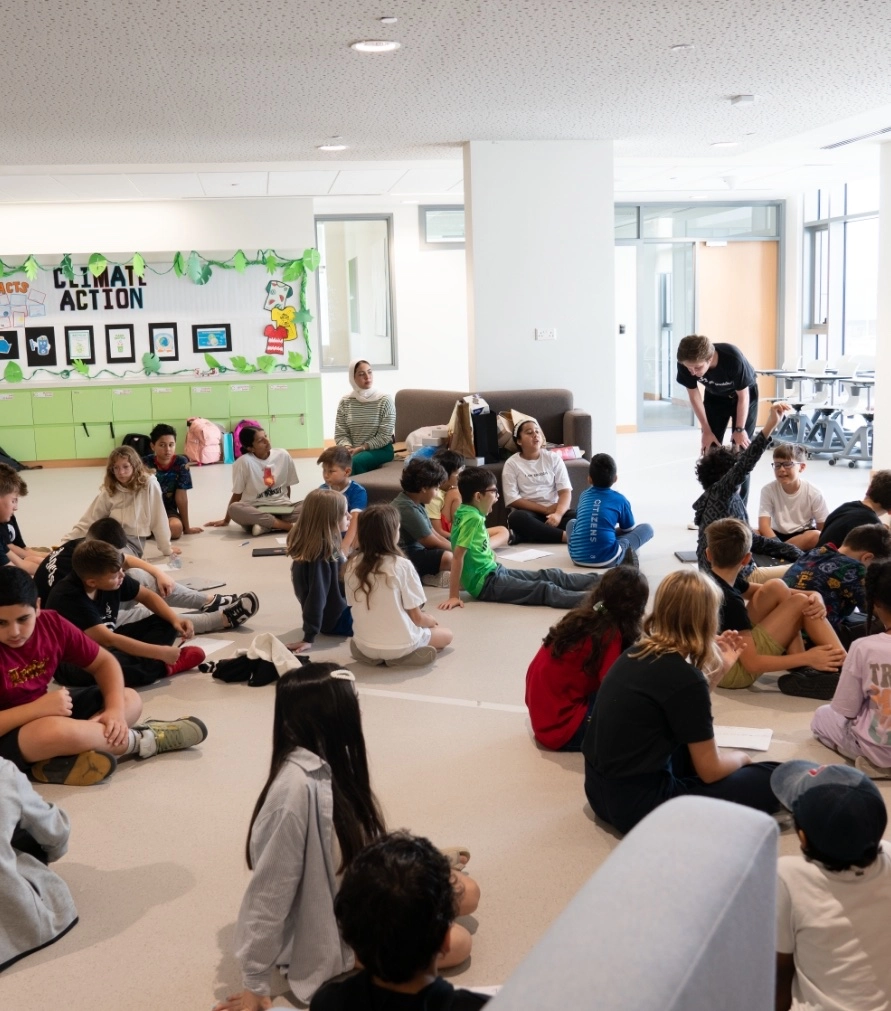
Empathy flourishes in environments where every learner feels valued. When classrooms celebrate diversity and encourage respectful dialogue, learners grow more open-minded. Activities that explore different cultures, perspectives, and life stories help children recognise and appreciate differences, not as barriers, but as bridges. At Citizens, this inclusive culture ensures that developing empathy in Dubai kids becomes a natural part of daily learning.
Embedding Empathy into the Curriculum
Project-based learning rooted in design thinking often begins with deep empathy. At Citizens, learners explore community-based problems through design thinking to explore problems that affect others, starting with empathy-driven research. Role-play, literature-based discussions, and reflective journaling all help learners see the world through another’s eyes and respond with care.
Modeling Empathy Through Relationships
Educators serve as empathetic role models. Mentors listen actively, respond with patience, and support emotional exploration. By acknowledging learners’ concerns or guiding dialogue, mentors display empathy in real-time. This approach to emotional intelligence in education helps children internalise empathy as a way of life, not just a subject to be studied.
The Citizens School Approach to Empathy
At Citizens School, empathy is not just taught as a value. It is a daily practice embedded within the Citizens Future Framework. From the way relationships are nurtured to how lessons are designed, empathy guides the way learners connect with themselves, others, and the world.
Learners actively participate in design thinking challenges that address community needs. These activities include supporting sustainability initiatives, partnering with local organisations, or championing peer-led awareness campaigns. These initiatives provide firsthand opportunities for developing empathy in kids by linking learning with impact.
Additionally, activities such as Global Awareness Weeks and cross-cultural projects broaden learners’ perspectives, encouraging them to engage with issues beyond their immediate environment. These activities are not extracurricular, but they are part of the core curriculum, designed to foster lifelong success through empathy.
Central to this approach by Citizens is the “Everyone Known and Known Well” pillar. When every learner is truly seen and understood. They feel safe expressing themselves and are more capable of showing empathy to others. It creates a ripple effect of kindness, understanding, and mutual respect.
A Parent Guide to Empathy in Children Dubai
The journey of teaching empathy at home begins with simple, mindful steps. Encourage your child to talk about feelings, both their own and those of others. Model compassionate behaviour in daily interactions. Share stories that explore different perspectives. And most importantly, create an environment where kindness, understanding, and listening are everyday values.
This parent guide to empathy in children is about building consistent habits through dinner table conversations, reflective questions, community service, or acknowledging emotions during tough moments. When empathy is practised at home, it reinforces what children learn in school and helps them grow into emotionally intelligent, caring individuals.
Conclusion
Empathy isn’t just a soft skill; it’s a powerful life force that shapes how children grow into adults who lead with kindness, integrity, and purpose. In a rapidly changing world, empathy in children in Dubai is not just valuable, but it’s essential.
At Citizens School, empathy is not taught in isolation. It is lived, modelled, and integrated into every part of the learning journey, right from service projects and mentorship to daily classroom conversations. When children are known and valued, they learn to value others too.
As parents and educators, the goal isn’t just to prepare children for exams or careers; it’s to help them become thoughtful, emotionally intelligent individuals who care about the world around them. And that begins with empathy.
Footer

From Nursery to Year 10
Admissions
Open Now
Fill out the form below to find out more for the 2025-26 academic year.