
Category: Blog

  • Innovation at Citizens School

    Innovation at Citizens School

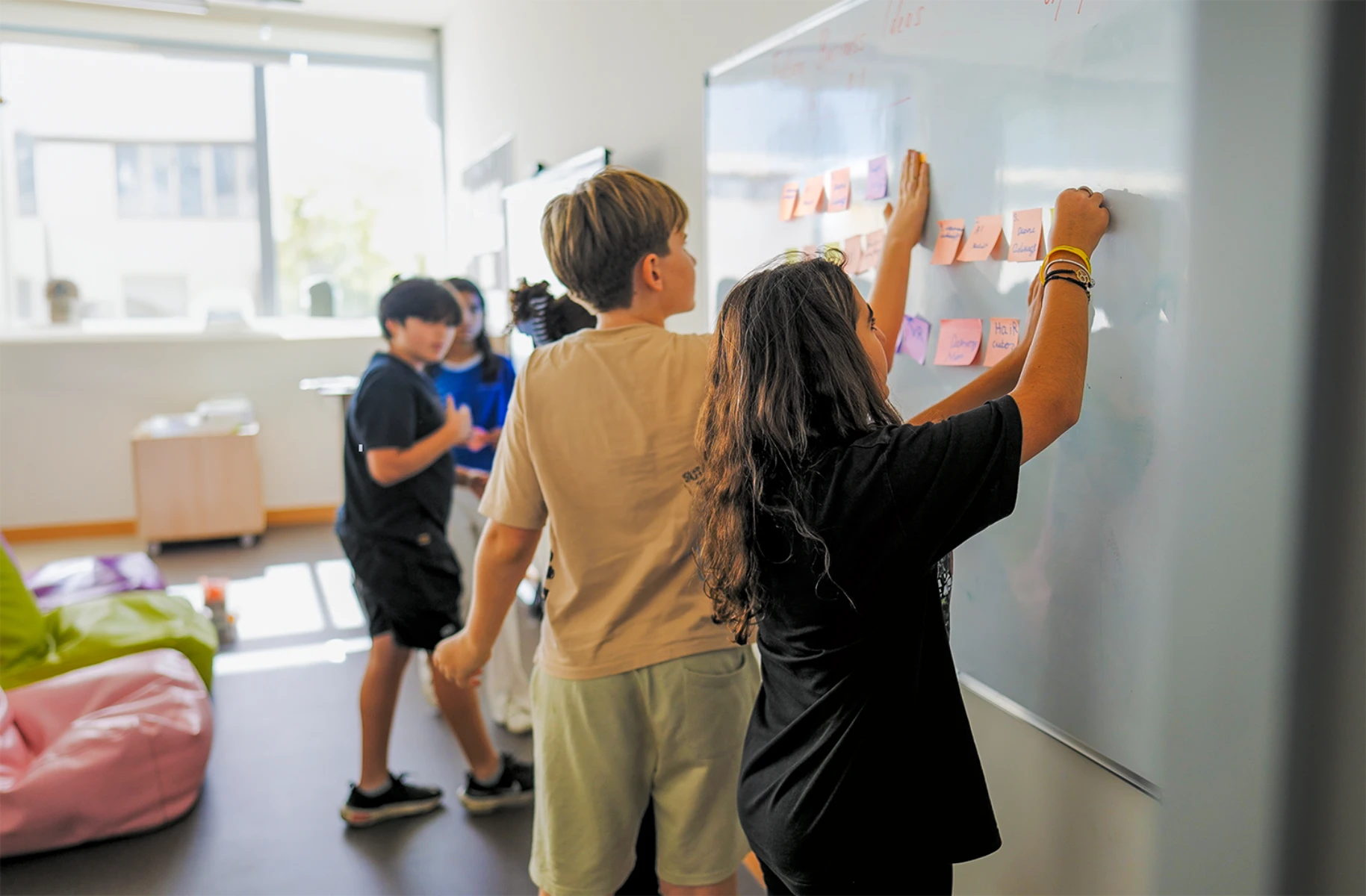
    The ability to innovate is not just an advantage; it is a necessity. At Citizens School, we  meet this challenge head-on by integrating innovation skills into our curriculum, fostering creativity and adaptability in our learners. By thinking laterally and exploring new ideas, we aim to create a culture where creative thinking thrives. This process begins with equipping our mentors with the tools they need to allow children the freedom to experiment and take risks.

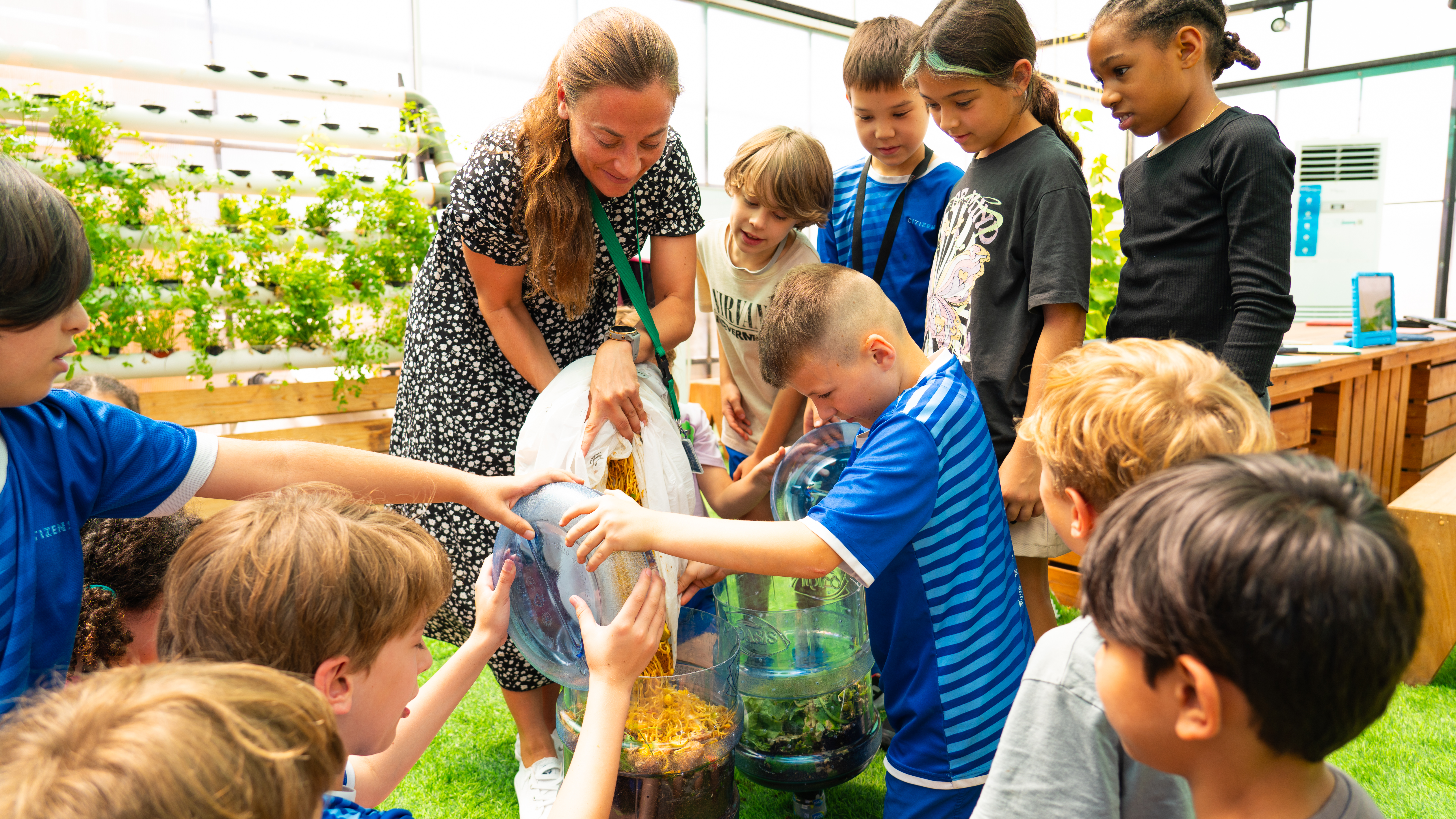
    Providing opportunities for creativity leads to ideas or inventions, which can then be developed into innovations. Through projects, prototypes, or new methods, learners inventive activities bridge the gap between imagination and practical application, and learners also understand the importance of embracing failure as part of the learning process. These inventions then become the foundation for broader innovations, influencing how we solve problems, improve processes, and enhance everyday life.

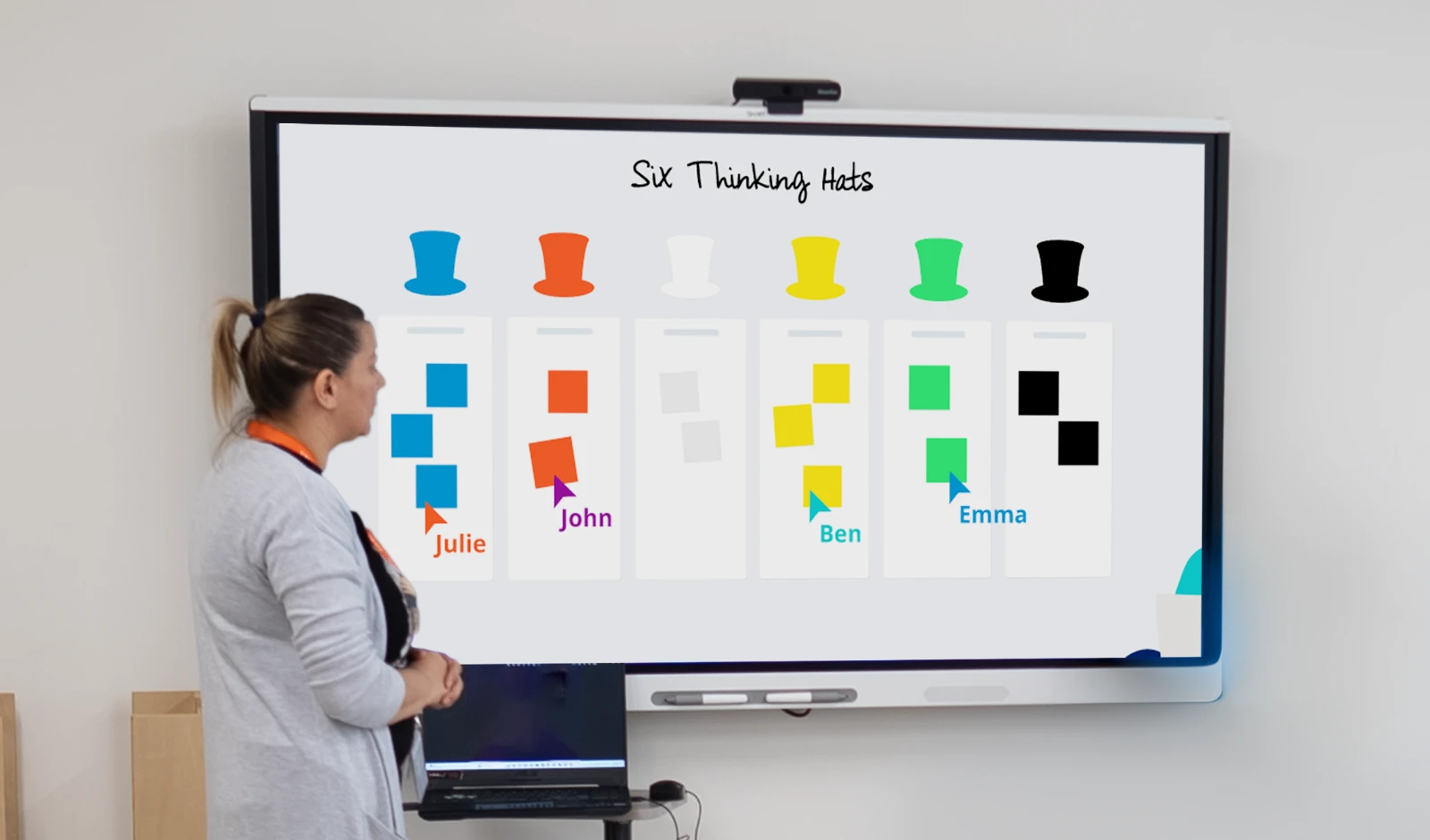
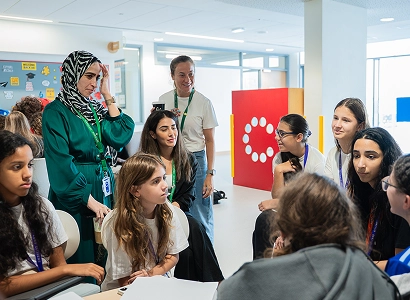
    We encourage our teachers, who we call mentors, to incorporate creativity into the classroom. I recently ran an innovation workshop highlighting a range of creativity tools, specifically focusing on De Bono’s Six Thinking Hats and Design Thinking. Both methods adopt a human-centered, empathetic approach to problem-solving, crucial for developing emotional intelligence and diverse perspectives.

    The mentors were split into groups and given a challenge to solve. Each member was given a hat, representing a different mode of thinking: factual (White Hat), emotional (Red Hat), critical (Black Hat), positive (Yellow Hat), creative (Green Hat), and managerial (Blue Hat). When employed in the classroom, this technique enhances learners’ ability to think comprehensively and collaboratively, enabling them to address complex problems by considering multiple perspectives. It also develops their ability to switch thinking styles, improving cognitive flexibility and teamwork.

    Design thinking incorporates the stages of empathising, defining, ideating, prototyping, and testing. It encourages learners to understand user needs deeply, fostering empathy and promoting innovative solutions tailored to real-world problems while helping them develop essential entrepreneurship skills. This iterative process develops resilience and adaptability, reacting to feedback and continuously improving ideas.

    Understanding the balance between innovation and consolidation is critical, as illustrated in Clayton Christensen’s “The Innovator’s Dilemma.” This concept teaches that while it is essential to pursue groundbreaking innovations, it is equally important to consolidate and strengthen the existing systems. Schools must decide when to innovate, stay ahead and when to consolidate to maintain stability. By recognising the right moments to embrace disruptive changes and to reinforce current practices, educators can create a balanced environment that nurtures sustained growth and innovation. This delicate balance ensures that educational institutions remain dynamic and forward-thinking while providing a stable foundation for student development.

    The innovation workshop was the first in a series of professional development sessions to ensure that we deliver on our promise to ‘Reimagining Education’. We are committed to integrating cutting-edge technologies and fostering a culture of continuous innovation to prepare our students for the challenges of the future. This dedication to technological advancement and innovative practices ensures that our learners are ready to face the future and equipped to shape it.

    By Dr. Terry McAdams

    Vice Principal

  • Traditional Education Versus the Citizens Approach: Rethinking Education for the Future

    Traditional Education Versus the Citizens Approach: Rethinking Education for the Future

    The purpose of education has changed significantly over the years. In the past, it focused on teaching basic skills that workers needed in an industrial age. However with rapid technological advancements and AI, the skills needed to succeed in the workplace are changing, and so should our approach to education as schools increasingly focus on developing future skills for children such as critical thinking, creativity, and adaptability.

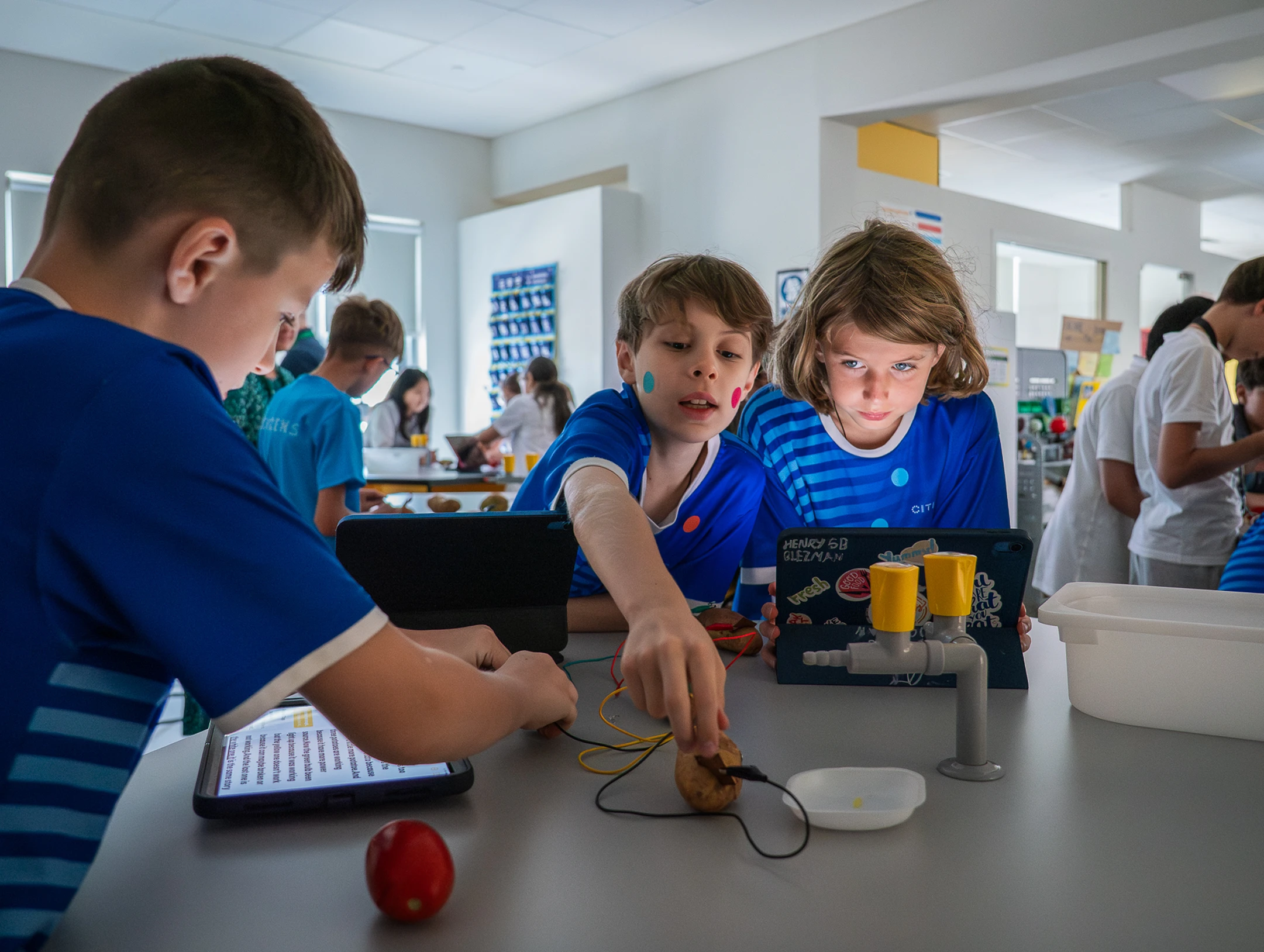
    Citizens School was built with the vision of Reimagining Education education to align with global changes. The goal is to provide children with a holistic experience that prepares them for future success. This is done through Citizens’ Future Framework, a custom framework  based on the World Economic Forum that emphasises creativity, problem-solving, global understanding, and business skills. The framework revolves around project-based learning and hands-on activities to promote collaboration and communication among learners. By focusing on real-world application of knowledge and skills, Citizens School prepares learners for success and well-being in the future.

    An Overview of the Traditional Approach and Citizens’ Approach

    The Traditional Approach
    Traditional education focuses on imparting basic skills and knowledge through lecture-based teaching. The classroom is teacher-centred and the emphasis is on memorisation and recalling facts. Students are evaluated primarily through standardised tests and grades, with a rigid curriculum designed for the traditional workforce. 

    The Citizens Approach
    At Citizens School, we take a learner-centred approach that goes beyond the traditional curriculum. Our approach emphasises the real-world application of knowledge and skills, with the goal of preparing learners for success and well-being in an unpredictable future. We help learners develop a resilient and adaptable mindset through hands-on experiences and collaborative projects, and we focus on critical thinking, creativity, and adaptability.

    Key Differences Between the Traditional and Citizens’ Approach

    Teaching Methods
    Traditional education relies on teacher-directed instruction and passive learning. In contrast, the Citizens Approach promotes active learning through project-based activities and collaborative group work, reflecting principles of inquiry-based learning that foster creativity and innovation.

    Assessment
    Traditionally, students are evaluated with standardised tests and grades. At Citizens School, we assess learners through project portfolios, presentations, and reflective assessments. We focus on celebrating growth and learning from our mistakes.

    Learning Environment
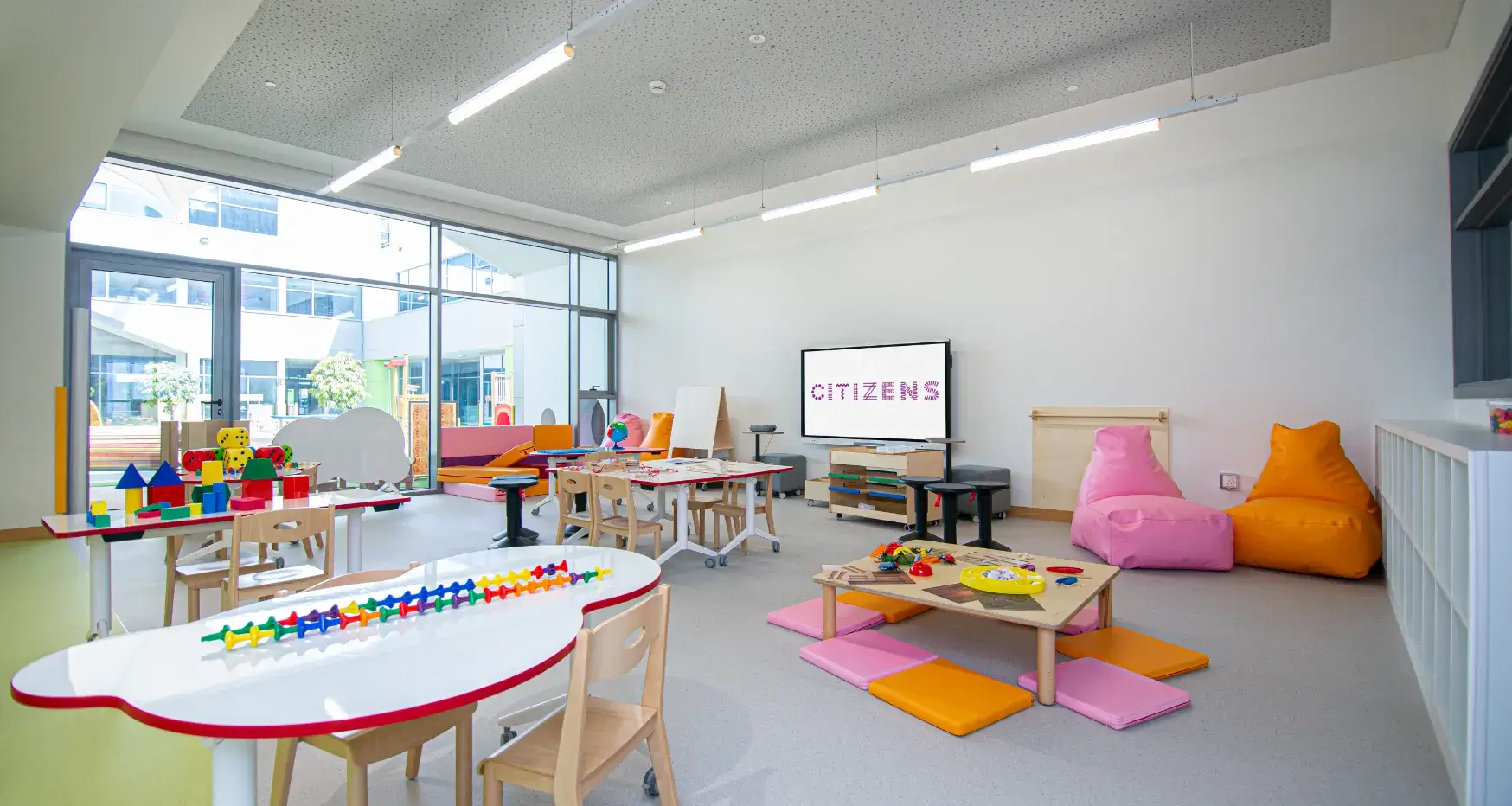
    Traditional classrooms are usually set up with limited interaction and a rigid structure. At Citizens School, we provide flexible learning spaces that integrate technology, and we emphasise creativity, innovation, and learner autonomy.

    Subject Matter
    Traditional education focuses on core subjects like maths and language arts. The Citizens Approach extends beyond the core subjects to include the six pillars of the Future Framework: Health and Wellbeing, Growth Mindset, Digital Literacy, Entrepreneurship, Global Citizenship, and Sustainability. Learners engage in entrepreneurship projects where they gain valuable skills in communication, teamwork, and innovation, reflecting the growing importance of Entrepreneurship in Education in our approach.

    Building the Future
    The Citizens Approach represents a new direction in education. By focusing on relevant skills and preparing learners for real-world challenges, Citizens School is redefining education for the future.

    To see how the Citizens Approach in action, contact us at +971 50 237 7273 or future@citizens.me.

  • Why Embracing Failure Develops Resilience and Innovation

    Why Embracing Failure Develops Resilience and Innovation

    As C.S. Lewis once said, “Failures are finger posts on the road to achievement.” Successful entrepreneurs persevere after failure, knowing that mistakes lead to innovation.

    According to the U.S. Bureau of Labor Statistics (BLS), the failure rate for new businesses is significant—20% fail within the first two years, 45% within the first five years, and 65% within the first 10 years. These statistics underscore the mindset and character required for entrepreneurial success.

    History is filled with examples like Steve Jobs, Walt Disney, Vera Wang, and Richard Branson, who faced failures before achieving great success. Sir James Dyson spent 15 years making over 5,000 prototypes to perfect his bagless vacuum. The key lesson from these entrepreneurs is the importance of resilience and the willingness to take risks.

    At Citizens School, we aim to instil an entrepreneurial mindset in learners and believe in creating an environment where failure is not just tolerated but encouraged. This philosophy aligns closely with Entrepreneurship in Education, where initiative, resilience, and calculated risk-taking are embedded into the learning experience. Our approach is based on the idea that failure is a crucial part of learning, growth, and eventual success, helping to build a strong growth mindset in kids.

    Encouraging Perseverance

    In many traditional schools, mistakes are seen as something to avoid. However, we see mistakes as an important step towards innovation and success. When learners are empowered to take risks, try new ideas, and persevere even after failure, they develop resilience and learn valuable lessons that cannot be taught in a textbook.

    Developing Resilience

    By embracing failure, our goal is to develop resilience in our learners. Resilience means being able to bounce back from setbacks, adapt to challenges, and keep going when things get tough. When learners experience failure in a supportive environment, they learn to see setbacks as opportunities for growth, rather than roadblocks.

    Cultivating Innovation and Creativity

    Innovation often comes from trying new things and taking calculated risks. By encouraging learners to become risk-takers, we encourage a culture of innovation where learners are encouraged to think outside the box, challenge norms, and explore unconventional solutions. Failure becomes a natural part of the creative process, leading to breakthroughs and new ideas.

    Learning from Mistakes

    At Citizens School, we see mistakes as valuable learning opportunities. When learners fail, we encourage them to reflect on what went wrong, find ways to improve, and plan for future success. This reflective practice helps build self-awareness, critical thinking, and personal growth.

    Building Confidence

    By normalising failure, we help learners gain confidence in their abilities. When they understand that failure is a normal part of learning, not a judgement of their worth, they become more willing to take risks, pursue their interests, and set ambitious goals.

    Encouraging a Growth Mindset

    Our approach aligns with the concept of a growth mindset, developed by psychologist Carol Dweck. A growth mindset emphasises the belief that skills and intelligence can be developed through effort and persistence. By embracing failure, we promote a growth mindset among our learners, empowering them to tackle challenges and keep going despite setbacks. This philosophy reflects the broader shift From Students to Learners at Citizens School, where adaptability, curiosity, and lifelong growth are prioritised over perfection.

    At Citizens School, we recognise setbacks are stepping stones for growth, resilience, and innovation. By creating a supportive environment that encourages risk-taking and embracing lessons from failure, we empower learners to become confident, resilient, and innovative thinkers who are prepared to thrive in an ever-changing world.

  • The Importance of Entrepreneurship Skills: Preparing Learners for Success

    The Importance of Entrepreneurship Skills: Preparing Learners for Success

    In today’s fast-changing world, traditional career paths are giving way to new opportunities, making entrepreneurship skills more crucial than ever and reinforcing the growing importance of Entrepreneurship in Education as a foundation for preparing learners to navigate uncertainty. At Citizens School, we understand the significance of these skills, which is why our Entrepreneurship Curriculum lies at the heart of our educational approach.

    Our Entrepreneurship Curriculum is a comprehensive programme from the Early Years Foundation Stage (EYFS) through to Year 8, designed to equip learners with a skillset and mindset that surpass traditional academic requirements. 

    Here are seven key skills our learners develop through our Entrepreneurship Curriculum:

    1. Adaptability: 
      Entrepreneurship teaches learners to adapt to different situations, embrace change, and turn challenges into opportunities, forming the foundation of broader future skills for children that prepare them for industries and roles that continue to evolve.
    2. Innovation: 
      Entrepreneurship fosters creativity and innovation. Learners are encouraged to think outside the box, develop original ideas, and find solutions to real-world problems. 
    3. Resilience: 
      Failure is an inevitable part of any entrepreneurial journey. By learning to overcome setbacks and persevere in the face of adversity, learners develop resilience.
    4. Critical Thinking: 
      Entrepreneurship encourages critical thinking and problem-solving skills. Learners develop the ability to analyse situations, evaluate options, and make informed decisions.
    5. Leadership: 
      Entrepreneurship skills nurture leadership qualities in learners. They learn to take initiative, inspire others, and collaborate effectively.
    6. Financial Literacy: 
      Understanding financial concepts is crucial for success in both personal and professional life. Entrepreneurship education teaches learners about budgeting, investing, and managing finances, empowering them to make smart financial decisions.
    7. Global Perspective: 
      In today’s interconnected world, having a global perspective is essential. Entrepreneurship education exposes learners to diverse cultures, markets, and ideas, helping them develop a broader worldview and succeed in a globalised economy.

    At Citizens School, we’re committed to preparing learners for success by instilling entrepreneurship skills at an early age. Our Entrepreneurship Curriculum reflects a broader commitment to Reimagining Education so that young learners grow as leaders, innovators, and problem-solvers equipped to thrive in an ever-changing world.

  • Citizens School Aligns with Sheikh Mohammed’s Vision for Supporting Digital Creatives

    Citizens School Aligns with Sheikh Mohammed’s Vision for Supporting Digital Creatives

    Dubai has taken a major step in recognising and supporting influencers and content creators. Sheikh Mohammed bin Rashid recently announced a Dh150 million fund dedicated to digital creators during the ‘1 Billion Followers Summit’ held in Dubai in January. This fund, along with the creation of a permanent headquarters, aims to provide financial support and a year-round home for creatives.

    This initiative is a significant move towards recognising careers in the digital media sector, acknowledging that future careers may look very different. Influencers and content creators have become central to how we consume information, entertainment, and education, moving beyond traditional media sources.

    The creation of this fund and headquarters not only provides essential financial support but also validates the career path of digital creators. It sends a powerful message to young people that their passion for digital creativity, storytelling, and innovation can lead to legitimate and profitable careers.

    Citizens School has long been committed to embracing and supporting non-traditional career paths. Through programmes like our Entrepreneurship Curriculum, we encourage learners to explore unconventional career options. Our educational approach focuses on equipping learners with diverse skills, fostering adaptability, innovation, and forward-thinking.

    As part of our commitment to preparing learners for the future, Citizens School offers extracurricular activities that align with Sheikh Mohammed’s vision for supporting digital creatives. Our extra-curricular activities like the Social Media Club and Media Club provide learners with opportunities to develop skills in social media management, filming, and photography. These clubs, run by the Digital Marketing Team at Citizens School, leverage expertise in social media and production to empower learners with practical knowledge and experience.

    As the career landscape evolves, schools like ours must adapt and embrace these changes. And as educators, it’s our responsibility to guide our learners into these new realms of possibility. The Dh150 million fund announcement is more than financial support – it sends a message to the youth that their creativity is valuable, and that the UAE is leading in embracing the changes that the future brings.

    The Dh150 million fund announcement is more than just financial support – it’s a message to the youth that their creativity is valuable, and that the UAE is at the forefront of embracing future changes.